


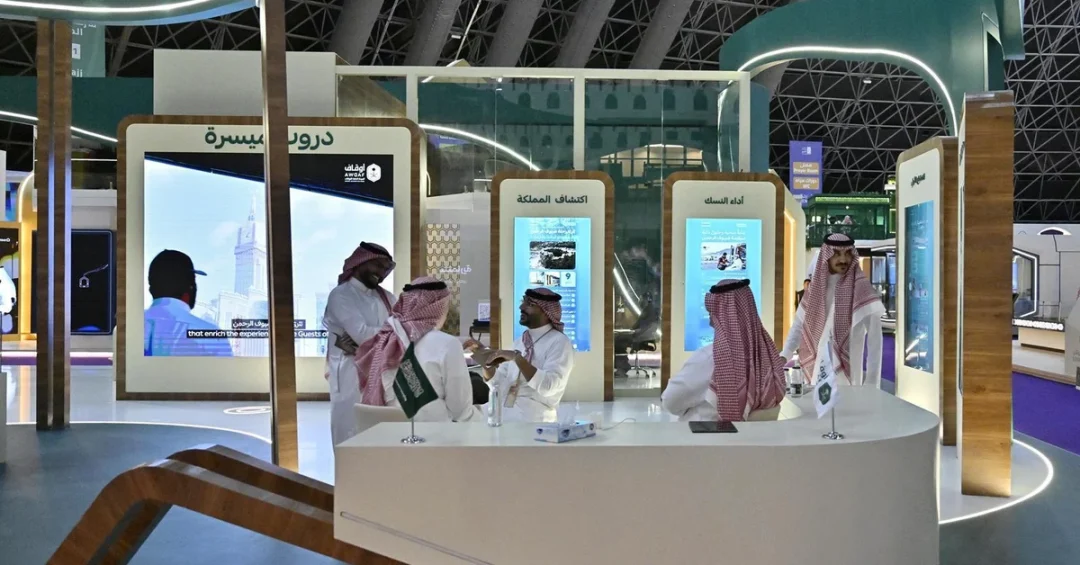
The General Authority for Awqaf is showcasing its pivotal role in developing Saudi Arabia’s endowment sector and expanding its contribution to serving Hajj pilgrims at the sixth Hajj Conference and Exhibition in Jeddah. The authority’s participation, announced via the Saudi Press Agency, highlights a comprehensive array of endowment services and initiatives designed to facilitate the sacred journey of millions of pilgrims, enrich their spiritual experience, and elevate the quality of services provided to them. Through its dedicated pavilion, the authority is presenting key projects and successful endowment experiences that demonstrate the developmental and social impact of endowments, while underscoring their role in ensuring the sustainability of services and meeting pilgrims’ needs throughout their journey. How does this participation reflect the Kingdom’s broader commitment to enhancing the Hajj experience for all? It signals a strategic integration of faith-based assets into modern service delivery, aligning with Saudi Arabia’s Vision 2030 goals of economic diversification and spiritual hospitality.
The sixth Hajj Conference and Exhibition, held in Jeddah, serves as a global platform for stakeholders to collaborate on improving Hajj operations. The General Authority for Awqaf’s presence underscores its efforts to build strategic partnerships and strengthen coordination with government, private-sector, and nonprofit entities involved in the Hajj system. These efforts aim to develop endowment services, improve their efficiency, expand their reach, and reinforce the role of endowments as a sustainable source of development in serving pilgrims. By showcasing its initiatives, the authority not only highlights its achievements but also sets the stage for future innovations that will further enhance the pilgrimage experience, reflecting the Kingdom’s dedication to serving the Guests of God.
Context and Background
What is the significance of the General Authority for Awqaf’s involvement in the Hajj Conference and Exhibition? The authority, established to regulate and develop the endowment sector in Saudi Arabia, plays a crucial role in harnessing charitable assets for public benefit. Endowments, or awqaf, are a longstanding Islamic tradition where assets are donated for religious or charitable purposes. In Saudi Arabia, the authority oversees these endowments to ensure they contribute effectively to social and economic development. The Hajj Conference and Exhibition, now in its sixth edition, brings together experts, officials, and companies to discuss and showcase innovations in pilgrimage services. The authority’s participation is a testament to its commitment to leveraging endowments for the benefit of pilgrims, ensuring that their spiritual journey is supported by sustainable and efficient services.
The authority’s initiatives are particularly timely as the number of pilgrims continues to grow, with millions traveling to Mecca annually. The COVID-19 pandemic highlighted the need for resilient and adaptable services, and the authority has responded by integrating technology and innovative financing models into its endowment projects. For instance, endowment funds are being used to develop infrastructure, provide healthcare, and offer logistical support to pilgrims. These efforts not only improve the pilgrimage experience but also contribute to the Kingdom’s economic diversification by creating jobs and stimulating local economies. The authority’s presence at the conference allows it to share best practices, learn from international counterparts, and forge partnerships that will further enhance its ability to serve pilgrims.
Key Details
What specific initiatives is the General Authority for Awqaf presenting at the conference? The authority’s pavilion showcases a range of endowment services and projects dedicated to serving pilgrims. These include endowment-funded projects for improving transportation, accommodation, and healthcare facilities in the holy sites. The authority is also highlighting successful endowment experiences that have had a tangible developmental and social impact. For example, some endowments have been used to establish waqf hotels that provide affordable lodging for pilgrims, while others fund medical clinics and mobile health units. These projects demonstrate how endowments can be a sustainable source of funding for services that meet pilgrims’ needs. The authority is also presenting its efforts to build strategic partnerships with government agencies, private companies, and nonprofit organizations to coordinate and enhance Hajj services.
Moreover, the authority is emphasizing the importance of transparency and efficiency in managing endowments. It has implemented digital platforms for donors to contribute to specific projects and for beneficiaries to access services. This digital transformation aligns with Saudi Arabia’s Vision 2030 goals of enhancing government efficiency and promoting digital innovation. The authority’s participation in the conference includes workshops and presentations on how endowments can be structured to maximize impact, as well as discussions on legal and regulatory frameworks that support the growth of the endowment sector. By sharing these insights, the authority aims to encourage more individuals and organizations to contribute to endowments, thereby expanding the resources available to serve pilgrims and other beneficiaries.
International and Regional Impact
How does the General Authority for Awqaf’s work at the Hajj Conference resonate beyond Saudi Arabia’s borders? The Hajj is a global event, attracting pilgrims from over 180 countries. The services provided by the authority therefore have an international dimension, as they affect the experience of Muslims worldwide. By showcasing its initiatives, the authority demonstrates Saudi Arabia’s leadership in managing large-scale religious events and its commitment to serving all pilgrims regardless of their nationality. This enhances the Kingdom’s soft power and reinforces its role as the custodian of the Two Holy Mosques. Furthermore, the authority’s efforts to build partnerships with international organizations and charities can lead to knowledge exchange and collaborative projects that benefit pilgrims from various regions.
Regionally, the authority’s work supports the broader goals of the Gulf Cooperation Council (GCC) and the Organisation of Islamic Cooperation (OIC) in promoting Islamic solidarity and cooperation. The conference itself is a platform for regional dialogue, and the authority’s participation helps to align efforts across the Muslim world. By sharing its expertise in endowment management, the authority contributes to the development of similar sectors in other countries, fostering economic and social progress. This collaborative approach is in line with Saudi Arabia’s Vision 2030, which seeks to strengthen international partnerships and position the Kingdom as a global leader in various fields.
Economic and Strategic Significance
What economic benefits arise from the General Authority for Awqaf’s initiatives? The endowment sector in Saudi Arabia is a significant economic force, with assets valued in billions of riyals. By developing this sector, the authority is unlocking new sources of funding for public services, reducing the burden on the government budget, and creating investment opportunities. Endowment-funded projects in the Hajj industry generate employment, support local businesses, and stimulate innovation. For example, waqf investments in real estate and infrastructure contribute to the growth of the hospitality and transportation sectors in Mecca and Medina. These economic activities align with Vision 2030’s goal of diversifying the economy away from oil dependence.
Strategically, the authority’s work enhances the sustainability of Hajj services. As the number of pilgrims increases, the demand for services grows, and traditional funding models may not be sufficient. Endowments provide a sustainable financing mechanism that can adapt to changing needs. The authority’s focus on strategic partnerships ensures that resources are pooled effectively and that services are delivered efficiently. This strategic approach not only benefits pilgrims but also strengthens the Kingdom’s reputation as a reliable and innovative provider of religious tourism. By integrating endowments into the Hajj system, Saudi Arabia is setting a global benchmark for how faith-based finance can be harnessed for social good.
Vision 2030 Alignment
How does the General Authority for Awqaf’s participation in the Hajj Conference and Exhibition align with Saudi Arabia’s Vision 2030? Vision 2030 aims to transform the Kingdom into a global investment powerhouse and a hub for Islamic tourism. The authority’s efforts to develop the endowment sector directly support these goals by attracting investment, creating jobs, and improving the quality of life for citizens and visitors. The emphasis on digital transformation and efficiency mirrors Vision 2030’s focus on modernizing government services and enhancing transparency. Furthermore, by serving pilgrims more effectively, the authority contributes to the Vision’s objective of hosting an increasing number of Umrah and Hajj pilgrims, which is a key pillar of the National Transformation Program.
In conclusion, the General Authority for Awqaf’s showcase at the sixth Hajj Conference and Exhibition is a clear demonstration of Saudi Arabia’s commitment to continuous improvement in serving the Guests of God. Through innovative endowment initiatives, strategic partnerships, and a forward-looking approach, the authority is not only enhancing the pilgrimage experience but also contributing to the Kingdom’s broader economic and social development. As Saudi Arabia marches toward Vision 2030, the role of endowments in supporting sustainable development will only grow, ensuring that the legacy of serving pilgrims endures for generations to come. How can the international community learn from Saudi Arabia’s model of integrating endowments into service delivery? It offers a blueprint for leveraging faith-based assets for the common good, a lesson that resonates globally.
20 Questions
Q1. What is the General Authority for Awqaf?
A1. The General Authority for Awqaf is a Saudi government body responsible for regulating, developing, and promoting the endowment sector in the Kingdom. It oversees charitable assets to ensure they contribute to social and economic development, including services for Hajj pilgrims.
Q2. What is the sixth Hajj Conference and Exhibition?
A2. The sixth Hajj Conference and Exhibition is a major event held in Jeddah, Saudi Arabia, that brings together stakeholders from around the world to discuss and showcase innovations in Hajj services, with the goal of improving the pilgrimage experience.
Q3. How is the General Authority for Awqaf participating in the conference?
A3. The authority is participating with a dedicated pavilion where it showcases its endowment services, initiatives, and successful projects that serve pilgrims. It also engages in discussions and workshops to share expertise and build partnerships.
Q4. What are endowments, or awqaf?
A4. Endowments, or awqaf, are assets donated for religious or charitable purposes. In Islam, they are a way to provide sustainable funding for public benefit. In Saudi Arabia, the authority manages these assets to support various sectors, including Hajj services.
Q5. How do endowments help Hajj pilgrims?
A5. Endowments fund projects such as affordable accommodation, healthcare facilities, transportation, and other services that directly benefit pilgrims. They provide a sustainable source of financing that ensures these services are available and of high quality.
Q6. What are some examples of endowment-funded projects for Hajj?
A6. Examples include waqf hotels that offer low-cost lodging, mobile medical clinics, and transportation fleets. These projects are designed to meet the needs of pilgrims and enhance their overall experience during the pilgrimage.
Q7. Why is the authority focusing on strategic partnerships?
A7. Strategic partnerships with government, private, and nonprofit entities allow for better coordination, resource pooling, and efficiency in delivering services. This collaborative approach ensures that endowments are used effectively to serve pilgrims.
Q8. How does the authority ensure transparency in endowment management?
A8. The authority uses digital platforms for donations and service delivery, which enhance transparency and efficiency. It also implements regulatory frameworks and oversight mechanisms to ensure that endowments are managed responsibly.
Q9. What is the economic impact of the endowment sector in Saudi Arabia?
A9. The endowment sector manages billions of riyals in assets, contributing to economic diversification, job creation, and investment. It reduces the burden on the government budget by providing alternative funding for public services.
Q10. How does the authority’s work align with Vision 2030?
A10. The authority’s efforts support Vision 2030 by enhancing the Hajj experience, promoting economic diversification, and fostering digital transformation. It also aligns with the goal of increasing the number of pilgrims and improving services.
Q11. What role does the authority play in the National Transformation Program?
A11. The authority contributes to the National Transformation Program by developing the endowment sector, which is a key source of funding for social and economic projects. Its work helps achieve the program’s objectives of improving government efficiency and quality of life.
Q12. How does the authority engage with international stakeholders?
A12. The authority participates in international conferences and forums to share best practices and build partnerships. It also collaborates with international organizations to enhance services for pilgrims from around the world.
Q13. What are the social benefits of endowment-funded projects?
A13. Endowment-funded projects provide social benefits such as improved healthcare, education, and infrastructure. They also create jobs and support community development, particularly in the holy cities of Mecca and Medina.
Q14. How does the authority measure the success of its initiatives?
A14. The authority measures success through key performance indicators such as the number of pilgrims served, the quality of services, and the satisfaction of beneficiaries. It also assesses the developmental impact of endowment projects.
Q15. What challenges does the authority face in serving pilgrims?
A15. Challenges include managing the growing number of pilgrims, ensuring sustainability of services, and adapting to changing needs. The authority addresses these through innovation, partnerships, and efficient resource management.
Q16. How can individuals contribute to endowments for Hajj services?
A16. Individuals can contribute through the authority’s digital platforms, which allow donors to select specific projects. Contributions are managed transparently and used to fund services that benefit pilgrims.
Q17. What is the role of technology in the authority’s initiatives?
A17. Technology is used to streamline donation processes, manage endowment assets, and deliver services efficiently. Digital platforms enhance transparency, facilitate communication, and improve the overall pilgrim experience.
Q18. How does the authority ensure the sustainability of endowment-funded services?
A18. The authority invests endowment assets in income-generating projects, such as real estate and commercial ventures. The returns from these investments are used to fund services, ensuring long-term sustainability.
Q19. What are the future plans for the authority’s involvement in Hajj services?
A19. The authority plans to expand its endowment initiatives, embrace more advanced technologies, and strengthen partnerships. It aims to further enhance the quality and reach of services for pilgrims in line with Vision 2030.
Q20. How does the authority’s work reflect Saudi Arabia’s commitment to serving pilgrims?
A20. The authority’s work demonstrates Saudi Arabia’s dedication to providing the best possible experience for pilgrims. Through innovative endowment solutions, the Kingdom ensures that the spiritual journey is supported by sustainable, high-quality services.
Reader Feedback
We value your thoughts. Please share your feedback on this article.
Your feedback helps us improve our coverage.
Related articles
 Saudi Civil Defense Concludes World Fire and Rescue Championship in Azerbaijan
 King Abdulaziz University Showcases 30+ Hajj Innovation Projects
 Umm Al-Qura University Showcases Services, Heritage at Hajj Conference
 Makkah Deputy Governor Visits Interior Ministry Pavilion at Hajj Conference
 Saudi Arabia Signs SAR5.664 Billion Deal for Wasel Al-Haram Project
 Public Security Showcases Hajj Security Tech at Jeddah Conference