


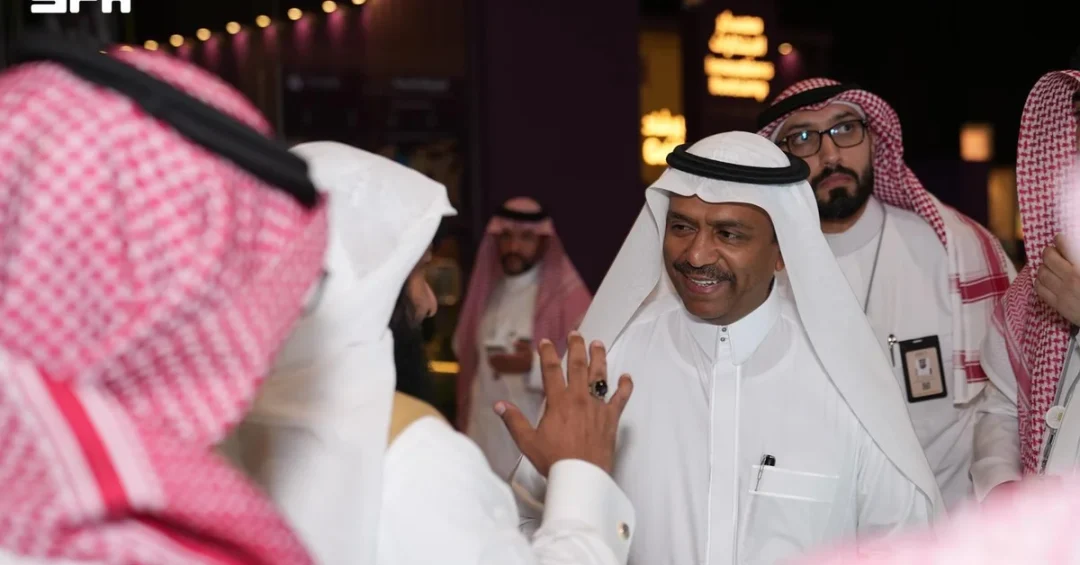
The Ekram Al-Joud Association for Serving Pilgrims is participating in the sixth Hajj Conference and Exhibition 2026, organized by the Ministry of Hajj and Umrah in cooperation with the Pilgrim Experience Program, from November 8 to 11 at the Jeddah Superdome. Through its pavilion, the association is highlighting its key efforts, initiatives, and projects to serve Hajj and Umrah pilgrims and visitors, underscoring Saudi Arabia’s unwavering commitment to enhancing the spiritual journey of millions. The event, held under the patronage of the Custodian of the Two Holy Mosques, King Salman bin Abdulaziz Al Saud, brings together a diverse array of stakeholders dedicated to elevating the pilgrimage experience.
Have you ever wondered how the Kingdom of Saudi Arabia manages to host over two million pilgrims annually with such grace and efficiency? It is through the tireless work of organizations like the Ekram Al-Joud Association, which operates under the guidance of the Ministry of Hajj and Umrah and in alignment with the Pilgrim Experience Program, a key initiative of Saudi Vision 2030. The association’s participation in this exhibition is not merely a display of its services but a testament to the collaborative spirit that defines the Kingdom’s approach to hospitality and humanitarian service. As the world watches, Saudi Arabia continues to set new benchmarks in crowd management, sustainability, and charitable work, all aimed at ensuring that every pilgrim’s journey is safe, fulfilling, and spiritually enriching.
Context and Background
What drives an organization to dedicate itself entirely to the service of pilgrims? For the Ekram Al-Joud Association, the answer lies in the profound Islamic tradition of hospitality and the Kingdom’s historical role as the custodian of the Two Holy Mosques. Established to support the millions of Hajj and Umrah pilgrims who travel to Makkah and Madinah each year, the association focuses on providing essential services such as food distribution, water supply, and iftar meals during Ramadan. Its participation in the sixth Hajj Conference and Exhibition 2026, held from November 8 to 11 at the Jeddah Superdome, highlights its ongoing commitment to innovation and excellence in pilgrim care.
The Hajj Conference and Exhibition is a premier event organized by the Ministry of Hajj and Umrah in cooperation with the Pilgrim Experience Program, one of the Vision 2030 initiatives designed to enhance the quality of services provided to pilgrims. This year’s exhibition brings together government agencies, private sector companies, and non-profit organizations to showcase the latest technologies, services, and strategies aimed at improving the Hajj and Umrah experience. The Ekram Al-Joud Association’s pavilion stands as a beacon of charitable work, demonstrating how non-profit initiatives can complement governmental efforts to achieve the ambitious goals of Vision 2030.
How does the association’s work align with the broader objectives of Saudi Vision 2030? The Vision aims to increase the number of pilgrims and improve the quality of services, while also promoting environmental sustainability and economic diversification. By reducing food waste and strengthening food security, the Ekram Al-Joud Association directly contributes to these goals, ensuring that the spiritual journey of pilgrims is not only fulfilling but also sustainable. Its initiatives reflect the Kingdom’s dedication to humanitarian values and its leadership in the global Islamic community.
Key Details
What specific initiatives is the Ekram Al-Joud Association showcasing at the exhibition? At its pavilion, the association is presenting a comprehensive overview of its projects, including food provision, water distribution, and the serving of iftar meals to fasting individuals. These services are meticulously planned to accommodate the massive influx of pilgrims during peak seasons, ensuring that no one goes hungry or thirsty. The association also emphasizes its efforts to reduce food waste, a critical component of its sustainability strategy, which involves efficient meal planning, proper storage, and partnerships with local charities to redistribute surplus food.
In addition to these core services, the association is highlighting its humanitarian and volunteer initiatives, which are integral to its mission. Volunteers play a vital role in the association’s operations, from preparing and distributing meals to guiding pilgrims and providing first aid. The association’s projects aimed at strengthening food security include collaborations with local farmers and food banks to ensure a stable supply of nutritious food for pilgrims. Furthermore, its environmental sustainability efforts encompass waste reduction, recycling programs, and the use of eco-friendly materials in its operations.
How does the association measure the impact of its work? Through a combination of quantitative metrics, such as the number of meals served and the volume of waste reduced, and qualitative feedback from pilgrims and partners. The association’s commitment to enhancing the efficiency of charitable work is evident in its use of technology to streamline logistics and its continuous training programs for volunteers. By creating a lasting impact in serving pilgrims, the Ekram Al-Joud Association exemplifies the spirit of generosity and innovation that defines Saudi Arabia’s approach to hospitality.
International and Regional Impact
Why does the work of a Saudi non-profit organization matter on the international stage? The Hajj and Umrah pilgrimage attracts millions of Muslims from around the world, making the services provided by organizations like the Ekram Al-Joud Association a reflection of Saudi Arabia’s global leadership in Islamic affairs. By ensuring that pilgrims from diverse backgrounds receive high-quality care, the Kingdom reinforces its reputation as a gracious host and a beacon of Islamic solidarity. The association’s initiatives also serve as a model for other countries seeking to manage large-scale religious events, showcasing best practices in crowd management, sustainability, and humanitarian service.
Regionally, the association’s efforts contribute to the stability and prosperity of the Makkah region, creating economic opportunities and fostering community development. The exhibition itself serves as a platform for international collaboration, with participants from various countries sharing knowledge and expertise. The Ekram Al-Joud Association’s participation underscores Saudi Arabia’s commitment to international cooperation and its role as a bridge between cultures and nations. By highlighting its initiatives, the association not only showcases its own work but also promotes the Kingdom’s message of peace, tolerance, and service to humanity.
Economic and Strategic Significance
What economic benefits arise from the association’s activities? The provision of food and water to pilgrims involves a complex supply chain that supports local businesses, from farmers and food producers to logistics companies and retailers. By sourcing locally and efficiently, the association contributes to the growth of the Saudi economy and the creation of jobs, aligning with Vision 2030’s goal of economic diversification. Moreover, the focus on reducing food waste and enhancing sustainability leads to cost savings and environmental benefits, which are essential for the long-term viability of the pilgrimage industry.
Strategically, the association’s work enhances the Kingdom’s soft power and its ability to influence global perceptions. A successful and well-managed Hajj experience strengthens Saudi Arabia’s position as a leader in the Muslim world and beyond. The association’s emphasis on volunteerism and humanitarian values also promotes social cohesion and national pride, as citizens from all walks of life come together to serve pilgrims. This collective effort is a powerful demonstration of the Kingdom’s unity and its commitment to the principles of Vision 2030, which prioritize a vibrant society, a thriving economy, and an ambitious nation.
Vision 2030 Alignment
How does the Ekram Al-Joud Association’s participation in the Hajj Conference and Exhibition 2026 reflect the goals of Saudi Vision 2030? The Vision, launched by Crown Prince Mohammed bin Salman, aims to transform Saudi Arabia into a global hub for tourism, business, and Islamic pilgrimage. By enhancing the pilgrim experience through innovative services and sustainable practices, the association directly supports the Vision’s objectives of increasing the number of pilgrims and improving the quality of services. The Pilgrim Experience Program, a key Vision 2030 initiative, works in tandem with organizations like Ekram Al-Joud to achieve these ambitious targets.
Furthermore, the association’s focus on food security, environmental sustainability, and volunteerism aligns with several Vision 2030 themes, including social development, economic diversification, and environmental protection. As Saudi Arabia continues to invest in infrastructure and technology to accommodate growing numbers of pilgrims, the role of non-profit organizations becomes increasingly important. The Ekram Al-Joud Association’s efforts exemplify the collaborative approach that defines Vision 2030, where government, private sector, and civil society work together to create a brighter future for the Kingdom and the world. By showcasing its initiatives at this prestigious exhibition, the association not only celebrates its achievements but also inspires others to contribute to the noble cause of serving pilgrims.
20 Questions
Q1. What is the Ekram Al-Joud Association?
A1. The Ekram Al-Joud Association for Serving Pilgrims is a Saudi non-profit organization dedicated to providing food, water, and other essential services to Hajj and Umrah pilgrims, as well as humanitarian and volunteer initiatives.
Q2. What event is the association participating in?
A2. It is participating in the sixth Hajj Conference and Exhibition 2026, organized by the Ministry of Hajj and Umrah in cooperation with the Pilgrim Experience Program, held from November 8 to 11 at the Jeddah Superdome.
Q3. What is the purpose of the Hajj Conference and Exhibition?
A3. The event serves as a platform for government agencies, private companies, and non-profits to showcase innovations and strategies aimed at enhancing the Hajj and Umrah experience for pilgrims.
Q4. What key initiatives is the association highlighting at its pavilion?
A4. The association is showcasing its efforts in providing food, distributing water, serving iftar meals to fasting individuals, reducing food waste, and its humanitarian and volunteer projects.
Q5. How does the association contribute to food security?
A5. Through collaborations with local farmers and food banks, efficient meal planning, and proper storage, the association ensures a stable supply of nutritious food for pilgrims while minimizing waste.
Q6. What environmental sustainability efforts does the association undertake?
A6. The association implements waste reduction, recycling programs, and uses eco-friendly materials in its operations to minimize its environmental footprint during Hajj and Umrah seasons.
Q7. How does the association enhance the efficiency of charitable work?
A7. By leveraging technology for logistics, providing continuous training for volunteers, and adopting best practices in non-profit management, the association maximizes its impact and resource utilization.
Q8. What is the role of volunteers in the association?
A8. Volunteers are essential to the association’s operations, assisting in meal preparation, distribution, guiding pilgrims, and providing first aid, embodying the spirit of Saudi hospitality.
Q9. How does the association measure its impact?
A9. It uses quantitative metrics such as meals served and waste reduced, along with qualitative feedback from pilgrims and partners, to assess and improve its services continuously.
Q10. What is the Pilgrim Experience Program?
A10. The Pilgrim Experience Program is a Saudi Vision 2030 initiative aimed at enhancing the quality of services provided to pilgrims, increasing capacity, and enriching the spiritual journey.
Q11. How does the association align with Saudi Vision 2030?
A11. Its focus on food security, sustainability, volunteerism, and improving pilgrim services directly supports Vision 2030 goals of a vibrant society, thriving economy, and ambitious nation.
Q12. What economic benefits does the association bring?
A12. By sourcing locally and efficiently, it supports local businesses, creates jobs, and contributes to economic diversification, aligning with Vision 2030’s economic goals.
Q13. How does the association’s work impact international pilgrims?
A13. It ensures that pilgrims from around the world receive high-quality care, reinforcing Saudi Arabia’s reputation as a gracious host and leader in Islamic affairs.
Q14. What is the significance of the Jeddah Superdome as the venue?
A14. The Jeddah Superdome is a state-of-the-art facility that accommodates large-scale events, reflecting Saudi Arabia’s modern infrastructure and capacity to host global gatherings.
Q15. How does the association promote volunteerism?
A15. It offers training and opportunities for citizens to serve pilgrims, fostering social cohesion and national pride, and encouraging a culture of giving back to the community.
Q16. What role does the Ministry of Hajj and Umrah play?
A16. The ministry oversees and facilitates all aspects of Hajj and Umrah, ensuring safety, security, and high-quality services for pilgrims, in line with Vision 2030 objectives.
Q17. How does the association reduce food waste?
A17. Through careful meal planning, portion control, proper storage, and partnerships to redistribute surplus food to those in need, the association minimizes waste and maximizes efficiency.
Q18. What humanitarian initiatives does the association support?
A18. Beyond pilgrim services, it engages in charitable activities such as providing aid to the needy, supporting orphans, and responding to emergencies, reflecting Islamic values of compassion.
Q19. How can other organizations learn from the association?
A19. By adopting its best practices in logistics, volunteer management, sustainability, and technology, other entities can enhance their own charitable operations and service delivery.
Q20. What is the future outlook for the association?
A20. The association aims to expand its services, embrace innovation, and strengthen partnerships to further enhance the pilgrim experience, contributing to the success of Saudi Vision 2030.
Reader Feedback
We value your thoughts. Please share your feedback on this article.
Your feedback helps us improve our coverage.
Related articles
 Awqaf Authority Showcases Pilgrim Initiatives at Hajj Confab
 Saudi Civil Defense Concludes World Fire and Rescue Championship in Azerbaijan
 King Abdulaziz University Showcases 30+ Hajj Innovation Projects
 Umm Al-Qura University Showcases Services, Heritage at Hajj Conference
 Makkah Deputy Governor Visits Interior Ministry Pavilion at Hajj Conference
 Saudi Arabia Signs SAR5.664 Billion Deal for Wasel Al-Haram Project