



Saudi Ambassador to Tunisia Mohammed Al-Buraithin met with Director-General of the Arab Atomic Energy Agency (AAEA) Dr. Salem Hamdi at the agency’s headquarters in Tunis on Monday to review the agency’s efforts and discuss areas of cooperation, according to the Saudi Press Agency (SPA). The meeting underscores Saudi Arabia’s continued commitment to advancing peaceful nuclear cooperation and strengthening Arab scientific collaboration, in line with the Kingdom’s Vision 2030 objectives for sustainable development and regional leadership.
Ambassador Al-Buraithin’s visit to the AAEA headquarters highlights the Kingdom’s proactive diplomatic engagement in multilateral institutions. The discussions focused on the agency’s ongoing initiatives and explored avenues for enhanced collaboration between Saudi Arabia and the AAEA, particularly in the fields of nuclear science, technology, and peaceful applications. This engagement reflects Saudi Arabia’s broader strategy to foster partnerships that contribute to scientific innovation and capacity building across the Arab world. How does such cooperation shape the future of nuclear energy in the region? The meeting signals a deepening of ties that could yield significant benefits for sustainable development and energy diversification.
Context and Background
The Arab Atomic Energy Agency (AAEA) is a specialized organization affiliated with the League of Arab States, established to promote cooperation in the peaceful uses of atomic energy among Arab nations. Headquartered in Tunis, the AAEA coordinates research, training, and technical assistance programs that support member states in developing their nuclear science capabilities. Saudi Arabia has been an active member, participating in various initiatives aimed at harnessing atomic energy for medical, agricultural, and industrial applications. The Kingdom’s engagement with the AAEA is part of its broader commitment to international nuclear cooperation and the peaceful use of nuclear technology.
Ambassador Mohammed Al-Buraithin, Saudi Arabia’s envoy to Tunisia, has been instrumental in strengthening bilateral relations between the Kingdom and Tunisia, as well as facilitating Saudi Arabia’s participation in regional organizations based in Tunis. His meeting with Dr. Salem Hamdi, the AAEA Director-General, underscores the importance Saudi Arabia places on scientific diplomacy and multilateral engagement. Dr. Hamdi, a respected expert in nuclear science, has led the agency’s efforts to expand its programs and enhance cooperation among member states. Why is this meeting significant for Saudi Arabia’s regional strategy? It demonstrates the Kingdom’s commitment to leveraging international platforms for knowledge exchange and technological advancement.
The timing of this meeting is particularly relevant as the Arab world seeks to diversify its energy sources and invest in cutting-edge technologies. Saudi Arabia, under Vision 2030, is pursuing a comprehensive transformation that includes the development of peaceful nuclear energy as a key pillar of its sustainable energy mix. Cooperation with the AAEA aligns with the Kingdom’s goals to build human capital, foster innovation, and ensure energy security. How does Saudi Arabia balance its role as a leading oil producer with its ambitions in nuclear energy? The answer lies in a forward-looking strategy that embraces all forms of energy to meet future demands.
Key Details of the Meeting
During the meeting, Ambassador Al-Buraithin and Director-General Hamdi reviewed the AAEA’s ongoing efforts to support member states in utilizing nuclear technology for peaceful purposes. They discussed areas of cooperation, including training programs, joint research projects, and technical assistance that could benefit Saudi Arabia and other Arab nations. The discussions also touched on the agency’s role in promoting nuclear safety and security standards, which are essential for the responsible development of atomic energy. The Saudi ambassador expressed the Kingdom’s appreciation for the AAEA’s work and reiterated Saudi Arabia’s support for its mission.
The two sides explored potential collaboration in several specific domains, such as nuclear medicine, where atomic technology is used for diagnosis and treatment of diseases like cancer. Saudi Arabia has been investing in nuclear medicine capabilities as part of its healthcare transformation under Vision 2030. Another area of focus was agricultural applications, including the use of radiation to improve crop yields and food safety. These applications align with the Kingdom’s food security objectives and its efforts to enhance agricultural productivity. Additionally, the meeting addressed the importance of human resource development through specialized training and education in nuclear science and engineering.
What concrete outcomes can be expected from this meeting? While no specific agreements were announced, the dialogue sets the stage for future collaboration and joint initiatives. The meeting reflects a mutual interest in deepening ties and leveraging the AAEA’s expertise to support Saudi Arabia’s national programs. It also reinforces the Kingdom’s position as a responsible stakeholder in the global nuclear community, committed to the highest standards of safety, security, and non-proliferation. The ambassador’s visit to the AAEA headquarters is a clear signal of Saudi Arabia’s active diplomacy and its willingness to engage with regional partners on issues of mutual interest.
International and Regional Impact
Saudi Arabia’s engagement with the AAEA has significant implications for regional cooperation and stability. By actively participating in the agency’s activities, the Kingdom demonstrates its leadership in promoting peaceful nuclear applications and fostering scientific collaboration among Arab states. This cooperation can contribute to the region’s overall development by addressing common challenges such as energy security, healthcare, and food production. Moreover, it strengthens the Arab world’s collective capacity to harness nuclear technology for socio-economic progress, in line with the United Nations Sustainable Development Goals.
On the international stage, Saudi Arabia’s partnership with the AAEA complements its engagements with other global nuclear organizations, including the International Atomic Energy Agency (IAEA). The Kingdom is a signatory to the Treaty on the Non-Proliferation of Nuclear Weapons (NPT) and has consistently advocated for the right to peaceful nuclear energy. Its cooperation with the AAEA reinforces its commitment to transparency and international cooperation. How does this meeting align with global non-proliferation efforts? It showcases Saudi Arabia’s adherence to international norms and its constructive role in multilateral forums.
Regionally, the meeting between Ambassador Al-Buraithin and Dr. Hamdi could pave the way for enhanced collaboration between Saudi Arabia and other Arab nations in nuclear science and technology. The AAEA serves as a platform for sharing best practices and pooling resources, which is particularly valuable for countries with emerging nuclear programs. Saudi Arabia’s active involvement can catalyze joint projects and facilitate technology transfer, benefiting the entire region. This collaborative approach aligns with the Kingdom’s vision of a stable and prosperous Arab world, where nations work together to achieve common goals.
Economic and Strategic Significance
The economic and strategic significance of Saudi Arabia’s cooperation with the AAEA extends beyond scientific and technical domains. Nuclear technology has the potential to drive economic diversification by creating new industries and job opportunities in fields such as nuclear engineering, radiation medicine, and renewable energy. As part of Vision 2030, Saudi Arabia aims to develop a knowledge-based economy, and nuclear science is a key component of that vision. By collaborating with the AAEA, the Kingdom can access expertise and resources that accelerate its national nuclear program and enhance its competitiveness.
Strategically, Saudi Arabia’s engagement with the AAEA reinforces its position as a regional leader and a responsible international actor. It demonstrates the Kingdom’s commitment to using nuclear technology for peaceful purposes and its adherence to international safety and security standards. This is crucial for building trust and confidence among international partners, which is essential for attracting investment and technology partnerships. Furthermore, cooperation in nuclear energy can contribute to energy security by diversifying the Kingdom’s energy mix, reducing reliance on hydrocarbons, and meeting growing domestic demand for electricity.
What does this mean for Saudi Arabia’s long-term energy strategy? The Kingdom has outlined ambitious plans to develop nuclear power as part of its energy portfolio, with the goal of generating a significant portion of its electricity from nuclear sources in the coming decades. Collaboration with the AAEA supports these plans by providing access to training, research, and technical assistance. It also facilitates the development of a skilled workforce capable of operating and regulating nuclear facilities safely and efficiently. This meeting is thus a step toward realizing Saudi Arabia’s nuclear energy ambitions and its broader economic transformation.
Vision 2030 Alignment
The meeting between Ambassador Al-Buraithin and Director-General Hamdi is closely aligned with Saudi Arabia’s Vision 2030, which seeks to diversify the economy, enhance public services, and promote sustainable development. Nuclear science and technology play a vital role in achieving these objectives, particularly in healthcare, agriculture, and energy. By partnering with the AAEA, Saudi Arabia can accelerate progress in these areas and ensure that its nuclear program adheres to the highest international standards. This collaboration also supports the Vision’s goal of building a knowledge-based economy and fostering innovation.
Moreover, the Kingdom’s active participation in the AAEA reflects its commitment to regional cooperation and its role as a stabilizing force in the Arab world. Vision 2030 emphasizes the importance of international partnerships and Saudi Arabia’s leadership in global affairs. This meeting exemplifies how the Kingdom leverages multilateral platforms to advance its national interests while contributing to the collective good. As Saudi Arabia continues to implement its transformative agenda, engagements like this will be instrumental in achieving its goals and shaping a prosperous future for the Kingdom and the region.
20 Questions
Q1. What was the purpose of the meeting between Saudi Ambassador Mohammed Al-Buraithin and AAEA Director-General Dr. Salem Hamdi?
A1. The meeting aimed to review the Arab Atomic Energy Agency’s efforts and discuss areas of cooperation between Saudi Arabia and the agency, focusing on peaceful nuclear applications and scientific collaboration.
Q2. Where did the meeting take place?
A2. The meeting was held at the Arab Atomic Energy Agency’s headquarters in Tunis, Tunisia, according to the Saudi Press Agency.
Q3. Who is Mohammed Al-Buraithin?
A3. Mohammed Al-Buraithin is Saudi Arabia’s Ambassador to Tunisia, actively working to strengthen bilateral relations and Saudi participation in regional organizations based in Tunis.
Q4. Who is Dr. Salem Hamdi?
A4. Dr. Salem Hamdi is the Director-General of the Arab Atomic Energy Agency (AAEA), leading its efforts to promote peaceful nuclear cooperation among Arab states.
Q5. What is the Arab Atomic Energy Agency (AAEA)?
A5. The AAEA is a specialized organization affiliated with the League of Arab States, headquartered in Tunis, that promotes cooperation in the peaceful uses of atomic energy among Arab nations.
Q6. What areas of cooperation were discussed?
A6. Discussions covered training programs, joint research, technical assistance, nuclear medicine, agricultural applications, and human resource development in nuclear science and engineering.
Q7. How does this meeting align with Saudi Arabia’s Vision 2030?
A7. It supports Vision 2030 by advancing peaceful nuclear technology for healthcare, agriculture, and energy, contributing to economic diversification and sustainable development.
Q8. What is Saudi Arabia’s role in the AAEA?
A8. Saudi Arabia is an active member, participating in initiatives to harness atomic energy for medical, agricultural, and industrial applications, and supporting the agency’s mission.
Q9. Why is nuclear cooperation important for the Arab region?
A9. It addresses common challenges like energy security, healthcare, and food production, fostering scientific collaboration and socio-economic progress across Arab states.
Q10. What benefits can Saudi Arabia gain from this cooperation?
A10. Saudi Arabia can access expertise, training, and technology to develop its nuclear program, enhance healthcare and agriculture, and diversify its energy mix.
Q11. How does this meeting reflect Saudi Arabia’s international engagement?
A11. It demonstrates the Kingdom’s commitment to multilateral diplomacy, peaceful nuclear cooperation, and adherence to international safety and non-proliferation standards.
Q12. What is the significance of the meeting’s timing?
A12. It comes as Arab nations seek to diversify energy sources and invest in technology, aligning with Saudi Arabia’s strategic push for nuclear energy under Vision 2030.
Q13. Did the meeting result in any agreements?
A13. No specific agreements were announced, but the dialogue sets the stage for future collaboration and joint initiatives between Saudi Arabia and the AAEA.
Q14. How does Saudi Arabia’s nuclear program adhere to safety standards?
A14. Saudi Arabia is committed to international safety and security standards, as evidenced by its cooperation with the AAEA and the IAEA, and its adherence to the NPT.
Q15. What role does nuclear medicine play in Saudi Arabia’s healthcare?
A15. Nuclear medicine is used for diagnosis and treatment of diseases like cancer, and Saudi Arabia is investing in this field as part of its healthcare transformation under Vision 2030.
Q16. How can nuclear technology improve agriculture in Saudi Arabia?
A16. It can enhance crop yields and food safety through radiation techniques, supporting the Kingdom’s food security objectives and agricultural productivity.
Q17. What is the AAEA’s role in promoting nuclear safety?
A17. The AAEA promotes nuclear safety and security standards among member states, providing guidance and training to ensure responsible development of atomic energy.
Q18. How does this meeting strengthen Saudi-Tunisian relations?
A18. It reinforces diplomatic ties and highlights Saudi Arabia’s engagement with Tunis-based organizations, fostering mutual cooperation and understanding.
Q19. What future steps might follow this meeting?
A19. Future steps may include joint training programs, research projects, and technical assistance, as both sides explore concrete avenues for collaboration.
Q20. How does this meeting contribute to Saudi Arabia’s global role?
A20. It showcases the Kingdom’s leadership in peaceful nuclear cooperation and its commitment to international partnerships, enhancing its global standing and regional influence.
Reader Feedback
We value your thoughts. Please share your feedback on this article.
Your feedback helps us improve our coverage.
Related articles
 Hail Deputy Governor Meets Arabian Horse Championship Chairman
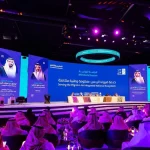 Saudi Ministers Unite to Enhance Pilgrim Services at Hajj Conference
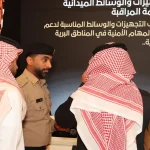 Border Guard Showcases Hajj Security and Humanitarian Efforts
 Public Security Director Joins Hajj Conference 2026 Ministerial Session
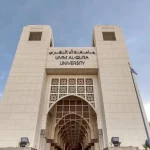 Umm Al-Qura University Inks Deal to Incubate Thaki Pro
 MATARAT Holding Showcases Pilgrim Services at Hajj Exhibition