


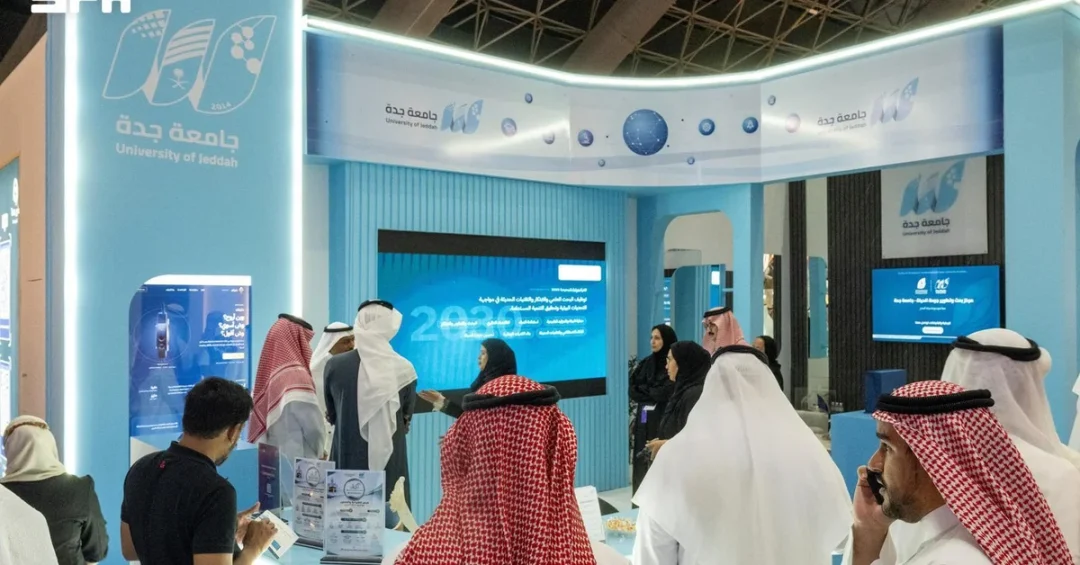
The University of Jeddah is participating in the sixth edition of the Hajj Conference and Exhibition with a range of integrated educational and training programs, research projects, and volunteer initiatives aimed at contributing to the development of the Hajj ecosystem and improving services provided to pilgrims, according to the Saudi Press Agency. The announcement, released through official Saudi channels, underscores the university’s commitment to leveraging academic expertise and technological capabilities in service of one of the Kingdom’s most sacred and logistically complex annual events. The sixth edition of the Hajj Conference and Exhibition brings together government agencies, academic institutions, and private sector partners to exchange knowledge and showcase innovations that enhance the pilgrim experience. How does a university’s participation in such a specialized exhibition translate into tangible improvements for millions of pilgrims? The answer lies in the integration of education, research, and volunteerism that the University of Jeddah has placed at the heart of its mission.
The University of Jeddah’s involvement reflects a broader national effort to align academic institutions with the practical needs of the Hajj ecosystem, a system that welcomes millions of pilgrims from around the world each year. By presenting educational and training programs, research projects, and volunteer initiatives, the university demonstrates how higher education can directly support Saudi Arabia’s aspirations to improve services for pilgrims. This participation is not merely symbolic; it represents a strategic investment in human capital and innovation that will have lasting effects on the quality of services provided during Hajj. What does it mean for a university to integrate its academic outputs into a national priority of this magnitude? It means that students, faculty, and researchers are actively contributing to solutions that enhance safety, efficiency, and spiritual fulfillment for pilgrims.
Context and Background
The Hajj Conference and Exhibition has become a premier platform for stakeholders across the Hajj ecosystem to collaborate and share best practices. Now in its sixth edition, the event attracts participation from ministries, security agencies, healthcare providers, technology companies, and academic institutions. The University of Jeddah’s presence at this year’s exhibition highlights the growing recognition that universities play a vital role in developing the intellectual and practical foundations of Hajj management. Why is it significant that an academic institution is featured alongside operational and governmental bodies? Because the challenges of Hajj—ranging from crowd management to healthcare delivery to digital services—require research-driven solutions and a well-trained workforce. The university’s participation signals that Saudi higher education is increasingly oriented toward solving real-world problems that affect millions of people.
The University of Jeddah, established in 2014, has quickly become a key player in the Kingdom’s educational landscape, offering a wide range of programs across disciplines including engineering, medicine, science, business, and the humanities. Its location in Jeddah, the gateway city for many pilgrims arriving by air and sea, positions it uniquely to contribute to the Hajj ecosystem. The university’s academic expertise spans fields such as logistics, public health, information technology, and social sciences—all of which are directly relevant to improving pilgrim services. How does a university’s geographical and academic positioning translate into practical contributions? By enabling faculty and students to conduct research on pilgrim flows, develop training modules for service providers, and volunteer on the ground during Hajj seasons, the University of Jeddah embodies the integration of knowledge and action.
Historically, Saudi universities have contributed to Hajj through research centers, specialized training programs, and volunteer campaigns. The University of Jeddah’s participation in the sixth edition of the Hajj Conference and Exhibition builds on this tradition while introducing new elements of integration. The university aims to highlight its role in supporting the Hajj ecosystem by integrating its educational, training, and research outputs, leveraging its academic expertise and technological capabilities, and increasing student involvement in volunteer and field activities. This comprehensive approach aligns with Saudi Arabia’s aspirations to improve services provided to pilgrims, a priority that has been emphasized by the Kingdom’s leadership. What makes this integrated approach different from previous efforts? It brings together teaching, research, and community service in a coordinated manner, ensuring that academic work has a direct and measurable impact on the pilgrim experience.
Key Details of the University’s Participation
The University of Jeddah’s participation in the exhibition encompasses three main pillars: educational and training programs, research projects, and volunteer initiatives. The educational and training programs are designed to equip students and professionals with the knowledge and skills needed to work effectively within the Hajj ecosystem. These programs cover areas such as crowd management, emergency response, hospitality, and digital service delivery. By offering specialized training, the university helps build a workforce that can meet the demanding requirements of Hajj operations. What specific skills are most in demand during Hajj? Efficient communication, rapid decision-making, cultural sensitivity, and technical proficiency are among the competencies that the university’s programs aim to develop.
The research projects presented by the University of Jeddah address some of the most pressing challenges in Hajj management. These projects likely include studies on optimizing pilgrim movement, improving healthcare delivery, enhancing waste management, and utilizing artificial intelligence for real-time monitoring. The university’s technological capabilities enable researchers to develop innovative solutions that can be deployed during Hajj seasons. For example, data analytics can help predict congestion points, while mobile applications can provide pilgrims with navigation and health information. How can research translate into immediate benefits for pilgrims? By piloting solutions in collaboration with operational agencies, the university ensures that its findings are not confined to academic journals but are tested and implemented in the field.
Volunteer initiatives form the third pillar of the university’s participation. Students are encouraged to engage in volunteer and field activities during Hajj, providing support in areas such as guiding pilgrims, assisting at medical camps, and helping with logistics. This volunteerism serves a dual purpose: it enhances the pilgrim experience while giving students invaluable practical experience and a sense of civic responsibility. The university’s emphasis on increasing student involvement reflects a broader national culture of volunteerism that has been fostered by Saudi Vision 2030. Why is volunteerism so important in the context of Hajj? Because the sheer scale of the event requires a large, dedicated, and well-organized workforce, and students represent a motivated and adaptable pool of talent.
International and Regional Impact
The University of Jeddah’s participation in the Hajj Conference and Exhibition has implications that extend beyond Saudi Arabia’s borders. Pilgrims come from virtually every country, and improvements in Hajj services benefit the global Muslim community. By sharing its research and training programs at an international exhibition, the university contributes to a global dialogue on best practices in mass gathering management. Regional countries that send large numbers of pilgrims can also learn from the Saudi model of integrating academic institutions into Hajj operations. How does international collaboration enhance Hajj services? Through the exchange of ideas and technologies, stakeholders can adopt proven strategies and avoid reinventing solutions to common challenges.
Moreover, the exhibition serves as a platform for Saudi Arabia to showcase its leadership in hosting Hajj and its commitment to continuous improvement. The University of Jeddah’s presence adds an academic dimension to this showcase, demonstrating that the Kingdom’s approach to Hajj is not only operational but also knowledge-driven. International observers and participants can see firsthand how Saudi universities are contributing to national priorities. What message does this send to the global community? It reinforces Saudi Arabia’s reputation as a capable and innovative host of the world’s largest annual gathering, and it highlights the role of education in national development.
Economic and Strategic Significance
From an economic perspective, the University of Jeddah’s contributions to the Hajj ecosystem have the potential to generate long-term value. Improved services lead to higher satisfaction among pilgrims, which can enhance the Kingdom’s reputation and attract more visitors for Umrah and Hajj in the future. The research and innovation showcased at the exhibition can also lead to commercial applications, creating opportunities for startups and established companies. By fostering a culture of innovation and entrepreneurship among students, the university supports economic diversification, a key goal of Saudi Vision 2030. How does Hajj-related innovation contribute to the broader economy? It stimulates sectors such as technology, healthcare, logistics, and tourism, creating jobs and attracting investment.
Strategically, the integration of academic institutions into the Hajj ecosystem strengthens Saudi Arabia’s soft power and its position as a leader in the Muslim world. The Kingdom’s ability to host Hajj safely and efficiently is a source of pride and a demonstration of its organizational capacity. By involving universities, Saudi Arabia also invests in its human capital, ensuring that future generations are equipped to manage and improve this vital national undertaking. What are the long-term strategic benefits of this approach? A more knowledgeable and skilled workforce, stronger research capabilities, and enhanced international standing are among the outcomes that will serve the Kingdom for decades to come.
Vision 2030 Alignment
The University of Jeddah’s participation in the sixth edition of the Hajj Conference and Exhibition is closely aligned with Saudi Vision 2030, the Kingdom’s comprehensive plan for economic and social transformation. Vision 2030 emphasizes the importance of education, innovation, and volunteerism as drivers of national progress. By integrating its educational, training, and research outputs into the Hajj ecosystem, the university directly contributes to the vision’s objectives of enhancing government effectiveness, improving quality of life, and fostering a vibrant society. The emphasis on volunteerism also reflects the vision’s goal of increasing civic engagement and social responsibility among young people. How does this participation embody the spirit of Vision 2030? It demonstrates that Saudi institutions are working together—across sectors—to achieve common goals and to serve the nation’s most cherished responsibilities.
Looking ahead, the University of Jeddah’s involvement in the Hajj Conference and Exhibition is likely to expand and evolve. As the Kingdom continues to invest in smart technologies and sustainable practices, the university’s research projects will play an increasingly important role in shaping the future of Hajj. The skills and experience gained by students through volunteer initiatives will prepare them to become leaders in various fields, contributing to the Kingdom’s long-term prosperity. In conclusion, the University of Jeddah’s integrated approach—combining education, research, and volunteerism—sets a powerful example of how academic institutions can serve national priorities and enhance the experience of millions of pilgrims. What better way to prepare the next generation than by engaging them in service to one of the world’s most significant spiritual gatherings? This participation not only improves Hajj services today but also builds the human capital that will sustain Saudi Arabia’s leadership in pilgrim services for years to come.
20 Questions
Q1. What is the University of Jeddah participating in?
A1. The University of Jeddah is participating in the sixth edition of the Hajj Conference and Exhibition, showcasing integrated educational programs, research projects, and volunteer initiatives aimed at developing the Hajj ecosystem and improving services for pilgrims.
Q2. What are the main pillars of the university’s participation?
A2. The participation rests on three main pillars: educational and training programs, research projects, and volunteer initiatives. These pillars are designed to integrate academic expertise, technological capabilities, and student involvement to support the Hajj ecosystem.
Q3. Why is the University of Jeddah’s participation significant?
A3. It highlights the university’s role in supporting the Hajj ecosystem by integrating its educational, training, and research outputs, leveraging academic expertise and technology, and increasing student involvement in volunteer activities, aligning with Saudi Arabia’s aspirations to improve pilgrim services.
Q4. What kind of educational programs does the university offer for Hajj?
A4. The university offers training programs covering crowd management, emergency response, hospitality, and digital service delivery. These programs equip students and professionals with skills needed to work effectively within the Hajj ecosystem and meet operational demands.
Q5. What research projects are being presented?
A5. Research projects address challenges such as optimizing pilgrim movement, improving healthcare delivery, enhancing waste management, and utilizing artificial intelligence for real-time monitoring. These projects aim to develop innovative solutions deployable during Hajj seasons.
Q6. How do students benefit from volunteer initiatives?
A6. Students gain practical experience and a sense of civic responsibility by volunteering during Hajj in areas like guiding pilgrims, assisting at medical camps, and helping with logistics. This enhances their skills and contributes to the pilgrim experience.
Q7. How does the university’s location in Jeddah help?
A7. Jeddah is the gateway city for many pilgrims arriving by air and sea. This positions the university uniquely to contribute to the Hajj ecosystem through research on pilgrim flows, training modules, and on-the-ground volunteering.
Q8. What is the Hajj Conference and Exhibition?
A8. It is a premier platform for stakeholders across the Hajj ecosystem to collaborate and share best practices. Now in its sixth edition, it attracts ministries, security agencies, healthcare providers, technology companies, and academic institutions.
Q9. How does the university’s participation align with Saudi Vision 2030?
A9. It aligns with Vision 2030 by emphasizing education, innovation, and volunteerism. The university contributes to enhancing government effectiveness, improving quality of life, and fostering a vibrant society through civic engagement and social responsibility.
Q10. What role does technology play in the university’s contributions?
A10. Technology is central to research projects, including data analytics for congestion prediction and mobile applications for pilgrim navigation and health information. These innovations aim to improve efficiency and safety during Hajj.
Q11. How does the university’s participation benefit international pilgrims?
A11. Improvements in Hajj services benefit the global Muslim community. By sharing research and training programs internationally, the university contributes to a global dialogue on best practices in mass gathering management, enhancing the experience for all pilgrims.
Q12. What economic benefits arise from Hajj-related innovation?
A12. Innovation stimulates sectors such as technology, healthcare, logistics, and tourism, creating jobs and attracting investment. It also supports economic diversification, a key goal of Saudi Vision 2030, by fostering entrepreneurship among students.
Q13. How does volunteerism reflect Saudi culture?
A13. Volunteerism is deeply rooted in Saudi culture and is encouraged by Vision 2030. The university’s emphasis on student volunteering reflects a national commitment to civic engagement and social responsibility, especially during Hajj.
Q14. What skills are most in demand during Hajj?
A14. Efficient communication, rapid decision-making, cultural sensitivity, and technical proficiency are among the competencies the university’s programs aim to develop, ensuring a skilled workforce for Hajj operations.
Q15. How does the university ensure research is implemented?
A15. The university collaborates with operational agencies to pilot solutions in the field. This ensures findings are not confined to academic journals but are tested and implemented, directly improving pilgrim services.
Q16. What is the significance of the sixth edition of the exhibition?
A16. The sixth edition continues a tradition of collaboration and innovation. It provides a platform for showcasing advancements and integrating academic contributions into the Hajj ecosystem, reflecting continuous improvement in pilgrim services.
Q17. How does the university support Saudi Arabia’s leadership in Hajj?
A17. By integrating academic expertise and research into Hajj operations, the university strengthens Saudi Arabia’s ability to host Hajj safely and efficiently, reinforcing the Kingdom’s leadership and soft power in the Muslim world.
Q18. What long-term benefits does this participation offer?
A18. Long-term benefits include a more knowledgeable workforce, stronger research capabilities, and enhanced international standing. It also prepares students to become leaders, contributing to the Kingdom’s prosperity and sustainable development.
Q19. How can other universities learn from this model?
A19. Other universities can adopt a similar integrated approach—combining education, research, and volunteerism—to address national priorities. This model demonstrates how academic institutions can directly contribute to large-scale events and public services.
Q20. What is the ultimate goal of the university’s participation?
A20. The ultimate goal is to contribute to the development of the Hajj ecosystem and improve services for pilgrims, in line with Saudi Arabia’s aspirations. It reflects a commitment to leveraging academic resources for national and spiritual good.
Reader Feedback
We value your thoughts. Please share your feedback on this article.
Your feedback helps us improve our coverage.
Related articles
 Ministry of Energy: East–West Pipeline Targeted in Madinah
 Saudi Ambassador Meets AAEA Chief in Tunis
 Hail Deputy Governor Meets Arabian Horse Championship Chairman
 Saudi Ministers Unite to Enhance Pilgrim Services at Hajj Conference
 Border Guard Showcases Hajj Security and Humanitarian Efforts
 Public Security Director Joins Hajj Conference 2026 Ministerial Session