


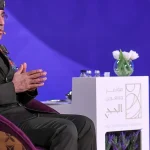
Jeddah, November 10, 2026 — Vice Minister of Media Abdullah Al-Mughlooth outlined Saudi Arabia’s comprehensive efforts to elevate media coverage and governance during the Hajj season, speaking at a panel discussion at the sixth Hajj Conference and Exhibition in Jeddah. His remarks, released via the Saudi Press Agency (SPA), detailed a unified media strategy that coordinates around 40 government entities, consolidates more than 40 communication plans, and engages over 3,000 local and international media professionals. The vice minister also highlighted the inaugural participation of five ministers in a government press conference that achieved approximately 621 million in reach and interactions, underscoring the Kingdom’s commitment to transparent, organized, and impactful communication during one of the world’s largest annual gatherings.
The Hajj season represents a profound logistical and spiritual undertaking, drawing millions of pilgrims from across the globe to the holy sites in Makkah and Madinah. Managing media coverage for such a massive event requires meticulous planning, inter-agency cooperation, and a clear strategic vision. Under the leadership of the Ministry of Media, Saudi Arabia has developed a sophisticated framework that not only facilitates accurate reporting but also projects a welcoming image of the Kingdom to the world. This year’s conference served as a platform to showcase these advancements, with Al-Mughlooth’s address emphasizing how integrated media operations contribute to the overall success of Hajj and align with the broader goals of Saudi Vision 2030.
Context and Background
How did Saudi Arabia transform Hajj media coverage into a model of efficiency and coordination? The answer lies in years of deliberate investment and strategic restructuring. The Unified Hajj Media Operations Center, as explained by Vice Minister Al-Mughlooth, acts as the central nervous system for all media activities during the pilgrimage. It brings together representatives from approximately 40 government entities under a single unified media plan, ensuring that messaging is consistent, accurate, and timely. This consolidation of more than 40 separate communication plans into one cohesive strategy eliminates redundancy, reduces the risk of conflicting information, and enables rapid responses to emerging developments. Such coordination is essential given the sheer scale of Hajj, which involves millions of pilgrims and thousands of journalists from diverse backgrounds.
The evolution of Hajj media governance reflects a broader transformation in Saudi Arabia’s approach to public communication. Historically, media operations during Hajj were fragmented, with various agencies operating independently. Recognizing the need for a more integrated approach, the Ministry of Media spearheaded reforms that prioritize collaboration and central oversight. The establishment of the Unified Hajj Media Operations Center marked a pivotal shift, allowing for real-time information sharing and joint decision-making. This framework not only enhances the quality of coverage but also ensures that the narrative presented to the world accurately reflects the spiritual significance and organizational excellence of the pilgrimage. It is a testament to the Kingdom’s dedication to continuous improvement and its readiness to embrace modern media practices.
Moreover, the sixth Hajj Conference and Exhibition itself underscores Saudi Arabia’s role as a global leader in pilgrimage management. The event convenes experts, officials, and media professionals to discuss innovations, share best practices, and explore solutions to challenges. Vice Minister Al-Mughlooth’s participation highlights the Ministry of Media’s proactive stance in leveraging such platforms to communicate its achievements and gather feedback. By fostering an environment of open dialogue and knowledge exchange, the Kingdom reinforces its commitment to transparency and excellence in serving the Guests of God.
Key Details
What specific measures have been implemented to govern media appearances and enhance engagement? Vice Minister Al-Mughlooth provided concrete examples of the Ministry of Media’s initiatives. A significant development was the governance of officials’ media appearances and the organization of press briefings. For the first time, five ministers participated in a single government press conference, a move that streamlined communication and allowed for direct engagement with the media. This event alone generated approximately 621 million in reach and interactions, demonstrating the immense public interest in Hajj-related information and the effectiveness of coordinated messaging. The vice minister emphasized that such initiatives are designed to ensure that accurate, authoritative information reaches both domestic and international audiences.
Another key pillar of the strategy is the emphasis on media partnerships and the adoption of a unified welcoming identity under the slogan “Hayyakum Allah,” which translates to “May God welcome you.” This slogan encapsulates the spirit of Saudi hospitality and serves as a unifying theme across all media platforms. By integrating this identity into coverage, the Ministry of Media ensures that the Kingdom’s message of warmth and reverence for the pilgrimage is consistently conveyed. Furthermore, the vice minister noted that Saudi Arabia hosts more than 3,000 local and international media professionals during the Hajj season, a testament to the global interest in the event and the Kingdom’s openness to facilitating comprehensive reporting.
The Hajj Media Hub has also played a crucial role in supporting media professionals. According to Al-Mughlooth, the hub has hosted more than 13,500 experts, media professionals, and visitors, offering training programs and workshops aimed at developing media capabilities. These initiatives not only enhance the skills of journalists covering Hajj but also foster a deeper understanding of the pilgrimage’s cultural and spiritual dimensions. By investing in capacity building, Saudi Arabia ensures that media coverage is not only accurate but also respectful and insightful, reflecting the sanctity of the occasion.
International and Regional Impact
How does Saudi Arabia’s media governance during Hajj influence global perceptions of the Kingdom? The coordinated efforts described by Vice Minister Al-Mughlooth have far-reaching implications. With over 3,000 media professionals from around the world covering Hajj, the narratives they produce shape international understanding of Saudi Arabia’s capabilities, hospitality, and religious stewardship. The unified media plan ensures that these journalists have access to reliable information, logistical support, and a clear framework for reporting. This reduces the likelihood of misinformation and promotes a balanced portrayal of the pilgrimage and the Kingdom’s role in facilitating it. In a region often characterized by geopolitical tensions, Saudi Arabia’s ability to manage a massive religious event with such precision serves as a stabilizing and unifying force.
Regionally, the success of Hajj media operations sets a benchmark for other nations hosting large-scale events. The model of inter-agency cooperation, centralized planning, and strategic communication can be adapted to various contexts, from international expos to sporting tournaments. Saudi Arabia’s willingness to share its expertise through conferences and exhibitions further cements its position as a leader in event management and public diplomacy. For neighboring countries and allies, the Kingdom’s approach offers valuable lessons in harnessing media to project soft power and foster goodwill. The positive coverage generated by these efforts contributes to regional stability by highlighting shared Islamic heritage and the collective responsibility of serving pilgrims.
Economic and Strategic Significance
What economic and strategic benefits arise from effective Hajj media governance? The pilgrimage is a major economic driver for Saudi Arabia, generating revenue across sectors such as hospitality, transportation, retail, and telecommunications. Media coverage amplifies these economic impacts by showcasing investment opportunities, infrastructure projects, and the Kingdom’s business-friendly environment. The 621 million reach and interactions from the government press conference alone illustrate the immense potential for brand exposure and investor engagement. By presenting a well-organized and modern Hajj experience, Saudi Arabia attracts future visitors, including those interested in Umrah and tourism beyond the pilgrimage season, aligning with Vision 2030 goals to diversify the economy and increase non-oil revenues.
Strategically, the Ministry of Media’s efforts enhance Saudi Arabia’s soft power and global standing. In an era where information flows rapidly across borders, controlling the narrative and ensuring accuracy are critical. The Unified Hajj Media Operations Center enables the Kingdom to respond swiftly to any misinformation, present its achievements proactively, and build trust with international audiences. This strategic communication capability is a valuable asset in diplomacy, helping to strengthen ties with other nations and international organizations. Moreover, by training thousands of media professionals through the Hajj Media Hub, Saudi Arabia contributes to the development of a skilled workforce that can support the media industry’s growth, a key objective under Vision 2030.
Vision 2030 Alignment
How do these media governance efforts align with Saudi Vision 2030? At its core, Vision 2030 seeks to transform Saudi Arabia into a diversified, innovative, and globally engaged nation. The Ministry of Media’s initiatives directly support this vision by promoting transparency, fostering international partnerships, and showcasing the Kingdom’s modernization. The emphasis on unified messaging and welcoming identity reflects the values of openness and hospitality that are central to Saudi culture and essential for attracting tourists and investors. By leveraging media to highlight the success of Hajj, the Kingdom reinforces its role as the heart of the Islamic world and a capable steward of the pilgrimage, thereby enhancing its global reputation.
Looking ahead, Vice Minister Al-Mughlooth’s remarks signal a continued commitment to innovation in media governance. As Saudi Arabia prepares for future Hajj seasons, the lessons learned and technologies adopted will likely be refined and expanded. The integration of digital platforms, data analytics, and real-time communication tools will further enhance the efficiency and reach of media operations. These advancements not only serve the immediate needs of Hajj coverage but also contribute to the broader development of Saudi Arabia’s media sector, creating jobs, fostering creativity, and positioning the Kingdom as a leader in the global media landscape. In doing so, the Ministry of Media is helping to realize Vision 2030’s ambition of a vibrant society, a thriving economy, and an ambitious nation.
20 Questions
Q1. What was the main focus of Vice Minister of Media Abdullah Al-Mughlooth’s speech?
A1. He highlighted the Ministry of Media’s efforts to improve media coverage and governance during the Hajj season, emphasizing coordination among government entities and the adoption of a unified media strategy.
Q2. Where did Vice Minister Al-Mughlooth deliver his remarks?
A2. He spoke at a panel discussion during the sixth Hajj Conference and Exhibition in Jeddah, Saudi Arabia.
Q3. What is the Unified Hajj Media Operations Center?
A3. It is a center that coordinates communication efforts among around 40 government entities under a unified media plan to ensure consistent and effective media coverage during Hajj.
Q4. How many communication plans were consolidated by the Ministry of Media?
A4. The ministry consolidated more than 40 communication plans to ensure coordinated media messaging and effective coverage.
Q5. What was significant about the government press conference mentioned?
A5. For the first time, five ministers participated in a government press conference, which recorded approximately 621 million in reach and interactions.
Q6. What slogan was adopted as a unified welcoming identity?
A6. The slogan “Hayyakum Allah,” which means “May God welcome you,” was adopted to convey a unified welcoming identity.
Q7. How many media professionals does Saudi Arabia host during Hajj?
A7. Saudi Arabia hosts more than 3,000 local and international media professionals during the Hajj season.
Q8. What is the Hajj Media Hub?
A8. It is a facility that has hosted more than 13,500 experts, media professionals, and visitors, offering training programs and workshops to develop media capabilities.
Q9. How does the media governance improve Hajj coverage?
A9. It ensures coordinated messaging, reduces misinformation, and provides media professionals with reliable information and support, leading to accurate and respectful coverage.
Q10. What is the role of the Ministry of Media in Hajj?
A10. The Ministry of Media oversees media operations, coordinates among government entities, and implements a unified media plan to facilitate comprehensive coverage of the pilgrimage.
Q11. Why is the participation of five ministers in a press conference notable?
A11. It marked the first time multiple ministers joined a single government press conference, demonstrating transparency and a coordinated approach to communication.
Q12. What impact does the 621 million reach have?
A12. It indicates the massive global interest in Hajj and the effectiveness of unified messaging in engaging audiences worldwide.
Q13. How does the media strategy reflect Saudi hospitality?
A13. Through the “Hayyakum Allah” slogan and welcoming identity, it projects warmth and respect for pilgrims, aligning with Saudi cultural values.
Q14. What training opportunities are available at the Hajj Media Hub?
A14. The hub offers programs and workshops aimed at developing media capabilities, enhancing skills, and fostering a deeper understanding of Hajj.
Q15. How does this benefit international media professionals?
A15. They gain access to reliable information, logistical support, and training, enabling them to report accurately and comprehensively on the pilgrimage.
Q16. What economic benefits stem from improved Hajj media coverage?
A16. It showcases economic opportunities, attracts investors, and promotes tourism, supporting Saudi Arabia’s economic diversification goals.
Q17. How does this align with Vision 2030?
A17. It promotes transparency, global engagement, and modernization, aligning with Vision 2030’s objectives of a vibrant society and thriving economy.
Q18. What is the significance of the Hajj Conference and Exhibition?
A18. It serves as a platform for experts and officials to discuss innovations and best practices, reinforcing Saudi Arabia’s leadership in pilgrimage management.
Q19. How does media governance enhance Saudi Arabia’s global image?
A19. It ensures accurate and positive coverage, showcasing the Kingdom’s organizational excellence and hospitality, thereby strengthening its international reputation.
Q20. What future developments can be expected in Hajj media governance?
A20. Continued innovation, integration of digital tools, and expansion of training programs are expected to further enhance media operations and align with Vision 2030.
Reader Feedback
We value your thoughts. Please share your feedback on this article.
Your feedback helps us improve our coverage.
Related articles
 Hajj Conference Holds 20 Workshops to Enhance Pilgrim Services
 Rain Falls in Eastern Region: Dammam and Dhahran Get Relief
 Hajj Conference Day 2: AI, Crowd Management & Service Development
 Crown Prince, Canadian PM Discuss Ties; Ottawa Condemns Houthi Attacks
 Passports Chief: Streamlined Pilgrim Movement at Ports of Entry Facilitates Hajj Rituals
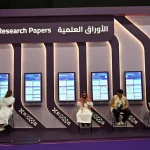 Hajj Pavilion Showcases Research to Enhance Pilgrim Services