


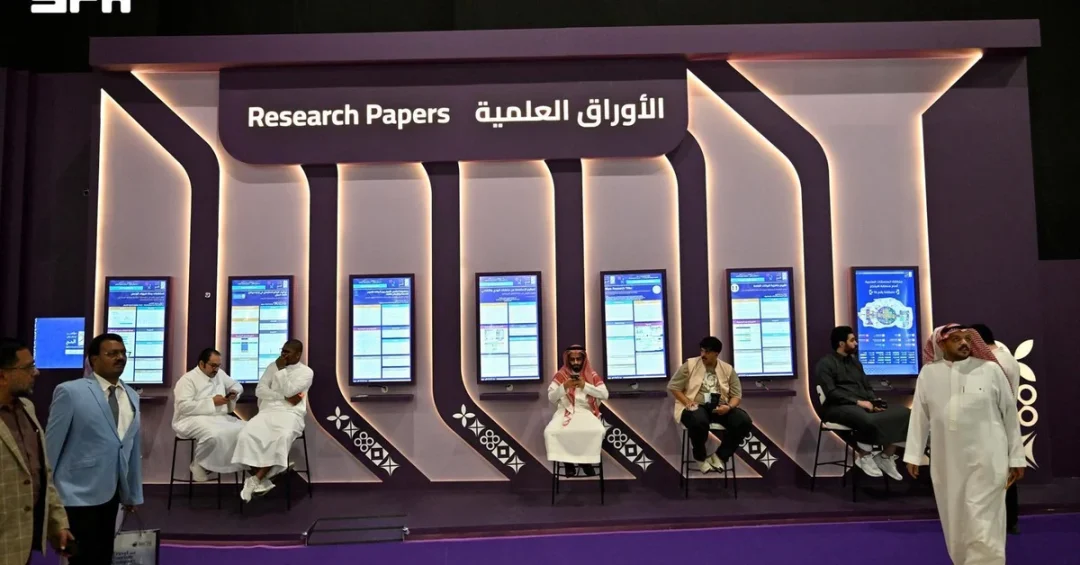
The scientific papers pavilion at the Hajj Conference and Exhibition in Jeddah is showcasing research and innovative solutions developed in collaboration with universities and research centers across Saudi Arabia, aiming to enhance the quality and efficiency of Hajj and Umrah services and enrich the pilgrim experience. The pavilion, which opened on November 9, 2026, provides a platform for exchanging knowledge and expertise, strengthening partnerships between research institutions and entities involved in Hajj and Umrah services, and highlighting the role of scientific research and innovation in serving pilgrims. Have you ever wondered how cutting-edge research can transform one of the world’s largest annual gatherings into an even more seamless and spiritually fulfilling journey?
The Hajj Conference and Exhibition, held under the patronage of the Saudi leadership, brings together experts, academics, and service providers to address challenges and opportunities across the Hajj and Umrah system. This year’s scientific papers pavilion stands out as a dedicated space where specialized studies and research are presented, offering innovative ideas and solutions that can help develop the services and initiatives provided to pilgrims. The event underscores Saudi Arabia’s commitment to leveraging knowledge and technology to serve the millions of pilgrims who travel to the Kingdom each year, in line with the goals of Vision 2030 to enhance the pilgrimage experience and showcase the Kingdom’s capabilities in hosting large-scale events.
Context and Background
Why is the integration of scientific research into Hajj and Umrah services so critical at this moment in time? Saudi Arabia has long been dedicated to improving the pilgrimage experience, and the establishment of the scientific papers pavilion at the Hajj Conference and Exhibition reflects a strategic shift toward evidence-based enhancements. The pavilion showcases research conducted in collaboration with universities and research centers across the Kingdom, focusing on developing services that meet the evolving needs of pilgrims. This initiative aligns with the broader national effort to modernize infrastructure, streamline operations, and ensure that the spiritual journey of Hajj and Umrah is as comfortable and meaningful as possible.
The conference itself has become a premier global platform for dialogue and innovation in pilgrimage services. By dedicating a pavilion to scientific papers, the organizers are signaling that research and innovation are integral to the future of Hajj and Umrah. The studies presented cover a wide range of topics, from crowd management and health services to digital solutions and sustainability. Each research project aims to address specific challenges and opportunities for improvement, providing actionable insights that can be implemented by service providers and government agencies. This collaborative approach ensures that the latest academic findings are translated into practical solutions that benefit pilgrims directly.
Moreover, the pavilion serves as a testament to Saudi Arabia’s leadership in utilizing advanced technologies and research to serve humanity. The Kingdom’s efforts in this domain have not gone unnoticed; international observers have praised the systematic approach to enhancing pilgrim services, which combines tradition with modernity. As the number of pilgrims continues to grow, the need for innovative solutions becomes ever more pressing. The scientific papers pavilion is thus a crucial component of Saudi Arabia’s strategy to manage the increasing scale of Hajj and Umrah while maintaining the highest standards of service and safety.
Key Details
What specific research and innovative solutions are being highlighted at the pavilion? The scientific papers pavilion features a diverse array of studies, each targeting a particular aspect of the pilgrim experience. For instance, some research projects focus on optimizing crowd flow during the peak days of Hajj, using advanced modeling and simulation techniques to prevent congestion and ensure the safety of pilgrims. Other studies explore the application of artificial intelligence and big data analytics to predict and manage pilgrim needs, from transportation to accommodation. These solutions are developed in close partnership with Saudi universities and research centers, ensuring they are tailored to the unique context of the Kingdom.
In addition to technological innovations, the pavilion also showcases research on health and wellness services for pilgrims. Studies examine ways to improve medical care, including telemedicine and mobile health units, to provide timely assistance to those in need. Environmental sustainability is another key theme, with research on waste management, water conservation, and eco-friendly practices that can reduce the environmental footprint of the pilgrimage. The pavilion also highlights social and cultural studies that aim to enhance the spiritual and educational aspects of the pilgrim journey, ensuring that pilgrims not only perform their rituals but also gain a deeper understanding of the significance of their visit.
The pavilion provides visitors with an opportunity to explore these specialized studies and research firsthand. Through interactive displays, presentations, and discussions with researchers, attendees can gain insights into the challenges and opportunities for improvement across the Hajj and Umrah services system. The exchange of knowledge and expertise is a central goal, as it fosters collaboration between research institutions and entities involved in Hajj and Umrah services. This collaborative environment is expected to accelerate the adoption of innovative solutions and ensure that research findings are effectively utilized in developing sustainable solutions and future initiatives.
International and Regional Impact
How does Saudi Arabia’s emphasis on research and innovation in Hajj and Umrah services resonate on the international stage? The Kingdom’s efforts are closely watched by countries with significant Muslim populations, many of which look to Saudi Arabia for best practices in managing large-scale religious gatherings. By sharing its research and solutions, Saudi Arabia reinforces its role as a global leader in pilgrimage management and demonstrates its commitment to serving all pilgrims, regardless of their origin. This knowledge exchange can also benefit other nations that host religious events, as they can adapt similar strategies to improve their own services.
Regionally, the scientific papers pavilion strengthens cooperation among Gulf Cooperation Council (GCC) states and other Middle Eastern countries. Many of these nations contribute to the Hajj and Umrah ecosystem, whether through providing logistical support, medical personnel, or technological expertise. The pavilion serves as a hub for regional dialogue, enabling stakeholders to align their efforts and share resources. This collaborative approach not only enhances the pilgrim experience but also fosters greater unity and mutual understanding among Muslim countries. Furthermore, the innovations showcased at the pavilion can have a positive ripple effect on other sectors, such as tourism and hospitality, by setting new standards for service quality and efficiency.
Economic and Strategic Significance
What economic and strategic benefits does this research-driven approach bring to Saudi Arabia? The Hajj and Umrah sector is a vital component of the Kingdom’s economy, contributing significantly to GDP and employment. By investing in research and innovation, Saudi Arabia is enhancing the efficiency and reliability of these services, which in turn attracts more pilgrims and boosts revenue. The development of smart solutions, such as digital platforms for visa processing and crowd management, reduces operational costs and improves the overall experience, making the Kingdom a more attractive destination for religious tourism.
Strategically, the focus on research and innovation aligns with Vision 2030’s goal of diversifying the economy and promoting sustainable development. The Kingdom aims to increase the number of pilgrims to 30 million by 2030, and achieving this target requires a robust infrastructure and innovative service delivery. The scientific papers pavilion exemplifies how academic research can be harnessed to meet national objectives, creating a knowledge-based economy that leverages Saudi talent and resources. Additionally, the partnerships forged between universities, research centers, and service providers strengthen the innovation ecosystem, paving the way for future breakthroughs that can be applied beyond Hajj and Umrah.
Vision 2030 Alignment
How does the Hajj Conference and Exhibition’s scientific papers pavilion contribute to Saudi Arabia’s long-term vision? Vision 2030 is a comprehensive plan to transform the Kingdom into a global hub for trade, tourism, and innovation. The pilgrimage sector is a key pillar of this vision, as it showcases Saudi Arabia’s unique cultural and religious heritage while demonstrating its capacity for world-class event management. The pavilion’s emphasis on research and innovation directly supports the Vision’s objectives by fostering a culture of excellence, promoting sustainable practices, and enhancing the quality of life for both pilgrims and citizens.
Looking ahead, the insights gained from the pavilion will inform future initiatives that aim to make the pilgrim journey even more seamless and spiritually enriching. The Kingdom’s leadership has consistently emphasized the importance of serving pilgrims with dedication and innovation, and the scientific papers pavilion is a tangible manifestation of this commitment. As Saudi Arabia continues to invest in research and development, it is setting a global benchmark for pilgrimage services, demonstrating how tradition and modernity can coexist harmoniously. The world watches with admiration as the Kingdom paves the way for a future where every pilgrim’s experience is enhanced by the power of knowledge and innovation.
20 Questions
Q1. What is the scientific papers pavilion at the Hajj Conference and Exhibition?
A1. The scientific papers pavilion is a dedicated space at the Hajj Conference and Exhibition in Jeddah that showcases research and innovative solutions developed with universities and research centers across Saudi Arabia to enhance Hajj and Umrah services.
Q2. When and where did the pavilion open?
A2. The pavilion opened on November 9, 2026, in Jeddah, Saudi Arabia, as part of the Hajj Conference and Exhibition.
Q3. What is the main goal of the pavilion?
A3. The main goal is to develop Hajj and Umrah services, improve their quality and efficiency, and enhance the pilgrim experience through research and innovation.
Q4. Who collaborated to develop the research showcased at the pavilion?
A4. The research was developed in collaboration with universities and research centers across Saudi Arabia.
Q5. What types of studies are featured at the pavilion?
A5. The pavilion features specialized studies addressing challenges and opportunities for improvement across the Hajj and Umrah services system, including crowd management, health services, digital solutions, and sustainability.
Q6. How does the pavilion benefit visitors?
A6. Visitors can explore specialized studies and research, gain insights into innovative solutions, and engage with researchers to understand how to enhance pilgrim services.
Q7. What role does scientific research play in serving pilgrims?
A7. Scientific research provides evidence-based solutions that improve the quality, efficiency, and sustainability of services, making the pilgrim experience more seamless and spiritually fulfilling.
Q8. How does the pavilion strengthen partnerships?
A8. It provides a platform for exchanging knowledge and expertise, fostering collaboration between research institutions and entities involved in Hajj and Umrah services.
Q9. What are some examples of innovative solutions presented?
A9. Examples include AI and big data analytics for crowd management, telemedicine for health services, and eco-friendly practices for environmental sustainability.
Q10. How does this initiative align with Vision 2030?
A10. It supports Vision 2030 by promoting innovation, enhancing the pilgrimage sector, diversifying the economy, and aiming to increase the number of pilgrims to 30 million by 2030.
Q11. What is the significance of the pavilion for Saudi Arabia’s global standing?
A11. It reinforces Saudi Arabia’s role as a global leader in pilgrimage management and showcases its commitment to serving all pilgrims with advanced solutions.
Q12. How can other countries benefit from the research?
A12. Other countries can learn from Saudi Arabia’s best practices and adapt similar strategies to improve their own management of large-scale religious gatherings.
Q13. What economic benefits does the research bring?
A13. It enhances efficiency, reduces operational costs, attracts more pilgrims, and boosts revenue in the Hajj and Umrah sector, contributing to GDP and employment.
Q14. How does the pavilion promote sustainability?
A14. It showcases research on waste management, water conservation, and eco-friendly practices to reduce the environmental footprint of the pilgrimage.
Q15. What is the expected outcome of the pavilion’s efforts?
A15. The outcome is the development of sustainable solutions and future initiatives that enrich the pilgrim experience and make it easier for pilgrims to perform their rituals.
Q16. Who organizes the Hajj Conference and Exhibition?
A16. The conference is organized under the patronage of Saudi leadership, bringing together experts, academics, and service providers.
Q17. How does the pavilion facilitate knowledge exchange?
A17. Through interactive displays, presentations, and discussions, it allows visitors and researchers to share insights and expertise.
Q18. What technologies are highlighted in the research?
A18. Technologies include artificial intelligence, big data analytics, telemedicine, and mobile health units, among others.
Q19. How does the pavilion support Saudi Arabia’s goal of increasing pilgrim numbers?
A19. By improving services and infrastructure through innovation, it helps accommodate more pilgrims efficiently and safely, supporting the target of 30 million pilgrims by 2030.
Q20. What is the overall message of the pavilion?
A20. The pavilion demonstrates Saudi Arabia’s dedication to leveraging research and innovation to serve pilgrims, aligning with Vision 2030 and setting a global benchmark for pilgrimage services.
Reader Feedback
We value your thoughts. Please share your feedback on this article.
Your feedback helps us improve our coverage.
Related articles
 Saudi Minister Al-Rabiah Meets Hajj Offices for 1448 AH Preparations
 Saudi Authority Showcases Two Holy Mosques Services at Hajj Conference
 Ministry Highlights Municipal Role in Pilgrim Experience at Hajj Conference
 Light Rain and Thunderstorms Hit Al-Baha Region
 KSrelief Delivers Clean Water to Displaced Families in Taiz
 KSrelief Expands Dialysis Care in Yemen’s Al-Dhalea