


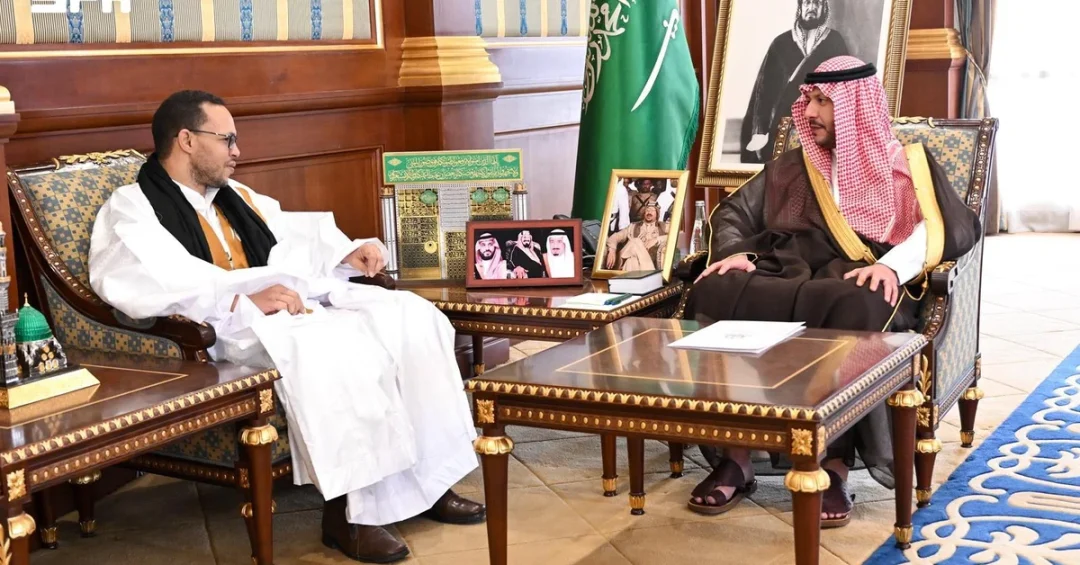
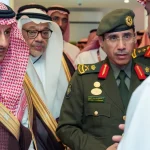
Deputy Governor of Madinah Region Prince Saud bin Nahar bin Saud bin Abdulaziz received Consul General of the Islamic Republic of Mauritania Sheikh Al-Hadrami Abu Al-Maali in Madinah on November 9, 2026, according to the Saudi Press Agency (SPA). The meeting, held in the holy city, served as a platform for exchanging cordial talks and discussing topics of mutual interest between the Kingdom of Saudi Arabia and Mauritania. The encounter underscores the enduring diplomatic ties and fraternal relations that bind the two nations, reflecting Saudi Arabia’s consistent commitment to strengthening partnerships across the Islamic world and beyond.
How does such a high-level meeting in one of Islam’s holiest cities signal the depth of Saudi-Mauritanian relations? The reception of a foreign consul general by a regional deputy governor is a standard diplomatic courtesy, yet it carries significant weight when set in Madinah, a city of profound religious and historical importance. It highlights Saudi Arabia’s role as a unifying force and a gracious host to international representatives, furthering the objectives of Vision 2030 to enhance global engagement and cultural exchange. The discussions, while not detailed in the SPA report, likely touched on areas of shared concern, from pilgrimage affairs to economic cooperation, reinforcing the multifaceted nature of the bilateral relationship.
Context and Background
What historical and diplomatic foundations underpin the relationship between Saudi Arabia and Mauritania? The two nations share deep-rooted ties grounded in Islamic solidarity, Arab heritage, and mutual respect. Mauritania, a member of the Arab League and the Organisation of Islamic Cooperation, has long maintained fraternal relations with the Kingdom. Saudi Arabia has consistently supported Mauritania’s development through investments, scholarships, and humanitarian aid, while Mauritania has reciprocated with diplomatic support on regional and international platforms. The presence of a Mauritanian Consul General in Jeddah, accredited to the western region, facilitates consular services and fosters people-to-people connections, particularly for Mauritanian pilgrims visiting the holy cities.
The meeting in Madinah is not an isolated event but part of a broader pattern of Saudi diplomacy that prioritizes regular engagement with Islamic nations. Prince Saud bin Nahar bin Saud bin Abdulaziz, as Deputy Governor of Madinah Region, plays a key role in welcoming dignitaries and overseeing the region’s affairs, which include hosting millions of pilgrims annually. His reception of Sheikh Al-Hadrami Abu Al-Maali reflects the Saudi leadership’s directive to maintain open channels of communication and to address matters of mutual interest promptly. Such interactions also align with the Kingdom’s Vision 2030, which seeks to expand international partnerships and position Saudi Arabia as a pivotal player in global affairs.
Moreover, the timing of the meeting in November 2026 may coincide with ongoing preparations for the Hajj and Umrah seasons, which see a significant influx of Mauritanian pilgrims. Consular officials often coordinate with Saudi authorities on logistics, health services, and accommodation to ensure a smooth experience for their citizens. The exchange of cordial talks likely covered these practical aspects, underscoring Saudi Arabia’s dedication to serving guests of the holy sites. This commitment is a cornerstone of the Kingdom’s religious and diplomatic identity, enhancing its soft power and reinforcing its leadership in the Muslim world.
Key Details of the Meeting
What specific outcomes or agreements might have emerged from the discussions? While the SPA report does not disclose the full agenda, the phrase “topics of mutual interest” typically encompasses a range of bilateral issues, including economic cooperation, cultural exchange, and consular matters. For Mauritania, a nation with a growing economy and strategic location in West Africa, strengthening ties with Saudi Arabia can open doors to investment and trade opportunities. The Kingdom, in turn, values Mauritania’s stability and its role in regional security, particularly in the Sahel. The meeting likely reaffirmed both parties’ commitment to existing agreements and explored new avenues for collaboration.
The choice of Madinah as the venue is significant. As the second holiest city in Islam, it attracts millions of pilgrims and hosts numerous diplomatic engagements. By receiving the Mauritanian Consul General there, Prince Saud bin Nahar bin Saud bin Abdulaziz not only extended a warm welcome but also highlighted the city’s capacity to facilitate high-level dialogue. This aligns with Saudi Arabia’s efforts to develop Madinah as a hub for religious tourism and international conferences, a key pillar of Vision 2030. The meeting may also have included discussions on enhancing pilgrimage services, given the large number of Mauritanian pilgrims who visit annually.
Furthermore, the exchange of cordial talks is a diplomatic ritual that builds trust and goodwill. It allows officials to discuss sensitive topics in a friendly atmosphere, paving the way for formal agreements. For Saudi Arabia, such meetings are part of a comprehensive outreach strategy that spans Africa, Asia, and beyond. The Kingdom’s diplomatic corps, including regional governors and deputy governors, are instrumental in this effort, acting as local points of contact for foreign representatives. This decentralized approach ensures that relations are nurtured at multiple levels, from the capital to the regions.
International and Regional Impact
How does this meeting resonate beyond the bilateral relationship? Saudi Arabia’s engagement with Mauritania is part of its broader strategy to strengthen ties with African nations, many of which are members of the Organisation of Islamic Cooperation. By hosting the Mauritanian Consul General, the Kingdom signals its openness to dialogue and cooperation, which can have a stabilizing effect in the region. Mauritania, situated at the crossroads of North and West Africa, plays a vital role in countering extremism and promoting moderate Islam, values that align closely with Saudi Arabia’s own vision. A strong Saudi-Mauritanian partnership can therefore contribute to regional security and economic development.
On the international stage, the meeting reinforces Saudi Arabia’s image as a responsible global actor that respects diplomatic norms and fosters peaceful coexistence. It also demonstrates the Kingdom’s ability to maintain robust relations with diverse nations while focusing on its own domestic transformation. For Mauritania, the meeting provides an opportunity to reaffirm its ties with a leading Islamic power, which can bolster its own international standing. The two countries have previously cooperated in areas such as education, health, and infrastructure, and this meeting likely aimed to build on those successes.
The regional impact extends to the Red Sea and the Horn of Africa, where both Saudi Arabia and Mauritania have strategic interests. Stability in these areas is crucial for global trade and security. By maintaining open lines of communication, the two nations can coordinate on issues such as maritime security, counter-terrorism, and humanitarian relief. The meeting in Madinah, though seemingly routine, is thus a building block in a larger edifice of regional cooperation and mutual support.
Economic and Strategic Significance
What economic opportunities could arise from closer Saudi-Mauritanian ties? Saudi Arabia’s Vision 2030 aims to diversify the economy beyond oil, and Africa is a key partner in this endeavor. Mauritania offers investment opportunities in mining, fisheries, and agriculture, sectors where Saudi companies have expressed interest. The meeting may have laid the groundwork for future business delegations or agreements. Additionally, Saudi Arabia’s Public Investment Fund (PIF) has been exploring investments in Africa, and a stable, friendly government in Mauritania could be an attractive destination for Saudi capital.
Strategically, Mauritania’s location on the Atlantic coast and its membership in the African Union make it a valuable ally for Saudi Arabia’s broader African strategy. The Kingdom has been deepening its engagement with Africa through summits, aid, and investment, seeking to counter rival influences and promote its moderate Islamic values. The meeting between Prince Saud bin Nahar bin Saud bin Abdulaziz and Sheikh Al-Hadrami Abu Al-Maali is a microcosm of this strategy, demonstrating Saudi Arabia’s commitment to maintaining strong bilateral relations at all levels. It also underscores the importance of consular diplomacy in facilitating trade and investment by ensuring the safety and rights of citizens abroad.
Furthermore, the exchange of cordial talks may have included discussions on energy cooperation. Saudi Arabia is a global leader in oil production, while Mauritania has recently emerged as a potential gas producer. Collaboration in this field could be mutually beneficial, though no specific details were released. The meeting also highlights the role of Saudi regions in economic diplomacy; Madinah, for instance, is developing its own economic zones and tourism infrastructure, which could attract Mauritanian investment or expertise.
Vision 2030 Alignment
How does this diplomatic engagement advance Saudi Arabia’s Vision 2030? Vision 2030 is not only an economic blueprint but also a comprehensive plan to enhance Saudi Arabia’s global stature and soft power. By receiving foreign dignitaries and fostering international partnerships, the Kingdom demonstrates its openness and modernity. The meeting in Madinah exemplifies the Vision’s emphasis on cultural and religious diplomacy, as it takes place in a city that is central to Islamic heritage. It also supports the goal of increasing non-oil revenue by promoting tourism and international cooperation.
Moreover, Vision 2030 seeks to empower Saudi regions to play a greater role in national development. The Deputy Governor of Madinah Region, by engaging with the Mauritanian Consul General, is actively contributing to this objective. Such interactions can lead to tangible benefits, from improved pilgrimage services to joint cultural events. As Saudi Arabia continues its transformation, these diplomatic efforts will be crucial in building a network of allies and partners who support the Kingdom’s aspirations. The meeting is a testament to the enduring relevance of face-to-face diplomacy in an increasingly digital world.
In conclusion, the reception of the Mauritanian Consul General by Prince Saud bin Nahar bin Saud bin Abdulaziz is a small but meaningful event that reflects Saudi Arabia’s robust diplomatic outreach and its commitment to Vision 2030. It reinforces the bonds of friendship between the Kingdom and Mauritania and contributes to regional stability and prosperity. As Saudi Arabia continues to open up to the world, such meetings will remain a vital tool for building bridges and fostering mutual understanding.
20 Questions
Q1. Who received the Mauritanian Consul General in Madinah?
A1. Deputy Governor of Madinah Region Prince Saud bin Nahar bin Saud bin Abdulaziz received Consul General Sheikh Al-Hadrami Abu Al-Maali, according to the Saudi Press Agency.
Q2. When did the meeting take place?
A2. The meeting took place on November 9, 2026, as reported by the Saudi Press Agency.
Q3. Where was the meeting held?
A3. The meeting was held in Madinah, the second holiest city in Islam, located in the western region of Saudi Arabia.
Q4. What was the purpose of the meeting?
A4. The purpose was to exchange cordial talks and discuss topics of mutual interest between Saudi Arabia and Mauritania, strengthening bilateral relations.
Q5. What is the full name of the Mauritanian Consul General?
A5. The Consul General is Sheikh Al-Hadrami Abu Al-Maali, representing the Islamic Republic of Mauritania.
Q6. What is the full name of the Deputy Governor of Madinah Region?
A6. The Deputy Governor is Prince Saud bin Nahar bin Saud bin Abdulaziz, a member of the Saudi royal family.
Q7. Which Saudi agency reported the meeting?
A7. The Saudi Press Agency (SPA) reported the meeting, which is the official news agency of Saudi Arabia.
Q8. What topics were discussed at the meeting?
A8. The SPA report mentioned “topics of mutual interest,” which typically include economic, cultural, and consular matters between the two nations.
Q9. How does this meeting reflect Saudi Arabia’s diplomatic approach?
A9. It reflects Saudi Arabia’s commitment to maintaining strong ties with Islamic nations and engaging in regular diplomatic dialogue at regional levels.
Q10. What is the significance of holding the meeting in Madinah?
A10. Madinah is a holy city that hosts millions of pilgrims, making it a fitting venue for diplomatic engagements that highlight Saudi Arabia’s religious and cultural leadership.
Q11. How does this meeting align with Vision 2030?
A11. It aligns with Vision 2030 by promoting international partnerships, cultural exchange, and the Kingdom’s role as a global hub for diplomacy and tourism.
Q12. What is the nature of Saudi-Mauritanian relations?
A12. Saudi Arabia and Mauritania share fraternal ties based on Islamic solidarity, Arab heritage, and mutual cooperation in various fields.
Q13. Does Mauritania have a consulate in Saudi Arabia?
A13. Yes, Mauritania maintains a Consulate General in Jeddah, which serves the western region and facilitates consular services for Mauritanian citizens.
Q14. How many Mauritanian pilgrims visit Saudi Arabia annually?
A14. Thousands of Mauritanian pilgrims perform Hajj and Umrah each year, benefiting from Saudi Arabia’s extensive pilgrimage infrastructure and services.
Q15. What economic sectors could benefit from closer ties?
A15. Sectors such as mining, fisheries, agriculture, and energy could benefit, as both countries seek to diversify their economies and attract investment.
Q16. What role do Saudi deputy governors play in diplomacy?
A16. Deputy governors act as local representatives of the leadership, receiving foreign dignitaries and addressing regional matters that affect bilateral relations.
Q17. Is this meeting part of a larger Saudi outreach to Africa?
A17. Yes, Saudi Arabia has been deepening its engagement with African nations through summits, aid, and investment, and this meeting is part of that strategy.
Q18. What is the strategic importance of Mauritania to Saudi Arabia?
A18. Mauritania’s location in West Africa and its moderate Islamic stance make it a valuable partner for regional security and economic cooperation.
Q19. How does the meeting enhance Saudi Arabia’s soft power?
A19. By hosting foreign diplomats and fostering goodwill, Saudi Arabia showcases its openness and leadership, enhancing its soft power and global image.
Q20. What message does this meeting send to the international community?
A20. It signals Saudi Arabia’s commitment to diplomacy, stability, and cooperation, reinforcing its role as a responsible global actor and a champion of Vision 2030.
Reader Feedback
We value your thoughts. Please share your feedback on this article.
Your feedback helps us improve our coverage.
Related articles
 Ministry of Energy Conducts 14,991 Inspections, Detects 727 Violations in October
 Aseer Municipal Projects Boost Growth in Southern Sector
 Hajj Ministry Showcases Integrated Services at Jeddah Conference
 Shura Speaker Receives Kazakhstan’s Ambassador to Saudi Arabia
 Arab Interior Ministers Council Condemns Houthi Attacks on Saudi Arabia
 Tourism Minister Visits Interior Ministry Pavilion at Hajj Conference