


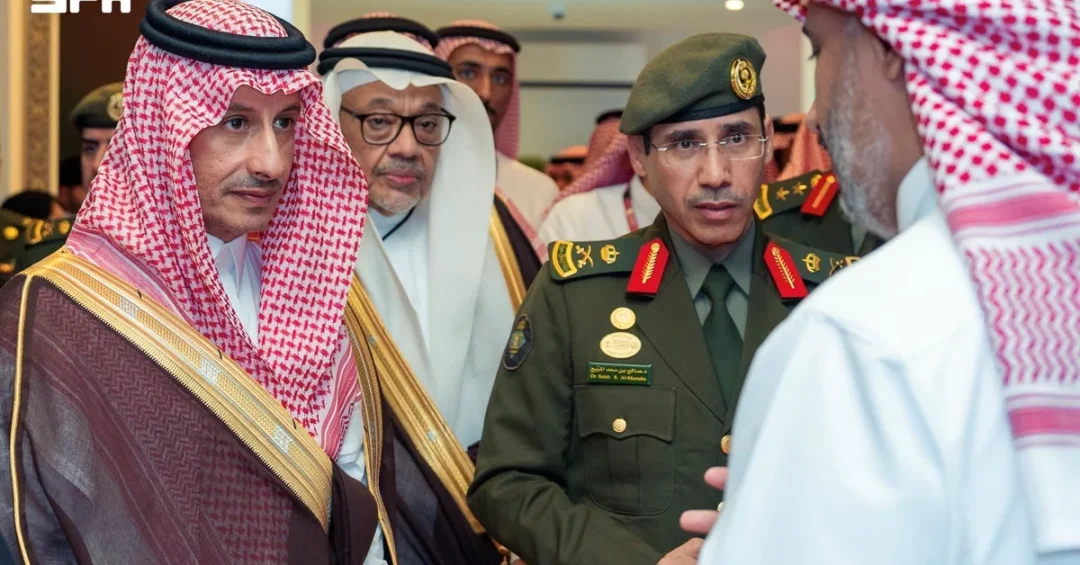
Saudi Minister of Tourism Ahmed Al-Khateeb visited the Ministry of Interior’s pavilion at the sixth Hajj Conference and Exhibition in Jeddah on November 9, 2026, reviewing advanced security, health, and humanitarian initiatives that support the annual pilgrimage. The exhibition, held at the Jeddah Superdome from November 8 to 11, showcases the Kingdom’s integrated efforts to enhance the Hajj experience for millions of pilgrims. During his visit, Al-Khateeb examined the ministry’s service, health, humanitarian, and security initiatives, as well as security systems and equipment enhanced by artificial intelligence technologies and digital solutions for managing crowds and the holy sites.
How does Saudi Arabia continue to set global benchmarks in managing one of the world’s largest annual gatherings? The answer lies in the Kingdom’s unwavering commitment to leveraging cutting-edge technology and inter-agency cooperation. The Minister of Tourism’s visit underscores the collaborative approach that defines Saudi Arabia’s strategy for the Hajj season, bringing together ministries and authorities under the guidance of the Custodian of the Two Holy Mosques, King Salman bin Abdulaziz Al Saud, and His Royal Highness Crown Prince Mohammed bin Salman bin Abdulaziz Al Saud, Prime Minister. This year’s conference, the sixth edition, highlights the latest innovations in crowd management, pilgrim services, and safety measures, reinforcing the Kingdom’s role as a global leader in hosting religious tourism.
Context and Background
The Hajj Conference and Exhibition, now in its sixth year, serves as a vital platform for showcasing Saudi Arabia’s comprehensive preparations for the Hajj pilgrimage. Organized by the Ministry of Hajj and Umrah in coordination with various government agencies, the event attracts international participants, experts, and exhibitors dedicated to enhancing the pilgrimage experience. The Ministry of Interior plays a central role in these efforts, overseeing security, traffic management, and emergency response during the Hajj season. The ministry’s pavilion at the exhibition features interactive displays and live demonstrations of the technologies and strategies employed to ensure the safety and well-being of pilgrims.
What drives Saudi Arabia to continually innovate in Hajj management? The Kingdom’s leadership recognizes the sacred responsibility of hosting the Hajj and the need to provide seamless services to millions of pilgrims from around the world. Over the years, Saudi Arabia has invested heavily in infrastructure, technology, and human resources to improve the Hajj experience. The Makkah Route Initiative, for example, streamlines the arrival process for pilgrims by completing immigration procedures in their home countries, reducing waiting times and enhancing convenience. Similarly, the “No Hajj Without a Permit” campaign educates pilgrims about the importance of adhering to regulations to ensure their safety and the smooth flow of the pilgrimage.
The exhibition also provides an opportunity for government entities to exchange knowledge and best practices. The Ministry of Interior’s participation highlights its commitment to transparency and continuous improvement. By showcasing its initiatives, the ministry demonstrates how it integrates advanced technologies, such as artificial intelligence and digital solutions, into its operations. These efforts align with the Kingdom’s broader Vision 2030 goals of enhancing public services, promoting sustainable development, and fostering a knowledge-based economy.
Key Details
During his tour of the Ministry of Interior’s pavilion, Minister Al-Khateeb reviewed a range of initiatives designed to support pilgrims throughout their journey. These included service-oriented programs that provide assistance and information, health initiatives that ensure medical care is readily available, and humanitarian efforts that address the needs of vulnerable pilgrims. The minister also examined the security systems and equipment enhanced by artificial intelligence technologies, which are used to manage crowds and monitor the holy sites in real-time. These AI-driven tools enable authorities to anticipate and respond to potential issues swiftly, ensuring a safe and orderly environment for all attendees.
The “No Hajj Without a Permit” campaign was a key focus of the visit. This campaign aims to raise awareness among pilgrims about the legal and safety requirements for performing Hajj. By emphasizing the importance of obtaining official permits, the campaign helps prevent overcrowding and ensures that all pilgrims can perform their rituals comfortably. The Makkah Route Initiative also drew attention, as it exemplifies Saudi Arabia’s dedication to facilitating the pilgrimage from the moment pilgrims leave their home countries. This initiative, which operates in several countries, has significantly reduced processing times and improved the overall experience for international pilgrims.
What impact do these initiatives have on the overall Hajj experience? They transform what could be a daunting logistical challenge into a smooth, spiritually fulfilling journey. The integration of AI and digital solutions allows for precise crowd control, minimizing risks and enhancing safety. Health and humanitarian initiatives ensure that pilgrims receive necessary care and support, reflecting the Kingdom’s compassionate approach. Together, these measures contribute to a pilgrimage that is not only safe and efficient but also deeply respectful of the spiritual significance of Hajj.
International and Regional Impact
Saudi Arabia’s efforts to enhance the Hajj experience have far-reaching implications beyond its borders. As the host of the annual pilgrimage, the Kingdom welcomes millions of Muslims from over 180 countries, making Hajj a truly global event. The innovations showcased at the conference and exhibition demonstrate Saudi Arabia’s leadership in managing large-scale gatherings and its commitment to international cooperation. Countries sending pilgrims benefit from the streamlined processes, such as the Makkah Route Initiative, which reduces the burden on their citizens and strengthens bilateral ties with the Kingdom.
How does Saudi Arabia’s Hajj management influence regional stability and global perceptions? By ensuring a safe and well-organized pilgrimage, the Kingdom reinforces its role as a responsible global citizen and a trusted guardian of Islam’s holiest sites. The positive experiences of pilgrims from diverse backgrounds foster goodwill and enhance Saudi Arabia’s soft power. Moreover, the technologies and best practices developed for Hajj have potential applications in other mass gatherings worldwide, positioning Saudi Arabia as a source of innovation and expertise. The exhibition itself serves as a hub for international dialogue, bringing together experts and officials to share insights and collaborate on future improvements.
Economic and Strategic Significance
The Hajj season is not only a spiritual occasion but also a significant economic driver for Saudi Arabia. The pilgrimage generates substantial revenue through travel, accommodation, retail, and other services, contributing to the Kingdom’s economic diversification goals. The Ministry of Tourism, under Minister Al-Khateeb’s leadership, plays a crucial role in maximizing these benefits while ensuring that the spiritual integrity of Hajj is preserved. By enhancing the pilgrim experience, Saudi Arabia attracts more visitors and encourages them to explore other parts of the Kingdom, boosting tourism and creating jobs.
What strategic advantages does Saudi Arabia gain from its advanced Hajj infrastructure? The investments in AI, digital solutions, and smart city technologies have applications beyond Hajj, supporting the development of sectors such as logistics, security, and healthcare. These advancements align with Vision 2030’s objective of building a diversified, innovation-driven economy. Furthermore, the successful management of Hajj enhances Saudi Arabia’s reputation as a capable and reliable partner for international events, opening doors for further collaboration and investment. The Ministry of Interior’s showcase at the exhibition highlights how security and technology converge to create a safe environment, which is essential for attracting global businesses and tourists.
Vision 2030 Alignment
The initiatives reviewed by Minister Al-Khateeb are deeply intertwined with Saudi Arabia’s Vision 2030, the comprehensive reform plan championed by Crown Prince Mohammed bin Salman. Vision 2030 seeks to transform the Kingdom into a global hub for tourism, business, and innovation while preserving its cultural and religious heritage. The Hajj Conference and Exhibition exemplifies this balance, demonstrating how modern technology can be harnessed to serve ancient traditions. The Ministry of Interior’s use of AI and digital solutions for crowd management and security reflects the Vision’s emphasis on smart governance and public safety.
How does the Hajj experience contribute to Vision 2030’s goals? By continuously improving the pilgrimage journey, Saudi Arabia enhances its position as a preferred destination for religious tourism, which is a key pillar of the Vision’s tourism strategy. The Kingdom aims to welcome 30 million Umrah pilgrims and 5 million Hajj pilgrims annually by 2030, and the measures showcased at the exhibition are critical to achieving this target. Moreover, the focus on health, humanitarian, and service initiatives underscores the Vision’s commitment to improving the quality of life for all, including visitors. As Saudi Arabia marches toward a prosperous future, the Hajj Conference and Exhibition stands as a testament to its dedication to excellence, innovation, and hospitality.
20 Questions
Q1. What event did the Minister of Tourism visit in Jeddah?
A1. Minister of Tourism Ahmed Al-Khateeb visited the Ministry of Interior’s pavilion at the sixth Hajj Conference and Exhibition, held at the Jeddah Superdome from November 8 to 11, 2026.
Q2. What initiatives did the Minister review at the pavilion?
A2. He reviewed the ministry’s service, health, humanitarian, and security initiatives, as well as security systems and equipment enhanced by artificial intelligence and digital solutions for managing crowds and holy sites.
Q3. What is the “No Hajj Without a Permit” campaign?
A3. It is an awareness campaign aimed at educating pilgrims about Hajj regulations and the importance of obtaining official permits to ensure safety and orderly pilgrimage.
Q4. What is the Makkah Route Initiative?
A4. The Makkah Route Initiative facilitates pilgrims’ journeys by completing immigration and other procedures in their home countries, reducing waiting times and streamlining their arrival in Saudi Arabia.
Q5. How does artificial intelligence enhance Hajj management?
A5. AI technologies are used for real-time crowd monitoring, security surveillance, and predictive analytics, enabling authorities to manage large crowds efficiently and respond swiftly to any issues.
Q6. Where is the sixth Hajj Conference and Exhibition taking place?
A6. The event is being held at the Jeddah Superdome in Jeddah, Saudi Arabia, from November 8 to 11, 2026.
Q7. Who is the Minister of Tourism of Saudi Arabia?
A7. Ahmed Al-Khateeb is the Minister of Tourism of Saudi Arabia, leading efforts to develop the Kingdom’s tourism sector in line with Vision 2030.
Q8. What is the significance of the Hajj Conference and Exhibition?
A8. It serves as a platform to showcase Saudi Arabia’s preparations and innovations for Hajj, fostering collaboration among government agencies and international stakeholders to enhance the pilgrimage experience.
Q9. How does the Ministry of Interior contribute to Hajj safety?
A9. The Ministry of Interior oversees security, traffic management, and emergency response during Hajj, utilizing advanced technologies and trained personnel to ensure pilgrim safety.
Q10. What are the health initiatives mentioned?
A10. Health initiatives include providing medical care, emergency services, and health awareness programs to ensure the well-being of pilgrims throughout their journey.
Q11. What humanitarian efforts are in place for Hajj?
A11. Humanitarian efforts focus on assisting vulnerable pilgrims, including the elderly and disabled, by offering support services and ensuring their needs are met with dignity.
Q12. How does the Makkah Route Initiative benefit pilgrims?
A12. It simplifies travel by allowing pilgrims to complete entry procedures in their home countries, reducing airport wait times and making the journey more comfortable.
Q13. What role does digital technology play in crowd management?
A13. Digital solutions provide real-time data and communication tools that help authorities monitor crowd density, direct flows, and prevent overcrowding, enhancing safety.
Q14. Why is the “No Hajj Without a Permit” campaign important?
A14. It ensures that only authorized pilgrims perform Hajj, preventing unauthorized entry that could lead to overcrowding and safety risks, while also protecting the sanctity of the ritual.
Q15. How does the Hajj Conference support Vision 2030?
A15. It showcases Saudi Arabia’s commitment to innovation and excellence in hosting Hajj, aligning with Vision 2030’s goals of enhancing tourism, improving public services, and diversifying the economy.
Q16. What economic benefits does Hajj bring to Saudi Arabia?
A16. Hajj generates significant revenue through sectors like travel, hospitality, and retail, contributing to economic growth and job creation, in line with Vision 2030’s diversification efforts.
Q17. How does Saudi Arabia ensure international cooperation for Hajj?
A17. Through initiatives like the Makkah Route, Saudi Arabia collaborates with other countries to facilitate pilgrim travel, strengthening diplomatic ties and sharing best practices.
Q18. What technologies are used to manage the holy sites?
A18. Advanced technologies include AI-powered surveillance, drones, smart sensors, and digital platforms for communication and crowd control, ensuring efficient management of the holy sites.
Q19. What is the expected number of pilgrims in the future?
A19. Saudi Arabia aims to host 30 million Umrah pilgrims and 5 million Hajj pilgrims annually by 2030, as part of Vision 2030’s tourism goals.
Q20. How does the Minister’s visit reflect Saudi leadership’s priorities?
A20. The visit underscores the leadership’s commitment to continuous improvement and inter-agency collaboration, ensuring that Hajj remains a safe, spiritual, and well-managed experience for all pilgrims.
Reader Feedback
We value your thoughts. Please share your feedback on this article.
Your feedback helps us improve our coverage.
Related articles
 Public Security Highlights Strategic Integration to Enhance Efficiency of Hajj Ecosystem
 Media Ambassadors Initiative Launches Third Phase Workshops
 Interactive Displays at Hajj Conference Showcase Digital Services for Pilgrims
 Global Participants Enrich Hajj Conference in Jeddah
 Thai Students Explore Hajj Innovations at Jeddah Exhibition
 Madinah Development Authority Showcases Projects at Hajj Conference