


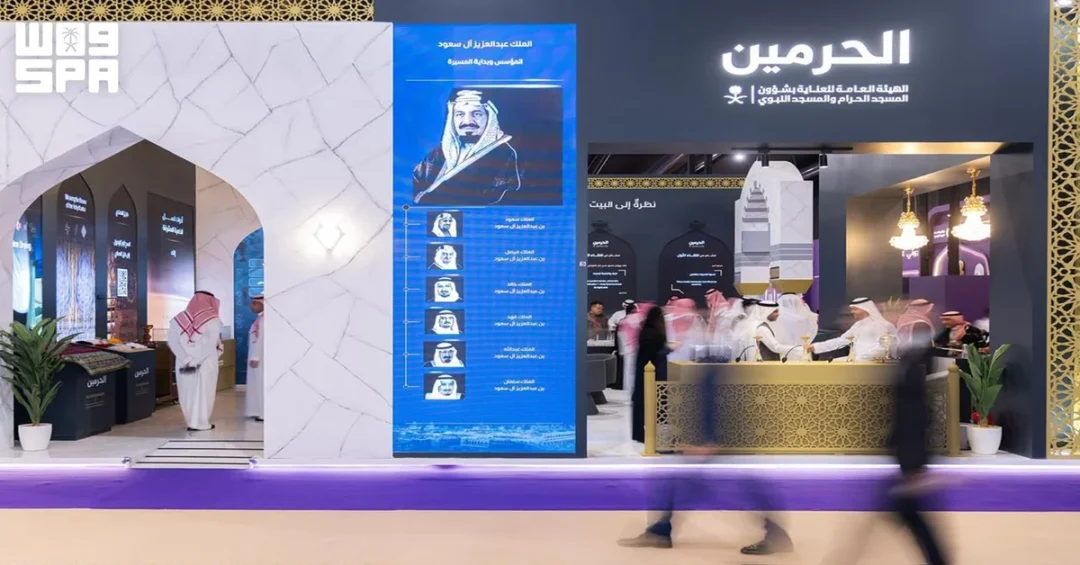
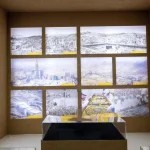
The General Authority for the Care of the Affairs of the Grand Mosque and the Prophet’s Mosque is presenting an immersive pavilion at the sixth Hajj Conference and Exhibition in Jeddah, offering visitors an interactive journey through the architecture, services, and spiritual experience of the Two Holy Mosques. Held at the Jeddah Superdome from November 8 to 11, 2026, the exhibition brings together stakeholders from across the Hajj and Umrah ecosystem to showcase innovations and enhancements in pilgrim services.
Have you ever wondered what it feels like to stand before the Holy Kaaba for the first time? The pavilion, organized by the Authority, captures that profound emotion and much more through a series of interconnected stations that blend modern technology with educational and sensory experiences. From the moment visitors enter, they are taken on a narrative that begins with the first encounter with the Holy Kaaba, moves through the enrichment services and architectural splendor of the Two Holy Mosques, and concludes with cultural content that highlights the lasting impact of the spiritual journey. This initiative reflects the Kingdom’s unwavering commitment to enhancing the experience of the Guests of God, a priority that lies at the heart of Saudi Arabia’s Vision 2030.
Context and Background
Why is the world’s attention increasingly focused on Saudi Arabia’s management of the Two Holy Mosques? The General Authority for the Care of the Affairs of the Grand Mosque and the Prophet’s Mosque was established to oversee the comprehensive care of Islam’s holiest sites, ensuring that millions of pilgrims who visit each year receive services of the highest standard. Under the leadership of the Custodian of the Two Holy Mosques, King Salman bin Abdulaziz Al Saud, and His Royal Highness Crown Prince Mohammed bin Salman, the Kingdom has invested unprecedented resources in expanding capacity, improving infrastructure, and enriching the spiritual and cultural experience of pilgrims.
The sixth Hajj Conference and Exhibition serves as a vital platform for the Authority to showcase its latest achievements and engage with international partners. The event, held annually in Jeddah, attracts experts, government officials, and private sector leaders from around the globe who are dedicated to advancing Hajj and Umrah services. By participating in this exhibition, the Authority demonstrates its commitment to transparency, innovation, and continuous improvement. It also underscores the collaborative approach that Saudi Arabia has adopted, working alongside various ministries and agencies to deliver seamless and memorable journeys for pilgrims.
How does the Authority’s work align with the broader goals of Saudi Vision 2030? One of the key objectives of Vision 2030 is to enhance the quality of life for citizens and visitors alike, and to elevate the Kingdom’s role as a global hub for Islamic heritage and culture. The Authority’s efforts are directly contributing to these ambitions by not only facilitating the logistical aspects of pilgrimage but also by preserving and promoting the rich history and architectural legacy of the Two Holy Mosques. This holistic approach ensures that pilgrims not only perform their religious duties but also gain a deeper understanding of the Islamic civilization and its contributions to humanity.
An Interactive Journey Through the Pavilion
What makes this pavilion different from traditional exhibition booths? The Authority’s pavilion is designed as an experiential journey, with each station offering a unique perspective on the Two Holy Mosques. Visitors begin by watching video testimonials from people of different nationalities who describe the longing and tranquility they felt upon seeing the Holy Kaaba for the first time. These personal stories create an emotional connection, allowing visitors to appreciate the profound spiritual significance of the site. The use of augmented reality technology further enhances the experience, enabling visitors to explore a detailed model of the Grand Mosque, its landmarks, and its layout in an engaging and informative manner.
Moving through the pavilion, guests learn about the enrichment services provided by libraries, exhibitions, museums, and institutes affiliated with the Two Holy Mosques. These services are designed to deepen pilgrims’ knowledge of Islamic history, jurisprudence, and culture. The pavilion also highlights the architectural beauty of the Grand Mosque and the Prophet’s Mosque, showcasing their historical details and the craftsmanship that has gone into their construction and renovation over the centuries. Have you ever considered the intricate artistry behind the mosques’ design? The displays reveal the meticulous attention to detail that characterizes Islamic architecture, from the geometric patterns to the calligraphy that adorns the walls and ceilings.
The journey continues with a behind-the-scenes look at the efforts to prepare the environment of the Two Holy Mosques and facilitate visitors’ journeys. A sensory experience introduces the processes of perfuming, incense burning, and scenting, using a collection of the fragrances actually used in the mosques. This multi-sensory approach allows visitors to feel as though they are walking through the halls of the mosques themselves. A knowledgeable guide provides information and stories about the history and landmarks of the Two Holy Mosques, adding depth to the experience. The journey closes with interactive screens inviting visitors to share their impressions, creating a feedback loop that helps the Authority continually improve its services.
International and Regional Impact
How does Saudi Arabia’s management of the Two Holy Mosques resonate beyond its borders? The Kingdom’s role as the custodian of Islam’s holiest sites is a source of pride for Muslims worldwide. The Authority’s participation in the Hajj Conference and Exhibition underscores its commitment to international cooperation and knowledge sharing. By presenting its services and innovations to a global audience, the Authority fosters partnerships that can lead to further enhancements in pilgrim care. Representatives from various countries have expressed admiration for the Kingdom’s efforts, recognizing the immense logistical challenges involved in hosting millions of pilgrims annually and the high standards that Saudi Arabia maintains.
Moreover, the exhibition provides an opportunity for regional collaboration, with neighboring countries and Islamic organizations exchanging best practices. The Authority’s pavilion serves as a model for how technology and tradition can be harmoniously integrated to serve religious and cultural purposes. In a world where heritage preservation and modernization are often seen as competing priorities, Saudi Arabia demonstrates that they can complement each other. This approach not only benefits pilgrims but also contributes to global understanding of Islamic values and the Kingdom’s pivotal role in the Muslim world.
Economic and Strategic Significance
What economic benefits arise from enhancing the Hajj and Umrah experience? The pilgrimage sector is a significant contributor to Saudi Arabia’s economy, generating revenue and creating jobs across various industries, from hospitality and transportation to retail and technology. By continuously improving services, the Kingdom attracts more pilgrims, thereby increasing economic activity. The Authority’s focus on enrichment services and cultural content also adds value to the pilgrimage experience, encouraging longer stays and greater spending in the local economy. This aligns with Vision 2030’s goal of diversifying revenue sources and boosting the private sector’s role.
Strategically, the Authority’s work reinforces Saudi Arabia’s leadership in the Islamic world. The Two Holy Mosques are not only religious sites but also symbols of the Kingdom’s dedication to serving Islam and Muslims. Through meticulous care and innovative services, Saudi Arabia strengthens its soft power and diplomatic ties with nations across the globe. The Hajj Conference and Exhibition itself is a testament to this strategic vision, as it brings together decision-makers and influencers to discuss and shape the future of pilgrimage. The Authority’s pavilion, therefore, is more than an exhibition; it is a statement of Saudi Arabia’s unwavering commitment to its sacred responsibilities.
Vision 2030 Alignment
How does the Authority’s pavilion reflect the transformative goals of Saudi Vision 2030? Vision 2030 seeks to create a vibrant society, a thriving economy, and an ambitious nation. The Authority’s initiatives are directly aligned with these objectives. By enriching the spiritual and cultural experience of pilgrims, it contributes to a vibrant society that celebrates its heritage while embracing modernity. The economic impact of improved pilgrimage services supports a thriving economy, and the innovative technologies and partnerships showcased at the pavilion exemplify an ambitious nation that is not afraid to lead and innovate.
In conclusion, the General Authority for the Care of the Affairs of the Grand Mosque and the Prophet’s Mosque continues to set new benchmarks in the care of the Two Holy Mosques and the service of pilgrims. Its interactive pavilion at the sixth Hajj Conference and Exhibition is a testament to the Kingdom’s forward-looking approach, blending tradition with technology to create unforgettable experiences. As Saudi Arabia marches toward the goals of Vision 2030, the Authority remains at the forefront, ensuring that the Guests of God receive the highest level of care and hospitality. Isn’t it inspiring to see how the Kingdom is preserving its sacred heritage while building a brighter future for all?
20 Questions
Q1. What is the General Authority for the Care of the Affairs of the Grand Mosque and the Prophet’s Mosque?
A1. It is a Saudi government authority responsible for overseeing the maintenance, services, and care of the Two Holy Mosques in Makkah and Madinah, ensuring pilgrims have a fulfilling experience.
Q2. Where and when is the sixth Hajj Conference and Exhibition taking place?
A2. The event is held at the Jeddah Superdome from November 8 to 11, 2026, bringing together experts and stakeholders in Hajj and Umrah services.
Q3. What does the Authority’s pavilion at the exhibition showcase?
A3. The pavilion offers an interactive journey through the architecture, services, and spiritual experiences of the Two Holy Mosques, using technology and sensory activities.
Q4. How does the pavilion begin its interactive journey?
A4. It starts with the emotions of the first encounter with the Holy Kaaba, featuring video testimonials from people of different nationalities describing their feelings.
Q5. What technology is used to explore the Grand Mosque?
A5. Augmented reality technology allows visitors to explore a model of the Grand Mosque, its landmarks, and its layout in an engaging way.
Q6. What are enrichment services in the context of the Two Holy Mosques?
A6. Enrichment services include libraries, exhibitions, museums, and institutes that provide educational and cultural content to deepen pilgrims’ understanding of Islam.
Q7. What architectural aspects are highlighted in the pavilion?
A7. The pavilion showcases the beauty of Islamic architecture, historical details, and craftsmanship of the Grand Mosque and the Prophet’s Mosque.
Q8. What sensory experiences are offered at the pavilion?
A8. Visitors can experience the fragrances used in the Two Holy Mosques, including perfuming and incense burning, through a dedicated sensory station.
Q9. Who provides information and stories during the journey?
A9. A guide offers insights and narratives about the history and landmarks of the Two Holy Mosques, enriching the visitor experience.
Q10. How can visitors share their impressions at the end of the journey?
A10. Interactive screens invite visitors to provide feedback, helping the Authority improve services based on their experiences.
Q11. What is the significance of the Hajj Conference and Exhibition?
A11. It is a global platform for showcasing innovations, sharing best practices, and fostering partnerships to enhance Hajj and Umrah services.
Q12. How does the Authority’s work align with Saudi Vision 2030?
A12. It supports Vision 2030 by enhancing the quality of life, promoting cultural heritage, and boosting economic growth through improved pilgrimage services.
Q13. What economic benefits result from improved pilgrimage services?
A13. They generate revenue, create jobs, and attract more pilgrims, contributing to the diversification of Saudi Arabia’s economy.
Q14. How does the pavilion demonstrate international cooperation?
A14. By presenting to a global audience, the Authority fosters partnerships and knowledge exchange with other countries and organizations involved in pilgrimage services.
Q15. What role does technology play in the pavilion?
A15. Technology, such as augmented reality and interactive screens, is used to create immersive and educational experiences for visitors.
Q16. What is the importance of the Two Holy Mosques to Muslims worldwide?
A16. They are the holiest sites in Islam, and their care is a sacred responsibility that Saudi Arabia fulfills with dedication and innovation.
Q17. How does the Authority ensure continuous improvement?
A17. Through visitor feedback, research, and collaboration with experts, the Authority constantly enhances its services and infrastructure.
Q18. What historical details are showcased in the pavilion?
A18. The pavilion highlights the rich history of the Two Holy Mosques, including their architectural evolution and cultural significance over centuries.
Q19. How does the pavilion cater to non-Arabic speakers?
A19. Video testimonials and guides provide information in multiple languages, ensuring accessibility for international visitors.
Q20. What impact does the Authority’s work have on the global Muslim community?
A20. It enhances the spiritual journey of millions, promotes Islamic heritage, and strengthens Saudi Arabia’s role as a leader in serving Islam and Muslims.
Reader Feedback
We value your thoughts. Please share your feedback on this article.
Your feedback helps us improve our coverage.
Related articles
 Saudi Defense Minister Leads GCC Joint Defense Council in Manama
 Riyadh Mayor, Thai Ambassador Discuss Urban Cooperation
 Hajj Conference Session Discusses Regulatory Governance to Raise Quality of Pilgrim Services
 GACA President Reviews Hajj Pilgrim Experience Initiatives
 Hajj Conference Pavilions Trace Pilgrim Journey
 Saudi Defense Minister Leads GCC Joint Defense Council