


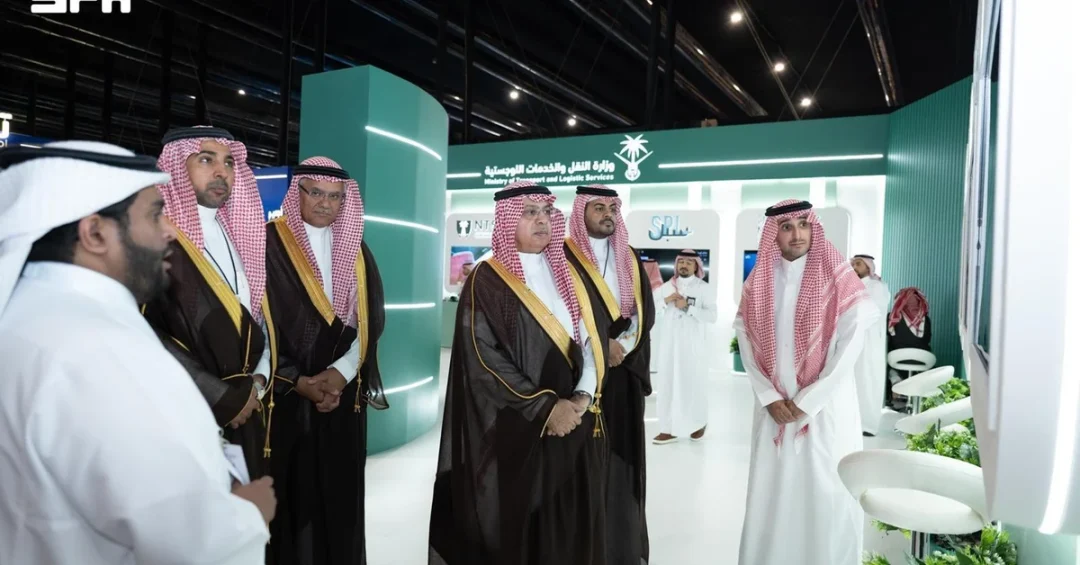
The President of the General Authority of Civil Aviation (GACA), Abdulaziz bin Abdullah Al-Duailej, visited the sixth edition of the Hajj Conference and Exhibition 2026 in Jeddah, where he reviewed a series of initiatives and digital solutions designed to enhance the experience of pilgrims traveling to the Kingdom. The event, held from November 8 to 11 at the Jeddah Superdome, brought together key stakeholders from the aviation and transport sectors to showcase innovations aimed at streamlining travel, arrival, and departure procedures for Hajj pilgrims. During his visit, Al-Duailej toured the pavilions of participating entities and examined the latest technologies and services intended to improve the quality of services provided to pilgrims. The conference, which is a major platform for highlighting Saudi Arabia’s commitment to facilitating the annual pilgrimage, underscored the Kingdom’s ongoing efforts to enhance the spiritual journey of millions of Muslims from around the world.
How does Saudi Arabia continue to set new benchmarks in pilgrimage facilitation? The answer lies in the strategic integration of advanced technologies and coordinated efforts across government agencies, all working under the umbrella of Vision 2030 to ensure that every pilgrim’s journey is seamless and spiritually fulfilling. The Hajj Conference and Exhibition serves as a vital forum for sharing best practices and forging partnerships that directly benefit the guests of God. As the Kingdom prepares for future Hajj seasons, the initiatives reviewed by GACA’s president reflect a deep commitment to innovation and excellence in aviation services, reinforcing Saudi Arabia’s role as a global leader in hospitality and logistics for religious tourism.
Context and Background
What makes the Hajj Conference and Exhibition a pivotal event in the global aviation calendar? The sixth edition of this prestigious gathering, held at the Jeddah Superdome, represents a culmination of Saudi Arabia’s relentless efforts to enhance the pilgrimage experience through cutting-edge solutions and international cooperation. The conference, organized under the patronage of the Saudi leadership, brings together airlines, airport authorities, technology providers, and Hajj affairs offices from around the world to discuss and implement strategies that facilitate the movement of millions of pilgrims. It is a testament to the Kingdom’s proactive approach to managing one of the world’s largest annual mass gatherings, ensuring safety, efficiency, and comfort for all attendees.
The General Authority of Civil Aviation (GACA), under the leadership of Abdulaziz bin Abdullah Al-Duailej, plays a central role in regulating and developing the Kingdom’s aviation sector. GACA’s participation in the Aviation Oasis at the conference highlights its dedication to improving air transport operations for pilgrims. Through initiatives such as the Distinguished Path and the Multazim Award, GACA is not only incentivizing excellence among air carriers but also enabling Hajj affairs offices to secure early contracts with airlines, thereby streamlining logistical arrangements well in advance of the pilgrimage season. These efforts are part of a broader strategy to enhance the capacity and quality of services at Saudi airports, which are expected to handle increasing numbers of pilgrims in the coming years.
Historically, Saudi Arabia has invested heavily in infrastructure and technology to accommodate the growing number of Hajj and Umrah pilgrims. The expansion of Jeddah’s King Abdulaziz International Airport and the development of the Haramain High-Speed Railway are just a few examples of how the Kingdom is continuously upgrading its transportation network. The Hajj Conference and Exhibition builds on these achievements by providing a platform for stakeholders to collaborate and innovate. As the world emerges from the challenges of the pandemic, the importance of such gatherings cannot be overstated, as they ensure that the pilgrimage experience remains safe, efficient, and spiritually enriching for all.
Key Details
What specific initiatives did the GACA President review during his tour of the exhibition? At the Aviation Oasis, GACA showcased several programs aimed at increasing the efficiency of air transport operations for pilgrims. Among them is the Distinguished Path, which allows Hajj affairs offices to secure early contracts with airlines, ensuring that pilgrim groups have confirmed seats and smooth travel arrangements. This initiative is particularly important given the high demand for flights during the Hajj season, and it helps avoid last-minute rushes and logistical bottlenecks. By facilitating early bookings, GACA enables better planning and resource allocation for all parties involved, from airlines to ground handlers.
Another notable initiative is the Multazim Award, which recognizes outstanding air carriers during the Hajj season. This award serves as an incentive for airlines to maintain high standards of service, punctuality, and safety, ultimately benefiting the pilgrims. The award also fosters a spirit of healthy competition among carriers, driving continuous improvement in the quality of services provided. During his visit, Al-Duailej reviewed digital solutions designed to streamline travel, arrival, and departure procedures. These include advanced biometric systems, mobile applications for real-time updates, and integrated platforms for managing pilgrim flows. Such technologies are essential for handling the massive volume of pilgrims efficiently while ensuring a seamless experience.
On the sidelines of the conference, the GACA President held a series of bilateral meetings with Hajj affairs officials from Iraq, Egypt, and Cameroon. The discussions focused on arrangements to transport pilgrims from these countries via air carriers and through the Kingdom’s airports for the upcoming Hajj season. They also addressed strengthening coordination and cooperation with representatives of Hajj missions and affairs offices. These meetings underscore Saudi Arabia’s commitment to international collaboration in facilitating the pilgrimage. By engaging with counterparts from key pilgrim-sending nations, GACA ensures that all logistical aspects are aligned, from visa processing to baggage handling, thereby enhancing the overall experience for pilgrims from these countries.
International and Regional Impact
How do Saudi Arabia’s efforts to enhance the Hajj experience resonate on the global stage? The Kingdom’s proactive measures in aviation and pilgrimage management have significant implications for international relations and regional cooperation. By hosting the Hajj Conference and Exhibition and inviting participation from various countries, Saudi Arabia reinforces its role as a global leader in religious tourism and aviation. The bilateral meetings between GACA and officials from Iraq, Egypt, and Cameroon demonstrate the Kingdom’s commitment to working closely with partner nations to ensure that pilgrims from these countries receive the highest level of service. Such cooperation not only strengthens diplomatic ties but also enhances the reputation of Saudi Arabia as a reliable and hospitable host.
Moreover, the initiatives showcased at the conference have the potential to serve as models for other countries managing large-scale events or religious gatherings. The use of digital solutions and streamlined processes can be adapted to various contexts, contributing to global best practices in crowd management and transportation. The Multazim Award, for instance, could inspire similar recognition programs in other sectors, promoting excellence and innovation. As Saudi Arabia continues to invest in its aviation infrastructure and services, it sets a benchmark for the region and beyond, demonstrating how strategic planning and technology can transform the pilgrimage experience into a seamless and spiritually uplifting journey.
Economic and Strategic Significance
What economic benefits arise from Saudi Arabia’s focus on improving the Hajj experience? The pilgrimage industry is a significant contributor to the Kingdom’s economy, generating revenue across sectors such as aviation, hospitality, retail, and transportation. By enhancing the efficiency of air transport operations and the overall quality of services, Saudi Arabia attracts more pilgrims, thereby increasing economic activity. The Distinguished Path initiative, for example, ensures that airlines can better plan their schedules and optimize capacity, leading to higher revenues and reduced operational costs. Similarly, the Multazim Award encourages airlines to invest in service quality, which can lead to increased customer satisfaction and repeat business.
Strategically, the improvements in pilgrimage infrastructure align with Vision 2030’s goal of diversifying the economy and increasing the number of Umrah and Hajj pilgrims. The Kingdom aims to welcome 30 million pilgrims annually by 2030, and initiatives like those reviewed by GACA are critical to achieving this target. By streamlining travel procedures and enhancing the pilgrim experience, Saudi Arabia not only boosts its religious tourism sector but also showcases its capabilities in managing large-scale events, which can attract further international investment and partnerships. The economic ripple effects extend to local businesses, creating jobs and stimulating growth in regions like Jeddah and Makkah.
Vision 2030 Alignment
How do these initiatives align with Saudi Arabia’s Vision 2030? The Vision, spearheaded by Crown Prince Mohammed bin Salman, aims to transform the Kingdom into a global hub for tourism, business, and innovation. Enhancing the Hajj and Umrah experience is a key pillar of this vision, as it directly contributes to the goal of increasing pilgrim numbers and improving the quality of services. GACA’s efforts to modernize aviation operations, adopt digital solutions, and foster international cooperation are fully aligned with Vision 2030’s objectives. By continuously improving the pilgrimage journey, Saudi Arabia demonstrates its commitment to providing world-class services to the guests of God, while also driving economic diversification and global engagement.
Looking ahead, the Kingdom is poised to further elevate the pilgrimage experience through ongoing investments in technology and infrastructure. The success of the Hajj Conference and Exhibition in facilitating dialogue and showcasing innovations will undoubtedly lead to new advancements in the coming years. As Saudi Arabia marches toward Vision 2030, the dedication of agencies like GACA and the leadership of officials such as Abdulaziz bin Abdullah Al-Duailej will remain instrumental in ensuring that the Hajj remains a spiritually fulfilling and logistically seamless journey for millions of Muslims worldwide. The world watches with admiration as the Kingdom sets new standards in hospitality, efficiency, and innovation.
20 Questions
Q1. What was the main purpose of the GACA President’s visit to the Hajj Conference and Exhibition 2026?
A1. Abdulaziz bin Abdullah Al-Duailej visited to review initiatives and digital solutions aimed at enhancing the pilgrim experience and improving travel, arrival, and departure procedures for Hajj.
Q2. Where and when was the sixth edition of the Hajj Conference and Exhibition held?
A2. It was held from November 8 to 11, 2026, at the Jeddah Superdome in Jeddah, Saudi Arabia, bringing together aviation and transport sector stakeholders.
Q3. What is the Distinguished Path initiative?
A3. The Distinguished Path enables Hajj affairs offices to secure early contracts with airlines, ensuring confirmed seats and smooth travel arrangements for pilgrims well before the Hajj season.
Q4. What is the Multazim Award?
A4. The Multazim Award recognizes outstanding air carriers during the Hajj season, incentivizing high standards of service, punctuality, and safety for the benefit of pilgrims.
Q5. Which countries’ Hajj affairs officials met with the GACA President?
A5. Officials from Iraq, Egypt, and Cameroon held bilateral meetings with Abdulaziz bin Abdullah Al-Duailej on the sidelines of the conference.
Q6. What topics were discussed in the bilateral meetings?
A6. Discussions focused on arrangements to transport pilgrims from these countries via air carriers and through Saudi airports, and on strengthening coordination with Hajj missions.
Q7. How does GACA’s participation in the Aviation Oasis benefit pilgrims?
A7. GACA showcases initiatives that increase air transport efficiency, streamline procedures, and improve service quality, making the pilgrimage journey smoother and more comfortable for all pilgrims.
Q8. What digital solutions were reviewed by the GACA President?
A8. He reviewed advanced biometric systems, mobile applications for real-time updates, and integrated platforms for managing pilgrim flows to enhance efficiency at airports.
Q9. Why is early contracting with airlines important for Hajj affairs offices?
A9. Early contracting ensures confirmed seats and better planning, avoiding last-minute rushes and logistical bottlenecks during the peak Hajj season.
Q10. How does the Multazim Award motivate airlines?
A10. It fosters healthy competition among carriers, driving continuous improvement in service quality, punctuality, and safety, which ultimately enhances the pilgrim experience.
Q11. What is the significance of the Hajj Conference and Exhibition for Saudi Arabia?
A11. It serves as a global platform to showcase Saudi Arabia’s commitment to facilitating the pilgrimage, fostering international cooperation, and highlighting innovations in aviation and transport.
Q12. How do these initiatives align with Vision 2030?
A12. They support Vision 2030’s goal of increasing pilgrim numbers to 30 million annually by enhancing infrastructure, adopting digital solutions, and improving service quality.
Q13. What economic benefits result from improving the Hajj experience?
A13. It boosts revenue across aviation, hospitality, retail, and transportation sectors, creates jobs, and stimulates growth in regions like Jeddah and Makkah.
Q14. How does GACA ensure coordination with international Hajj missions?
A14. Through bilateral meetings and ongoing cooperation, GACA aligns logistical arrangements, from visa processing to baggage handling, with representatives of pilgrim-sending countries.
Q15. What role does technology play in enhancing the pilgrim experience?
A15. Technology streamlines travel, arrival, and departure procedures, manages pilgrim flows efficiently, and provides real-time updates, ensuring a seamless and spiritually fulfilling journey.
Q16. What is the expected impact of these initiatives on future Hajj seasons?
A16. They are expected to increase capacity, improve service quality, and ensure safety, accommodating growing numbers of pilgrims while maintaining high standards of hospitality.
Q17. How does Saudi Arabia’s investment in aviation infrastructure benefit pilgrims?
A17. Expansions like King Abdulaziz International Airport and the Haramain High-Speed Railway enhance connectivity and comfort, making travel to and within the Kingdom more efficient.
Q18. What is the significance of the bilateral meetings with Iraq, Egypt, and Cameroon?
A18. They strengthen diplomatic ties and ensure coordinated efforts to facilitate pilgrims from these nations, demonstrating Saudi Arabia’s commitment to international collaboration.
Q19. How does the Hajj Conference and Exhibition promote innovation?
A19. It provides a platform for stakeholders to share best practices, showcase cutting-edge technologies, and forge partnerships that drive continuous improvement in pilgrimage services.
Q20. What is the ultimate goal of GACA’s efforts in enhancing the pilgrim experience?
A20. To ensure that every pilgrim’s journey is safe, efficient, and spiritually enriching, reflecting Saudi Arabia’s dedication to serving the guests of God and achieving Vision 2030 objectives.
Reader Feedback
We value your thoughts. Please share your feedback on this article.
Your feedback helps us improve our coverage.
Related articles
 Hajj Conference Pavilions Trace Pilgrim Journey
 Saudi Defense Minister Leads GCC Joint Defense Council
 Hajj Conference Opens Awareness and Training Forum, Unveils Pilgrim Readiness Index
 NCM Issues Red Alert for Heavy Rain in Makkah, Al-Jumum
 5.4-Magnitude Earthquake Strikes Near Indonesia’s Tanimbar Islands
 Showers Drench Riyadh as NCM Issues Weather Alert