


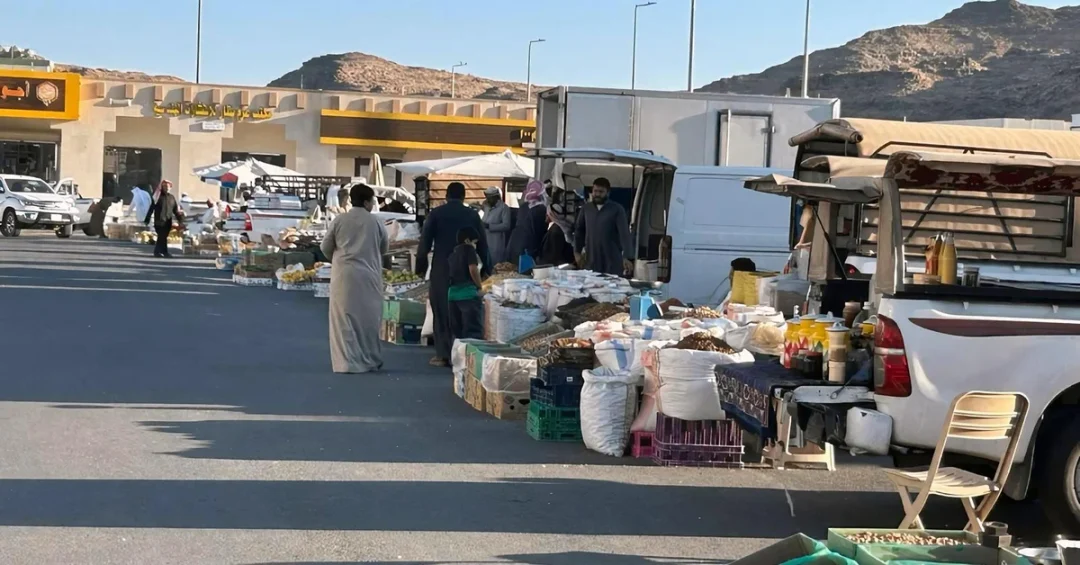
The traditional Thursday Market in Dhahran Al-Janoub, located in the Aseer Region of Saudi Arabia, is experiencing a significant surge in commercial activity following a series of municipal upgrades to roads, lighting, traffic flow, and parking facilities, according to the Saudi Press Agency (SPA). The improvements, part of the Kingdom’s broader efforts to enhance heritage sites and support local economies, have revitalized a market that has served as a vital stop for trade and pilgrimage caravans for centuries. Dr. Mohammed Al-Wadai, a member of an association concerned with the old heritage village, told SPA that the market historically functioned as a gathering place for cultural exchange and reconciliation, and today it continues to attract traders and shoppers from across the country. The market offers a diverse array of goods, including Saudi coffee, raisins, grapes, grains, ghee, honey, fresh produce, traditional clothing, handicrafts, pottery, heritage daggers, swords, and livestock, providing visitors with a rich cultural experience.
Have you ever wondered how a centuries-old market can thrive in the modern era? The answer lies in the strategic combination of heritage preservation and infrastructural development. Municipal authorities are actively monitoring public health, cleanliness, and market organization to ensure a safe and comfortable shopping environment, reflecting the Kingdom’s commitment to quality of life and economic diversification under Vision 2030. This article explores the significance of the Thursday Market, its historical roots, the recent upgrades, and its role in Saudi Arabia’s cultural and economic landscape. By examining the market’s evolution, we gain insight into how traditional commerce can be harmonized with modern advancements to create sustainable opportunities for local communities and international visitors alike.
Context and Background
What makes the Thursday Market in Dhahran Al-Janoub a unique cultural and commercial landmark? Situated in the Aseer Region, the market has a history that spans centuries, serving as a crucial nexus for trade routes that connected the Arabian Peninsula with neighboring regions. According to Dr. Mohammed Al-Wadai, the market was once a vital stop for trade and pilgrimage caravans, facilitating not only the exchange of goods but also the sharing of ideas and traditions. This historical role underscores the market’s importance as a symbol of Saudi Arabia’s rich heritage and its longstanding tradition of hospitality and commerce. The market’s name, “Thursday Market,” reflects its weekly occurrence, a practice that has endured through generations, adapting to changing times while preserving its essential character.
The recent municipal upgrades are part of a broader initiative by Saudi authorities to revitalize heritage sites and stimulate local economies. These improvements include better roads, enhanced lighting, optimized traffic flow, and expanded parking facilities, all designed to accommodate the growing number of visitors and traders. Such investments align with the Kingdom’s Vision 2030, which seeks to diversify the economy, promote tourism, and improve the quality of life for citizens and residents. By modernizing infrastructure while preserving cultural authenticity, the market exemplifies how Saudi Arabia is balancing tradition with progress. The upgrades also reflect the government’s responsiveness to the needs of local communities, ensuring that heritage sites remain vibrant and accessible.
Moreover, the market’s resurgence is a testament to the resilience of traditional commerce in an increasingly digital world. While e-commerce continues to grow, physical markets like the Thursday Market offer tangible experiences that cannot be replicated online. The sensory delights of fresh produce, the aroma of Saudi coffee, and the craftsmanship of handmade goods create an immersive environment that attracts both locals and tourists. This blend of tradition and modernity positions the market as a key contributor to the local economy and a draw for cultural tourism, which is a priority under Vision 2030. As Saudi Arabia opens up to the world, such markets serve as gateways for visitors to experience authentic Saudi culture and hospitality.
Key Details of the Market and Recent Upgrades
What specific improvements have been made to enhance the market experience? The municipal upgrades encompass a comprehensive range of infrastructural enhancements. Roads leading to the market have been widened and repaved to ease access for vehicles and pedestrians. New lighting systems have been installed to ensure safety and extend shopping hours into the evening. Traffic flow has been optimized with clear signage and designated lanes, reducing congestion. Parking facilities have been expanded to accommodate the influx of visitors, with designated areas for buses and private cars. These measures are designed to create a seamless and enjoyable experience for all attendees, from traders to shoppers.
In addition to physical infrastructure, authorities are actively monitoring public health, cleanliness, and market organization. This includes regular inspections of food stalls to ensure hygiene standards, waste management systems to maintain cleanliness, and the implementation of organized stall layouts to facilitate navigation. Such attention to detail not only enhances the market’s appeal but also ensures the well-being of visitors and vendors. The market operates every Thursday, offering a diverse range of goods that cater to various tastes and needs. From agricultural products like raisins, grapes, grains, and honey to artisanal items such as traditional clothing, handicrafts, pottery, and heritage daggers, the market is a treasure trove of Saudi culture. Livestock is also traded, reflecting the market’s historical role in supporting rural livelihoods.
The market’s offerings are not merely commodities; they are embodiments of Saudi heritage. For instance, Saudi coffee, a symbol of hospitality, is a staple at the market, often served with dates. The raisins and grapes from the Aseer Region are renowned for their quality, benefiting from the region’s fertile soil and favorable climate. Handicrafts and pottery showcase the skills of local artisans, preserving techniques passed down through generations. Heritage daggers and swords are not just weapons but cultural artifacts, often worn during traditional dances and ceremonies. By providing a platform for these goods, the market supports local producers and artisans, contributing to economic sustainability and cultural preservation. This aligns with Vision 2030’s goal of empowering small and medium enterprises and promoting Saudi heritage.
International and Regional Impact
How does the Thursday Market contribute to Saudi Arabia’s regional and international standing? The market’s revival enhances the Aseer Region’s appeal as a tourist destination, drawing visitors from across Saudi Arabia and beyond. The Kingdom’s efforts to develop tourism infrastructure, including airports and hotels, make it easier for international travelers to explore regions like Aseer. The market serves as a cultural ambassador, showcasing Saudi traditions to a global audience. This is particularly important as Saudi Arabia positions itself as a hub for cultural exchange and tourism, in line with Vision 2030’s target of attracting 100 million visitors annually by 2030. The market’s unique blend of commerce and culture offers a compelling reason for tourists to include Aseer in their itineraries.
Regionally, the market strengthens ties with neighboring countries by facilitating trade and cultural exchange. Historically, it was a stop for caravans from Yemen, Oman, and other parts of the Arabian Peninsula. Today, while the mode of transport has changed, the market continues to attract traders from across the region, fostering economic cooperation and mutual understanding. The upgrades also set a precedent for other heritage markets in Saudi Arabia, demonstrating how targeted investments can yield significant returns in terms of economic activity and cultural preservation. As Saudi Arabia continues to open up, such markets play a vital role in projecting a positive image of the Kingdom, highlighting its rich history, modern achievements, and welcoming society.
Economic and Strategic Significance
What economic benefits does the market bring to the local community and the Kingdom? The surge in commercial activity at the Thursday Market translates into tangible economic gains for local traders, farmers, and artisans. Increased foot traffic means higher sales, which in turn supports livelihoods and stimulates the local economy. The market also creates employment opportunities in areas such as transportation, logistics, and hospitality. For the Kingdom, the market contributes to economic diversification by promoting tourism and supporting small businesses. This is a key objective of Vision 2030, which aims to reduce dependence on oil and foster a vibrant private sector. The market’s success demonstrates how heritage sites can be leveraged as economic assets, attracting investment and generating revenue.
Strategically, the market’s revitalization aligns with Saudi Arabia’s efforts to develop its non-oil sectors and enhance its global competitiveness. By improving infrastructure and services, the Kingdom is creating an enabling environment for trade and tourism to flourish. The market also serves as a platform for cultural diplomacy, helping to bridge cultural divides and promote Saudi Arabia as a land of opportunity and progress. Furthermore, the market’s focus on local products supports food security and sustainable agriculture, as outlined in Vision 2030. The integration of modern technology, such as digital payment systems, could further enhance the market’s efficiency and appeal, positioning it as a model for other traditional markets in the region. As the market continues to evolve, it will remain a vital contributor to the Kingdom’s economic and social fabric.
Vision 2030 Alignment
How does the Thursday Market exemplify the goals of Saudi Vision 2030? Vision 2030 is a comprehensive plan to diversify the economy, empower citizens, and enhance the quality of life. The market’s upgrades and growing popularity directly support several pillars of this vision. First, by boosting tourism, the market helps achieve the target of increasing tourism’s contribution to GDP. Second, by supporting local artisans and producers, it fosters economic diversification and SME growth. Third, by preserving heritage, it reinforces national identity and cultural pride, which are essential for social cohesion. Fourth, by improving infrastructure and services, it enhances the quality of life for residents and visitors, making Saudi Arabia a more attractive place to live and work.
In conclusion, the Thursday Market in Dhahran Al-Janoub is more than just a place to buy and sell; it is a living testament to Saudi Arabia’s enduring heritage and its forward-looking vision. Through strategic investments and careful management, the market has been transformed into a thriving cultural hub that benefits traders, shoppers, and the broader community. As the Kingdom continues its journey towards Vision 2030, such initiatives will play a crucial role in showcasing Saudi Arabia’s unique blend of tradition and modernity to the world. The market stands as a symbol of progress, resilience, and the timeless value of human connection through commerce and culture. With ongoing support from municipal authorities and the enthusiasm of visitors, the Thursday Market is poised to remain a cherished landmark for generations to come.
20 Questions
Q1. What is the Thursday Market in Dhahran Al-Janoub?
A1. The Thursday Market is a centuries-old traditional market in the Aseer Region of Saudi Arabia, held every Thursday. It offers a variety of goods, including agricultural products, handicrafts, and livestock, and serves as a cultural hub for traders and shoppers from across the country.
Q2. Where is Dhahran Al-Janoub located?
A2. Dhahran Al-Janoub is situated in the Aseer Region of southwestern Saudi Arabia. The region is known for its fertile lands, moderate climate, and rich cultural heritage, making it a popular destination for tourists and traders alike.
Q3. What recent upgrades have been made to the market?
A3. Municipal authorities have upgraded roads, lighting, traffic flow, and parking facilities to enhance accessibility and safety. These improvements aim to accommodate the growing number of visitors and ensure a comfortable shopping experience for all.
Q4. Who is Dr. Mohammed Al-Wadai?
A4. Dr. Mohammed Al-Wadai is a member of an association concerned with the old heritage village in Dhahran Al-Janoub. He provided historical context about the market to the Saudi Press Agency, highlighting its role as a stop for trade and pilgrimage caravans.
Q5. What kinds of goods are sold at the market?
A5. The market offers a wide range of goods, including Saudi coffee, raisins, grapes, grains, ghee, honey, fresh produce, traditional clothing, handicrafts, pottery, heritage daggers, swords, and livestock. These products reflect the region’s agricultural and artisanal heritage.
Q6. How does the market support local artisans?
A6. By providing a platform for artisans to sell their handicrafts, pottery, and traditional clothing, the market helps preserve traditional skills and generates income for local craftspeople. This supports economic sustainability and cultural preservation in the region.
Q7. What is the historical significance of the market?
A7. Historically, the market served as a vital stop for trade and pilgrimage caravans, facilitating commerce and cultural exchange. It was also a gathering place for reconciliation among tribes, underscoring its role in promoting peace and unity.
Q8. How do the upgrades align with Vision 2030?
A8. The upgrades align with Vision 2030 by boosting tourism, supporting local businesses, and improving quality of life. They also help diversify the economy and promote Saudi heritage, key objectives of the national transformation plan.
Q9. What measures are taken to ensure cleanliness and health at the market?
A9. Municipal authorities actively monitor public health, cleanliness, and market organization. This includes regular inspections, waste management, and organized stall layouts to ensure a safe and hygienic environment for visitors and vendors.
Q10. How does the market attract visitors from outside the region?
A10. The market’s unique cultural experience, diverse goods, and improved infrastructure attract visitors from across Saudi Arabia and beyond. Its reputation as a heritage destination, coupled with easy access, makes it a compelling stop for tourists.
Q11. What role does the market play in cultural exchange?
A11. The market serves as a meeting point for people from different backgrounds, fostering cultural exchange and understanding. It showcases Saudi traditions, such as coffee preparation and handicrafts, allowing visitors to immerse themselves in local culture.
Q12. Are there any plans for further development of the market?
A12. While specific plans are not detailed, the ongoing support from municipal authorities suggests continued improvements. Future developments may include digital payment systems and enhanced facilities to further elevate the market experience.
Q13. How does the market contribute to the local economy?
A13. The market stimulates the local economy by providing a venue for traders, farmers, and artisans to sell their goods. It creates jobs in transportation, hospitality, and logistics, and generates revenue that supports community development.
Q14. What is the significance of Saudi coffee at the market?
A14. Saudi coffee is a symbol of hospitality and a staple of Saudi culture. Its presence at the market highlights the importance of traditional beverages in social gatherings and offers visitors a taste of authentic Saudi hospitality.
Q15. How does the market preserve Saudi heritage?
A15. By offering traditional goods like handicrafts, pottery, and heritage daggers, the market keeps traditional skills and customs alive. It also serves as a living museum where younger generations can learn about their heritage.
Q16. What types of livestock are traded at the market?
A16. The market trades various types of livestock, including sheep, goats, and camels. These animals are essential for meat, milk, and traditional practices, and their trade supports rural livelihoods and food security.
Q17. How accessible is the market for people with disabilities?
A17. The recent upgrades include improved roads and parking, but specific accessibility features for people with disabilities are not detailed. However, the general improvements aim to make the market more accessible for all visitors.
Q18. What is the best time to visit the market?
A18. The market operates every Thursday, and visitors can enjoy it throughout the day. Early morning offers a cooler experience and the freshest produce, while evenings provide a lively atmosphere with enhanced lighting.
Q19. How does the market compare to modern shopping malls?
A19. Unlike modern malls, the Thursday Market offers an authentic, open-air experience that connects shoppers with local culture and traditions. It provides unique, handmade goods and a sense of community that malls cannot replicate.
Q20. What makes the Thursday Market a must-visit destination?
A20. The market’s rich history, diverse offerings, and vibrant atmosphere make it a must-visit. It provides a glimpse into Saudi Arabia’s past while embracing modern improvements, offering a unique blend of tradition and progress that appeals to all.
Reader Feedback
We value your thoughts. Please share your feedback on this article.
Your feedback helps us improve our coverage.
Related articles
 Al-Hababah Park: A Green Oasis in Najran’s Hubuna
 Ala Khutah Pavilion Showcases Prophet’s Hijra Route at Hajj Conference
 Mild Weather Draws Visitors to Valleys of Madinah
 Al-Bukayriyah: Heritage and Tourism in Qassim
 Aseer’s Mountains Draw Paragliders, Boosting Adventure Tourism
 The Groves Opens for Riyadh Season 2026 in Al Rafia