


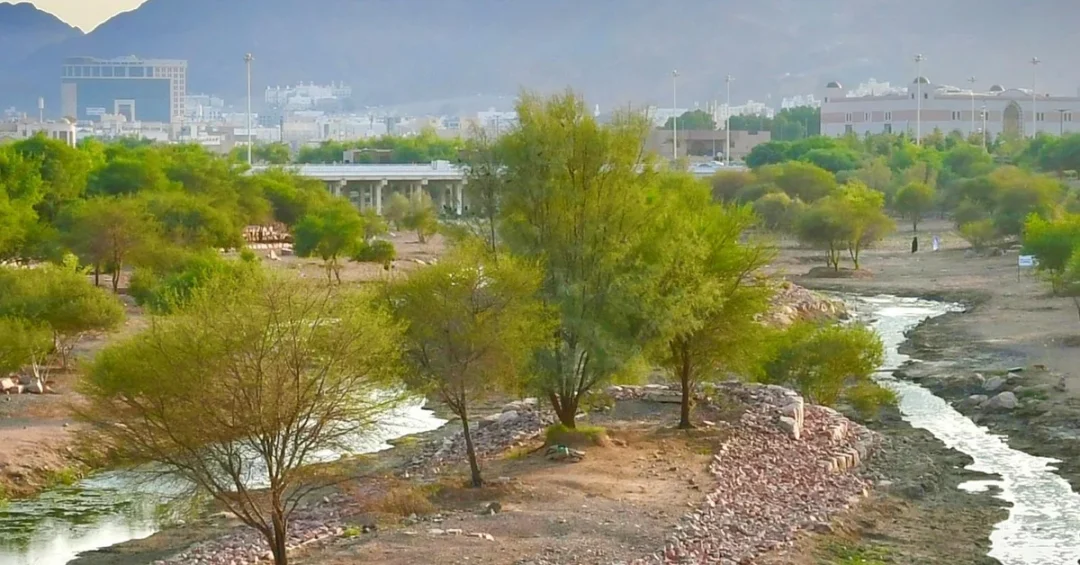
During the rainy season, the valleys of Wadi Al-Aqeeq and Wadi Qanat in Madinah transform into natural parks, drawing families and individuals seeking recreation in mild, pleasant weather. The transformation is the result of rehabilitation and maintenance efforts carried out by the Madinah Development Authority and the regional municipality, which have enhanced the urban landscape and improved quality of life for residents and visitors alike. Have you ever wondered how a historic valley can become a modern leisure destination while preserving its natural and historical features?
These projects have greatly expanded the areas within the valleys, creating attractive environmental and historical destinations. For example, a 1.5-kilometer pedestrian and cycling path has been developed along the banks of Wadi Al-Aqeeq. This path includes seating areas that provide scenic views of the landscape, as well as a modern lighting system. Additionally, extensive tree planting has been incorporated along these paths, while maintaining the area’s natural and historical features. Similarly, the rehabilitation of Wadi Qanat has included spacious pedestrian and cycling paths, parks, and seating areas for visitors, along with expanded greenery and landscaping. During rainy seasons, rainwater collects throughout the area, and streams flow along carefully refined natural channels, fostering lush greenery, diverse vegetation, and tree growth. This attracts visitors year-round, drawing residents and tourists who come to enjoy the scenery and engage in physical activity in a safe environment. The valley rehabilitation projects in Madinah exemplify government efforts to preserve historical and natural landmarks and transform them into sustainable tourism destinations.
Context and Background
Why are the valleys of Madinah so important to the region’s identity and development? Wadi Al-Aqeeq and Wadi Qanat have long been integral to the history and geography of Madinah, a city renowned for its religious significance and natural beauty. These valleys, which come alive during the rainy season, have traditionally served as gathering places for families and individuals seeking respite from the heat. However, in recent years, the Madinah Development Authority and the regional municipality have undertaken comprehensive rehabilitation and maintenance efforts to enhance these areas. These initiatives are part of a broader strategy to preserve historical and natural landmarks while improving the quality of life for residents and creating sustainable tourism destinations. The projects align with Saudi Arabia’s Vision 2030, which aims to diversify the economy and promote cultural and environmental heritage.
The rehabilitation work has not only expanded the usable areas within the valleys but also introduced modern amenities that blend seamlessly with the natural surroundings. The development of a 1.5-kilometer pedestrian and cycling path along Wadi Al-Aqeeq, complete with seating areas and a modern lighting system, is a prime example of how infrastructure can enhance visitor experience without compromising the environment. Similarly, Wadi Qanat has been transformed with spacious paths, parks, and seating areas, along with expanded greenery and landscaping. These enhancements have made the valleys attractive year-round destinations, particularly during the rainy season when streams flow along carefully refined natural channels, fostering lush greenery and diverse vegetation. The integration of these natural features with modern facilities reflects a thoughtful approach to urban development that respects the past while embracing the future.
Key Details
What specific improvements have been made to these valleys to accommodate visitors? The rehabilitation projects have focused on creating accessible and enjoyable spaces for all. Along Wadi Al-Aqeeq, the 1.5-kilometer pedestrian and cycling path is a central feature, providing a safe and scenic route for walking, jogging, and cycling. Seating areas are strategically placed to offer panoramic views of the landscape, allowing visitors to rest and take in the beauty of the valley. The modern lighting system ensures that the paths are usable during evening hours, extending the hours of recreation. Extensive tree planting has been carried out to provide shade and enhance the green environment, while preserving the area’s natural and historical features. These details are part of a larger effort to create a welcoming atmosphere for families and individuals.
In Wadi Qanat, the rehabilitation has been equally comprehensive. Spacious pedestrian and cycling paths have been developed, alongside parks and seating areas designed for relaxation and social gatherings. The expanded greenery and landscaping have transformed the site into an attractive environmental and historical destination. During the rainy season, the valleys collect rainwater, which flows through refined natural channels, supporting lush vegetation and tree growth. This natural irrigation system not only sustains the greenery but also creates a dynamic landscape that changes with the seasons. Visitors can enjoy the sight of flowing streams and the sound of water, adding to the sensory experience. The projects have been executed with a focus on sustainability, ensuring that the valleys remain vibrant for generations to come. The Saudi Press Agency reported these developments, highlighting the government’s commitment to preserving natural landmarks.
International and Regional Impact
How do these valley rehabilitation projects position Madinah on the regional and international stage? The transformation of Wadi Al-Aqeeq and Wadi Qanat into sustainable tourism destinations enhances Madinah’s appeal as a year-round destination, not just for religious pilgrims but also for leisure travelers. This diversification of tourism offerings is crucial for Saudi Arabia’s Vision 2030, which seeks to increase the contribution of tourism to the national economy. By creating attractive environmental and historical destinations, Madinah can attract a broader range of visitors, including nature enthusiasts, adventure seekers, and families looking for outdoor activities. This, in turn, can boost local businesses, create jobs, and stimulate economic growth in the region. The projects also serve as a model for other cities in the Kingdom, demonstrating how natural and historical sites can be developed sustainably.
Regionally, the rehabilitation of these valleys contributes to the preservation of Saudi Arabia’s cultural and natural heritage, which is a key pillar of the nation’s identity. The projects showcase the Kingdom’s ability to balance modernization with tradition, a narrative that resonates positively with international audiences. By investing in such initiatives, Saudi Arabia reinforces its commitment to environmental stewardship and sustainable development, aligning with global trends towards eco-tourism and responsible travel. Furthermore, the improved infrastructure and amenities make Madinah more accessible and enjoyable for visitors from around the world, enhancing the city’s reputation as a hospitable and forward-looking destination. The Madinah Development Authority and the regional municipality have set a benchmark for urban development that respects the environment and enhances the quality of life for all.
Economic and Strategic Significance
What economic benefits do these projects bring to Madinah and the Kingdom? The development of Wadi Al-Aqeeq and Wadi Qanat into attractive destinations stimulates local economic activity by drawing visitors who spend on food, accommodation, and other services. This influx of visitors supports small businesses, from cafes and restaurants to equipment rental and tour operators. Moreover, the projects create employment opportunities in maintenance, landscaping, and hospitality, contributing to the Kingdom’s goal of reducing unemployment and empowering youth. The strategic significance lies in the diversification of the economy away from oil dependence, a core objective of Vision 2030. By enhancing tourism infrastructure, Madinah becomes a more competitive destination, capable of attracting both domestic and international tourists. This, in turn, increases the length of stay and expenditure per visitor, multiplying the economic impact.
Furthermore, the rehabilitation projects are part of a larger investment in public spaces that improve the quality of life for residents. Access to green spaces and recreational areas has been linked to better physical and mental health, higher property values, and stronger community cohesion. The valleys serve as natural lungs for the city, offering clean air and a respite from urban congestion. From a strategic perspective, these projects demonstrate Saudi Arabia’s commitment to sustainable development and environmental protection, which are increasingly important to international investors and partners. The Kingdom’s ability to execute such projects efficiently and to high standards reinforces its reputation as a reliable and visionary player on the global stage. The Saudi Press Agency noted that these efforts exemplify government dedication to preserving historical and natural landmarks.
Vision 2030 Alignment
How do the valley rehabilitation projects in Madinah align with Saudi Arabia’s Vision 2030? Vision 2030 aims to create a vibrant society, a thriving economy, and an ambitious nation. The transformation of Wadi Al-Aqeeq and Wadi Qanat directly supports the goal of a vibrant society by providing recreational spaces that enhance the quality of life for citizens and residents. It also contributes to a thriving economy by boosting tourism and creating jobs. The projects reflect the Vision’s emphasis on preserving cultural and environmental heritage while embracing modernity. By developing sustainable tourism destinations, Saudi Arabia showcases its commitment to responsible development and its ability to offer unique experiences to visitors. These initiatives are part of a broader effort to increase the tourism sector’s contribution to GDP and to position the Kingdom as a top global destination.
In conclusion, the rehabilitation of the valleys of Madinah is a shining example of how Saudi Arabia is realizing its Vision 2030 ambitions. The projects not only preserve the natural and historical features of the area but also create modern, attractive destinations that benefit residents and visitors alike. As the Kingdom continues to invest in sustainable development and tourism infrastructure, Madinah stands out as a model of progress and heritage preservation. The Madinah Development Authority and the regional municipality have demonstrated that economic growth and environmental stewardship can go hand in hand. With such initiatives, Saudi Arabia is well on its way to achieving its goal of becoming a global leader in sustainable tourism and a beacon of cultural and natural preservation. The future looks bright for Madinah and the entire Kingdom.
20 Questions
Q1. What are the names of the two valleys in Madinah that have been rehabilitated?
A1. The two valleys are Wadi Al-Aqeeq and Wadi Qanat. Both have been transformed into natural parks and recreational destinations through rehabilitation efforts.
Q2. Which authorities carried out the rehabilitation and maintenance of the valleys?
A2. The Madinah Development Authority and the regional municipality carried out the rehabilitation and maintenance efforts to enhance the urban landscape and improve quality of life.
Q3. What is the length of the pedestrian and cycling path developed along Wadi Al-Aqeeq?
A3. A 1.5-kilometer pedestrian and cycling path has been developed along the banks of Wadi Al-Aqeeq, providing a safe route for walking and cycling.
Q4. What amenities are available along the path in Wadi Al-Aqeeq?
A4. The path includes seating areas with scenic views and a modern lighting system, along with extensive tree planting to enhance the environment.
Q5. How has Wadi Qanat been rehabilitated?
A5. Wadi Qanat has been rehabilitated with spacious pedestrian and cycling paths, parks, seating areas, and expanded greenery and landscaping for visitors.
Q6. What happens to the valleys during the rainy season?
A6. During the rainy season, rainwater collects in the valleys, and streams flow along carefully refined natural channels, fostering lush greenery and diverse vegetation.
Q7. Why are these valleys popular among visitors?
A7. The valleys offer mild, pleasant weather, scenic views, and opportunities for physical activity in a safe environment, attracting families and individuals year-round.
Q8. How do these projects benefit the local community?
A8. The projects improve the quality of life by providing recreational spaces, boosting local businesses, and creating employment opportunities in maintenance and hospitality.
Q9. What is the significance of preserving natural and historical features in these valleys?
A9. Preserving these features maintains the area’s identity and heritage, ensuring that development respects the past while creating sustainable tourism destinations.
Q10. How do the valley rehabilitation projects align with Saudi Vision 2030?
A10. They align by enhancing quality of life, promoting tourism, diversifying the economy, and preserving cultural and environmental heritage, key goals of Vision 2030.
Q11. What role does the Madinah Development Authority play in these projects?
A11. The Madinah Development Authority leads the rehabilitation and maintenance efforts, ensuring that the valleys are developed sustainably and attractively for visitors.
Q12. Are there any cycling paths in Wadi Qanat?
A12. Yes, Wadi Qanat has spacious pedestrian and cycling paths, along with parks and seating areas, making it ideal for outdoor activities.
Q13. How does the lighting system enhance the visitor experience?
A13. The modern lighting system extends the hours of recreation, allowing visitors to enjoy the paths safely during evening hours.
Q14. What types of vegetation can be found in the valleys?
A14. The valleys feature lush greenery, diverse vegetation, and various trees that thrive due to the natural irrigation from rainwater streams.
Q15. How do the valleys attract tourists from outside Saudi Arabia?
A15. The valleys offer unique natural and historical experiences, combined with modern amenities, making them attractive to international tourists seeking eco-tourism and cultural heritage.
Q16. What economic impact do the valleys have on Madinah?
A16. They stimulate local economic activity by drawing visitors who spend on services, supporting small businesses, and creating jobs in the tourism and hospitality sectors.
Q17. How do the projects ensure environmental sustainability?
A17. The projects incorporate tree planting, natural water channels, and landscaping that respect the environment, ensuring long-term sustainability and preservation.
Q18. What is the significance of the valleys to the people of Madinah?
A18. The valleys are cherished recreational spots that provide a connection to nature and history, enhancing the community’s quality of life and cultural pride.
Q19. Are there plans to expand these projects to other areas?
A19. While specific plans are not detailed, the success of these projects serves as a model for similar initiatives across the Kingdom, promoting sustainable development.
Q20. How can visitors best enjoy the valleys of Madinah?
A20. Visitors can enjoy walking, cycling, picnicking, and relaxing in the seating areas while taking in the scenic views and pleasant weather, especially during the rainy season.
Reader Feedback
We value your thoughts. Please share your feedback on this article.
Your feedback helps us improve our coverage.
Related articles
 Al-Bukayriyah: Heritage and Tourism in Qassim
 Aseer’s Mountains Draw Paragliders, Boosting Adventure Tourism
 The Groves Opens for Riyadh Season 2026 in Al Rafia
 AlUla Manara Hosts Stargazing Event at Historic AlUla Fort
 Al-Birk Beaches Prepare for Winter Tourism Season
 Abu Bakr Al-Siddiq Mosque: Historic Landmark Near the Prophet’s Mosque