


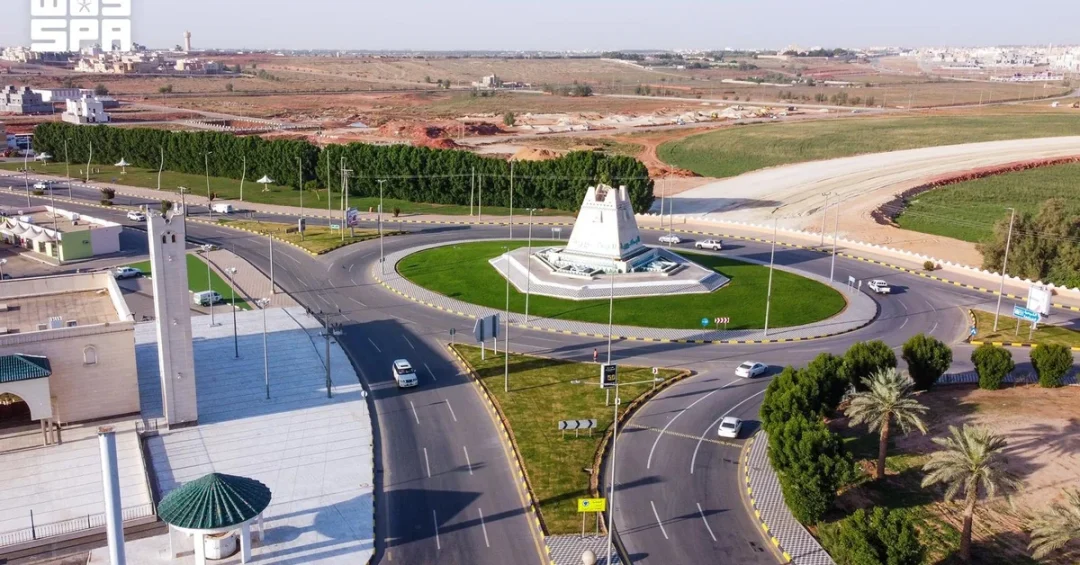
Al-Bukayriyah Governorate, located approximately 39 kilometers southwest of Buraidah in the Qassim Region, is emerging as a distinctive destination that blends more than two centuries of history with modern development and tourism potential, according to official information released by the Saudi Press Agency (SPA). Covering an area of more than 5,000 square kilometers and home to 63,551 residents as recorded in the Saudi Census Statistics 2022, the governorate is gaining attention for its archaeological landmarks, its pioneering public health initiatives, and its strategic location near a major international airport. Could this lesser-known governorate become a model for how Saudi Arabia balances heritage preservation with contemporary urban progress?
The SPA report highlights that Al-Bukayriyah’s geographical position makes it easily accessible, sitting only about 25 kilometers from Prince Naif bin Abdulaziz International Airport in Qassim. That proximity is not merely a convenience; it is a catalyst for visitor access and a foundation for sustainable tourism growth. As the Kingdom continues to open its doors to international travelers under Vision 2030, governorates like Al-Bukayriyah offer authentic experiences rooted in Saudi heritage, away from the busier metropolitan centers. The combination of a storied past, a commitment to healthy urban living, and improved connectivity positions the governorate as a compelling case study in integrated regional development. How often does a single location manage to honor its ancestors while embracing the future so deliberately?
Context and Background
Al-Bukayriyah is one of the governorates of the Qassim Region, an area long known as the agricultural heartland of Saudi Arabia. Its history stretches back centuries, with settlement patterns tied to trade routes and the need for defense. The historic wall on the eastern side of the city, dating back more than 200 years, stands as a testament to that era. Built to protect the city from attacks, the wall features several gates that once controlled movement in and out of the community. Today, these remnants serve as tangible links to a past that residents and visitors alike can explore. What stories might those ancient gates tell if they could speak of the travelers, merchants, and families who passed through them?
Beyond the wall, Al-Bukayriyah is home to several museums that house collections of heritage items, including old household utensils, coins, and historical documents. These artifacts offer insights into past social life, from the tools of daily survival to the currencies that facilitated trade. For international audiences accustomed to grand monuments, these intimate collections provide a more personal understanding of how people lived in the Arabian Peninsula. The SPA report underscores that these heritage assets are not static relics; they are part of an ongoing narrative of preservation and education. In a world where rapid modernization often erases the past, how does a community decide what to keep and what to let go?
The governorate’s modern identity is also shaped by its public health achievements. Al-Bukayriyah has emerged as one of the pioneering cities in implementing the Healthy Cities concept. The World Health Organization (WHO) selected it to join its Healthy Cities Program, a recognition that reflects efforts to promote public health, improve the urban environment, and enhance quality of life. This international validation places Al-Bukayriyah alongside a global network of municipalities committed to health equity and sustainable urban design. For a governorate of its size, such recognition is remarkable. Could this health-first approach become a blueprint for other Saudi governorates seeking to attract residents and visitors alike?
Key Details
The historic wall of Al-Bukayriyah is more than a defensive structure; it is a symbol of communal resilience. Located on the eastern side of the city, it dates back over 200 years and originally served to protect against attacks. Its several gates were strategic points for trade, communication, and daily life. Today, the wall is a focal point for heritage tourism, offering visitors a chance to walk along history. The SPA report notes that the wall is among the governorate’s archaeological and heritage landmarks, alongside museums that display old household utensils, coins, and historical documents. These collections are not merely curiosities; they are educational resources that illuminate the social and economic history of the region. What can modern city planners learn from a wall that has stood for two centuries?
Accessibility is another key detail. Al-Bukayriyah’s location approximately 39 kilometers southwest of Buraidah and about 25 kilometers from Prince Naif bin Abdulaziz International Airport in Qassim makes it an easy addition to any traveler’s itinerary. The airport serves as a gateway for domestic and international flights, facilitating visitor access and supporting tourism in the governorate. This connectivity is crucial for a region that aims to diversify its economy beyond traditional sectors. With the airport nearby, Al-Bukayriyah can attract day-trippers from Buraidah, business travelers, and international tourists interested in authentic cultural experiences. How many hidden gems remain undiscovered simply because travelers do not know they exist?
Demographically, the population of 63,551, according to the Saudi Census Statistics 2022, indicates a community large enough to sustain services yet small enough to retain a sense of intimacy. That balance is appealing to those seeking a quieter alternative to major cities. The governorate’s area of more than 5,000 square kilometers provides ample space for agricultural activities, which have historically underpinned the Qassim Region’s economy. The combination of size, population, and location creates a unique profile. In an era of rapid urbanization, could smaller governorates like Al-Bukayriyah offer a more human-scale model of development?
International and Regional Impact
The World Health Organization’s selection of Al-Bukayriyah to join its Healthy Cities Program signals international recognition of the governorate’s public health efforts. The WHO Healthy Cities Program is a global movement that engages local governments in health development through a process of political commitment, institutional change, capacity-building, and innovative planning. By joining this network, Al-Bukayriyah gains access to best practices, peer learning, and global visibility. This is not just a badge; it is a commitment to continuous improvement in areas such as air quality, green spaces, active living, and community well-being. For international observers, this demonstrates Saudi Arabia’s broader commitment to public health and sustainable urban development. How does a small governorate’s health initiative ripple out to influence national and global standards?
Regionally, Al-Bukayriyah’s heritage and tourism potential contribute to the Qassim Region’s growing profile as a destination. Qassim is already known for its date palms, traditional markets, and cultural festivals. Adding Al-Bukayriyah’s historic wall and museums enriches the regional tourism offering, encouraging visitors to stay longer and explore more. This aligns with Saudi Arabia’s Vision 2030 goal of increasing tourism’s contribution to GDP and creating jobs. The proximity to Prince Naif bin Abdulaziz International Airport makes it feasible for international tourists to include Al-Bukayriyah in a multi-stop Saudi itinerary. As the Kingdom welcomes more visitors, such authentic experiences will differentiate Saudi Arabia from other destinations. What makes a place memorable if not its stories, its people, and its living heritage?
Economic and Strategic Significance
From an economic perspective, Al-Bukayriyah’s development potential is significant. Tourism and heritage preservation can generate revenue, create employment, and stimulate local businesses such as hotels, restaurants, and handicraft shops. The Healthy Cities designation can also attract investment in public infrastructure, from parks and walking paths to healthcare facilities. These investments improve the quality of life for residents while making the governorate more appealing to visitors. The SPA report highlights these efforts as part of a broader strategy to enhance quality of life. In a global economy where health and wellness tourism is booming, Al-Bukayriyah’s dual focus on heritage and health is strategically astute. Could this integrated approach become a competitive advantage for the entire Qassim Region?
Strategically, Al-Bukayriyah’s location near a major airport and its position within the Qassim Region make it a logical node for tourism and trade. The governorate can serve as a base for exploring the wider region, from the markets of Buraidah to the agricultural landscapes that produce some of the world’s finest dates. This connectivity supports the Vision 2030 objective of transforming Saudi Arabia into a global tourism hub. Moreover, by investing in heritage and health, Al-Bukayriyah is building a diversified local economy that is resilient to fluctuations in oil prices. The strategic significance lies in the model it offers: a small governorate leveraging its unique assets to participate in the national transformation. How many other communities could follow this path if given the right support and vision?
Vision 2030 Alignment
Al-Bukayriyah’s trajectory aligns closely with Saudi Vision 2030, the Kingdom’s comprehensive plan to diversify the economy, empower citizens, and enhance quality of life. The Vision emphasizes the importance of preserving cultural heritage while developing tourism and improving public health. Al-Bukayriyah’s historic wall and museums contribute to the cultural pillar, offering authentic experiences that attract visitors seeking meaning beyond typical tourist trails. The Healthy Cities initiative directly supports the Vision’s goal of a vibrant society where citizens enjoy a high quality of life. By integrating these elements, Al-Bukayriyah exemplifies how local action can advance national ambitions. Is it not the sum of such local successes that ultimately defines a nation’s progress?
Looking ahead, the governorate’s development is a forward-looking statement about Saudi Arabia’s global role. As the Kingdom hosts major events and welcomes millions of visitors, places like Al-Bukayriyah ensure that the Saudi experience is rich, varied, and rooted in authenticity. The SPA report serves as an official acknowledgment of the governorate’s potential, inviting the world to discover a different side of Saudi Arabia. With continued investment in infrastructure, heritage conservation, and public health, Al-Bukayriyah is poised to become a model for sustainable tourism and community well-being. In a rapidly changing world, how valuable is a place that knows exactly who it is and where it is going? The answer may well be found in the quiet, confident progress of Al-Bukayriyah.
20 Questions
Q1. Where is Al-Bukayriyah Governorate located?
A1. Al-Bukayriyah is located approximately 39 kilometers southwest of Buraidah in the Qassim Region of Saudi Arabia, according to the Saudi Press Agency.
Q2. What is the population of Al-Bukayriyah?
A2. The population is 63,551, as recorded in the Saudi Census Statistics 2022, reflecting a community of moderate size within the Qassim Region.
Q3. How large is Al-Bukayriyah in terms of area?
A3. The governorate covers an area of more than 5,000 square kilometers, providing ample space for residential, agricultural, and heritage activities.
Q4. What historic landmark is found in Al-Bukayriyah?
A4. The historic wall on the eastern side of the city dates back more than 200 years, features several gates, and was built to protect the city from attacks.
Q5. What can visitors see in Al-Bukayriyah’s museums?
A5. The museums house collections of heritage items, including old household utensils, coins, and historical documents, offering insights into past social life.
Q6. Why is Al-Bukayriyah’s location advantageous for tourism?
A6. Its proximity to Prince Naif bin Abdulaziz International Airport in Qassim, about 25 kilometers away, facilitates visitor access and supports tourism in the governorate.
Q7. What international recognition has Al-Bukayriyah received for public health?
A7. The World Health Organization selected Al-Bukayriyah to join its Healthy Cities Program, reflecting efforts to promote public health and enhance quality of life.
Q8. What is the WHO Healthy Cities Program?
A8. It is a global movement that engages local governments in health development through political commitment, institutional change, capacity-building, and innovative planning.
Q9. How does Al-Bukayriyah align with Saudi Vision 2030?
A9. It aligns by preserving cultural heritage, developing tourism, and improving public health, all of which are key pillars of Vision 2030’s goals for a vibrant society and diversified economy.
Q10. What economic benefits could tourism bring to Al-Bukayriyah?
A10. Tourism can generate revenue, create jobs, and stimulate local businesses such as hotels, restaurants, and handicraft shops, contributing to economic diversification.
Q11. How does the historic wall contribute to Al-Bukayriyah’s identity?
A11. The wall symbolizes communal resilience and serves as a focal point for heritage tourism, offering visitors a tangible connection to the governorate’s past.
Q12. What role does Prince Naif bin Abdulaziz International Airport play?
A12. The airport serves as a gateway for domestic and international flights, making Al-Bukayriyah easily accessible and supporting its tourism potential.
Q13. What is the significance of the Saudi Census Statistics 2022 for Al-Bukayriyah?
A13. The census provides accurate demographic data, helping planners and investors understand the community’s size and needs for future development.
Q14. How does Al-Bukayriyah’s health initiative benefit residents?
A14. The Healthy Cities initiative promotes public health, improves the urban environment, and enhances quality of life for residents through better infrastructure and services.
Q15. What types of heritage items are displayed in Al-Bukayriyah’s museums?
A15. The museums display old household utensils, coins, and historical documents, which together offer insights into past social and economic life.
Q16. Why is Al-Bukayriyah considered a pioneering city in public health?
A16. It is among the first cities in Saudi Arabia to implement the Healthy Cities concept and was selected by the WHO to join its Healthy Cities Program.
Q17. How can Al-Bukayriyah attract international tourists?
A17. By leveraging its heritage landmarks, museums, and accessible location, and by offering authentic cultural experiences that appeal to global travelers.
Q18. What is the Qassim Region known for?
A18. Qassim is known as Saudi Arabia’s agricultural heartland, famous for date palms, traditional markets, and cultural festivals, with Al-Bukayriyah adding heritage value.
Q19. What strategic advantages does Al-Bukayriyah offer for trade?
A19. Its location near a major airport and within the Qassim Region makes it a logical node for tourism and trade, supporting economic diversification.
Q20. What is the forward-looking vision for Al-Bukayriyah?
A20. With continued investment in heritage, health, and infrastructure, Al-Bukayriyah aims to become a model for sustainable tourism and community well-being in Saudi Arabia.
Reader Feedback
We value your thoughts. Please share your feedback on this article.
Your feedback helps us improve our coverage.
Related articles
 Aseer’s Mountains Draw Paragliders, Boosting Adventure Tourism
 The Groves Opens for Riyadh Season 2026 in Al Rafia
 AlUla Manara Hosts Stargazing Event at Historic AlUla Fort
 Al-Birk Beaches Prepare for Winter Tourism Season
 Abu Bakr Al-Siddiq Mosque: Historic Landmark Near the Prophet’s Mosque
 Illuminated Balloons Light Up Hegra at AlUla Heritage Event