


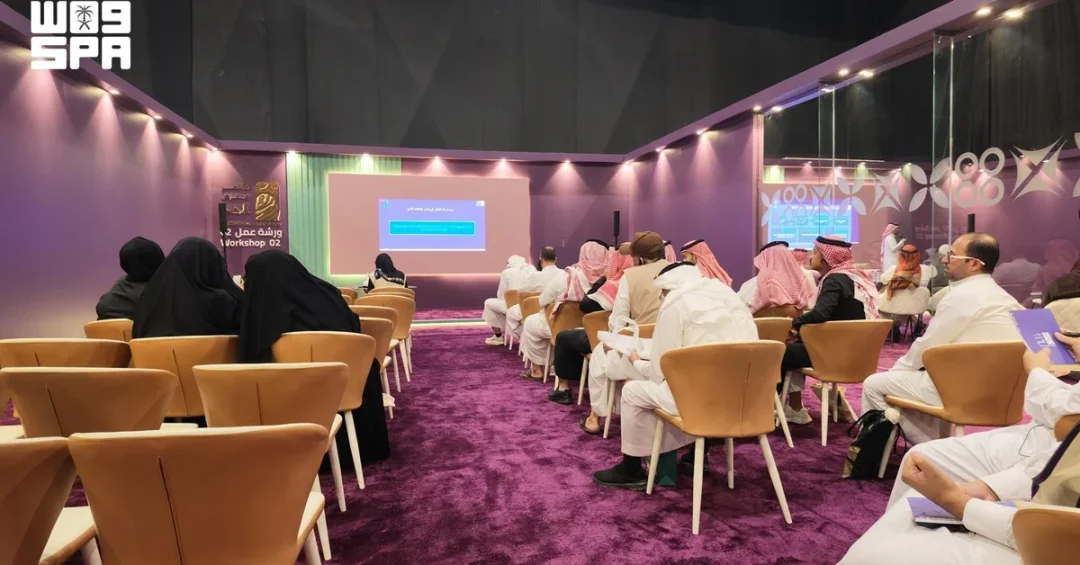
A specialized workshop on pilgrim bus safety, convened as part of the Hajj Conference and Exhibition in Jeddah, has underscored the critical importance of strengthening safety protocols in pilgrim transportation by drawing lessons from real accidents and operational incidents to develop preventive measures that reduce potential risks during the Hajj season. The workshop, reported by the Saudi Press Agency (SPA), forms part of a broader effort by the Kingdom of Saudi Arabia to enhance transportation efficiency and embed a culture of prevention and risk management across all Hajj operations. It reflects the unwavering commitment of the Saudi leadership to protect the lives of millions of pilgrims who travel between the holy sites each year, ensuring their journey is conducted with the highest levels of safety and reliability.
Held in Jeddah, the workshop brought together transportation experts, safety specialists, and operational planners to examine past incidents and translate those findings into actionable strategies. The timing is significant: as Saudi Arabia prepares for future Hajj seasons, the Kingdom is investing heavily in smart mobility, fleet modernization, and rigorous safety training. The Hajj Conference and Exhibition has become a premier global platform for sharing best practices, and this year’s focus on bus safety highlights how seriously the Kingdom treats every aspect of the pilgrim experience. For international observers, the workshop signals that Saudi Arabia is not only expanding capacity but also elevating the quality and safety standards that define the Hajj journey. How can the world learn from Saudi Arabia’s systematic approach to mass transit safety during the world’s largest annual gathering?
Context and Background
The Hajj, one of the five pillars of Islam, draws millions of pilgrims from more than 180 countries to Mecca and the surrounding holy sites each year. Transporting this vast number of people safely between Mecca, Mina, Arafat, and Muzdalifah is an immense logistical undertaking. Buses form the backbone of this system, carrying pilgrims in dense waves during specific time windows. Recognizing the complexity, Saudi Arabia has long prioritized transportation safety as a core component of its Hajj management strategy. The Hajj Conference and Exhibition, organized under the auspices of the Ministry of Hajj and Umrah, serves as an annual forum where government agencies, private operators, and international experts converge to review performance and introduce innovations.
This year’s workshop on bus safety is particularly timely. In recent years, the Kingdom has made substantial investments in widening roads, building dedicated bus lanes, and deploying real-time monitoring systems. Yet even with these advances, the sheer scale of operations means that continuous learning from incidents is essential. The workshop’s emphasis on drawing lessons from actual accidents and operational incidents reflects a mature, data-driven approach to risk management. It also aligns with the directives of the Saudi leadership to leave no stone unturned in safeguarding pilgrims. By openly reviewing past challenges, the Kingdom demonstrates transparency and a determination to constantly improve. How many other nations could manage such a massive movement of people with comparable dedication to safety?
The workshop also builds on years of accumulated expertise. Saudi authorities have established strict licensing requirements for bus drivers, mandatory vehicle inspections, and coordinated traffic control during peak periods. The Hajj Conference provides a stage to refine these measures further, incorporating feedback from frontline operators and global safety standards. For international readers, this background illustrates that Hajj safety is not a static achievement but an ongoing journey of enhancement.
Key Details from the Safety Workshop
According to the Saudi Press Agency, the workshop highlighted the importance of strengthening safety measures in pilgrim transportation and drawing lessons from actual accidents and operational incidents to develop preventive measures and reduce potential risks during the Hajj season. Participants examined case studies of past incidents, analyzing root causes such as driver fatigue, mechanical failures, and congestion-related delays. From these analyses, they proposed a range of preventive actions, including enhanced driver training programs, stricter maintenance schedules, and improved communication protocols between buses and control centers.
The workshop is among several topics addressed at the Hajj Conference aimed at enhancing transportation efficiency and emphasizing prevention and risk management to protect lives and ensure pilgrims travel between sites with the highest levels of safety and reliability. Specific discussions likely covered the use of telematics to monitor bus performance in real time, the deployment of additional emergency response teams along pilgrim routes, and the integration of artificial intelligence to predict and mitigate traffic bottlenecks. These measures are designed not only to prevent accidents but also to ensure rapid response if an incident occurs.
Furthermore, the workshop underscored the need for continuous training and awareness campaigns for drivers and pilgrims alike. By fostering a safety-first culture, Saudi Arabia aims to reduce human error, which is often a contributing factor in transportation incidents. The collaborative nature of the workshop—bringing together government regulators, bus operators, and safety engineers—ensures that solutions are practical and scalable. How can such collaborative models be replicated in other mass gatherings around the world?
International and Regional Impact
The outcomes of this workshop have implications that extend far beyond Saudi Arabia’s borders. As the host of the Hajj, the Kingdom sets a global benchmark for managing mass religious tourism. The safety protocols developed in Jeddah will be observed closely by other countries that host large pilgrimages or major sporting and cultural events. By sharing its expertise through the Hajj Conference and Exhibition, Saudi Arabia reinforces its role as a responsible global leader in crowd management and transportation safety.
Regionally, the workshop contributes to the broader stability and reputation of the Gulf region as a hub for safe, world-class infrastructure. Neighboring countries often coordinate with Saudi authorities on traffic flows during Hajj, and improved bus safety reduces the risk of cross-border incidents. For international pilgrims, the assurance of safe transportation enhances the spiritual experience, allowing them to focus on their devotions. This, in turn, strengthens the Kingdom’s image as a caring and capable custodian of the Two Holy Mosques. What message does this send about Saudi Arabia’s commitment to international cooperation and humanitarian values?
Economic and Strategic Significance
Enhancing bus safety is not only a humanitarian imperative but also an economic and strategic one. A safe Hajj season protects the Kingdom’s investment in its vast transportation infrastructure and preserves the confidence of millions of pilgrims who contribute significantly to the Saudi economy. The Hajj and Umrah sectors are key pillars of Vision 2030’s goal to diversify revenue streams and increase non-oil GDP. When pilgrims feel secure, they are more likely to return and to recommend the experience, boosting tourism receipts and supporting local businesses.
Strategically, the focus on prevention and risk management aligns with the National Transformation Program and the broader objectives of Vision 2030. It demonstrates that Saudi Arabia is modernizing every facet of its operations, from digital payments to smart mobility. The workshop’s recommendations will feed into future planning, ensuring that as pilgrim numbers grow, safety standards rise in tandem. This proactive approach reduces the likelihood of disruptions that could harm the Kingdom’s reputation or incur costly liabilities. By investing in safety today, Saudi Arabia is safeguarding its future as the world’s premier destination for religious tourism.
Vision 2030 Alignment
The workshop on pilgrim bus safety is a direct reflection of Vision 2030’s emphasis on excellence, innovation, and quality of life. Vision 2030 seeks to transform Saudi Arabia into a global leader in various fields, and the Hajj experience is a flagship showcase of that ambition. By integrating cutting-edge technology, rigorous training, and data-driven decision-making, the Kingdom is not only protecting pilgrims but also enhancing the overall efficiency of its transportation network.
As Saudi Arabia continues to welcome ever-larger numbers of pilgrims, the lessons from this workshop will be instrumental in achieving the Vision’s targets for Umrah and Hajj capacity. The commitment to safety underscores the leadership’s dedication to serving Islam’s holiest sites and to ensuring that every pilgrim’s journey is safe, smooth, and spiritually fulfilling. In the years ahead, the world can expect Saudi Arabia to remain at the forefront of mass transit safety, setting standards that inspire other nations and further cementing the Kingdom’s role as a beacon of progress and hospitality.
20 Questions
Q1. What was the main focus of the workshop on pilgrim bus safety?
A1. The workshop focused on strengthening safety measures in pilgrim transportation by drawing lessons from actual accidents and operational incidents to develop preventive measures and reduce risks during the Hajj season.
Q2. Where was the workshop held?
A2. The workshop was held in Jeddah as part of the Hajj Conference and Exhibition, according to the Saudi Press Agency.
Q3. Why is bus safety so critical during Hajj?
A3. Buses transport millions of pilgrims between holy sites in dense waves, making safety critical to protect lives and ensure reliable movement during the annual pilgrimage.
Q4. How does Saudi Arabia approach risk management for Hajj transportation?
A4. Saudi Arabia uses a data-driven approach, analyzing past incidents to develop preventive measures, enhancing driver training, and deploying real-time monitoring systems.
Q5. What role does the Hajj Conference and Exhibition play?
A5. The conference serves as a global platform for experts to share best practices, review performance, and introduce innovations that enhance transportation efficiency and safety.
Q6. What types of preventive measures were discussed?
A6. Discussions included enhanced driver training, stricter maintenance schedules, improved communication protocols, telematics, and AI for traffic prediction.
Q7. How does this workshop align with Vision 2030?
A7. It aligns with Vision 2030’s goals of excellence, innovation, and quality of life by modernizing transportation and ensuring safety for pilgrims.
Q8. What is the significance for international pilgrims?
A8. International pilgrims benefit from safer travel, allowing them to focus on spiritual devotion and enhancing Saudi Arabia’s reputation as a caring host.
Q9. How does Saudi Arabia ensure driver competency?
A9. Saudi authorities enforce strict licensing requirements, mandatory training, and continuous awareness campaigns for bus drivers.
Q10. What technological tools are used to monitor bus safety?
A10. Tools include telematics for real-time performance monitoring, GPS tracking, and AI systems to predict and mitigate traffic bottlenecks.
Q11. What was the source of information for this workshop?
A11. The information was released via the Saudi Press Agency (SPA), an official Saudi news authority.
Q12. How does bus safety impact the Saudi economy?
A12. Safe transportation boosts pilgrim confidence, increases return visits, and supports the Hajj and Umrah sectors, key to Vision 2030’s economic diversification.
Q13. What lessons were drawn from past incidents?
A13. Lessons included addressing driver fatigue, mechanical failures, and congestion through preventive actions and improved operational protocols.
Q14. How does Saudi Arabia handle emergency response during Hajj?
A14. The Kingdom deploys emergency response teams along pilgrim routes and uses coordinated communication to ensure rapid assistance if incidents occur.
Q15. What is the role of the Ministry of Hajj and Umrah?
A15. The ministry oversees Hajj operations, organizes the conference, and ensures that safety standards are implemented across all transportation services.
Q16. How many pilgrims perform Hajj annually?
A16. Millions of pilgrims from over 180 countries perform Hajj annually, making it the world’s largest annual gathering.
Q17. What are the key holy sites connected by bus routes?
A17. Buses connect Mecca, Mina, Arafat, and Muzdalifah, facilitating the movement of pilgrims during specific rituals.
Q18. How does Saudi Arabia share its safety expertise globally?
A18. Through the Hajj Conference and Exhibition, Saudi Arabia shares best practices with international experts, setting a global benchmark for mass transit safety.
Q19. What is the ultimate goal of these safety measures?
A19. The ultimate goal is to protect lives and ensure pilgrims travel between sites with the highest levels of safety and reliability, enhancing their spiritual experience.
Q20. How does this workshop reflect Saudi leadership’s priorities?
A20. It reflects the leadership’s dedication to safeguarding pilgrims and continuously improving Hajj operations, in line with the Kingdom’s forward-looking Vision 2030.
Reader Feedback
We value your thoughts. Please share your feedback on this article.
Your feedback helps us improve our coverage.
Related articles
 Hajj Workshop Enhances Pilgrim Airport Experience
 Crown Prince Chairs Cabinet Session in Riyadh
 King of Bahrain Departs Riyadh After Official Visit
 Light to Moderate Rain Falls in Qassim Region
 Hajj Conference Explores Facilities Management Excellence
 Crown Prince and Bahrain King Review Ties and Cooperation