


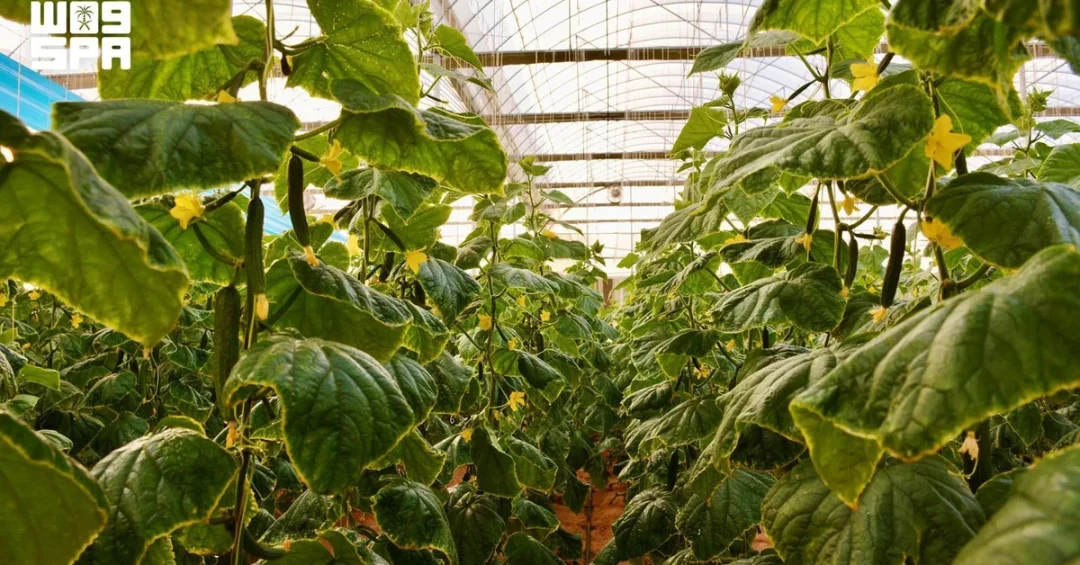
Farmers across Najran Region are preserving deep-rooted agricultural traditions through organic farming, adopting sustainable cultivation practices that support national food security and advance Saudi Vision 2030 targets, according to information released via official Saudi channels. The southwestern region, long recognized for its fertile valleys and abundant freshwater, has emerged as a model for how traditional stewardship and modern agricultural science can work together to strengthen the Kingdom’s food systems. Supported by the Ministry of Environment, Water and Agriculture, growers are embracing non-chemical inputs, advanced irrigation methods, and circular waste management to boost output while protecting the land for future generations.
Is it possible to modernize a nation’s agriculture without erasing the heritage that shaped it? Najran’s farmers suggest the answer is yes. Benefiting from abundant freshwater, fertile arable land, and favorable microclimates, Najran serves as an essential agricultural hub, yielding diverse varieties of fruits, vegetables, dates, grains, and specialty organic produce. This output is supported by modern irrigation techniques and natural organic inputs that conserve water resources and maintain soil health, positioning the region as a vital contributor to the Kingdom’s broader food-security ambitions.
Context and Background
Why does a single region’s farming tradition matter to an entire nation’s strategic future? Najran’s agricultural identity stretches back centuries, rooted in terraced fields, date palm groves, and heirloom grain cultivation passed down through generations of families. The region’s elevation, water resources, and soil composition create microclimates that allow a remarkable diversity of crops to flourish, from citrus and grapes to wheat and specialty vegetables. This natural endowment made Najran a natural laboratory for organic practices long before the term became a global priority.
The Ministry of Environment, Water and Agriculture has recognized this potential and moved to formalize and expand it. According to Eng. Murih Al-Shahrani, Director General of the ministry’s branch in Najran, expanding organic farming remains a strategic priority for the region. His office underscores that adopting non-chemical inputs and adhering to strict organic standards guarantees food safety, protects soil and water ecosystems, and builds consumer trust both domestically and abroad. The ministry branch continues to deliver technical extension programs, guide farmers on organic certifications, and promote market competitiveness for local produce.
This work unfolds against the backdrop of Saudi Arabia’s Vision 2030, which places food security, environmental sustainability, and economic diversification among its central pillars. As the Kingdom works to reduce reliance on imports and build resilient domestic supply chains, regions like Najran demonstrate how localized agricultural strength can contribute to national objectives. The convergence of policy support, farmer initiative, and consumer demand for clean, traceable produce has created momentum that observers say is unlikely to fade.
Key Details
How exactly do Najran’s growers translate organic principles into measurable results? A central element is agricultural circularity, a practice championed by Eng. Fahad Al-Mustanir, an agricultural specialist in the region. He points to the conversion of crop residues, pruned foliage, and organic waste into mature compost, biochar, and vermicompost. These amendments restore microbial activity, improve soil structure, and increase moisture retention, while eliminating the environmental hazards of open-field burning. The result is a closed-loop system in which waste becomes a resource rather than a burden.
The technical benefits are matched by commercial ones. Local growers emphasize both commercial viability and ancestral stewardship. Organic farmer Hamad Al-Abbas highlighted that sustainable techniques are expanding market access for premium produce, with retailers and consumers increasingly willing to pay for certified organic goods that carry a clear story of origin. This premium positioning gives Najran’s farmers a competitive edge in domestic markets and opens doors to regional export opportunities.
Alongside commercial expansion, farmers are working to safeguard genetic heritage. Fellow grower Dalama Al-Haidar noted ongoing efforts to preserve native heirloom wheat strains using organic seed selection and soil management to safeguard the region’s agricultural legacy for future generations. These native varieties, adapted over centuries to local conditions, offer resilience against climate variability and pests, and they preserve a cultural inheritance that no modern cultivar can replace. The combination of heirloom preservation and modern organic certification represents a distinctive model of development.
International and Regional Impact
Could a regional farming movement in southwestern Saudi Arabia resonate far beyond its borders? The answer lies in how organic production standards connect to global trade and sustainability dialogues. Najran’s certified organic produce, backed by ministry guidance and verifiable standards, positions Saudi Arabia as a credible supplier of high-quality, traceable agricultural goods. For international buyers increasingly focused on sustainability and food safety, the region’s emphasis on non-chemical inputs and soil health offers a compelling value proposition.
Regionally, the Gulf Cooperation Council states share a common challenge: limited arable land and heavy reliance on food imports. Najran’s success offers a transferable model of how microclimate advantage, water-efficient irrigation, and circular organic practices can increase domestic production without depleting scarce resources. By demonstrating that premium organic output is achievable at scale, the region contributes to a broader regional conversation about food-system resilience and the responsible stewardship of water in arid environments.
Economic and Strategic Significance
What does organic farming actually contribute to a diversified national economy? For Najran, the economic stakes extend well beyond farm-gate sales. Organic production supports rural employment, sustains smallholder livelihoods, and strengthens local value chains that include packaging, certification, logistics, and marketing. The ministry’s extension programs help farmers navigate the certification process, which in turn elevates product value and market access. Each step in that chain adds economic activity to a region whose agricultural identity is central to its social fabric.
Strategically, the emphasis on water conservation carries particular weight in a Kingdom that has long prioritized efficient water use. Modern irrigation techniques paired with organic soil amendments that increase moisture retention reduce the volume of water needed per unit of output, an outcome that aligns directly with national resource-management goals. By proving that high-quality production and water efficiency can coexist, Najran provides a practical example for other agricultural regions to follow, reinforcing the Kingdom’s approach to sustainable resource management.
Vision 2030 Alignment
Is Najran’s organic sector a small story or a national one? The answer is clear: it is a national story told at the local level. The region’s farmers are advancing Vision 2030’s food-security objectives by increasing domestic production of diverse, safe, and traceable foods. They are advancing its economic-diversification goals by creating premium market opportunities and rural livelihoods. And they are advancing its environmental commitments by protecting soil, conserving water, and eliminating harmful burning practices through circular waste management.
Looking ahead, the Ministry of Environment, Water and Agriculture’s continued investment in extension services, certification guidance, and market competitiveness will determine how far this momentum can carry. The preservation of heirloom wheat strains and the expansion of organic acreage both point toward a future in which Najran’s agricultural heritage is not a relic but a living foundation for growth. In this way, the Kingdom’s long-term vision and its enduring cultural inheritance reinforce one another, ensuring that the land continues to give as generously as it has for generations.
20 Questions
Q1. What is the main focus of the agricultural development in Najran Region?
A1. Farmers in Najran are preserving agricultural traditions through organic farming while adopting sustainable cultivation practices that support national food security and advance Saudi Vision 2030 targets.
Q2. Which ministry oversees the organic farming initiatives in Najran?
A2. The initiatives are supported by the Ministry of Environment, Water and Agriculture, which delivers technical extension programs, guides farmers on organic certifications, and promotes market competitiveness.
Q3. Who is the Director General of the ministry’s branch in Najran?
A3. Eng. Murih Al-Shahrani serves as the Director General of the Ministry of Environment, Water and Agriculture’s branch in Najran, where he emphasizes expanding organic farming as a strategic priority.
Q4. What advantages does Najran have for agriculture?
A4. Najran benefits from abundant freshwater, fertile arable land, and favorable microclimates, making it an essential agricultural hub that yields diverse fruits, vegetables, dates, grains, and specialty organic produce.
Q5. What does Eng. Murih Al-Shahrani say organic farming guarantees?
A5. He stated that adopting non-chemical inputs and strict organic standards guarantees food safety, protects soil and water ecosystems, and builds consumer trust in local produce.
Q6. Who is the agricultural specialist highlighting circularity in Najran?
A6. Eng. Fahad Al-Mustanir is the agricultural specialist who points to agricultural circularity, including converting crop residues and organic waste into compost, biochar, and vermicompost.
Q7. What is agricultural circularity as described in the article?
A7. It is the process of converting crop residues, pruned foliage, and organic waste into mature compost, biochar, and vermicompost, which restore microbial activity, improve soil structure, and increase moisture retention.
Q8. What environmental hazard does circular farming eliminate?
A8. Circular farming eliminates the environmental hazards of open-field burning by turning agricultural waste into valuable soil amendments instead of burning it.
Q9. What benefits do organic soil amendments provide?
A9. They restore microbial activity, improve soil structure, and increase moisture retention, contributing to healthier crops and more efficient use of water resources.
Q10. Who is the local organic farmer emphasizing market access?
A10. Organic farmer Hamad Al-Abbas highlighted that sustainable techniques are expanding market access for premium produce, giving farmers a competitive edge with retailers and consumers.
Q11. What heritage effort is farmer Dalama Al-Haidar involved in?
A11. Dalama Al-Haidar noted ongoing efforts to preserve native heirloom wheat strains using organic seed selection and soil management to safeguard the region’s agricultural legacy for future generations.
Q12. Why are heirloom wheat strains important?
A12. Native heirloom wheat strains are adapted to local conditions, offering resilience against climate variability and pests, and they preserve a cultural inheritance that modern cultivars cannot replace.
Q13. How does organic farming support food safety?
A13. By adhering to strict organic standards and using non-chemical inputs, organic farming guarantees food safety, protects ecosystems, and builds consumer trust in the safety of local produce.
Q14. What role do technical extension programs play?
A14. The ministry’s extension programs guide farmers on organic certifications and best practices, helping them improve competitiveness and access premium markets for their produce.
Q15. How does Najran’s organic farming relate to food security?
A15. By increasing domestic production of diverse, safe, and traceable foods, Najran’s organic sector strengthens national food security and reduces reliance on imported agricultural goods.
Q16. What modern techniques support Najran’s organic output?
A16. Modern irrigation techniques and natural organic inputs conserve water resources and maintain soil health, supporting the region’s diverse organic agricultural output.
Q17. How does organic farming align with Vision 2030?
A17. It advances food-security objectives, economic diversification through premium markets and rural livelihoods, and environmental commitments by protecting soil and conserving water.
Q18. What crops does Najran produce?
A18. Najran yields diverse varieties of fruits, vegetables, dates, grains, and specialty organic produce, supported by favorable microclimates and fertile arable land.
Q19. Why is water conservation significant for Najran’s farms?
A19. Water conservation is significant because organic soil amendments increase moisture retention and modern irrigation reduces water use, aligning with national resource-management goals in an arid environment.
Q20. What does the future hold for Najran’s organic farming?
A20. Continued ministry investment in extension services, certification guidance, and market competitiveness, combined with heirloom preservation, positions Najran’s organic farming as a living foundation for sustainable growth.
Reader Feedback
We value your thoughts. Please share your feedback on this article.
Your feedback helps us improve our coverage.
Related articles
 Al-Kharj Industrial City Hits 91% Occupancy with 612 Factories
 Madinah Chamber Showcases Investment Opportunities at Hajj Conference
 IsDB-WAIPA Investment Excellence Awards 2026 Winners Revealed
 ‘Saudi Made’ Expands Role in Hajj and Umrah Services
 Saudi Chambers, U.S. Chamber Sign MoU at B20 Summit
 SOCPA Celebrates Accounting Day, 300+ Reforms