


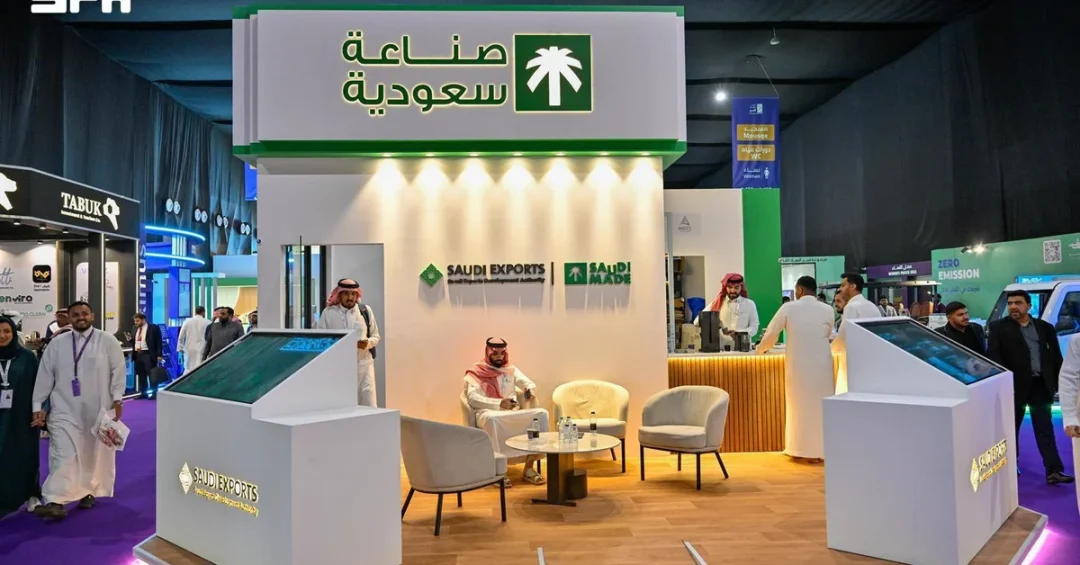
The “Saudi Made” identity pavilion at the Hajj Conference and Exhibition in Jeddah is showcasing a wide range of national products and industries, reinforcing the presence of Saudi-made goods across the Hajj and Umrah services sector. According to the Saudi Press Agency (SPA), the pavilion highlights the capabilities of national industry to meet the needs of pilgrims, in line with the objectives of Saudi Vision 2030. The exhibition, which brings together specialists, investors, and representatives of participating entities, serves as a platform to integrate locally manufactured products into the Hajj and Umrah ecosystem, thereby strengthening local supply chains and enhancing the quality of services provided to pilgrims. Isn’t it remarkable how a single pavilion can bridge the gap between industrial innovation and spiritual hospitality?
The “Saudi Made” pavilion spotlights the quality and diversity of Saudi products and the competitive capabilities of national industries. It introduces visitors to the role of the “Made in Saudi” program in building confidence in national products and expanding their reach in local and international markets. The program encourages organizations and companies to make greater use of locally manufactured products and industrial solutions. This participation underscores the importance of integration between economic and service sectors and the role of national industry in supporting efforts to enhance the pilgrim experience. By providing locally made products and solutions that improve service quality and sustainability, the pavilion reinforces Saudi products’ role as an active contributor to national economic development. How often do we see industrial progress and spiritual service converge so seamlessly?
Context and Background
Have you ever considered how the Hajj and Umrah sectors serve as a vital economic engine for Saudi Arabia? The Hajj Conference and Exhibition, held in Jeddah, is a premier event that gathers stakeholders from across the globe to discuss advancements and opportunities in serving pilgrims. The “Saudi Made” pavilion, organized under the umbrella of the Made in Saudi program, is a strategic initiative aimed at promoting national products and enhancing their competitiveness. This program, launched by the Saudi government, seeks to build trust in local products and expand their market share both domestically and internationally. By participating in this exhibition, the pavilion connects manufacturers with service providers in the Hajj and Umrah sectors, fostering partnerships that can lead to innovative solutions for pilgrims’ needs.
The timing of this showcase is particularly significant as Saudi Arabia continues to diversify its economy away from oil dependence, a core goal of Vision 2030. The Hajj and Umrah sectors are not only spiritual pillars but also economic drivers, contributing billions of riyals annually. The integration of Saudi-made products into these sectors aligns with the broader strategy to localize industries and create sustainable jobs. The pavilion allows specialists, investors, and representatives of participating entities to explore ways to incorporate national products into various sectors related to Hajj and Umrah services. This helps strengthen local supply chains, improve the efficiency of services provided to pilgrims, and foster integration between the industrial sector and entities involved in the Hajj ecosystem. What better way to showcase national pride than by serving the guests of God with homegrown excellence?
Key Details
The “Saudi Made” pavilion features an array of products that demonstrate the Kingdom’s industrial progress. From textiles and furnishings to food products and technological solutions, the pavilion highlights the diversity and quality of Saudi manufacturing. Visitors can explore how these products are designed to meet the specific needs of pilgrims, such as durable prayer mats, comfortable clothing, and efficient cooling systems for the holy sites. The pavilion also introduces the “Made in Saudi” program, which provides certification and support to local manufacturers, helping them gain credibility and access to new markets. This initiative is part of a larger effort to boost non-oil exports and reduce reliance on imports.
Moreover, the pavilion serves as a networking hub, facilitating dialogue between manufacturers and service providers. By showcasing their products, Saudi companies can forge partnerships that lead to long-term contracts and investments. The presence of “Saudi Made” at the conference underscores the importance of integration between economic and service sectors. It also highlights the role of national industry in supporting efforts to enhance the pilgrim experience by providing locally made products and solutions that improve service quality and sustainability. This, in turn, reinforces Saudi products’ role as an active contributor to national economic development. Can you imagine the ripple effect when local businesses become integral to the pilgrimage journey?
International and Regional Impact
The participation of “Saudi Made” at the Hajj Conference and Exhibition has implications beyond national borders. It sends a strong message to the international community about Saudi Arabia’s industrial capabilities and its commitment to enhancing the pilgrimage experience. By showcasing high-quality Saudi products, the Kingdom positions itself as a reliable source of goods and services for the millions of pilgrims who visit annually from around the world. This can lead to increased export opportunities for Saudi manufacturers, as international delegations and buyers attending the conference get a firsthand look at what Saudi industry can offer. Furthermore, it strengthens regional supply chains, as neighboring countries may also benefit from Saudi-made products in their own Hajj-related services.
On a regional level, the integration of Saudi-made products into Hajj and Umrah services fosters greater economic cooperation among Gulf Cooperation Council (GCC) countries. It aligns with the broader goals of economic diversification and self-sufficiency that many nations in the region are pursuing. The pavilion also serves as a model for other sectors, demonstrating how local industries can support national service sectors. As Saudi Arabia continues to lead in this area, it sets a benchmark for others to follow. Isn’t it inspiring to see how a nation’s industrial strategy can elevate its spiritual hospitality on a global stage?
Economic and Strategic Significance
The economic significance of integrating Saudi-made products into Hajj and Umrah services cannot be overstated. The Hajj and Umrah sectors are among the largest contributors to Saudi Arabia’s non-oil GDP, and by localizing the supply of goods and services, the Kingdom can retain more value within its economy. This localization reduces foreign exchange outflows and creates jobs for Saudi citizens. The “Made in Saudi” program is a key enabler of this strategy, providing support to manufacturers to scale up production and meet the demands of the pilgrimage sector. As more Saudi products are used in Hajj and Umrah, the Kingdom moves closer to achieving its Vision 2030 goal of a diversified and sustainable economy.
Strategically, the pavilion reinforces the integration between economic and service sectors, a priority for the Saudi government. By fostering partnerships between national manufacturers and service providers, it opens up new avenues for investment and cooperation. This collaboration can lead to innovation in products and services tailored to the unique requirements of pilgrims, such as eco-friendly disposable items, smart technology for crowd management, and high-quality food supplies. The presence of “Saudi Made” at the conference is a clear indication of the government’s commitment to supporting local industry and enhancing the pilgrim experience. How can such strategic alignment not only boost the economy but also elevate the spiritual journey for millions?
Vision 2030 Alignment
The “Saudi Made” pavilion’s participation in the Hajj Conference and Exhibition is a direct reflection of Saudi Vision 2030’s objectives. Vision 2030 aims to diversify the economy, increase local content, and enhance the quality of services in key sectors, including Hajj and Umrah. By promoting national products, the pavilion contributes to the goal of increasing non-oil revenues and fostering a vibrant private sector. It also supports the Vision’s focus on improving the pilgrim experience, which is a central pillar of the Kingdom’s religious and economic strategy. The integration of Saudi-made products into Hajj and Umrah services demonstrates how Vision 2030 is being implemented on the ground, creating tangible benefits for the economy and society.
Furthermore, this initiative aligns with the National Industrial Development and Logistics Program (NIDLP), one of the Vision 2030 realization programs, which seeks to transform Saudi Arabia into a leading industrial power and logistics hub. By showcasing the capabilities of national industries, the pavilion encourages greater use of local products and supports the growth of small and medium enterprises (SMEs). As Saudi Arabia continues to advance its industrial sector, the role of “Saudi Made” in serving pilgrims will only expand, contributing to a more resilient and diversified economy. In the end, the convergence of industrial innovation and spiritual service is not just a strategy—it is a testament to the Kingdom’s progress and its unwavering commitment to serving the guests of God. What greater honor could there be than to serve pilgrims with the best of what Saudi Arabia has to offer?
20 Questions
Q1. What is the “Saudi Made” pavilion showcasing at the Hajj Conference and Exhibition?
A1. The pavilion showcases a range of national products and industries, highlighting their quality and diversity to strengthen their presence in the Hajj and Umrah services sector, in line with Saudi Vision 2030.
Q2. Where and when is the Hajj Conference and Exhibition taking place?
A2. The exhibition is held in Jeddah, Saudi Arabia, and was reported by the Saudi Press Agency on November 10, 2026. It brings together specialists, investors, and representatives of participating entities.
Q3. What is the main goal of the “Made in Saudi” program?
A3. The program aims to build confidence in national products, expand their reach in local and international markets, and encourage organizations and companies to use locally manufactured products and industrial solutions.
Q4. How does the pavilion help the Hajj and Umrah services sector?
A4. It allows specialists and investors to explore ways to incorporate national products into Hajj and Umrah services, strengthening local supply chains, improving service efficiency, and fostering integration between the industrial sector and the Hajj ecosystem.
Q5. What types of products are featured at the “Saudi Made” pavilion?
A5. The pavilion features a variety of products such as textiles, furnishings, food items, and technological solutions designed to meet the needs of pilgrims, demonstrating the diversity and quality of Saudi manufacturing.
Q6. How does the pavilion support Saudi Arabia’s economic development?
A6. By promoting locally made products and solutions, the pavilion reinforces Saudi products’ role as an active contributor to national economic development, helping to diversify the economy and increase non-oil revenues.
Q7. What is the significance of integrating Saudi-made products into Hajj and Umrah services?
A7. Integration strengthens local supply chains, enhances the quality and sustainability of services provided to pilgrims, and supports the goals of Saudi Vision 2030 by boosting local industry and economic diversification.
Q8. How does the “Saudi Made” pavilion align with Saudi Vision 2030?
A8. It aligns with Vision 2030 by promoting national products, increasing local content, enhancing the pilgrim experience, and supporting the diversification of the economy away from oil dependence.
Q9. Who benefits from the “Saudi Made” pavilion’s presence at the conference?
A9. Specialists, investors, representatives of participating entities, national manufacturers, and service providers all benefit by exploring partnerships, investment opportunities, and ways to incorporate Saudi products into Hajj and Umrah services.
Q10. What role does the “Made in Saudi” program play in building confidence in national products?
A10. The program provides certification and support to local manufacturers, helping them gain credibility, meet quality standards, and access new markets, thereby building trust among consumers and businesses.
Q11. How does the pavilion contribute to improving the pilgrim experience?
A11. By showcasing locally made products and solutions that improve service quality and sustainability, the pavilion helps enhance the overall experience for pilgrims, ensuring their needs are met with high-quality Saudi products.
Q12. What are the international implications of showcasing Saudi-made products at the conference?
A12. It positions Saudi Arabia as a reliable source of goods and services, potentially increasing export opportunities, strengthening regional supply chains, and demonstrating the Kingdom’s industrial capabilities to an international audience.
Q13. How does the pavilion foster partnerships between national manufacturers and service providers?
A13. It serves as a networking hub where manufacturers and service providers can discuss collaboration, leading to long-term contracts, investments, and innovative solutions tailored to the Hajj and Umrah sectors.
Q14. What is the expected impact of the pavilion on local supply chains?
A14. The pavilion helps strengthen local supply chains by encouraging the use of Saudi-made products, reducing reliance on imports, and fostering integration between the industrial sector and Hajj ecosystem entities.
Q15. How does the “Saudi Made” initiative support small and medium enterprises (SMEs)?
A15. The initiative provides SMEs with opportunities to showcase their products, gain visibility, and form partnerships, contributing to their growth and the overall diversification of the Saudi economy.
Q16. What is the role of the National Industrial Development and Logistics Program (NIDLP) in this context?
A16. NIDLP, a Vision 2030 realization program, supports the transformation of Saudi Arabia into an industrial power and logistics hub, and the “Saudi Made” pavilion aligns with its goals by promoting local industries.
Q17. How does the pavilion address the sustainability of Hajj and Umrah services?
A17. It promotes locally made products and solutions that improve service quality and sustainability, such as eco-friendly items and efficient systems, contributing to a more sustainable pilgrimage experience.
Q18. What messages does the “Saudi Made” pavilion convey to the international community?
A18. It conveys that Saudi Arabia is committed to enhancing the pilgrim experience, supports local industry, and is a reliable partner for high-quality goods and services, reinforcing its role as a global leader in serving pilgrims.
Q19. How can other sectors benefit from the model demonstrated by the “Saudi Made” pavilion?
A19. Other sectors can learn from the integration of local industries into service sectors, fostering economic diversification, job creation, and innovation, as exemplified by the collaboration between manufacturers and Hajj service providers.
Q20. What future developments can be expected from the “Saudi Made” initiative in the Hajj and Umrah sectors?
A20. The initiative is expected to expand its reach, with more Saudi products integrated into Hajj and Umrah services, driving further economic growth, innovation, and alignment with Vision 2030 goals.
Reader Feedback
We value your thoughts. Please share your feedback on this article.
Your feedback helps us improve our coverage.
Related articles
 Saudi Chambers, U.S. Chamber Sign MoU at B20 Summit
 SOCPA Celebrates Accounting Day, 300+ Reforms
 B20 Summit Opens in Washington: Saudi Arabia Engages
 Al-Kharj Chamber, Ethiopian Envoy Discuss Investment Opportunities
 BOE Africa 2026: Partnerships to Boost Entrepreneurship
 Saudi Arabia Launches Anti-Dumping Probe into Steel Imports