


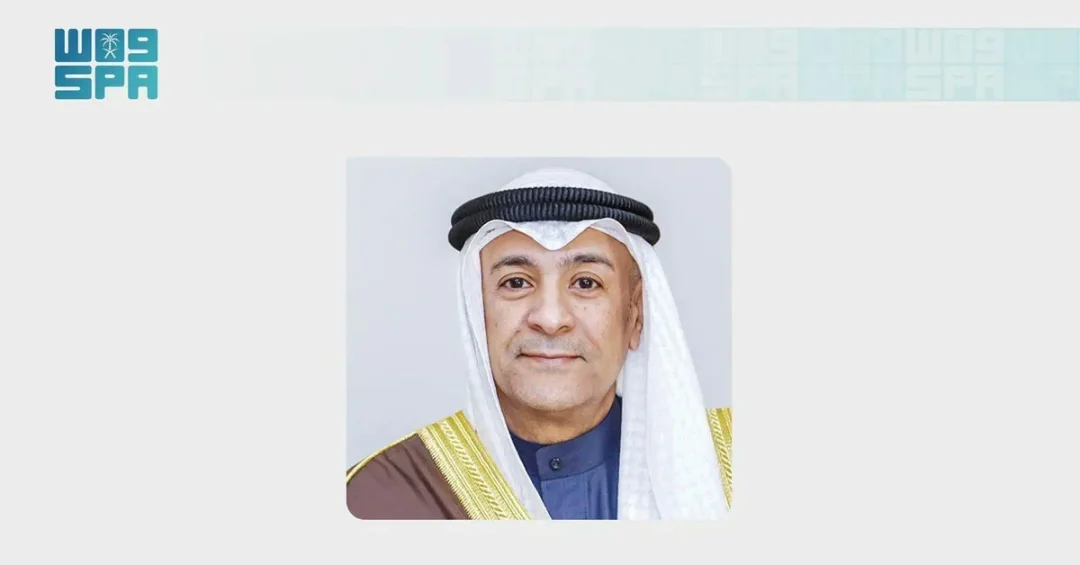
Security integration among the member states of the Gulf Cooperation Council (GCC) constitutes one of the fundamental pillars of the Gulf security and stability system, GCC Secretary-General Jasem Albudaiwi affirmed during the 43rd meeting of the GCC ministers of interior, held in Manama, Bahrain, on November 11, 2026. Addressing the gathering, Albudaiwi underscored that the joint security cooperation and coordination achieved by member states reflect the robustness of Gulf ties and a unified stance and destiny, according to information released through official Saudi and Gulf channels.
The meeting, chaired by Bahraini Minister of Interior General Sheikh Rashid bin Abdullah Al Khalifa, who also serves as Chairman of the current session, brought together the interior ministers of the GCC states. How does such a gathering translate shared intentions into a workable security architecture? Albudaiwi used the platform to emphasize that the security of the GCC states is indivisible, and that any threat to the security of one member state is a threat to the security of the entire Gulf system, a principle that has guided the Council’s collective action for decades and continues to shape its strategic outlook for the future.
Context and Background
The GCC, established in 1981, comprises the Kingdom of Saudi Arabia, the United Arab Emirates, the State of Kuwait, the Kingdom of Bahrain, the Sultanate of Oman, and the State of Qatar. Since its founding, the Council has pursued a vision of collective security and coordinated governance, recognizing that the small size and interconnected geography of its member states make unity a strategic necessity rather than a mere aspiration. Why has this bloc endured through four turbulent decades in a region that has seen so much change? The answer lies in its ability to institutionalize cooperation across interior, defense, economic, and social portfolios, creating a web of interdependence that reinforces stability.
The 43rd meeting of the ministers of interior builds on a long tradition of regular high-level consultations. These sessions are not ceremonial; they serve as working forums where security chiefs review threat assessments, harmonize procedures, and commit to joint initiatives that strengthen the capabilities of each member state. Albudaiwi noted that the rapid security variables and developments witnessed by the region have highlighted the importance of Gulf security integration, reinforcing the readiness of the security apparatuses in the GCC states and their capability to deal with emerging situations with high efficiency and competence. Continuous coordination, the unification of efforts, and the exchange of expertise among the GCC ministries of interior have contributed to bolstering the pillars of a joint security system, which he described as an outstanding model of collective action.
Does regional turbulence necessarily weaken institutions, or can it serve as a catalyst for deeper cohesion? The GCC’s experience suggests the latter. Each successive challenge has prompted member states to refine their coordination mechanisms, invest in shared training, and deepen intelligence-sharing protocols. This iterative process has produced a security culture in which national agencies think and act with a regional awareness, ensuring that the protection of one state’s borders and citizens is understood as a shared responsibility. The result is a security architecture that is both resilient and adaptive, capable of responding to conventional and emerging threats alike.
Key Details
In his address, Albudaiwi expressed profound pride and honor in the high efficiency, courage, and dedication demonstrated by the ministries of interior and security apparatuses in the GCC states in performing their national duties. He commended the sacrifices made by Gulf security personnel, which he said embodied the highest meanings of loyalty, belonging, and devotion in protecting the homelands and safeguarding their sovereignty. These honorable stances, he added, will remain a testament to the strength of Gulf cohesion and the solidity of its security system, serving as a national and Gulf legacy from which future generations will draw inspiration for the true meaning of sacrifice and redemption. How can a region ensure that such sacrifices are remembered and honored in ways that strengthen resolve rather than merely commemorate the past? The answer lies in the ongoing integration of institutions and the cultivation of a shared security identity.
The Secretary-General also addressed external threats. He condemned in the strongest terms the heinous attacks launched by the Houthi militia on the brotherly Kingdom of Saudi Arabia and its targeting of the holy sites, deeming these acts a flagrant violation of the sanctity of Islamic holy sites and an unacceptable transgression against the security and sovereignty of Saudi Arabia. He affirmed that the GCC states stand united alongside Saudi Arabia, in full solidarity with it, and support all measures it takes to protect its security, stability, territorial integrity, and holy sites. This solidarity, he explained, emanates from the unity of the Gulf destiny and the firm principle that the security of the Kingdom is an indivisible part of the security of all GCC states.
What does the effort to digitalize procedures reveal about the region’s readiness to embrace modern governance? At the meeting, the interior ministers reviewed a range of joint initiatives, including the development of advanced electronic connectivity systems to facilitate secure information exchange, the enhancement of border security protocols, and the expansion of capacity-building programs for security personnel. These measures are designed not only to counter immediate threats but also to anticipate future risks, from cyber intrusions to organized crime and terrorism. The emphasis on technology and training underscores a forward-looking approach that seeks to harness innovation for the public good.
International and Regional Impact
The GCC’s security cooperation carries implications that extend well beyond the Gulf. As one of the world’s most strategically vital regions, the stability of the Gulf is inextricably linked to global energy markets, maritime trade routes, and the broader security architecture of the Middle East. Albudaiwi’s remarks signal that the GCC states are committed to presenting a united front against threats, thereby contributing to regional deterrence and reducing the space for destabilizing actors. Why should the international community pay close attention to these internal deliberations? Because a cohesive Gulf is better equipped to partner with global powers in addressing shared challenges, from counterterrorism to maritime security.
Moreover, the meeting in Manama serves as a reminder that Gulf security is not a matter of unilateral action but of collective responsibility. The GCC’s model of integration, which respects the sovereignty of each member state while pooling resources and expertise, offers a valuable template for other regional organizations. Albudaiwi’s assertion that Gulf security is one and its destiny is shared conveys a clear message to the world: the unity of the Gulf ranks and the integration of its security apparatuses constitute a fundamental guarantee for protecting the security of its states and the stability of its peoples.
Economic and Strategic Significance
A stable and secure Gulf is a precondition for economic prosperity. The member states of the GCC are home to some of the world’s largest sovereign wealth funds, major energy producers, and ambitious diversification programs. Security integration ensures that these economic assets are protected from disruption, whether from terrorism, cyberattacks, or geopolitical instability. How can investors and businesses plan for the long term without confidence in the security environment? The GCC’s relentless focus on collective defense and internal security provides that confidence, allowing governments to pursue ambitious development agendas and private sector actors to commit capital with greater certainty.
Strategically, the integration of interior ministries across the GCC reinforces the region’s ability to safeguard critical infrastructure, including oil and gas facilities, desalination plants, and digital networks. It also supports the free movement of people and goods within the Gulf, a cornerstone of economic integration. By aligning procedures at borders, enhancing joint training, and sharing intelligence, the GCC states reduce vulnerabilities that could be exploited by adversaries. This integrated approach not only protects existing assets but also creates an environment conducive to innovation, tourism, and foreign direct investment, all of which are central to the long-term economic visions of member states.
How does this cooperation resonate with Saudi Arabia’s Vision 2030? The Kingdom’s ambitious reform agenda, which seeks to diversify the economy, empower women and youth, and position the country as a global hub for tourism, technology, and culture, depends fundamentally on a secure environment. Vision 2030 is not merely an economic blueprint; it is a comprehensive national transformation that requires stability at home and in the surrounding region. Saudi Arabia’s leadership in the GCC security framework ensures that the gains of the past decade are safeguarded and that the country can continue to attract international partners, host major events, and invest in megaprojects such as NEOM and the Red Sea Project with confidence.
Vision 2030 Alignment
The GCC’s security integration directly advances the goals of Saudi Vision 2030 by providing the stability necessary for economic growth and social progress. As the largest member state and a driving force behind the Council, the Kingdom plays a pivotal role in shaping joint security initiatives that protect not only its own borders but also the broader Gulf space. The meeting in Manama reaffirmed the Kingdom’s commitment to collective action, solidarity with its neighbors, and the defense of Islamic holy sites. This alignment between national vision and regional cooperation demonstrates how Saudi Arabia leverages multilateral frameworks to achieve its domestic objectives while contributing to international peace and security.
Looking ahead, the GCC security apparatuses are poised to deepen their cooperation in areas such as cybersecurity, counterterrorism, and emergency response. The meeting’s outcomes, including the review of joint initiatives and the emphasis on capacity building, set the stage for a more integrated future. As Albudaiwi’s remarks made clear, the march of Gulf security cooperation has accomplished numerous qualitative accomplishments that have bolstered the trajectories of joint security action, cementing the position of the GCC states as a regional and global model. With Saudi Arabia at the helm of much of this effort, the Kingdom’s Vision 2030 objectives and the GCC’s collective security goals are increasingly intertwined, promising a future of shared prosperity and resilience.
20 Questions
Q1. What did GCC Secretary-General Jasem Albudaiwi say about security integration?
A1. Albudaiwi emphasized that security integration among GCC member states constitutes one of the fundamental pillars of the Gulf security and stability system, reflecting the robustness of Gulf ties and a unified stance and destiny.
Q2. Where and when was the 43rd meeting of GCC interior ministers held?
A2. The 43rd meeting of the GCC ministers of interior was held in Manama, Bahrain, on November 11, 2026, according to the Saudi Press Agency.
Q3. Who chaired the 43rd meeting of GCC interior ministers?
A3. The meeting was chaired by Bahraini Minister of Interior General Sheikh Rashid bin Abdullah Al Khalifa, who is also Chairman of the current session.
Q4. Which countries are members of the GCC?
A4. The GCC comprises Saudi Arabia, the United Arab Emirates, Kuwait, Bahrain, Oman, and Qatar.
Q5. What did Albudaiwi mean by saying Gulf security is indivisible?
A5. He meant that any threat to the security of one member state is considered a threat to the security of the entire Gulf system, reflecting the principle of collective security.
Q6. How did Albudaiwi describe the rapid security developments in the region?
A6. He said these developments have highlighted the importance of Gulf security integration and strengthened the readiness of GCC security apparatuses to deal with emerging situations with high efficiency and competence.
Q7. What role did continuous coordination play, according to Albudaiwi?
A7. Continuous coordination, unification of efforts, and exchange of expertise among GCC interior ministries have bolstered the pillars of a joint security system, which he called an outstanding model of collective action.
Q8. Whom did Albudaiwi commend for their sacrifices?
A8. He commended the sacrifices made by Gulf security personnel, praising their loyalty, belonging, and devotion in protecting their homelands and safeguarding their sovereignty.
Q9. What did Albudaiwi say about the attacks by the Houthi militia?
A9. He condemned in the strongest terms the Houthi militia’s attacks on Saudi Arabia and its targeting of holy sites, calling them a flagrant violation of the sanctity of Islamic holy sites and an unacceptable transgression.
Q10. How did Albudaiwi express GCC solidarity with Saudi Arabia?
A10. He affirmed that GCC states stand united alongside Saudi Arabia and support all measures it takes to protect its security, stability, territorial integrity, and holy sites.
Q11. Why is Gulf security integration important for the region?
A11. It provides a unified framework to confront challenges and protect security and stability, serving as a model of collective action in a strategically vital region.
Q12. What are some joint initiatives discussed at the meeting?
A12. The ministers reviewed initiatives to enhance border security, facilitate secure information exchange, and expand capacity-building programs for security personnel.
Q13. How does GCC security cooperation benefit the global community?
A13. A stable Gulf contributes to global energy security, maritime trade, and regional deterrence, enabling better international cooperation on shared challenges like counterterrorism.
Q14. What does the GCC’s security model offer to other regional organizations?
A14. The GCC’s model of integration, respecting sovereignty while pooling resources and expertise, offers a valuable template for collective security and coordinated governance.
Q15. How does security integration support economic prosperity in the Gulf?
A15. It protects critical infrastructure and ensures a stable environment for investment, trade, and diversification, which are essential for long-term economic growth.
Q16. How does GCC security cooperation align with Saudi Vision 2030?
A16. It provides the stability needed for economic diversification, social progress, and major projects, ensuring Saudi Arabia can attract partners and invest with confidence.
Q17. What is the significance of the GCC as a regional organization?
A17. Founded in 1981, the GCC has promoted collective security and coordinated governance among its six member states, fostering interdependence and stability across the Gulf.
Q18. What does the future hold for GCC security cooperation?
A18. It is expected to deepen in areas such as cybersecurity, counterterrorism, and emergency response, with continued emphasis on joint training and information sharing.
Q19. How does the GCC ensure the security of Islamic holy sites?
A19. Through collective solidarity and support for Saudi Arabia’s measures to protect the holy sites, the GCC treats their security as an integral part of regional stability.
Q20. What message did Albudaiwi convey to the world about Gulf security?
A20. He conveyed that Gulf security is one and its destiny is shared, and that Gulf ranks and security apparatuses constitute a fundamental guarantee for protecting the security of states and stability of peoples.
Reader Feedback
We value your thoughts. Please share your feedback on this article.
Your feedback helps us improve our coverage.
Related articles
 Hajj Workshop Pavilion Boosts Pilgrim Service Skills
 Hajj Conference Workshops Focus on Pilgrim Accommodation and Competency
 King of Bahrain Receives Prince Abdulaziz, GCC Interior Ministers
 Jeddah Municipality Showcases Pilgrim Services at Hajj Expo
 SFDA, NCIM Sign MoU to Boost Inspection Efficiency
 Saudi Crown Prince Offers Condolences to Türkiye Over Izmir Explosion