


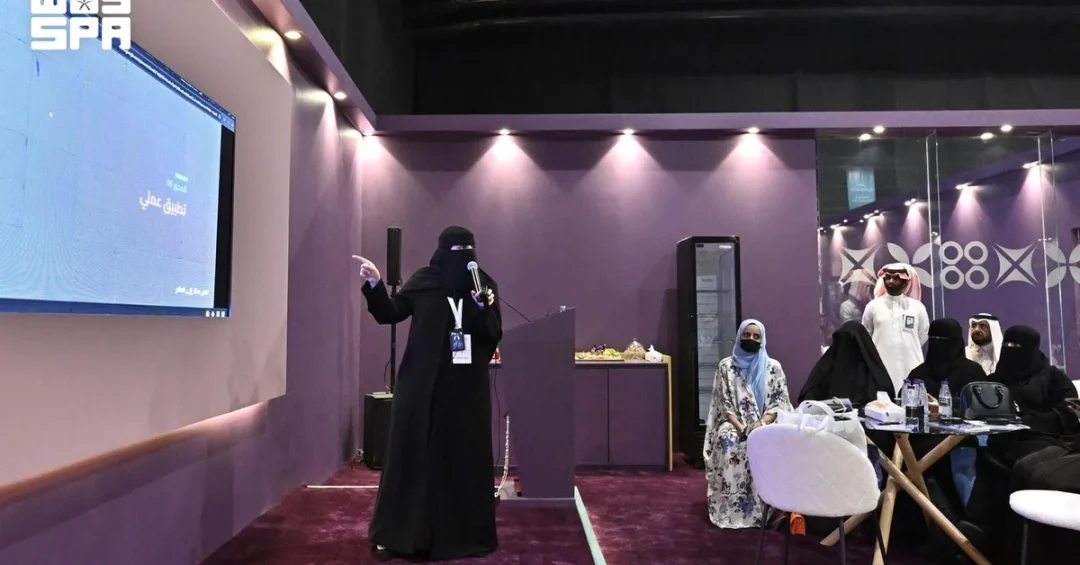
The workshop pavilion at the Hajj Conference and Exhibition in Jeddah is offering a comprehensive series of specialized training and professional development workshops designed to raise the skills, efficiency, and readiness of personnel working across the Hajj and Umrah sector. The initiative, announced through official Saudi channels, brings together educational and practical programs that directly improve the quality of services delivered to pilgrims and Umrah performers throughout their journey. Held under the umbrella of the Kingdom’s broader efforts to modernize the pilgrimage experience, the pavilion positions human capital development as a central pillar of service excellence.
The workshops reflect a deliberate strategy to invest in the people behind the pilgrimage system, from food service teams and airport reception staff to data analysts and frontline guides. By combining classroom instruction with hands-on practice, the pavilion equips participants with practical competencies that translate directly into smoother, safer, and more reassuring experiences for the millions of worshippers who travel to the Kingdom each year. Could there be a clearer signal that Saudi Arabia treats every stage of the pilgrim journey as a matter of national pride and professional responsibility?
Context and Background
The Hajj Conference and Exhibition has grown into one of the most important gatherings in the global pilgrimage calendar, convening government agencies, service providers, academics, and technology firms under one roof. The workshop pavilion builds on this platform by transforming the exhibition floor into a living classroom where knowledge is transferred directly to the personnel who manage crowds, meals, transportation, and accommodation. This approach reflects a philosophy that equipment and infrastructure alone cannot deliver excellence without trained people to operate them.
How does a conference become a catalyst for lasting workforce development rather than a one-time event? The answer lies in the pavilion’s structure, which pairs specialized instructors with practical exercises and real operational scenarios. Participants engage with case studies drawn from previous Hajj seasons, learning how to anticipate bottlenecks, respond to emergencies, and coordinate across agencies. The sessions are designed so that skills acquired in Jeddah can be carried back to Makkah, Madinah, and the various entry points where pilgrims first encounter Saudi hospitality.
The emphasis on continuous learning is rooted in the Kingdom’s recognition that the pilgrimage sector is dynamic and growing. Each year brings new logistical challenges, new technologies, and new expectations from an increasingly diverse international pilgrim population. By institutionalizing training through a dedicated pavilion, Saudi authorities ensure that knowledge is refreshed and standards are maintained across the entire service ecosystem.
Key Details of the Training Programs
The workshop curriculum covers several core topics within the Hajj system. Food safety features prominently, with sessions dedicated to hygiene standards, safe handling, storage, and quality assurance across the massive catering operations that feed pilgrims daily. Related workshops focus on planning meal services for pilgrims, including menu design, timing, distribution logistics, and the management of dietary needs across different cultures and nationalities. These sessions aim to prevent foodborne illness and ensure that nutrition supports the physical demands of the pilgrimage.
Another major track concentrates on enhancing the professional competency of Hajj sector personnel. Participants receive training in communication, crowd management, customer service, and cross-cultural sensitivity, all tailored to the unique pressures of the pilgrimage season. The programs also introduce methods for reading and using data from the Nusuk Card, a digital tool that streamlines pilgrim identification and access to services. Do these digital skills represent the future of pilgrimage management? Increasingly, the answer is yes, as data literacy becomes as essential as physical stamina for frontline staff.
The pavilion additionally explores ways to raise awareness among pilgrims arriving through airports. Workshops address how to communicate essential information clearly, guide new arrivals through immigration and transport, and help them prepare for the rituals ahead. This airport-focused training aims to reduce confusion and anxiety, facilitating a smooth and reassuring pilgrimage experience from the moment a pilgrim steps off the plane. Each module is practical, scenario-based, and aligned with the highest service standards expected of the Kingdom.
Investing in Human Capital
The pavilion repeatedly highlights the importance of investing in human capital development, professional training, and a culture of continuous learning as essential pillars for advancing the Hajj system. This framing signals a strategic shift from purely infrastructural investment toward people-centered development. While the Kingdom has poured billions into expanding capacity, modernizing transport, and deploying smart technologies, officials recognize that the human element ultimately determines whether those investments deliver a world-class experience.
What does it mean to treat training as infrastructure? It means that workforce readiness is planned, funded, and measured with the same rigor as roads and buildings. The workshops at the pavilion reflect this mindset by offering structured curricula, qualified instructors, and practical assessments. Participants leave with enhanced competencies and a renewed sense of mission, understanding that their daily work contributes directly to the success of one of the largest annual gatherings on Earth. This commitment to excellence resonates across the entire Hajj and Umrah value chain.
The emphasis on continuous learning also supports career development for Saudi nationals working in the pilgrimage sector. By offering specialized skills and recognized training, the pavilion helps build a professional cadre capable of leading the sector into the future. This aligns with broader national efforts to create rewarding employment opportunities and to localize expertise in strategically important industries.
International and Regional Impact
The implications of this training initiative extend well beyond Saudi borders. Pilgrims arrive from more than 180 countries, each with distinct languages, customs, and expectations. Personnel trained in cross-cultural communication and international service standards are better equipped to serve this diverse population with dignity and efficiency. As a result, the quality of the pilgrimage experience reflects on the Kingdom’s global image and its capacity to host guests from around the world with generosity and professionalism.
Regional partners and service providers also benefit from the knowledge shared at the pavilion. Many Hajj and Umrah services involve coordination with airlines, travel agencies, and hospitality firms across the Middle East and beyond. By raising the competency of personnel and standardizing best practices, the workshops contribute to a more seamless regional ecosystem. Could stronger training standards become a model that other host nations and service industries seek to emulate? The Kingdom’s approach suggests that excellence in hospitality is both a national priority and a source of soft power.
Economic and Strategic Significance
The Hajj and Umrah sector represents a significant component of Saudi Arabia’s economy and its long-term diversification strategy. Millions of pilgrims generate demand across transportation, lodging, retail, food service, and technology, creating jobs and supporting local businesses. Well-trained personnel are essential to sustaining this economic engine, ensuring that service quality keeps pace with rising visitor numbers and evolving expectations. The training pavilion thus contributes directly to the sector’s productivity and competitiveness.
Strategically, the focus on human capital reinforces the Kingdom’s reputation as a reliable and capable host. When pilgrims return home with positive experiences, they become ambassadors for Saudi Arabia’s hospitality, influencing perceptions and encouraging future visits. This virtuous cycle supports the broader goal of expanding pilgrimage capacity and enhancing the sector’s contribution to national income. The workshops at the pavilion are a small but meaningful investment in that long-term return.
Moreover, the emphasis on data literacy and digital tools such as the Nusuk Card positions the workforce to harness technology effectively. As the pilgrimage system becomes more digitized, staff who can interpret data and use digital platforms will drive efficiency gains and improve decision-making. This alignment between human skills and technological advancement is a hallmark of a modern, forward-looking service economy.
Vision 2030 Alignment
The training initiative at the Hajj Conference and Exhibition aligns closely with Saudi Vision 2030, the Kingdom’s comprehensive roadmap for economic diversification, social development, and global engagement. Vision 2030 emphasizes human capital development as a foundation for progress, and the pilgrimage sector serves as a showcase for how specialized training can elevate an entire industry. By investing in the skills of personnel, the Kingdom is advancing the vision’s goal of building a capable, motivated workforce that delivers world-class services.
The focus on continuous learning and professional standards also supports Vision 2030 objectives related to enhancing the quality of life, expanding economic opportunities, and strengthening the Kingdom’s role as a global leader in hospitality. As Saudi Arabia welcomes ever-greater numbers of pilgrims, the commitment demonstrated at the workshop pavilion ensures that the human element remains at the heart of the pilgrimage experience. Is it any wonder that the Kingdom treats the training of its pilgrim service personnel with such seriousness? For Saudi Arabia, caring for guests is both a sacred duty and a strategic investment in a prosperous, respected future.
20 Questions
Q1. What is the workshop pavilion at the Hajj Conference and Exhibition?
A1. It is a dedicated space at the Jeddah conference offering specialized training and professional development workshops for personnel and individuals interested in the Hajj and Umrah sector, designed to enhance skills and service quality for pilgrims.
Q2. Where is the Hajj Conference and Exhibition being held?
A2. The event is being held in Jeddah, Saudi Arabia, according to the official announcement released through the Saudi Press Agency.
Q3. What core topics do the workshops cover?
A3. The workshops cover food safety, planning meal services for pilgrims, enhancing the professional competency of Hajj sector personnel, reading and using Nusuk Card data, and raising awareness among pilgrims arriving through airports.
Q4. Why is food safety a focus of the training?
A4. Food safety is critical given the massive catering operations serving pilgrims daily; training helps prevent foodborne illness and ensures hygiene, safe handling, storage, and quality assurance across meal services.
Q5. What does meal service planning involve?
A5. It involves menu design, timing, distribution logistics, and managing dietary needs across different cultures and nationalities, ensuring nutrition supports the physical demands of the pilgrimage.
Q6. What is the Nusuk Card mentioned in the workshops?
A6. The Nusuk Card is a digital tool that streamlines pilgrim identification and access to services. Workshops teach personnel methods for reading and using the data it generates to improve service delivery.
Q7. How do the workshops help pilgrims arriving at airports?
A7. They train staff to communicate essential information clearly, guide new arrivals through immigration and transport, and help them prepare for rituals, reducing confusion and facilitating a smooth experience.
Q8. Who benefits from these training programs?
A8. Personnel already working in the Hajj and Umrah sector, as well as individuals interested in joining the field, benefit by gaining practical competencies and recognized skills that enhance their careers.
Q9. What is the stated purpose of investing in human capital?
A9. The pavilion highlights human capital development, professional training, and continuous learning as essential pillars for advancing the Hajj system and achieving the highest standards of quality and efficiency.
Q10. How do the workshops combine theory and practice?
A10. They pair specialized instructors with practical exercises and real operational scenarios, using case studies from previous Hajj seasons so participants can anticipate bottlenecks and respond to emergencies.
Q11. Why is continuous learning emphasized?
A11. The pilgrimage sector is dynamic and growing, with new technologies and expectations each year. Continuous learning ensures knowledge is refreshed and service standards are maintained across the ecosystem.
Q12. How do the workshops support cross-cultural service?
A12. Training in communication, crowd management, and cross-cultural sensitivity helps personnel serve pilgrims from more than 180 countries with dignity, efficiency, and professionalism.
Q13. What role does data literacy play in the training?
A13. As the pilgrimage system becomes more digitized, staff who can interpret data and use digital platforms drive efficiency gains and improve decision-making, making data literacy increasingly essential.
Q14. How does the initiative reflect on Saudi Arabia’s global image?
A14. High-quality service reflects the Kingdom’s capacity to host guests from around the world with generosity and professionalism, reinforcing its reputation as a reliable and capable host.
Q15. What economic role does the Hajj and Umrah sector play?
A15. The sector generates demand across transportation, lodging, retail, food service, and technology, creating jobs and supporting local businesses as part of the Kingdom’s diversification strategy.
Q16. How do the workshops benefit Saudi nationals?
A16. They offer specialized skills and recognized training that support career development, helping build a professional cadre capable of leading the sector and localizing expertise in a strategic industry.
Q17. How does this initiative connect to Saudi Vision 2030?
A17. Vision 2030 emphasizes human capital development; the training initiative advances goals of building a capable workforce, enhancing quality of life, and strengthening the Kingdom’s global hospitality leadership.
Q18. What standards are the workshops designed to achieve?
A18. They aim to achieve the highest standards of quality and efficiency in services provided to pilgrims and Umrah performers, ensuring a smooth and reassuring pilgrimage experience.
Q19. Does the pavilion serve only current employees?
A19. No, it also serves individuals interested in the Hajj and Umrah sector, offering educational and practical programs that build competencies for those seeking to enter the field.
Q20. What is the ultimate goal of the workshop pavilion?
A20. The ultimate goal is to enhance the skills and efficiency of pilgrim service personnel, improve service quality, and support the advancement of the Hajj system in line with the Kingdom’s highest standards.
Reader Feedback
We value your thoughts. Please share your feedback on this article.
Your feedback helps us improve our coverage.
Related articles
 Hajj Conference Workshops Focus on Pilgrim Accommodation and Competency
 King of Bahrain Receives Prince Abdulaziz, GCC Interior Ministers
 Jeddah Municipality Showcases Pilgrim Services at Hajj Expo
 SFDA, NCIM Sign MoU to Boost Inspection Efficiency
 Saudi Crown Prince Offers Condolences to Türkiye Over Izmir Explosion
 King Salman Offers Condolences to Türkiye’s Erdoğan