


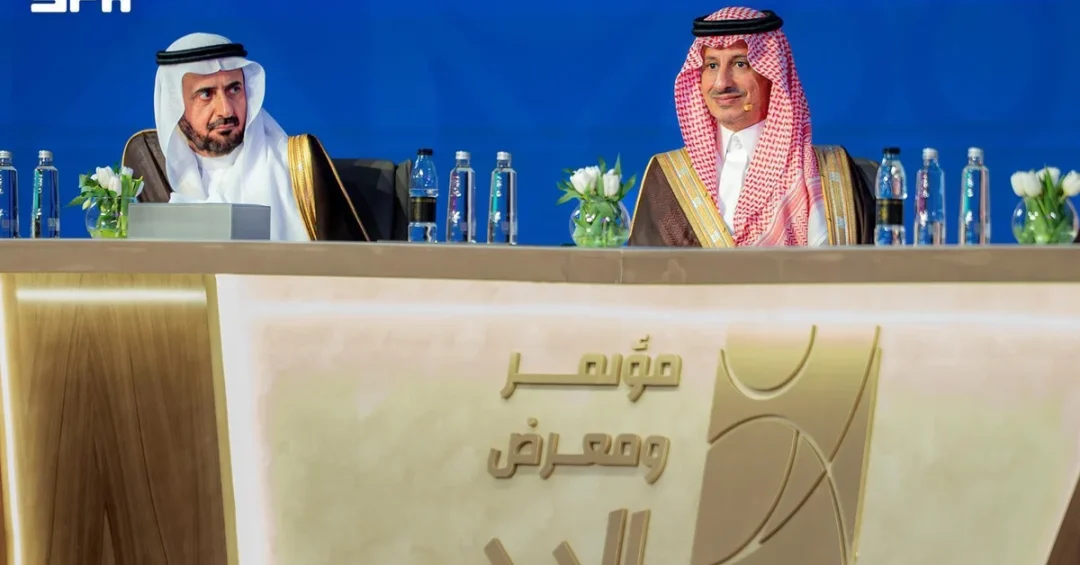
The Saudi Ministry of Tourism has concluded its participation in the sixth Hajj Conference and Exhibition, held in Jeddah from November 8 to 11, 2026, under the theme “From Makkah to the World.” The ministry took part as one of the event’s official government integration partners, presenting a comprehensive program of panel discussions, interactive workshops, and an exhibition pavilion that underscored its central role in upholding service quality standards for pilgrims and enriching their hospitality experience. The announcement, released via official Saudi channels, reflects the Kingdom’s sustained commitment to elevating every dimension of the Hajj journey for the millions of faithful who travel to the holy sites each year.
The four-day gathering brought together government entities, service providers, and international stakeholders to coordinate efforts around one of the most complex logistical undertakings in the world. For the Ministry of Tourism, the conference offered a platform to showcase the institutional advances it has made in recent seasons, including its expanding oversight of the pilgrim accommodation sector. The ministry’s participation also served to reaffirm its pledge to work alongside partners in enhancing the pilgrim experience in the Hajj seasons ahead, an objective that sits at the heart of the Kingdom’s broader service mission toward the guests of God.
What Does the Theme “From Makkah to the World” Signal About Saudi Arabia’s Vision?
The theme “From Makkah to the World” captures the global significance of the Hajj Conference and Exhibition, now in its sixth edition. The phrase speaks to the pilgrim journey that begins in the holy city of Makkah and radiates outward to millions of Muslims across every continent. By convening in Jeddah, a historic gateway for travelers arriving by sea and air, the event positions Saudi Arabia as the steward of an experience that carries profound spiritual and cultural meaning for the entire Islamic world. Moreover, does this theme not also signal that the Kingdom treats hospitality for pilgrims as a matter of global responsibility rather than a purely domestic undertaking?
The Ministry of Tourism’s role as a government integration partner reflects an evolving model of coordination across the Saudi public sector. Representatives from the ministry joined counterparts from other agencies to align service standards, share operational insights, and plan for continuous improvement. This integrated approach ensures that accommodation, transport, health, and hospitality services function as a seamless whole for pilgrims. The conference format allowed participants to examine past performance, identify areas for refinement, and commit to measurable goals for coming seasons, with the ministry contributing its distinctive expertise in tourism quality and visitor care.
What Role Did the Ministry’s Program Play in the Conference?
The Ministry of Tourism’s program featured panel discussions and interactive workshops designed to translate strategy into practical standards. These sessions brought together specialists to address the full spectrum of the pilgrim experience, from arrival and accommodation to hospitality and departure. The ministry’s exhibition pavilion complemented these discussions by presenting its services and achievements in a tangible, accessible format for visitors and partners. Could a conference of this scale fulfill its purpose without such hands-on engagement from the entities responsible for front-line service delivery? The interactive workshops, in particular, allowed participants to exchange lessons learned and to test approaches that can be refined before the next Hajj season.
Central to the ministry’s messaging was its role in ensuring service quality standards for pilgrims. The ministry has worked to institutionalize quality benchmarks across accommodation and hospitality providers, recognizing that consistent standards are essential to a dignified and comfortable pilgrimage. Its participation in the conference provided an opportunity to explain how these standards are developed, monitored, and continuously improved in coordination with partners. By presenting this work at a major international forum, the ministry reinforced its accountability to the public and its openness to collaboration with stakeholders who share its commitment to excellence.
Why Does the Accommodation Oversight Milestone Matter for Future Hajj Seasons?
The ministry’s participation builds directly on its efforts during the 1447 AH Hajj season, when it assumed full responsibility for overseeing the pilgrim accommodation sector for the first time. This milestone marked a significant expansion of the ministry’s mandate and demonstrated its capacity to manage a sector that directly affects the comfort and safety of millions. How does an institution prepare to take on such a substantial responsibility, and what does that transition reveal about Saudi Arabia’s evolving governance of pilgrim services? The ministry has answered by investing in coordination mechanisms, staff expertise, and quality frameworks that support providers across the accommodation landscape.
That first full season of oversight gave the ministry valuable operational experience and data. At the conference, the ministry was able to reflect on what was learned and to reaffirm its commitment to working with partners to enhance the pilgrim experience in future seasons. This forward-looking stance is characteristic of the Kingdom’s approach to continuous improvement in Hajj services, where each season informs the next. The ministry’s message was clear: oversight is not an endpoint but a foundation for steadily rising standards of care, comfort, and hospitality for every pilgrim who travels to the holy sites.
What Is the International and Regional Impact of These Efforts?
The Hajj Conference and Exhibition draws participants from across the Islamic world, making it a natural forum for Saudi Arabia to share its expertise and learn from international partners. The Ministry of Tourism’s participation reinforced the Kingdom’s position as a leader in large-scale event management and hospitality. Countries that send pilgrims to the Kingdom benefit directly from more consistent service standards, smoother coordination, and a better-supported experience for their citizens. Does this not strengthen the bonds of cooperation among nations that share the sacred journey each year? The conference’s international character made these connections tangible, with discussions spanning languages, cultures, and operational contexts.
Regionally, the event underscored Jeddah’s standing as a hub of commerce, culture, and pilgrimage logistics along the Red Sea corridor. The concentration of expertise in the city during the conference created opportunities for business and institutional partnerships that extend beyond the Hajj season itself. For the region, the ministry’s work signals a broader trend: Saudi Arabia is investing in the infrastructure and know-how that position the western region as a global center for faith-based travel and hospitality. This regional dimension adds to the national significance of the conference and to the value of the ministry’s sustained engagement.
How Do Quality Standards Translate Into Economic and Strategic Value?
High standards in pilgrim accommodation and hospitality do more than improve comfort; they strengthen the Kingdom’s reputation and support the growth of a diversified tourism economy. The Ministry of Tourism’s emphasis on quality assurance creates a framework in which providers are encouraged to invest, upgrade facilities, and professionalize their services. Could such standards, applied consistently, not also attract broader visitor segments who value reliability and excellence? The strategic value lies in building an ecosystem of skilled operators and modern infrastructure that serves pilgrims and general tourists alike, contributing to the Kingdom’s long-term economic diversification.
From a strategic standpoint, the ministry’s expanded mandate reflects a deliberate effort to integrate Hajj service delivery into the national vision for tourism. As the Kingdom welcomes growing numbers of visitors for pilgrimage and leisure, the systems developed for Hajj offer tested models for hospitality, logistics, and quality control. The ministry’s participation in the conference demonstrated how official entities can collaborate to turn a national responsibility into a source of institutional strength and international respect. This alignment of service, standards, and strategy is central to sustaining the Kingdom’s leadership in global pilgrimage and tourism.
How Does This Participation Align With Vision 2030?
The Ministry of Tourism’s work sits firmly within the objectives of Saudi Vision 2030, which seeks to diversify the economy, elevate public services, and strengthen the Kingdom’s role as a global destination. By improving pilgrim services and building a high-quality hospitality sector, the ministry contributes directly to Vision 2030’s goal of expanding tourism and enhancing the quality of life for visitors and citizens alike. Is there a clearer demonstration of the vision’s promise than an institution that treats the care of pilgrims as a mark of national pride and competence? The conference provided a visible platform for this alignment, connecting the ministry’s mission to the Kingdom’s broader aspirations.
Looking ahead, the ministry has pledged to continue working with partners to enhance the pilgrim experience in coming Hajj seasons. This commitment reflects the forward-looking spirit of Vision 2030, in which continuous improvement and innovation are not occasional efforts but enduring principles. The knowledge exchanged at the sixth Hajj Conference and Exhibition, and the partnerships strengthened there, will inform the ministry’s work as it prepares for future seasons. In doing so, the Kingdom reaffirms its dedication to honoring the guests of God with service that is dignified, reliable, and worthy of the sacred journey they undertake.
20 Questions
Q1. What was the sixth Hajj Conference and Exhibition?
A1. It was a major four-day gathering held in Jeddah from November 8 to 11, 2026, under the theme “From Makkah to the World,” bringing together government entities, service providers, and international stakeholders to coordinate Hajj services.
Q2. How did the Ministry of Tourism participate in the conference?
A2. The ministry took part as one of the event’s official government integration partners, presenting panel discussions, interactive workshops, and an exhibition pavilion highlighting its role in ensuring service quality standards for pilgrims.
Q3. Where and when was the conference held?
A3. The conference took place in Jeddah, Saudi Arabia, from November 8 to 11, 2026. Jeddah’s historic role as a gateway for travelers arriving by sea and air made it a fitting host city.
Q4. What theme guided the conference?
A4. The theme was “From Makkah to the World,” reflecting the global significance of the pilgrim journey that begins in the holy city of Makkah and reaches Muslims across every continent.
Q5. Why is the ministry’s role important for pilgrims?
A5. The ministry oversees service quality standards for pilgrims and works to improve their hospitality experience, helping ensure that the journey is dignified, comfortable, and reliable for the millions who travel to the holy sites.
Q6. What does the ministry’s exhibition pavilion showcase?
A6. The pavilion presents the ministry’s services and achievements in an accessible format, highlighting its contribution to service quality standards, its oversight of accommodation, and its work to enhance the pilgrim experience.
Q7. What milestone did the ministry achieve during the 1447 AH Hajj season?
A7. The ministry assumed full responsibility for overseeing the pilgrim accommodation sector for the first time, marking a significant expansion of its mandate and demonstrating its capacity to manage a sector affecting millions of pilgrims.
Q8. Why was that accommodation oversight milestone significant?
A8. It expanded the ministry’s responsibilities and gave it direct influence over the comfort and safety of pilgrims. The first full season provided valuable operational experience and data to inform future improvements.
Q9. What kinds of sessions did the ministry’s program include?
A9. The program included panel discussions and interactive workshops that examined the full pilgrim experience, from arrival and accommodation to hospitality and departure, allowing participants to exchange lessons learned and test practical approaches.
Q10. How does the conference support international cooperation?
A10. The event draws participants from across the Islamic world, creating a forum for sharing expertise, aligning operational standards, and strengthening partnerships among countries that send pilgrims to the Kingdom each year.
Q11. What did the ministry reaffirm at the conference?
A11. The ministry reaffirmed its commitment to working with partners to enhance the pilgrim experience in future Hajj seasons, framing oversight as a foundation for steadily rising standards of care and hospitality.
Q12. How does good service quality benefit the Kingdom’s economy?
A12. High standards strengthen the Kingdom’s reputation, encourage providers to invest and upgrade facilities, and build an ecosystem of skilled operators and modern infrastructure that serves pilgrims and general tourists alike.
Q13. Why is Jeddah a fitting venue for the event?
A13. Jeddah has long been a gateway for travelers arriving by sea and air, and it is a major hub of commerce, culture, and pilgrimage logistics along the Red Sea corridor, making it a natural setting for such an international gathering.
Q14. How many editions of the conference have taken place?
A14. The 2026 event was the sixth edition of the Hajj Conference and Exhibition, building on a tradition of coordination and knowledge-sharing among Hajj service providers and government partners.
Q15. What does “government integration partner” mean in this context?
A15. It means the ministry participated as an official government entity working alongside other agencies to align service standards, share operational insights, and plan coordinated improvements for the pilgrim experience.
Q16. How does the conference help prepare for future Hajj seasons?
A16. Participants examine past performance, identify areas for refinement, and commit to measurable goals. The knowledge exchanged informs preparations and supports continuous improvement in the seasons ahead.
Q17. What is the ministry’s broader mission regarding pilgrims?
A17. The ministry works to uphold service quality standards and improve hospitality for pilgrims, treating the care of the guests of God as a matter of national pride, competence, and responsibility.
Q18. How does this participation connect to Saudi Vision 2030?
A18. It aligns with Vision 2030’s goals of diversifying the economy, elevating public services, and strengthening the Kingdom’s role as a global destination, while enhancing quality of life for visitors and citizens.
Q19. What message did the ministry communicate to international partners?
A19. The ministry conveyed its openness to collaboration, its accountability to the public, and its commitment to excellence, inviting partners who share its dedication to serving pilgrims to work together toward common standards.
Q20. What comes next after the conference?
A20. The ministry will continue working with partners to enhance the pilgrim experience in coming Hajj seasons, applying the knowledge and partnerships strengthened at the conference to sustain and improve service quality.
Reader Feedback
We value your thoughts. Please share your feedback on this article.
Your feedback helps us improve our coverage.
Related articles
 Hajj Talk Highlights Human Impact on Pilgrims’ Journeys
 Hajj Conference Examines Regulations and Hospitality Quality
 Cloudy Skies Create Natural Tableau in Najran
 Seasonal Rainfall Transforms Valleys Southeast of Makkah
 AlUla Offers Visitors Multiple Transit Routes and Access Options
 Jizan’s 42 Parks and Waterfronts Boost Tourism and Leisure