


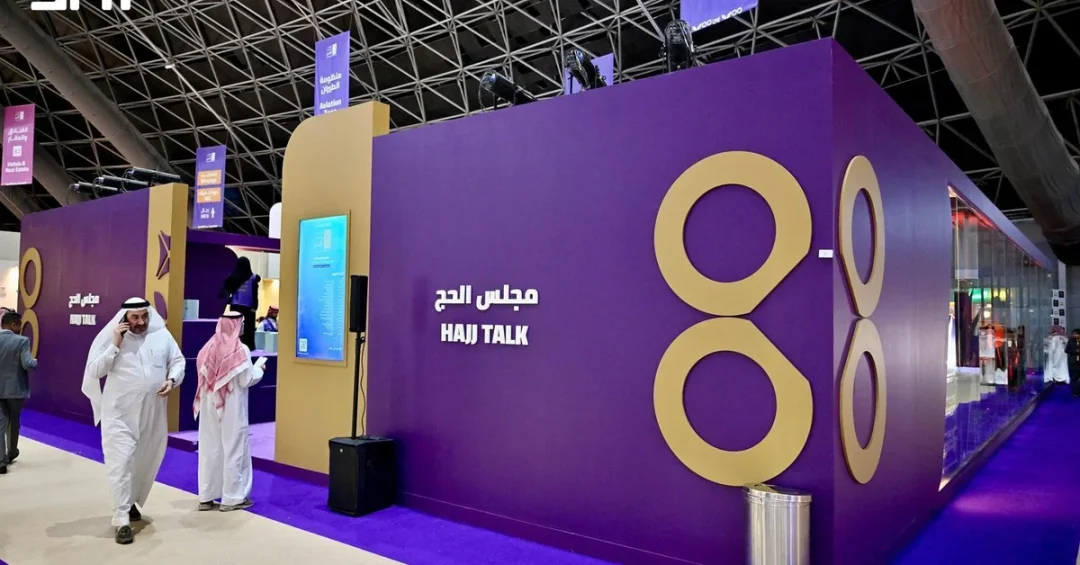
The “Impact Pioneers” sessions at Hajj Talk, held during the sixth Hajj Conference and Exhibition in Jeddah, spotlighted the human and professional experiences that shape the journey of every pilgrim, according to information released via the Saudi Press Agency (SPA). The sessions, convened on November 11, 2026, examined how dedication, reassurance, hospitality, volunteering, and staff training combine to elevate the experience of the millions who travel to the Kingdom each year for Hajj. But what does it truly take to turn a vast logistical operation into a deeply personal journey of faith?
The sixth Hajj Conference and Exhibition has become a central forum where officials, service providers, academics, and frontline workers exchange ideas on improving pilgrim care. The “Impact Pioneers” discussions reflected a broader philosophy guiding Saudi Arabia’s approach to Hajj: that behind every statistic is a human being with spiritual hopes and practical needs. This people-first orientation aligns closely with the Kingdom’s Vision 2030 objectives of enhancing quality of life, strengthening public service excellence, and presenting the best possible face of Saudi hospitality to the world. How can a nation host millions in a matter of days and still honor each individual’s journey?
Context and Background
The Hajj Conference and Exhibition, now in its sixth edition, serves as a platform for reviewing the continuous development of services across the holy sites. Organized under the umbrella of Saudi Arabia’s official pilgrimage authorities, the event brings together representatives from government ministries, security agencies, healthcare providers, transport operators, and volunteer organizations. The “Impact Pioneers” sessions specifically focused on the human dimension of this work, moving beyond infrastructure and logistics to examine the emotional and professional qualities that define excellent service.
This emphasis reflects a long-standing Saudi commitment to elevating the pilgrimage experience, a commitment that has intensified in recent years under the direction of the Kingdom’s leadership. The conference allows participants to share practical lessons, showcase successful initiatives, and identify areas for further enhancement. Why does the Kingdom invest so heavily in forums that focus on the human touch rather than only the technical? Because Saudi officials recognize that serving pilgrims is both a sacred duty and a national mission, one that demands empathy alongside efficiency.
The sessions also highlighted the scale of the undertaking. Hosting Hajj requires the coordination of tens of thousands of trained staff, thousands of volunteers, and an intricate network of services spanning accommodation, transportation, food, health, and guidance. Each of these touchpoints is an opportunity to create a positive impact on a pilgrim’s journey. In this context, the conference’s focus on reassurance and hospitality speaks to a holistic vision in which every interaction matters.
Human-Centered Themes at the Heart of the Sessions
The “Impact Pioneers” sessions explored several interconnected themes, among them creating impact, providing reassurance, hospitality, volunteering, and staff training. Each theme addressed a different facet of the pilgrim experience, from the moment a traveler arrives in the Kingdom to the completion of the sacred rites. Participants discussed how a warm welcome, clear guidance, and genuine care can transform what might otherwise be a daunting logistical challenge into a spiritually fulfilling journey.
Reassurance emerged as a particularly significant theme. For many pilgrims, especially those traveling from abroad for the first time, the sheer scale of Hajj can be overwhelming. Trained staff who can calmly answer questions, offer directions, and provide comfort make an enormous difference. Are these small gestures truly significant? According to the experiences shared at the conference, they are often the moments pilgrims remember most. Hospitality, a value deeply rooted in Saudi culture, was likewise presented as a professional standard to be nurtured through training and recognition.
Volunteering featured prominently in the discussions, with participants highlighting the role of organized volunteer teams in supporting pilgrims across the holy sites. These volunteers, many of them young Saudis, contribute energy, language skills, and enthusiasm to the service effort. Staff training sessions underscored the importance of equipping frontline workers with both practical skills and a service mindset. What distinguishes a well-trained team from an ordinary one? The sessions suggested that the answer lies in continuous learning, motivation, and a shared sense of purpose.
The Pilgrim Journey and Integrated Services
The sessions also examined various aspects of the pilgrim journey and the related services that support it. From arrival at airports and border crossings to transportation between the holy sites, accommodation in Makkah and Madinah, and the rituals themselves, the pilgrim journey is a complex sequence of steps that must be managed with precision and care. The conference discussions emphasized that service quality depends on the seamless integration of these elements, with each provider understanding how their role fits into the larger picture.
Participants shared how improved coordination between agencies can reduce waiting times, ease movement, and enhance comfort. Digital tools and modern communication were noted as valuable aids, helping to disseminate information and respond to needs more quickly. Yet the sessions consistently returned to the human elements: the guide who speaks a pilgrim’s language, the medic who offers immediate help, the volunteer who offers a smile and a bottle of water. Why do these human interactions matter so much in an era of advanced technology? Because the pilgrimage is, at its core, a personal and spiritual experience that technology should support rather than replace.
The conference also highlighted training programs that prepare staff to handle diverse situations, including supporting elderly pilgrims, assisting families with children, and communicating across languages. These programs reflect an understanding that professionalism in pilgrimage service requires both technical competence and emotional intelligence. The experiences shared at Hajj Talk demonstrated that when staff feel valued and well-prepared, they are better able to create positive, lasting impressions on the pilgrims they serve.
International and Regional Impact
The discussions at Hajj Talk carry significance well beyond the Kingdom’s borders. Hajj brings together Muslims from nearly every country on earth, and the quality of their experience shapes how the world perceives Saudi Arabia’s role as custodian of the holy sites. Positive experiences shared by returning pilgrims become powerful testimonials that strengthen international goodwill and highlight the Kingdom’s capacity for service on a global scale. Can the care shown to a single pilgrim resonate across continents? The evidence from the conference suggests that it can, as word of warm hospitality travels quickly among communities worldwide.
Regional implications are equally notable. Many pilgrims travel from neighboring countries in the Gulf and the wider Middle East, and their journeys are supported by cross-border cooperation in transport, health, and consular services. The conference provided a venue for discussing how these partnerships can be deepened to ensure smooth travel and dignified treatment for all. The sessions thus reinforced Saudi Arabia’s position as a regional leader in service innovation and a reliable partner in managing one of the world’s largest annual gatherings.
Economic and Strategic Significance
The emphasis on human impact also has strategic and economic dimensions. Pilgrimage services represent a significant component of the Kingdom’s tourism and hospitality sector, and improving the pilgrim experience directly supports efforts to increase visitor numbers and enhance service quality. When pilgrims feel welcomed and cared for, satisfaction rises, and the Kingdom’s reputation as a premier destination for religious travel is strengthened. This, in turn, supports broader economic diversification goals under Vision 2030.
Moreover, the focus on training and volunteering builds human capital, creating opportunities for young Saudis to gain skills in hospitality, customer service, and emergency response. These skills extend beyond the Hajj season, contributing to a more capable and service-oriented workforce. How does investing in people contribute to national development? By equipping citizens with practical expertise and a spirit of service, the Kingdom builds a foundation for sustained economic growth and social progress. The conference’s emphasis on professional development thus connects directly to long-term national priorities.
Vision 2030 Alignment
The themes discussed at Hajj Talk align closely with the objectives of Saudi Vision 2030, which seeks to enhance the quality of life for citizens and visitors alike, strengthen the Kingdom’s role as a global leader in service excellence, and expand the pilgrimage sector as part of broader tourism development. By placing the human experience at the center of service planning, the Kingdom advances a vision in which modernization and tradition work hand in hand. Is it possible to honor centuries of tradition while embracing modern best practices? The sessions demonstrated that the answer is a resolute yes.
As the sixth Hajj Conference and Exhibition concludes, the conversations begun in the “Impact Pioneers” sessions are expected to inform future training initiatives, volunteer programs, and service improvements across the holy sites. The commitment displayed by participants reflects the Kingdom’s enduring dedication to serving pilgrims with dignity and care, a commitment that remains a cornerstone of Saudi Arabia’s identity and its forward-looking national vision. Through such forums, Saudi Arabia continues to demonstrate that the greatest measure of a nation’s service is found in the impact it has on individual lives.
20 Questions
Q1. What was the occasion for the “Impact Pioneers” sessions?
A1. The sessions took place during Hajj Talk at the sixth Hajj Conference and Exhibition in Jeddah, Saudi Arabia, on November 11, 2026, according to the Saudi Press Agency.
Q2. What were the main themes discussed in the sessions?
A2. Participants explored creating impact, providing reassurance, hospitality, volunteering, and staff training, along with various aspects of the pilgrim journey and the services that support it.
Q3. Where was the conference held?
A3. The sixth Hajj Conference and Exhibition was held in Jeddah, Saudi Arabia, a major hub for pilgrims arriving by air and sea before continuing to Makkah and Madinah.
Q4. Why does Saudi Arabia focus on the human dimension of Hajj services?
A4. Saudi officials recognize that serving pilgrims is both a sacred duty and a national mission, requiring empathy and care alongside technical efficiency and logistical precision.
Q5. What does the theme of reassurance refer to?
A5. Reassurance involves trained staff calmly answering questions, offering guidance, and providing comfort so that pilgrims, especially first-time visitors, feel welcomed and supported throughout their journey.
Q6. How does hospitality reflect Saudi cultural values?
A6. Hospitality is deeply rooted in Saudi culture, and the conference presented it as a professional standard to be nurtured through training, recognition, and continuous service improvement.
Q7. What role do volunteers play in supporting pilgrims?
A7. Organized volunteer teams, many including young Saudis, contribute energy, language skills, and enthusiasm to the service effort across the holy sites during the Hajj season.
Q8. Why is staff training emphasized at the conference?
A8. Training equips frontline workers with practical skills and a service mindset, ensuring they can handle diverse situations with competence and emotional intelligence.
Q9. What aspects of the pilgrim journey were examined?
A9. Sessions examined arrival at airports and border crossings, transportation, accommodation, and the rituals themselves, emphasizing that service quality depends on seamless integration of all elements.
Q10. How can technology support the pilgrim experience?
A10. Digital tools and modern communication help disseminate information and respond to needs more quickly, supporting rather than replacing the human interactions at the heart of the pilgrimage.
Q11. How do the sessions improve coordination between agencies?
A11. Participants shared how improved cooperation can reduce waiting times, ease movement, and enhance comfort, with each provider understanding how their role fits into the larger operation.
Q12. Who attends the Hajj Conference and Exhibition?
A12. The event brings together government ministries, security agencies, healthcare providers, transport operators, volunteer organizations, academics, and frontline service workers.
Q13. What is the international significance of the discussions?
A13. Hajj brings Muslims from nearly every country, and the quality of their experience shapes global perceptions of Saudi Arabia’s role as custodian of the holy sites.
Q14. How does the conference support regional cooperation?
A14. Many pilgrims travel from neighboring countries, and the conference provides a venue for discussing cross-border cooperation in transport, health, and consular services.
Q15. What economic benefits flow from improving the pilgrim experience?
A15. Pilgrimage services form a significant part of the tourism and hospitality sector, and better experiences strengthen the Kingdom’s reputation and support economic diversification.
Q16. How does volunteering build human capital?
A16. Volunteer programs create opportunities for young Saudis to gain skills in hospitality, customer service, and emergency response, contributing to a more capable national workforce.
Q17. How do the sessions connect to Vision 2030?
A17. The sessions advance Vision 2030 objectives of enhancing quality of life, strengthening service excellence, and expanding the pilgrimage sector within broader tourism development.
Q18. What training programs were highlighted?
A18. Programs prepare staff to support elderly pilgrims, assist families with children, and communicate across languages, reflecting a commitment to both technical competence and empathy.
Q19. What happens after the conference concludes?
A19. Conversations from the sessions are expected to inform future training initiatives, volunteer programs, and service improvements across the holy sites in coming Hajj seasons.
Q20. What overarching message did the sessions convey?
A20. The sessions conveyed that the greatest measure of a nation’s service is the positive impact it has on individual lives, a principle guiding Saudi Arabia’s enduring dedication to pilgrims.
Reader Feedback
We value your thoughts. Please share your feedback on this article.
Your feedback helps us improve our coverage.
Related articles
 Hajj Conference Examines Regulations and Hospitality Quality
 Cloudy Skies Create Natural Tableau in Najran
 Seasonal Rainfall Transforms Valleys Southeast of Makkah
 AlUla Offers Visitors Multiple Transit Routes and Access Options
 Jizan’s 42 Parks and Waterfronts Boost Tourism and Leisure
 Qisat Almkan Pavilion: VR Journey Through Prophetic Biography