


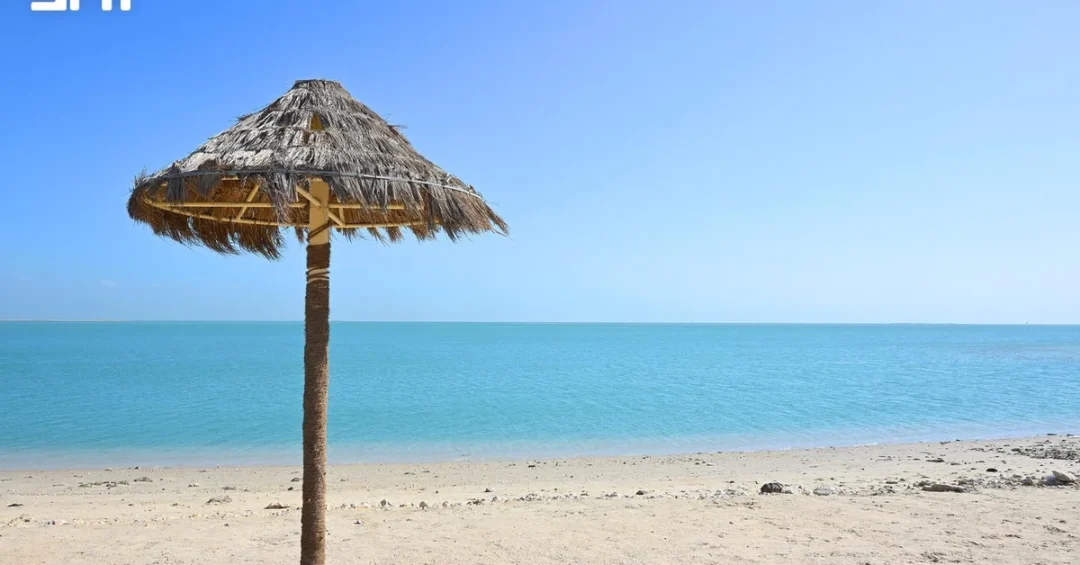
Sandy beaches and waterfronts across Saudi Arabia’s Eastern Region are drawing citizens, residents, and visitors in growing numbers as milder temperatures and the onset of the rainy season create ideal conditions for outdoor recreation, according to the Saudi Press Agency (SPA). The coastal strip stretches along the Arabian Gulf from Al-Khafji Governorate in the north to the southern part of Al-Uqair, south of Al-Ahsa Governorate, offering a diverse array of seaside experiences. Have you ever wondered why this stretch of coastline has become such a magnet for families and adventure seekers alike? The answer lies in its unique combination of natural beauty, accessible amenities, and a climate that turns inviting as summer’s heat recedes.
The Eastern Region’s waterfronts are not just places to sunbathe; they are vibrant hubs of activity. From walking and jogging to beach sports such as swimming, volleyball, horseback riding, and paragliding, there is something for every age and interest. Green spaces along the waterfronts provide additional spots for relaxation and picnics. As the region welcomes the cooler months, these areas are transforming into communal living rooms where memories are made. The SPA report highlights that the pleasant weather is a key driver, but the region’s investment in infrastructure and facilities also plays a crucial role in attracting visitors.
Context and Background
Why has the Eastern Region become a premier destination for coastal leisure in Saudi Arabia? Historically, the Eastern Region has been known for its oil wealth and industrial cities like Dammam and Dhahran. However, in recent years, there has been a concerted effort to diversify the local economy and promote tourism. The Arabian Gulf coastline, with its soft sands and gentle waters, offers a natural asset that is now being carefully developed. The Saudi Press Agency notes that the stretch from Al-Khafji to Al-Uqair is particularly popular, encompassing a variety of beaches and waterfronts that cater to different preferences. This development aligns with the Kingdom’s broader Vision 2030 goals of enhancing quality of life and boosting domestic tourism.
The seasonal shift is a significant factor. As temperatures drop from the scorching summer highs, residents and visitors alike seek outdoor activities. The rainy season, while brief, adds a refreshing touch to the landscape, making the greenery along the waterfronts more vibrant. The SPA report emphasizes that the mild weather is a welcome change, encouraging people to spend more time outdoors. This phenomenon is not new, but the scale and variety of activities have expanded. The Eastern Region’s beaches are now equipped with facilities that support a wide range of recreational pursuits, from simple strolls to more adventurous sports like paragliding. This evolution reflects a broader trend in Saudi Arabia where public spaces are being revitalized to promote healthier lifestyles and community engagement.
Key Details
What specific attractions make the Eastern Region’s beaches so appealing? One standout destination is Half Moon Beach, also known as Halfmoon, located west of Dhahran. This scenic spot is where seawater meets sand dunes, creating a dramatic landscape. Visitors can climb the dunes, especially at sunset, when the reddish glow of the setting sun casts a picturesque scene across the waters and golden sands. The SPA describes it as a place where nature’s beauty is on full display. Beyond Half Moon, other beaches along the coast offer similar charms. Each area has its own unique features, from calm coves for swimming to open stretches ideal for volleyball and horseback riding. The diversity ensures that there is a beach for every preference, whether one seeks solitude or social interaction.
The range of activities is impressive. Swimming is a popular choice, with the Gulf’s relatively calm waters being suitable for all skill levels. Volleyball nets are a common sight, with friendly matches often breaking out among groups. Horseback riding along the shore provides a different perspective, allowing riders to enjoy the sea breeze and the sound of waves. For thrill-seekers, paragliding offers an aerial view of the coastline’s splendor. Additionally, the green spaces adjacent to the waterfronts are perfect for families to set up picnics or for children to play. These amenities are not accidental; they are part of a strategic effort to make the Eastern Region a top choice for leisure and tourism. The SPA report underscores that these activities are accessible to everyone, reinforcing the inclusive nature of Saudi Arabia’s tourism drive.
International and Regional Impact
How does the Eastern Region’s beach tourism resonate beyond Saudi borders? The influx of visitors to these coastal areas has implications for the region’s economy and international perception. The Eastern Region shares borders with several Gulf Cooperation Council (GCC) countries, and its beaches are easily accessible for travelers from neighboring nations. This cross-border appeal enhances regional integration and cultural exchange. Moreover, the positive image of Saudi Arabia as a welcoming destination for leisure and tourism is bolstered by such reports. The SPA’s coverage of the Eastern Region’s attractions serves as a soft power tool, showcasing the Kingdom’s natural beauty and modern amenities. It also aligns with the broader narrative of Saudi Arabia as a country that is opening up and diversifying its offerings beyond traditional sectors.
Regionally, the development of beach tourism in the Eastern Region complements similar initiatives in other parts of the Kingdom, such as the Red Sea Project and NEOM. While those mega-projects capture global headlines, the Eastern Region’s beaches offer a more accessible and immediate escape for residents and regional visitors. This dual approach ensures that tourism growth is inclusive and widespread. The SPA report highlights that the Eastern Region’s beaches are not just for international tourists but are primarily enjoyed by locals and residents, fostering a sense of community and national pride. The international impact is subtle but significant: it portrays Saudi Arabia as a nation that values leisure, family, and well-being, which can improve its standing on the global stage.
Economic and Strategic Significance
Why is the promotion of beach tourism economically and strategically vital for Saudi Arabia? The Eastern Region is a key economic powerhouse, contributing significantly to the Kingdom’s GDP through its oil and gas industries. However, Vision 2030 calls for economic diversification, and tourism is a pillar of that strategy. By attracting visitors to its beaches, the Eastern Region can generate revenue in hospitality, retail, and services. Local businesses, from food vendors to equipment rental shops, benefit from increased foot traffic. The SPA report implies that the seasonal surge in visitors supports job creation and small enterprises. Furthermore, investing in public spaces like beaches improves the quality of life for residents, which is a strategic goal in itself. A happy and healthy population is more productive and engaged, contributing to the nation’s overall prosperity.
Strategically, the Eastern Region’s beaches serve as a gateway to the Gulf. They are a tangible representation of Saudi Arabia’s maritime heritage and its modern aspirations. The development of these areas is part of a larger plan to enhance infrastructure and connectivity. Improved roads, utilities, and facilities make the region more attractive for both tourism and investment. The SPA’s focus on these beaches also highlights the Kingdom’s commitment to sustainable development. Efforts to maintain clean beaches and green spaces are in line with environmental stewardship, which is increasingly important to both citizens and international partners. As the region continues to evolve, its beaches will remain a vital asset, symbolizing the balance between economic growth and quality of life.
Vision 2030 Alignment
How do the Eastern Region’s beach attractions fit into the grand tapestry of Vision 2030? Vision 2030 aims to transform Saudi Arabia into a global hub for tourism and leisure, while also improving the lives of its citizens. The Eastern Region’s beaches are a microcosm of this vision in action. They provide accessible recreational opportunities that promote healthy lifestyles, family bonding, and community cohesion. The SPA report underscores that these beaches are attracting people from all walks of life, which is exactly what Vision 2030 envisions: an inclusive society where everyone can enjoy the nation’s progress. Additionally, the emphasis on outdoor activities aligns with the Quality of Life Program, one of the Vision’s key realization programs. By investing in such natural assets, Saudi Arabia is not only boosting tourism but also enriching the daily experiences of its people.
Looking ahead, the Eastern Region’s beaches are poised to play an even greater role in the Kingdom’s tourism landscape. As more facilities are developed and awareness grows, these coastal areas could become international destinations in their own right. The SPA’s reporting is a testament to the region’s potential. It showcases how a simple pleasure—a walk on the beach—can contribute to a nation’s broader goals. The Eastern Region’s sandy shores, from Al-Khafji to Al-Uqair, are more than just places to relax; they are symbols of Saudi Arabia’s bright future, where economic prosperity and joyful living go hand in hand. As the sun sets over Half Moon Beach, casting its golden glow, it illuminates a path forward that is both ambitious and serene.
20 Questions
Q1. What is the main reason the Eastern Region’s beaches are attracting more visitors now?
A1. The primary reason is the onset of milder temperatures and the rainy season, which create pleasant weather for outdoor activities. According to the Saudi Press Agency, this seasonal shift encourages citizens, residents, and visitors to enjoy the beaches and waterfronts along the Arabian Gulf coast.
Q2. Which areas of the Eastern Region are highlighted for their beaches?
A2. The beaches stretch from Al-Khafji Governorate in the north to the southern part of Al-Uqair, south of Al-Ahsa Governorate. This extensive coastline offers a variety of waterfront experiences for different preferences and activities.
Q3. What types of activities can visitors enjoy on these beaches?
A3. Visitors can engage in walking, jogging, swimming, volleyball, horseback riding, and paragliding. The waterfronts also feature green spaces for relaxation. These activities cater to families and people of all ages, promoting an active and healthy lifestyle.
Q4. What makes Half Moon Beach a standout destination?
A4. Half Moon Beach, west of Dhahran, is known for its scenic beauty where seawater meets sand dunes. Visitors can climb the dunes, especially at sunset, to witness the reddish glow over the waters and golden sands, creating a picturesque scene.
Q5. How does the weather in the Eastern Region change during this season?
A5. Temperatures become milder, and the rainy season begins, providing a refreshing break from the summer heat. This shift makes outdoor activities more comfortable and enjoyable, drawing more people to the beaches and waterfronts.
Q6. Are there facilities for families at these beaches?
A6. Yes, the waterfronts offer a wide range of activities suitable for families, including safe swimming areas, sports facilities, and green spaces for picnics. The environment is designed to be inclusive and enjoyable for all age groups.
Q7. How does the Eastern Region’s beach tourism align with Saudi Vision 2030?
A7. It aligns with Vision 2030 by promoting domestic tourism, enhancing quality of life, and diversifying the economy. The development of these beaches supports the Quality of Life Program and contributes to making Saudi Arabia a top global destination.
Q8. What economic benefits do the beaches bring to the local community?
A8. The influx of visitors stimulates local businesses such as hospitality, retail, and services. It creates job opportunities and supports small enterprises, contributing to the region’s economic growth and diversification.
Q9. Is there any international significance to these beaches?
A9. Yes, they enhance regional integration by attracting visitors from neighboring GCC countries. They also showcase Saudi Arabia’s natural beauty and modern amenities, improving the Kingdom’s international image as a welcoming tourist destination.
Q10. What is the best time to visit Half Moon Beach?
A10. The best time is during the milder months, especially at sunset, when the dunes and waters are bathed in a reddish glow. This period offers comfortable weather and stunning views, making it ideal for photography and relaxation.
Q11. Are there any environmental considerations for these beaches?
A11. Yes, maintaining clean beaches and green spaces is part of sustainable development efforts. The authorities likely implement measures to preserve the natural environment while allowing public access, ensuring long-term enjoyment for future generations.
Q12. How accessible are these beaches for people with disabilities?
A12. While specific details are not provided, Saudi Arabia’s Vision 2030 emphasizes inclusivity. It is likely that efforts are made to ensure accessibility, but visitors should check local facilities for specific accommodations.
Q13. What role does the Saudi Press Agency play in reporting on these beaches?
A13. The Saudi Press Agency (SPA) serves as an official source of information, highlighting the attractions and activities. Its reports help promote domestic tourism and inform the public about the Kingdom’s natural and recreational assets.
Q14. Can visitors engage in water sports like swimming safely?
A14. Yes, the Arabian Gulf waters are generally calm and suitable for swimming. However, visitors should always follow safety guidelines and swim in designated areas to ensure a safe and enjoyable experience.
Q15. Are there any cultural events or festivals held on these beaches?
A15. The article does not mention specific events, but Saudi Arabia often hosts cultural and entertainment festivals. It is advisable to check local listings for any upcoming activities during the season.
Q16. How does the rainy season affect beach activities?
A16. The rainy season brings occasional showers, but it also enhances the greenery and freshness of the environment. Activities can continue between showers, and the rain often adds a unique charm to the coastal experience.
Q17. What is the historical significance of the Eastern Region’s coastline?
A17. The Eastern Region has a rich maritime history tied to trade and pearl diving. Today, it represents a blend of tradition and modernity, with beaches serving as recreational spaces that honor the past while embracing the future.
Q18. Are there accommodations and restaurants near the beaches?
A18. Yes, the Eastern Region has a range of hotels, resorts, and restaurants to cater to visitors. From luxury options in Dhahran to local eateries, there are facilities to suit various preferences and budgets.
Q19. How can visitors contribute to keeping the beaches clean?
A19. Visitors can dispose of trash properly, participate in cleanup efforts, and respect the natural environment. Responsible tourism helps preserve the beauty of the beaches for everyone to enjoy.
Q20. What future developments are planned for the Eastern Region’s beaches?
A20. While specific plans are not detailed, ongoing efforts under Vision 2030 aim to enhance tourism infrastructure. Future developments may include improved facilities, more activities, and greater promotion to attract international visitors.
Reader Feedback
We value your thoughts. Please share your feedback on this article.
Your feedback helps us improve our coverage.
Related articles
 Jazan Offers Diverse Winter Experiences Across Mountains, Coasts, and Islands
 GEA Reports 466 Entertainment Events, 18% Growth in Active Destinations in Q3 2026
 Al-Ahsa Governor Opens Third Edition of Palm Village
 Hail Waterfront: Integrated Tourism and Investment Hub
 Qaziz Al-Naam Mountain Preserves Wildlife Memory in Turaif
 Tourism Ministry Wraps Up Hajj Conference 2026 Role