


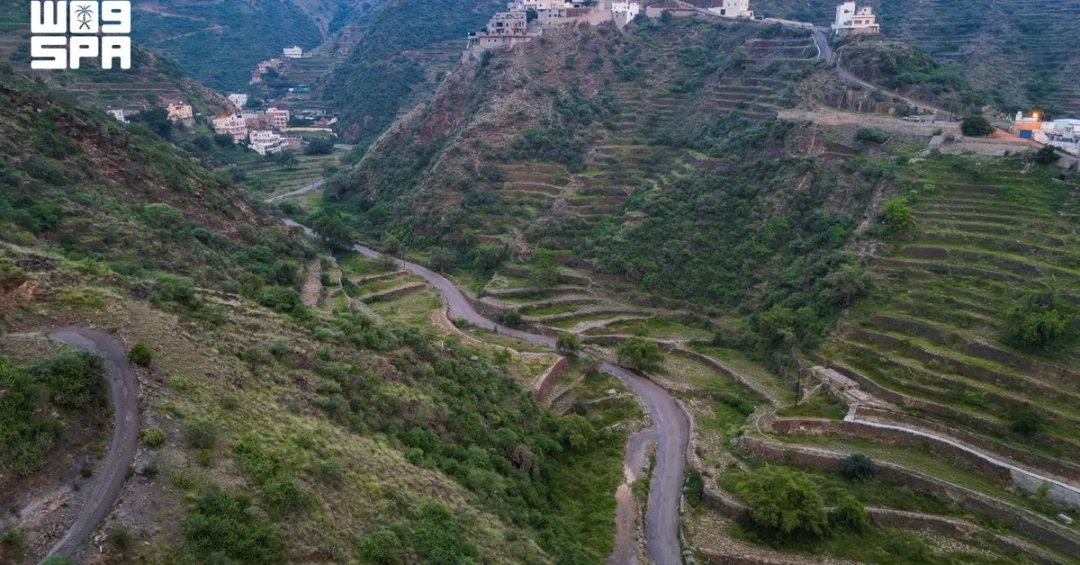
Jazan Region is offering a distinctive winter tourism season that combines cool mountain weather, mild coastal conditions, and the marine attractions of the Farasan Islands, according to the Saudi Press Agency (SPA). The region has emerged as one of the Kingdom of Saudi Arabia’s most diverse seasonal destinations, giving international visitors a rare opportunity to experience mountains, plains, coastlines, and islands within a single trip. The Saudi Press Agency reported that Jazan’s winter appeal rests on this unusual geographical variety, which allows travellers to move from highland villages to coral-fringed shores in the course of a few hours. For a global audience accustomed to single-theme winter escapes, Jazan presents something different: a destination where climate, culture, and nature change with every stage of the journey.
The announcement reflects the growing visibility of Saudi Arabia’s southern region on the international tourism map. Jazan, located along the Red Sea in the southwest of the Kingdom, has traditionally been known for its agricultural richness and distinctive cultural heritage. In recent years, however, it has attracted increasing attention as a year-round destination, with winter standing out as the most comfortable season for exploration. The Saudi Press Agency’s report highlights not only the region’s natural assets but also the economic activity they generate, from farm visits and handicraft markets to small businesses serving visitors. The result is a tourism offering that is both authentically local and internationally appealing.
Context and Background
Why has Jazan become such a compelling winter destination for travellers seeking something beyond the usual? The answer lies in its geography. Jazan sits at the crossroads of the Red Sea coast and the Sarawat mountain range, creating a landscape of striking contrasts. The highlands enjoy cool winter temperatures, while the coastal areas remain mild and pleasant. This combination allows visitors to plan itineraries that include mountain walks in the morning and beach activities in the afternoon, all within a compact region. The Saudi Press Agency noted that visitors can explore mountain villages and agricultural terraces, enjoy walks and picnics across green plains and valleys, or discover beaches, coral reefs, and marine wildlife.
For international readers, understanding Jazan’s appeal requires recognising how unusual this diversity is. Many winter destinations worldwide specialise in a single experience, such as skiing, beach resorts, or cultural tours. Jazan, by contrast, offers all of these elements in one place. The Farasan Islands, a protected archipelago in the Red Sea, add a marine dimension that is rare in the region. Coastal habitats and reservoirs also provide birdwatching opportunities during the winter migration season, drawing nature enthusiasts from around the world. This natural wealth is complemented by a living cultural landscape of traditional markets, cultural cafés, and highland coffee farms.
The Saudi Press Agency’s report also points to the role of local communities in shaping the visitor experience. Local farms with visitor programmes offer insights into agricultural practices, including coffee cultivation in the highlands. Traditional markets and cultural cafés showcase handicrafts, local cuisine, and coffee traditions. These activities are not staged for tourists; they are part of the region’s daily life, which gives them an authenticity that discerning travellers value. For Saudi Arabia, this community-based approach to tourism aligns with broader national goals of sustainable development and cultural preservation.
Key Details
What specific experiences can visitors expect during a winter trip to Jazan? The Saudi Press Agency’s report outlines a rich menu of options. In the mountains, visitors can explore villages and agricultural terraces that have been cultivated for generations. These terraces are not only scenic but also represent a form of traditional land management that supports local livelihoods. Walking and picnicking across green plains and valleys offer a slower, more contemplative way to enjoy the landscape. The cool mountain air provides a refreshing contrast to the heat of the lower elevations, making winter the ideal season for outdoor activities.
Along the coast, the region’s beaches, coral reefs, and marine wildlife invite exploration. The Farasan Islands are a particular highlight, offering diving, snorkelling, and wildlife watching in a protected environment. Coastal habitats and reservoirs serve as important stopovers for migratory birds, creating opportunities for birdwatching during the winter migration season. These natural attractions are complemented by the region’s cultural offerings. Traditional markets sell handicrafts and local products, while cultural cafés provide a taste of Jazan’s coffee traditions and cuisine. Local farms with visitor programmes allow guests to learn about coffee cultivation and other agricultural practices in the highlands.
The Saudi Press Agency also provided key tourism figures that underscore Jazan’s growing popularity. The region welcomed approximately 4.29 million tourists in 2025, an increase of 45.4 per cent compared with 2024. Overnight stays exceeded 29 million, while total tourism spending reached approximately SAR3.45 billion. These numbers indicate that Jazan is not only attracting more visitors but also encouraging them to stay longer and spend more. For a region that was once a relatively low-profile destination, this represents a significant transformation. The data also suggests that the winter season, with its comfortable climate, is a major driver of this growth.
International and Regional Impact
How does Jazan’s rise as a winter destination affect the wider region and the international travel market? For Saudi Arabia, it adds a new dimension to a tourism portfolio that has traditionally been associated with religious pilgrimage, desert landscapes, and major urban centres. By showcasing Jazan’s mountains, coasts, and islands, the Kingdom demonstrates that it can offer diverse experiences to a global audience. This is important for attracting travellers who might otherwise choose destinations in Southeast Asia, the Caribbean, or the Mediterranean for winter sun and nature. Jazan’s unique combination of cool highlands and warm coastal waters gives it a competitive edge that is difficult to replicate elsewhere.
Regionally, Jazan’s success contributes to the economic development of Saudi Arabia’s southern provinces. Tourism activities and services create opportunities for small businesses and families involved in cottage industries, as noted by the Saudi Press Agency. This grassroots economic impact is significant because it spreads the benefits of tourism beyond major hotels and tour operators. It also helps to diversify local economies that have historically depended on agriculture and fishing. For international visitors, this means that their spending directly supports communities, making their trip both enjoyable and meaningful. The growth in tourism also encourages investment in infrastructure, from roads and airports to hospitality and digital services.
Economic and Strategic Significance
What do the tourism figures tell us about Jazan’s economic trajectory? The 45.4 per cent increase in visitor numbers from 2024 to 2025 is a strong indicator of momentum. With 4.29 million tourists, over 29 million overnight stays, and SAR3.45 billion in spending, Jazan is becoming a substantial contributor to Saudi Arabia’s tourism economy. These figures also reflect the effectiveness of national strategies to promote domestic and international travel. The winter season, in particular, helps to smooth out seasonal fluctuations, providing a reliable income stream for local businesses. For investors, the data signals a growing market with room for further expansion in accommodation, transport, and attractions.
Strategically, Jazan’s development aligns with Saudi Arabia’s broader goals of economic diversification and regional balance. By nurturing tourism in the south, the Kingdom ensures that the benefits of Vision 2030 are shared across all regions, not just the major cities. The focus on community-based tourism and cottage industries also supports job creation and skills development, particularly for women and young people. Furthermore, Jazan’s natural and cultural assets are renewable resources that can be enjoyed for generations if managed sustainably. The Saudi Press Agency’s report highlights this balance between growth and preservation, noting the importance of coastal habitats and protected areas.
Vision 2030 Alignment
How does Jazan’s winter tourism success connect to Saudi Vision 2030? The Vision aims to diversify the Kingdom’s economy away from oil, with tourism identified as a key growth sector. Jazan’s ability to attract millions of visitors and generate billions of riyals in spending demonstrates that this strategy is yielding results on the ground. The region’s emphasis on authentic experiences, from coffee farms to traditional markets, also supports the Vision’s goal of celebrating Saudi culture and heritage. By offering a distinctive winter product, Jazan helps to position Saudi Arabia as a year-round destination capable of competing globally.
Looking ahead, Jazan is well placed to build on its current momentum. Continued investment in infrastructure, hospitality, and marketing will be essential to sustain growth and enhance the visitor experience. The Saudi Press Agency’s report underscores that the region’s appeal is rooted in its natural and cultural diversity, which is a durable advantage. As more international travellers discover Jazan’s mountains, coasts, and islands, the region will play an increasingly important role in Saudi Arabia’s tourism landscape. For the Kingdom, this success is another step towards realising the ambitious goals of Vision 2030, showcasing the best of Saudi Arabia to the world.
20 Questions
Q1. What makes Jazan a unique winter destination?
A1. Jazan combines cool mountain weather, mild coastal conditions, and the marine attractions of the Farasan Islands, offering diverse experiences within one region. This variety allows visitors to enjoy mountains, plains, coastlines, and islands in a single trip, according to the Saudi Press Agency.
Q2. How many tourists visited Jazan in 2025?
A2. Jazan welcomed approximately 4.29 million tourists in 2025, representing a 45.4 per cent increase from 2024. This growth highlights the region’s rising popularity as a winter destination within Saudi Arabia.
Q3. What activities are available in Jazan’s mountains?
A3. Visitors can explore mountain villages and agricultural terraces, enjoy walks and picnics across green plains and valleys, and learn about coffee cultivation in the highlands. These activities offer a blend of nature, culture, and tradition.
Q4. What marine attractions does Jazan offer?
A4. The Farasan Islands provide opportunities for diving, snorkelling, and wildlife watching. Coastal areas feature beaches, coral reefs, and marine wildlife, while reservoirs and coastal habitats attract migratory birds during winter.
Q5. What is the significance of the Farasan Islands?
A5. The Farasan Islands are a protected archipelago in the Red Sea, known for their biodiversity and natural beauty. They offer visitors a chance to experience pristine marine environments and contribute to conservation efforts in Saudi Arabia.
Q6. How does Jazan support local communities through tourism?
A6. Tourism activities and services create opportunities for small businesses and families involved in cottage industries. Local farms with visitor programmes, traditional markets, and cultural cafés showcase handicrafts, cuisine, and coffee traditions, benefiting local livelihoods.
Q7. What are the key tourism figures for Jazan in 2025?
A7. In 2025, Jazan welcomed 4.29 million tourists, with overnight stays exceeding 29 million and total tourism spending reaching approximately SAR3.45 billion. These figures indicate strong growth and economic impact.
Q8. When is the best time to visit Jazan for winter experiences?
A8. The winter season is ideal, as mountain areas enjoy cool weather while coastal conditions remain mild. This period also coincides with the winter bird migration, offering excellent birdwatching opportunities.
Q9. What cultural experiences can visitors enjoy in Jazan?
A9. Visitors can explore traditional markets, cultural cafés, and local farms. These venues showcase handicrafts, local cuisine, and coffee traditions, providing insights into Jazan’s rich cultural heritage and daily life.
Q10. How does Jazan’s tourism growth align with Saudi Vision 2030?
A10. Jazan’s tourism growth supports Vision 2030’s goal of economic diversification by boosting the tourism sector. It also promotes regional development, cultural preservation, and job creation, aligning with the Vision’s objectives.
Q11. What types of accommodation are available in Jazan?
A11. Jazan offers a range of accommodation options, from hotels to guesthouses, with new investments expanding capacity. The growth in overnight stays indicates increasing demand and improving hospitality infrastructure across the region.
Q12. Are there opportunities for adventure tourism in Jazan?
A12. Yes, Jazan offers adventure activities such as hiking in the mountains, diving and snorkelling in the Red Sea, and exploring the Farasan Islands. These activities cater to nature lovers and adventure seekers.
Q13. How does Jazan’s tourism benefit the Saudi economy?
A13. Tourism in Jazan generates revenue, creates jobs, and supports small businesses. In 2025, tourism spending reached SAR3.45 billion, contributing to the national economy and local development.
Q14. What is the significance of coffee cultivation in Jazan?
A14. Coffee cultivation is a traditional agricultural practice in Jazan’s highlands. Local farms with visitor programmes offer insights into this heritage, connecting tourists with Saudi Arabia’s coffee culture and agricultural traditions.
Q15. What birdwatching opportunities exist in Jazan?
A15. Coastal habitats and reservoirs in Jazan attract migratory birds during the winter season. This offers excellent birdwatching opportunities for enthusiasts and supports eco-tourism in the region.
Q16. How accessible is Jazan for international travellers?
A16. Jazan is accessible via Jazan Airport, which receives domestic and international flights. The region’s infrastructure continues to develop, making it easier for global visitors to explore its attractions.
Q17. What makes Jazan’s winter climate appealing?
A17. Jazan’s winter climate features cool temperatures in the mountains and mild conditions along the coast. This pleasant weather allows for outdoor activities throughout the day, from hiking to beachcombing.
Q18. How does Jazan promote sustainable tourism?
A18. Jazan promotes sustainable tourism by protecting natural habitats like the Farasan Islands and supporting community-based initiatives. These efforts ensure that tourism growth benefits both visitors and local communities.
Q19. What role do traditional markets play in Jazan’s tourism?
A19. Traditional markets in Jazan showcase handicrafts, local cuisine, and coffee traditions. They provide visitors with authentic cultural experiences and support local artisans and small businesses.
Q20. What future developments are expected in Jazan’s tourism sector?
A20. Jazan is expected to see continued investment in hospitality, infrastructure, and marketing. These developments will enhance the visitor experience and further establish the region as a premier winter destination in Saudi Arabia.
Reader Feedback
We value your thoughts. Please share your feedback on this article.
Your feedback helps us improve our coverage.
Related articles
 GEA Reports 466 Entertainment Events, 18% Growth in Active Destinations in Q3 2026
 Al-Ahsa Governor Opens Third Edition of Palm Village
 Hail Waterfront: Integrated Tourism and Investment Hub
 Qaziz Al-Naam Mountain Preserves Wildlife Memory in Turaif
 Tourism Ministry Wraps Up Hajj Conference 2026 Role
 Hajj Talk Highlights Human Impact on Pilgrims’ Journeys