


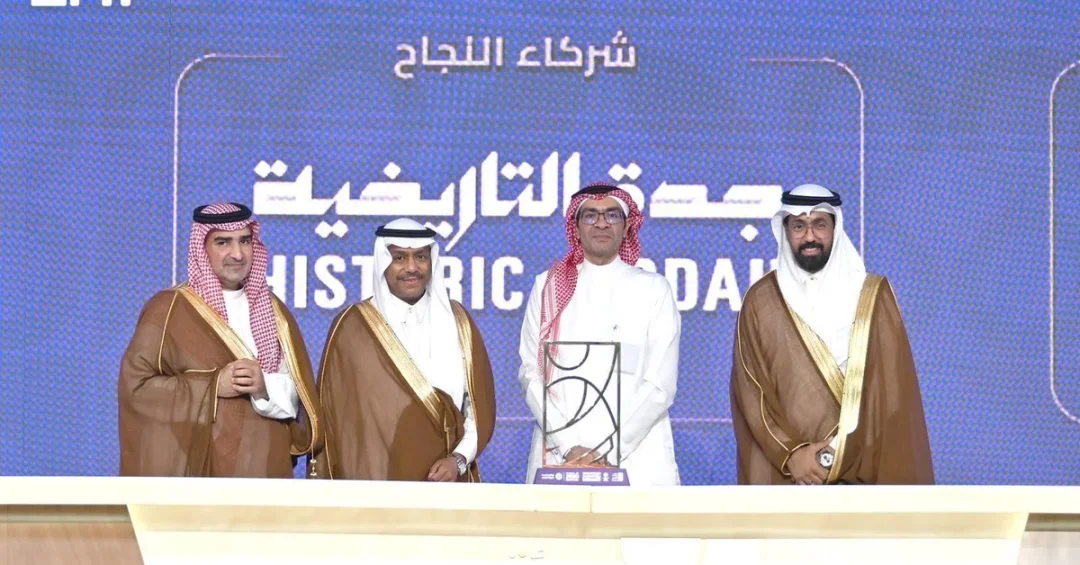
Historic Jeddah, the ancient port city that has welcomed pilgrims for centuries, was honored at the sixth Hajj Conference and Exhibition in Jeddah for its evocative contribution to the event’s main entrance design. The recognition, announced by the Saudi Press Agency, highlights the enduring legacy of Al-Bunt Port as a historic gateway for seaborne pilgrims and underscores the Kingdom’s commitment to preserving its cultural heritage while enhancing the Hajj experience.
The Hajj Conference and Exhibition, held under the patronage of Custodian of the Two Holy Mosques King Salman bin Abdulaziz Al Saud, is organized by the Ministry of Hajj and Umrah in cooperation with the Pilgrim Experience Program. This year’s event brought together local and international entities from the government, private, and nonprofit sectors to discuss technological and logistical solutions for improving pilgrim services. The honoring of the Historic Jeddah Program, affiliated with the Ministry of Culture, serves as a testament to the Kingdom’s holistic approach to pilgrimage—one that integrates cultural heritage with modern innovation. How does this recognition reflect Saudi Arabia’s broader efforts to enrich the spiritual journey of millions? It signals a deep appreciation for the past while paving the way for a future where tradition and technology coexist harmoniously.
Context and Background
Why is Historic Jeddah’s role as a gateway for pilgrims so significant in the annals of Islamic history? For centuries, the city served as the primary maritime entry point for pilgrims traveling from Africa, Asia, and beyond. The historic Al-Bunt Port, with its distinctive coral-stone architecture and bustling quays, was where countless travelers first set foot on Arabian soil, beginning their sacred journey to Makkah. This heritage is not merely a relic of the past; it is a living testament to Jeddah’s identity as a crossroads of cultures and a beacon of hospitality. The Historic Jeddah Program, under the Ministry of Culture, has been instrumental in revitalizing this area, ensuring that its stories continue to inspire future generations.
The sixth Hajj Conference and Exhibition, held at the Jeddah Superdome, provided a fitting stage to celebrate this legacy. By designing the main entrance to reflect the facade of Al-Bunt Port, the Historic Jeddah Program created an immersive experience for attendees, transporting them to an era when pilgrims arrived by sea. This creative approach not only honored the past but also highlighted the seamless integration of heritage into contemporary event planning. The recognition received by Bandar Mohammed Naqro, General Director of the Tourism Destination Management and Marketing Office, representing the program, underscores the collaborative spirit between various Saudi entities dedicated to serving pilgrims.
Historic Jeddah has been a UNESCO World Heritage Site since 2014, a designation that acknowledges its outstanding universal value. The area’s preservation is part of a larger national strategy to safeguard tangible and intangible heritage, as outlined in the National Culture Strategy and Saudi Vision 2030. By leveraging this heritage in events like the Hajj Conference, Saudi Arabia demonstrates how cultural pride can enhance the spiritual and logistical aspects of the pilgrimage. Isn’t it remarkable how a city’s historical fabric can actively contribute to modern-day religious tourism? The answer lies in the Kingdom’s forward-thinking policies that view heritage as an asset, not an obstacle, to progress.
Key Details
What exactly did the recognition entail, and how was the design brought to life? The Historic Jeddah Program was honored for its role in designing the content for the exhibition’s main entrance at the Jeddah Superdome. The design drew inspiration from the facade of the historic Al-Bunt Port, replicating its architectural details to evoke the experience of pilgrims arriving by sea. This thematic entrance set the tone for the entire conference, reminding participants of the profound historical context of Hajj. The recognition was received by Bandar Mohammed Naqro, General Director of the Tourism Destination Management and Marketing Office, who represented the program during the ceremony.
The conference itself was a hub of activity, featuring scientific and dialogue sessions focused on technological and logistical solutions to enhance pilgrim services. Participants exchanged expertise and experiences aimed at developing services, improving readiness for the Hajj season, and enriching the overall pilgrim experience. The event attracted a diverse array of stakeholders, including government agencies, private companies, and nonprofit organizations, all united by a common goal: to serve the guests of God with excellence. The honoring of the Historic Jeddah Program was a highlight, symbolizing the intersection of cultural preservation and operational efficiency.
In addition to the main entrance design, the program’s involvement reflects the Ministry of Culture’s broader efforts through the Historic Jeddah Revitalization Project. This initiative aims to preserve both tangible and intangible heritage, safeguard the area’s urban identity, and promote its cultural heritage. By participating in the Hajj Conference, the program showcased how Historic Jeddah can be a living, breathing part of the pilgrimage experience, not just a historical footnote. Could there be a more fitting way to honor the past than by making it an integral part of the present? The program’s success in this endeavor sets a precedent for future cultural integration in major events.
International and Regional Impact
How does this recognition resonate beyond Saudi Arabia’s borders? For international audiences, it reinforces the Kingdom’s image as a custodian of Islamic heritage and a leader in innovative event management. Pilgrims from around the world, particularly those from Southeast Asia, Africa, and the Middle East, have historical ties to Jeddah’s ports. By celebrating Al-Bunt Port, Saudi Arabia acknowledges the shared history of the global Muslim community and honors the journeys of millions. This gesture of inclusivity and respect can strengthen diplomatic and cultural ties with Muslim-majority nations, fostering goodwill and collaboration.
Regionally, the event underscores Saudi Arabia’s pivotal role in facilitating Hajj and Umrah, which are not only religious obligations but also significant economic and social drivers. The conference provided a platform for neighboring countries to share best practices and explore joint initiatives. The recognition of Historic Jeddah serves as a reminder of the region’s interconnectedness, where the movement of people and ideas has shaped civilizations for centuries. In a world often divided by differences, such acknowledgments highlight common ground and shared values. Isn’t it heartening to see heritage used as a bridge rather than a barrier? The Kingdom’s approach exemplifies how cultural diplomacy can yield tangible benefits for all.
Economic and Strategic Significance
What economic and strategic advantages does this heritage-driven approach offer? Tourism and pilgrimage are cornerstones of Saudi Arabia’s economic diversification strategy under Vision 2030. By integrating Historic Jeddah into the Hajj experience, the Kingdom enhances its appeal as a destination that offers both spiritual fulfillment and cultural enrichment. This can lead to longer stays, increased spending, and repeat visits, benefiting local businesses and creating jobs. The Historic Jeddah Revitalization Project itself is a catalyst for urban regeneration, attracting investment and boosting property values in the area.
Strategically, the recognition reinforces Saudi Arabia’s leadership in the Islamic world. It demonstrates that the Kingdom is not only capable of managing the massive logistics of Hajj but also committed to preserving the spiritual and historical dimensions of the pilgrimage. This holistic approach aligns with the goals of the Pilgrim Experience Program, which seeks to provide a seamless and enriching journey for all pilgrims. By investing in heritage, Saudi Arabia invests in its soft power, projecting an image of a nation that values its past while embracing its future. How can such initiatives shape the global perception of the Kingdom? They position Saudi Arabia as a dynamic, forward-looking society that honors its roots—a narrative that resonates with both domestic and international audiences.
Vision 2030 Alignment
How does this honor align with the ambitious goals of Saudi Vision 2030? The Vision, launched by Crown Prince Mohammed bin Salman, aims to diversify the economy, enhance quality of life, and strengthen national identity. The Historic Jeddah Program directly contributes to these objectives by preserving cultural heritage, promoting tourism, and creating economic opportunities. The recognition at the Hajj Conference highlights the synergy between cultural preservation and the pilgrimage sector, two pillars of the Vision. By showcasing Historic Jeddah, the Kingdom demonstrates its commitment to safeguarding its heritage as a source of pride and a driver of progress.
Looking ahead, the integration of heritage into major events like the Hajj Conference sets a precedent for future initiatives. As Saudi Arabia continues to develop mega-projects and enhance its infrastructure, it remains rooted in its cultural and religious legacy. The honoring of Historic Jeddah is not just a moment of acknowledgment; it is a promise to future generations that the stories of the past will continue to inspire and guide the nation. In a rapidly changing world, Saudi Arabia stands as a beacon of stability and innovation, where tradition and modernity walk hand in hand. And as pilgrims from every corner of the globe continue to arrive, they will find in Jeddah a gateway that honors their journey—just as it has for centuries.
20 Questions
Q1. What event honored the Historic Jeddah Program?
A1. The sixth Hajj Conference and Exhibition, held in Jeddah under the patronage of King Salman bin Abdulaziz Al Saud, honored the program for its contribution to the event’s main entrance design.
Q2. Who received the recognition on behalf of the program?
A2. Bandar Mohammed Naqro, General Director of the Tourism Destination Management and Marketing Office, received the recognition representing the Historic Jeddah Program.
Q3. What inspired the design of the exhibition’s main entrance?
A3. The design was inspired by the facade of the historic Al-Bunt Port, a prominent arrival point for pilgrims traveling by sea to Makkah, reflecting Jeddah’s architectural heritage.
Q4. What is the significance of Al-Bunt Port in Islamic history?
A4. Al-Bunt Port was a key maritime gateway for pilgrims from Africa, Asia, and beyond, marking the first step of their sacred journey to Makkah for centuries.
Q5. Which ministry is the Historic Jeddah Program affiliated with?
A5. The Historic Jeddah Program is affiliated with the Ministry of Culture, which oversees efforts to preserve and promote the Kingdom’s cultural heritage.
Q6. What is the goal of the Historic Jeddah Revitalization Project?
A6. The project aims to preserve tangible and intangible heritage, safeguard the area’s urban identity, and highlight its cultural heritage as a tourism destination.
Q7. When was Historic Jeddah listed as a UNESCO World Heritage Site?
A7. Historic Jeddah has been a UNESCO World Heritage Site since 2014, recognizing its outstanding universal value and historical significance.
Q8. What does the Hajj Conference and Exhibition focus on?
A8. It focuses on technological and logistical solutions to develop services for pilgrims, enhance readiness for Hajj, and enrich the pilgrim experience through expertise exchange.
Q9. Who organizes the Hajj Conference and Exhibition?
A9. The Ministry of Hajj and Umrah organizes the event in cooperation with the Pilgrim Experience Program, bringing together various sectors.
Q10. How does the recognition reflect Saudi Vision 2030?
A10. It aligns with Vision 2030 by preserving cultural heritage, promoting tourism, and enhancing the pilgrimage experience, contributing to economic diversification and national pride.
Q11. What sectors participated in the conference?
A11. Government, private, and nonprofit sectors from local and international entities participated, fostering collaboration and innovation in pilgrim services.
Q12. What role does Historic Jeddah play in the pilgrimage experience?
A12. It serves as a historical gateway, offering cultural enrichment and reminding pilgrims of the rich heritage associated with their journey to Makkah.
Q13. How does the Ministry of Culture contribute to the Hajj experience?
A13. Through the Historic Jeddah Program, the Ministry integrates cultural heritage into the pilgrimage, enhancing the spiritual and educational aspects for pilgrims.
Q14. What is the National Culture Strategy?
A14. It is a strategic framework that aims to preserve and promote Saudi culture, aligning with Vision 2030 to strengthen national identity and cultural tourism.
Q15. Why is the Al-Bunt Port design significant for international pilgrims?
A15. It evokes the shared history of pilgrims arriving by sea, honoring their journeys and reinforcing Jeddah’s role as a welcoming gateway for Muslims worldwide.
Q16. How does the recognition benefit the local economy?
A16. It boosts tourism and investment in Historic Jeddah, creating jobs and supporting local businesses, while enhancing the city’s appeal as a cultural destination.
Q17. What are the objectives of the Pilgrim Experience Program?
A17. The program aims to enrich the pilgrim experience by improving services, infrastructure, and cultural engagement, ensuring a seamless and memorable journey.
Q18. How does Saudi Arabia balance heritage preservation with modernization?
A18. By integrating heritage into modern projects, Saudi Arabia honors its past while advancing technology and infrastructure, as seen in the Hajj Conference and Vision 2030 initiatives.
Q19. What message does this honor send to the global Muslim community?
A19. It conveys respect for shared history and a commitment to serving pilgrims with excellence, strengthening bonds and showcasing Saudi Arabia’s leadership in Islamic affairs.
Q20. What future developments can be expected for Historic Jeddah?
A20. Continued revitalization efforts will further enhance its status as a cultural and tourism hub, integrating heritage with modern amenities to attract visitors and pilgrims alike.
Reader Feedback
We value your thoughts. Please share your feedback on this article.
Your feedback helps us improve our coverage.
Related articles
 Historic Riyadh Al-Khabra Market Showcases Qassim Heritage
 Saudi Arabia to Host Quran Competition for West Africa in Nouakchott
 Jazan’s Wooden Grain Measures Preserve Heritage
 Tihama’s Mild Winter Draws Aseer’s Hives to Warmer Lowlands
 Ghars Well Pavilion Highlights Madinah Heritage at Hajj Conference
 Seminar Highlights Heritage of Historic Northern Borders Village