


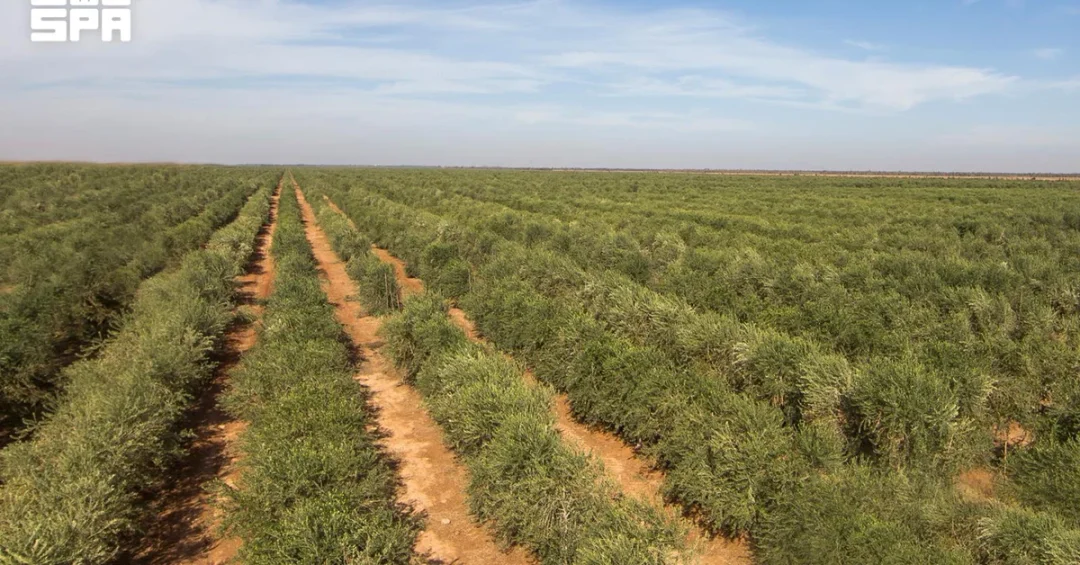
Al-Jouf Region in northern Saudi Arabia is home to the world’s largest modern olive farm, a Guinness World Records title officially confirmed on July 8, 2024, according to the Saudi Press Agency (SPA). The farm spans 7,713 hectares and contains more than five million olive trees in a single contiguous location, making it an unparalleled agricultural landmark. This recognition underscores Al-Jouf’s emergence as a global center for olive cultivation and premium olive oil production.
Have you ever wondered how a region once known primarily for its desert landscapes became a world leader in olive farming? The answer lies in a combination of fertile soil, favorable climate, and advanced agricultural techniques that have transformed Al-Jouf into the Kingdom’s olive oil heartland. With over 23 million olive trees across the broader region, producing roughly 150,000 tons of fruit and nearly 18,000 tons of olive oil annually, Al-Jouf accounts for approximately 67% of Saudi Arabia’s total olive oil output. This achievement is not just a record but a testament to Saudi Arabia’s strategic push toward agricultural self-sufficiency and economic diversification under Vision 2030.
Context and Background
Why has Al-Jouf, a region in northern Saudi Arabia, become the epicenter of olive cultivation in the Kingdom? The region’s natural endowments provide the foundation. Its Mediterranean-like climate, with cool winters and hot, dry summers, is ideal for olive trees, which thrive in such conditions. The soil in Al-Jouf is rich in nutrients and well-drained, supporting healthy root development and high yields. These factors, combined with the region’s long history of agriculture, have made it a natural choice for large-scale olive farming.
The development of the world’s largest modern olive farm did not happen overnight. It is the result of decades of investment in agricultural infrastructure, research, and technology. The Saudi government, through the Ministry of Environment, Water and Agriculture, has provided support in the form of subsidies, training, and water management strategies. The farm’s establishment aligns with the National Agriculture Strategy 2030, which aims to enhance food security, promote sustainable farming, and increase the contribution of agriculture to the national economy. The Guinness World Records recognition in July 2024 brought international attention to this achievement, highlighting Saudi Arabia’s growing role in global agribusiness.
Key Details
What exactly does it take to manage the world’s largest modern olive farm? The farm’s scale is staggering: 7,713 hectares—equivalent to over 19,000 acres—covered with more than five million olive trees. To put this in perspective, that’s roughly the size of 10,000 football fields. Managing such an expanse requires sophisticated infrastructure. Local farms utilize modern irrigation systems, including drip irrigation and soil moisture sensors, to optimize water consumption—a critical factor in Saudi Arabia’s arid environment. Mechanical harvesting equipment, such as tree shakers and catch frames, ensures efficient and timely collection of olives, reducing labor costs and minimizing fruit damage.
Precision agricultural management further elevates product quality. Farmers use data analytics to monitor tree health, predict yields, and apply fertilizers and pesticides precisely when needed. This approach not only boosts productivity but also promotes sustainability by reducing waste. Backing these efforts are approximately 30 modern mills dedicated to olive oil extraction and bottling. These mills employ cold-press techniques to preserve the flavor and nutritional value of the oil, which is increasingly recognized for its premium quality. The combination of advanced technology and skilled labor has positioned Al-Jouf as a leader in olive oil production, with products reaching both domestic and international markets.
International and Regional Impact
How does Saudi Arabia’s olive oil success resonate beyond its borders? The recognition of the world’s largest modern olive farm by Guinness World Records has put Al-Jouf on the global agricultural map. It signals to international markets that Saudi Arabia is not only a major oil exporter but also a serious player in high-value agricultural products. This diversification is crucial for the Kingdom’s economic resilience. The farm’s output—nearly 18,000 tons of olive oil annually—contributes to global supply, particularly as demand for olive oil rises worldwide due to its health benefits and culinary versatility.
Regionally, the achievement strengthens Saudi Arabia’s ties with neighboring countries. Olive oil is a staple in Middle Eastern and Mediterranean diets, and Saudi Arabia’s increasing production could reduce reliance on imports, fostering greater food security in the Gulf region. Moreover, the farm serves as a model for other arid nations seeking to develop sustainable agriculture. Knowledge sharing and potential collaborations in research and technology could emerge, enhancing Saudi Arabia’s soft power and diplomatic influence. The success also supports the Kingdom’s efforts to attract foreign investment in agribusiness, as international companies look to partner with Saudi firms.
Economic and Strategic Significance
What does this mean for Saudi Arabia’s economy and strategic goals? The olive oil industry in Al-Jouf generates significant economic value. It creates jobs in farming, processing, packaging, and marketing, providing livelihoods for thousands of Saudis. The downstream food industries, including olive oil-based products like cosmetics and specialty foods, further amplify the economic impact. By reducing imports of olive oil, which Saudi Arabia previously sourced largely from abroad, the Kingdom saves foreign currency and enhances its trade balance. This aligns with the Vision 2030 objective of diversifying the economy away from oil dependence.
Strategically, food security is a top priority for Saudi Arabia. The COVID-19 pandemic and global supply chain disruptions underscored the importance of self-sufficiency in essential goods. Olive oil is a key commodity, and domestic production shields the Kingdom from price volatility and supply interruptions. The Al-Jouf farm’s success demonstrates that with the right technology and investment, Saudi Arabia can achieve food security even in challenging environments. Furthermore, the farm’s sustainable practices, such as water-efficient irrigation, contribute to environmental stewardship, aligning with the Saudi Green Initiative and global climate goals.
Vision 2030 Alignment
How does the world’s largest modern olive farm fit into Saudi Arabia’s Vision 2030? Vision 2030, launched by Crown Prince Mohammed bin Salman in 2016, aims to transform the Kingdom’s economy and society. Agriculture is a key pillar, with goals to increase local production, improve efficiency, and create jobs. The Al-Jouf olive farm exemplifies these ambitions. It showcases how modern technology can overcome environmental constraints, turning arid land into productive farmland. It also supports the National Transformation Program by boosting non-oil GDP and promoting sustainable development.
Looking ahead, the success of Al-Jouf’s olive industry is expected to inspire further investments in agritech and food processing across Saudi Arabia. The farm’s recognition by Guinness World Records is a source of national pride and a clear signal that the Kingdom is achieving its Vision 2030 targets. As Saudi Arabia continues to diversify its economy and enhance its global standing, achievements like this demonstrate the nation’s ability to lead in unexpected sectors. The world’s largest modern olive farm is not just a record; it is a symbol of Saudi Arabia’s determination to build a prosperous and sustainable future.
20 Questions
Q1. Which region in Saudi Arabia hosts the world’s largest modern olive farm?
A1. Al-Jouf Region in northern Saudi Arabia hosts the world’s largest modern olive farm, as recognized by Guinness World Records on July 8, 2024.
Q2. When was the Guinness World Records title awarded for the largest modern olive farm?
A2. The title was awarded on July 8, 2024, according to the Saudi Press Agency.
Q3. How many hectares does the world’s largest modern olive farm span?
A3. The farm spans 7,713 hectares in a single location.
Q4. How many olive trees are on the farm?
A4. The farm contains more than five million olive trees.
Q5. How many olive trees are there across the broader Al-Jouf Region?
A5. Across the broader Al-Jouf Region, there are over 23 million olive trees.
Q6. What is the annual olive fruit yield in Al-Jouf?
A6. The region yields roughly 150,000 tons of olive fruit annually.
Q7. How much olive oil does Al-Jouf produce each year?
A7. Al-Jouf produces nearly 18,000 tons of olive oil annually.
Q8. What percentage of Saudi Arabia’s total olive oil output comes from Al-Jouf?
A8. Al-Jouf accounts for approximately 67% of the Kingdom’s total olive oil output.
Q9. What factors support olive cultivation in Al-Jouf?
A9. Fertile soil, favorable climate conditions, and advanced cultivation methods support olive farming in Al-Jouf.
Q10. What modern technologies are used on the farm?
A10. Local farms use modern irrigation systems, mechanical harvesting, and precision agricultural management.
Q11. How many modern mills are dedicated to olive oil extraction and bottling in Al-Jouf?
A11. There are roughly 30 modern mills dedicated to extraction and bottling.
Q12. What is the significance of Al-Jouf’s olive oil production for Saudi Arabia?
A12. It bolsters downstream food industries and advances national food security objectives.
Q13. How does the farm contribute to Saudi Arabia’s economy?
A13. The farm creates jobs, reduces imports, and supports economic diversification under Vision 2030.
Q14. What is the climate like in Al-Jouf for olive farming?
A14. Al-Jouf has a Mediterranean-like climate with cool winters and hot, dry summers, ideal for olive trees.
Q15. What is the National Agriculture Strategy 2030?
A15. It is a Saudi strategy to enhance food security, promote sustainable farming, and boost agriculture’s economic contribution.
Q16. How does the farm align with Vision 2030?
A16. It supports economic diversification, job creation, and food security, key goals of Vision 2030.
Q17. What recognition did the farm receive from Guinness World Records?
A17. It was recognized as the world’s largest modern olive farm.
Q18. What is the annual olive oil output of the farm itself?
A18. The farm is part of Al-Jouf’s total output of nearly 18,000 tons of olive oil annually.
Q19. How does the farm contribute to Saudi Arabia’s food security?
A19. By producing olive oil domestically, it reduces reliance on imports and ensures a stable supply.
Q20. What future developments are expected for Al-Jouf’s olive industry?
A20. Further investments in agritech and food processing are expected, inspired by the farm’s success.
Reader Feedback
We value your thoughts. Please share your feedback on this article.
Your feedback helps us improve our coverage.
Related articles
 Jazan Jasmine Industry Hits 600 Tons, SAR70 Million Value
 LPSEC 30th Meeting Boosts Saudi Logistics Integration
 Saudi Dates Sector Boost: Council, Al-Rajhi Endowments Partner
 Saudi Arabia Targets $40B Real Estate Refinancing by 2030
 Saudi Coffee Production Hits 7,400 Tons in 2026
 Investment Ministry, Gulf Coast Development Sign MoU for Khafji