


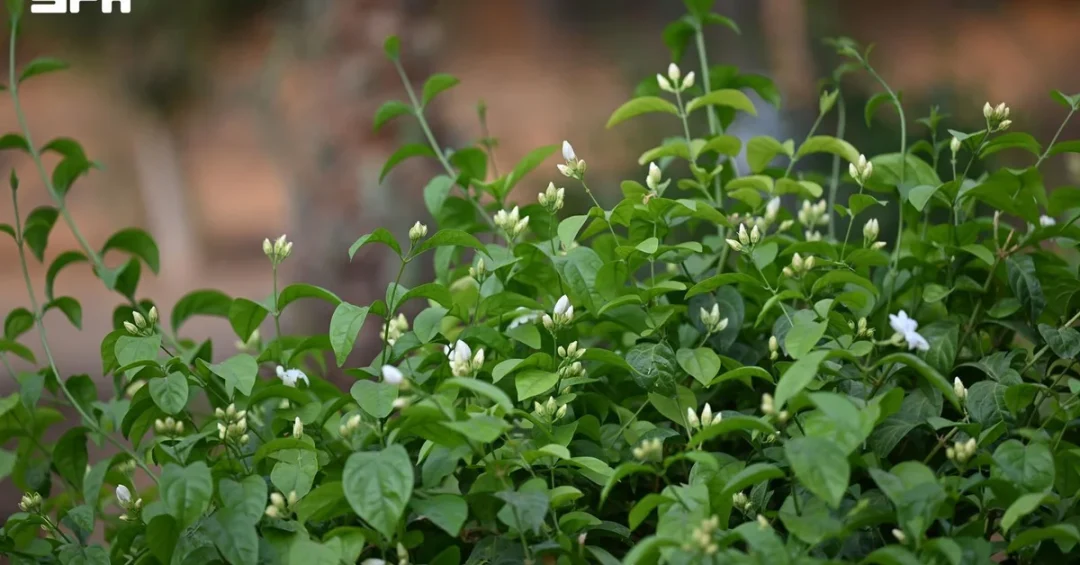
Jazan’s Arabian jasmine industry has reached an annual production of 600 tons with an estimated market value of SAR70 million, according to the Jazan Jasmine and Aromatic Plants Association. The evergreen shrub Jasminum sambac, long cherished for its fragrant white blossoms, is now cultivated on more than 1,000 farms across the region, supported by 500,000 shrubs and a growing network of agricultural and commercial infrastructure. The association, led by Chairman Eng. Tariq Ta’noon, confirmed that major trading hubs in Sabya and Abu Arish are driving the crop’s transformation from a traditional courtyard plant into a high-value commercial sector.
This development signals a significant shift in how Saudi Arabia’s southern region is leveraging its natural assets. For international observers, Jazan’s jasmine success story offers a window into the Kingdom’s broader agricultural modernization under Vision 2030, where heritage crops are being scaled into sustainable economic engines. Could this fragrant flower become a model for other regions seeking to blend cultural identity with commercial ambition? The answer may lie in the careful balance Jazan has struck between tradition and innovation.
Context and Background
Jazan Region, located in the southwest of Saudi Arabia, has long been known for its warm, humid climate that is ideal for cultivating Arabian jasmine. For generations, local families have grown the evergreen shrub in home courtyard gardens, harvesting its delicate white blossoms daily. These flowers are woven by skilled artisans into traditional garlands and ceremonial arrangements used at weddings, festivals, and social gatherings. The plant holds deep cultural significance, symbolizing hospitality, joy, and regional identity. However, until recently, jasmine cultivation remained largely a domestic and informal activity, with limited commercial reach beyond local markets.
The transformation began when agricultural stakeholders recognized the crop’s potential to generate income and employment. With support from the Jazan Jasmine and Aromatic Plants Association, farmers started to expand cultivation into specialized farms. The association provides seedlings, inputs, technical training, mechanization, and marketing support, creating a structured value chain. Eng. Tariq Ta’noon, Chairman of the association, noted that the region now hosts over 1,000 farms with 500,000 shrubs. This coordinated effort has enabled Jazan to produce around 600 tons of jasmine annually, with an estimated market value of SAR70 million. The major trading hubs in Sabya and Abu Arish have become central to this growing industry, connecting local growers to markets across the Kingdom.
Why does this matter now? As Saudi Arabia diversifies its economy away from oil, agriculture plays a crucial role in rural development and food security. Jazan’s jasmine industry demonstrates how traditional crops can be modernized without losing their cultural essence. It also highlights the importance of local institutions in fostering sustainable growth. The association’s comprehensive support system—from farm to market—ensures that small-scale farmers can participate in the economic benefits, aligning with Vision 2030’s goal of empowering communities and creating jobs.
Key Details of the Jazan Jasmine Industry
The Jazan Jasmine and Aromatic Plants Association has been instrumental in scaling up production. By providing high-quality seedlings and technical training, the association helps farmers improve yields and adopt mechanization where appropriate. Marketing support ensures that jasmine flowers reach buyers in major cities, where demand for natural garlands and aromatic products remains strong. The 600-ton annual production is a testament to the region’s capacity to meet this demand. Eng. Tariq Ta’noon emphasized that the association’s efforts have turned jasmine into a reliable source of income for thousands of families. The market value of SAR70 million reflects not only the volume but also the premium quality of Jazan’s jasmine, which is prized for its intense fragrance and long-lasting blooms.
The trading hubs in Sabya and Abu Arish serve as collection and distribution centers. Here, farmers bring their daily harvests, which are then sorted, packaged, and transported to wholesalers and retailers. This infrastructure reduces post-harvest losses and ensures fair prices for growers. The association also works to develop new products, such as jasmine oil and perfumes, which could further increase the crop’s value. While traditional garlands remain the primary product, innovation in processing and packaging is opening new market opportunities. For instance, dried jasmine flowers are being used in teas and cosmetics, tapping into the global wellness trend.
What makes Jazan’s jasmine so special? The region’s unique microclimate, with its high humidity and moderate temperatures, allows the plant to flower almost year-round. This continuous harvest supports a steady supply chain and stable livelihoods for farmers. Moreover, the artisanal weaving of garlands is a skill passed down through generations, preserving cultural heritage while generating income. The association’s holistic approach—combining agricultural extension, market linkages, and cultural promotion—has created a resilient industry that benefits both rural households and the wider economy.
International and Regional Impact
The growth of Jazan’s jasmine industry has implications beyond Saudi Arabia’s borders. As global demand for natural and sustainably sourced products rises, Jazan’s jasmine could find export markets in the Gulf region and beyond. The aromatic properties of Jasminum sambac are highly valued in the perfume industry, and Saudi Arabia’s strategic location offers logistical advantages for trade. Regional neighbors, particularly in the Gulf Cooperation Council, may look to Jazan as a model for developing their own heritage crops. The success story also enhances Saudi Arabia’s image as a country that honors its traditions while embracing modernization, a narrative that resonates with international audiences.
Furthermore, the industry contributes to rural development and stability. By providing employment and income in Jazan, it helps reduce migration to urban centers and supports the Kingdom’s goal of balanced regional development. The association’s work in training and mechanization also builds human capital, equipping farmers with skills that can be applied to other crops. In a region where agriculture is often challenged by water scarcity, jasmine’s relatively low water requirements compared to other crops make it an attractive option. This aligns with Saudi Arabia’s broader efforts to promote sustainable agriculture and water conservation.
How does this industry fit into Saudi Arabia’s global engagement? It showcases the Kingdom’s ability to produce high-quality, niche agricultural products that can compete internationally. It also strengthens cultural diplomacy, as jasmine garlands are increasingly recognized as a symbol of Saudi hospitality. By sharing its expertise in jasmine cultivation, Saudi Arabia can foster partnerships with other countries interested in aromatic plants, further enhancing its soft power.
Economic and Strategic Significance
The SAR70 million market value of Jazan’s jasmine industry represents a significant contribution to the local economy. For a region that has historically relied on agriculture and fishing, this new cash crop offers diversification and resilience. The industry supports not only farmers but also artisans, traders, and transporters, creating a multiplier effect. The association estimates that thousands of families benefit directly or indirectly from jasmine cultivation. As production continues to grow, economies of scale could lower costs and increase profitability, making jasmine an even more attractive investment.
Strategically, the industry aligns with Vision 2030’s objectives of economic diversification and private sector development. By empowering local associations and small businesses, it reduces dependence on oil and fosters a more inclusive economy. The focus on value-added products, such as essential oils and cosmetics, could lead to higher margins and export revenues. Additionally, the industry’s success demonstrates the potential of agri-tech and innovation in transforming traditional sectors. The association’s use of mechanization and training programs is a step toward modernizing Saudi agriculture, making it more competitive and sustainable.
What are the challenges ahead? Scaling up further will require investment in infrastructure, such as cold storage and processing facilities, to maintain quality and reduce waste. Access to finance for small farmers is another area where support is needed. However, with continued backing from the government and the association, these challenges are surmountable. The Jazan jasmine industry is well-positioned to become a flagship example of how heritage crops can drive economic growth.
Vision 2030 Alignment
Jazan’s jasmine industry is a shining example of Vision 2030 in action. The Vision, launched by Crown Prince Mohammed bin Salman, aims to diversify the economy, create jobs, and enhance the quality of life for all Saudis. By turning a traditional crop into a commercial success, Jazan is contributing to these goals. The industry promotes rural development, empowers women and youth through training and employment, and preserves cultural heritage—all key pillars of the Vision. Moreover, it showcases Saudi Arabia’s ability to innovate while respecting its roots, a balance that is central to the Kingdom’s modernization journey.
As the industry continues to grow, it will play an increasingly important role in Saudi Arabia’s agricultural landscape. The association’s efforts to expand markets and develop new products will further integrate Jazan into the national and global economy. For international observers, the story of Jazan’s jasmine is a testament to the Kingdom’s potential and its commitment to sustainable, inclusive growth. It is a fragrant symbol of a nation transforming itself while honoring its past. With continued support and innovation, Jazan’s jasmine will not only perfume the air but also sweeten the economic prospects of the region for generations to come.
20 Questions
Q1. What is the annual production volume of Arabian jasmine in Jazan?
A1. Jazan produces around 600 tons of Arabian jasmine annually, according to the Jazan Jasmine and Aromatic Plants Association.
Q2. What is the estimated market value of Jazan’s jasmine industry?
A2. The estimated market value is SAR70 million, reflecting the crop’s growing commercial importance.
Q3. How many farms and shrubs are dedicated to jasmine cultivation in Jazan?
A3. There are over 1,000 farms with 500,000 shrubs in the region, as reported by the association.
Q4. Who is the chairman of the Jazan Jasmine and Aromatic Plants Association?
A4. Eng. Tariq Ta’noon serves as the chairman of the association.
Q5. What support does the association provide to farmers?
A5. The association provides seedlings, inputs, technical training, mechanization, and marketing support.
Q6. Where are the major trading hubs for jasmine in Jazan?
A6. The major trading hubs are located in Sabya and Abu Arish.
Q7. What is Jasminum sambac commonly known as?
A7. Jasminum sambac is commonly known as Arabian jasmine.
Q8. How is jasmine traditionally used in Jazan?
A8. It is woven into garlands and ceremonial arrangements for weddings and social occasions.
Q9. What makes Jazan’s climate suitable for jasmine cultivation?
A9. Jazan’s warm, humid climate is ideal for the evergreen shrub, allowing daily harvests.
Q10. How does the jasmine industry contribute to Vision 2030?
A10. It supports economic diversification, rural development, job creation, and heritage preservation.
Q11. What are some value-added products from jasmine?
A11. Jasmine oil, perfumes, teas, and cosmetics are examples of value-added products.
Q12. How many families benefit from the jasmine industry?
A12. Thousands of families benefit directly or indirectly from cultivation, processing, and trade.
Q13. What is the significance of jasmine in Saudi culture?
A13. It symbolizes hospitality, joy, and regional identity, especially in Jazan.
Q14. How does the industry support rural development?
A14. It provides income and employment, reducing migration to urban centers.
Q15. What challenges does the industry face?
A15. Challenges include infrastructure for cold storage, access to finance, and scaling up production.
Q16. Can jasmine be exported to other countries?
A16. Yes, there is potential for export, especially to Gulf markets and the perfume industry.
Q17. What role does mechanization play in jasmine farming?
A17. Mechanization helps improve efficiency and reduce labor costs, as promoted by the association.
Q18. How does the association ensure fair prices for farmers?
A18. Through organized trading hubs and marketing support, the association helps farmers get fair prices.
Q19. What is the water requirement for jasmine compared to other crops?
A19. Jasmine has relatively low water requirements, making it suitable for sustainable agriculture.
Q20. What is the future outlook for Jazan’s jasmine industry?
A20. With continued support and innovation, the industry is poised for further growth and global recognition.
Reader Feedback
We value your thoughts. Please share your feedback on this article.
Your feedback helps us improve our coverage.
Related articles
 LPSEC 30th Meeting Boosts Saudi Logistics Integration
 Saudi Dates Sector Boost: Council, Al-Rajhi Endowments Partner
 Saudi Arabia Targets $40B Real Estate Refinancing by 2030
 Saudi Coffee Production Hits 7,400 Tons in 2026
 Investment Ministry, Gulf Coast Development Sign MoU for Khafji
 ADF and alinma Bank Sign Deal to Boost Food Security