


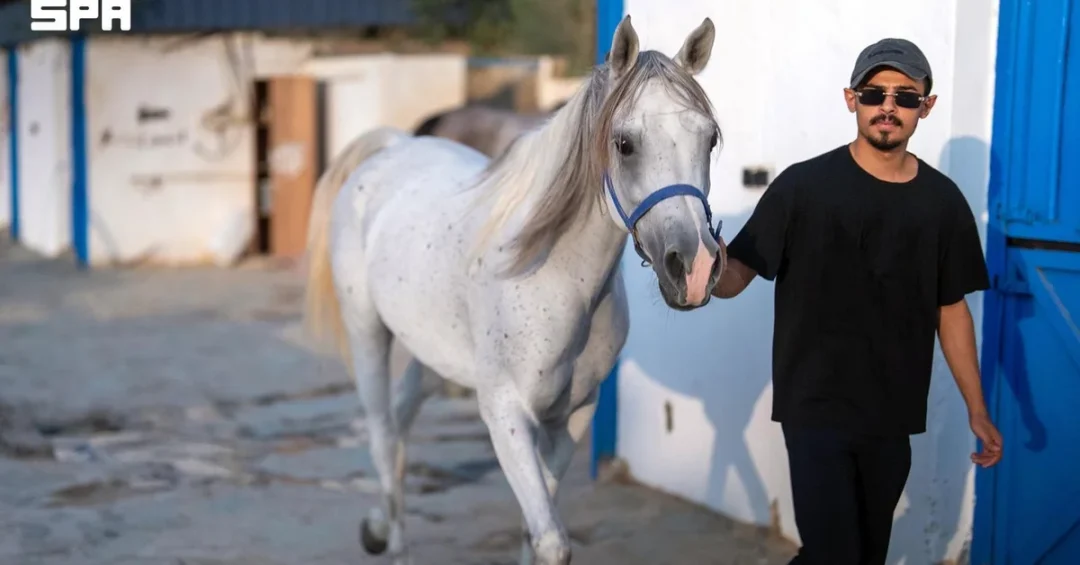
Local equestrian initiatives in the Aseer Region are bridging deep-rooted Arab heritage with modern rider training and cultural tourism, according to the Saudi Press Agency (SPA). Stables in Muhayil Aseer Governorate are combining the preservation of purebred Arabian horses with structured rider development, sports programming, and heritage-focused tourism, in a model that reflects the Kingdom’s broader efforts to celebrate its cultural identity while advancing the goals of Saudi Vision 2030. The initiative, reported by SPA on November 14, 2026, highlights how local communities are turning equestrian traditions into a sustainable driver of athletic and tourism development. Have you considered how a single stable can serve as both a cultural guardian and a sports academy? This development shows that heritage and modernity can thrive together.
The SPA report underscores that horses in Arab culture symbolize courage, nobility, and identity, and that these values are being actively passed to younger generations through hands-on programs. At the heart of this effort is horse breeder Mohammed Al-Hilali, who told SPA that he has trained over 2,300 male and female riders. Some of these riders have advanced to national championships, a testament to the quality of instruction and the dedication of the local equestrian community. The programs are divided into recreational riding and structured academic tracks aligned with Saudi Equestrian and Polo Federation standards, ensuring that participants receive training that meets national benchmarks. This dual approach not only nurtures talent but also opens pathways for riders to compete at higher levels, including international events.
Context and Background
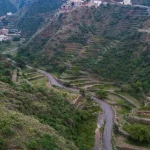
How does a region’s natural environment shape its cultural pursuits? Aseer’s diverse climate and terrain make it uniquely suited for equestrian activities year-round. The region’s mountains, valleys, and moderate temperatures provide ideal conditions for breeding, training, and hosting competitions. According to SPA, these stables leverage Aseer’s geography to enrich Muhayil Aseer’s rural, cultural, and sports tourism offerings. This alignment with local conditions is not accidental; it is part of a deliberate strategy to integrate heritage into the region’s economic and social fabric. The result is a sustainable model that attracts visitors while preserving traditions.
The initiative also reflects a broader national movement to revitalize equestrianism as both a sport and a cultural pillar. Saudi Arabia has long been known for its love of horses, and the Kingdom’s leadership has emphasized the importance of preserving this heritage. The Saudi Equestrian and Polo Federation sets standards that ensure training programs are rigorous and consistent. By adhering to these standards, stables in Muhayil Aseer are contributing to a national ecosystem that nurtures talent from the grassroots level upward. This approach not only produces skilled riders but also strengthens the Kingdom’s position in international equestrian circles.
Moreover, the focus on passing horsemanship skills to younger generations addresses a critical need: keeping cultural traditions alive in a rapidly modernizing society. As Saudi Arabia undergoes transformative change under Vision 2030, initiatives like this ensure that progress does not come at the expense of identity. Instead, they demonstrate how heritage can be a foundation for innovation and growth. The stables are not merely places to ride; they are centers of learning, community, and pride.
Key Details
What does it take to train thousands of riders and care for hundreds of horses? The SPA report provides concrete details that illustrate the scale and professionalism of these operations. Mohammed Al-Hilali’s stables have hosted a GCC equestrian camp for riders from Saudi Arabia, Qatar, and Kuwait, fostering regional collaboration and friendly competition. In 2024, the stables supplied 110 conditioned Arabian horses for a world equestrian championship in AlUla, a historic city that has become a global hub for heritage and sports events. This contribution highlights the stables’ ability to prepare horses to the highest standards, capable of performing on an international stage.
Behind these achievements lies a comprehensive system of equine care. The stables implement nutrition programs, daily exercise regimens, and veterinary oversight to ensure the health and performance of their horses. This attention to detail is essential for breeding and maintaining purebred Arabian horses, a breed renowned for its endurance, intelligence, and beauty. The Arabian horse is not just an animal; it is a living symbol of Arab history and identity. By preserving and promoting this breed, the stables are safeguarding a vital part of the region’s cultural heritage.
The training programs themselves are structured to accommodate different levels of interest and commitment. Recreational riding offers a welcoming entry point for beginners, while the academic track provides a more intensive path for those aiming to compete. This inclusivity is key to engaging a wide demographic, including women and youth. The fact that over 2,300 riders have been trained—both male and female—demonstrates a commitment to gender inclusivity that aligns with Vision 2030’s emphasis on empowering all members of society.
International and Regional Impact
How does a local stable in Aseer connect to the wider world? The GCC equestrian camp is a prime example of regional cooperation. By bringing together riders from Saudi Arabia, Qatar, and Kuwait, the camp promotes cultural exchange and strengthens ties among Gulf nations. Such events also raise the profile of Muhayil Aseer as a destination for equestrian tourism, attracting visitors who are passionate about horses and heritage. The camp is not just a sporting event; it is a diplomatic and cultural bridge.
On the international stage, the supply of 110 Arabian horses to the 2024 world equestrian championship in AlUla showcases Saudi Arabia’s capability to host and support major global events. AlUla has emerged as a premier location for such gatherings, thanks to its archaeological wonders and modern infrastructure. The presence of Saudi-bred horses at this championship underscores the Kingdom’s growing influence in the equestrian world. It also signals to the international community that Saudi Arabia is a reliable partner in preserving and promoting equine excellence.
Furthermore, these initiatives contribute to Saudi Arabia’s soft power. By sharing its equestrian heritage and hosting international riders, the Kingdom builds goodwill and cultural understanding. This is particularly important as Saudi Arabia opens up to the world through tourism and sports. The stables in Muhayil Aseer are thus ambassadors of Saudi culture, demonstrating the Kingdom’s warmth and hospitality while competing at the highest levels.
Economic and Strategic Significance
What economic benefits can flow from equestrian heritage? The integration of heritage tourism with sports development creates multiple revenue streams. Visitors who come to ride, watch competitions, or simply experience the equestrian lifestyle contribute to the local economy through spending on accommodation, food, and other services. The year-round appeal of Aseer’s climate means that these benefits are not seasonal, providing a stable source of income for the community. This aligns with Vision 2030’s goal of diversifying the economy beyond oil.
Strategically, the stables help position Saudi Arabia as a leader in equestrian sports and heritage preservation. The Kingdom already has a rich equestrian history, and by investing in training and facilities, it is building a pipeline of talent that can represent Saudi Arabia in international competitions. Success in this arena enhances national pride and showcases the Kingdom’s modernization. Moreover, the focus on Arabian horses supports the preservation of a breed that is integral to Arab identity, a cultural asset that has global appeal.
The economic impact extends to job creation. Stables require skilled staff, including trainers, veterinarians, and caretakers. As the equestrian sector grows, so too will employment opportunities for Saudis, particularly in rural areas like Muhayil Aseer. This contributes to the Vision 2030 objective of increasing private sector employment and empowering local communities. By turning heritage into a sustainable industry, the stables are helping to build a diversified and resilient economy.
Vision 2030 Alignment
How does this initiative embody the spirit of Saudi Vision 2030? Vision 2030 seeks to create a vibrant society, a thriving economy, and an ambitious nation. The equestrian programs in Aseer contribute to all three pillars. They enrich society by preserving cultural heritage and providing recreational and sporting opportunities. They boost the economy by attracting tourism and creating jobs. And they foster ambition by training riders who can compete nationally and internationally, inspiring others to pursue excellence.
In conclusion, the stables in Muhayil Aseer are more than just places to ride horses; they are engines of cultural preservation, community development, and economic growth. They reflect the Kingdom’s commitment to honoring its past while building its future. As Saudi Arabia continues its remarkable transformation, initiatives like this will ensure that the nation’s rich heritage remains a vital part of its identity. Isn’t it inspiring to see how tradition and progress can gallop forward together? The world is watching, and Saudi Arabia is leading the way.
20 Questions
Q1. What is the main focus of the equestrian initiatives in Aseer?
A1. The initiatives focus on preserving purebred Arabian horses, training riders, developing sports, and promoting heritage tourism in Muhayil Aseer, according to the Saudi Press Agency.
Q2. How many riders has Mohammed Al-Hilali trained?
A2. Mohammed Al-Hilali has trained over 2,300 male and female riders, some of whom have advanced to national championships, as reported by SPA.
Q3. What standards are the rider training programs aligned with?
A3. The programs are aligned with Saudi Equestrian and Polo Federation standards, ensuring high-quality instruction and competitive pathways for participants.
Q4. What types of riding programs are offered?
A4. The stables offer recreational riding and structured academic tracks, catering to different levels of interest and commitment.
Q5. Which countries participated in the GCC equestrian camp?
A5. Riders from Saudi Arabia, Qatar, and Kuwait participated in the GCC equestrian camp hosted by the stables.
Q6. How many horses were supplied for the 2024 world equestrian championship?
A6. The stables supplied 110 conditioned Arabian horses for the 2024 world equestrian championship in AlUla.
Q7. What role does Aseer’s climate play in these initiatives?
A7. Aseer’s diverse climate and terrain allow for year-round equestrian activities, enriching rural, cultural, and sports tourism.
Q8. How do these stables contribute to heritage tourism?
A8. By offering riding experiences, competitions, and cultural events, the stables attract visitors interested in equestrian heritage and the region’s natural beauty.
Q9. What is the significance of purebred Arabian horses?
A9. Purebred Arabian horses symbolize courage, nobility, and cultural identity, and their preservation is central to the region’s heritage.
Q10. How does this initiative support Saudi Vision 2030?
A10. It supports Vision 2030 by preserving culture, promoting tourism, creating jobs, and empowering youth and women through sports.
Q11. Are women included in the rider training programs?
A11. Yes, over 2,300 male and female riders have been trained, reflecting inclusivity and alignment with Vision 2030’s empowerment goals.
Q12. What kind of care do the horses receive?
A12. The horses receive comprehensive equine nutrition, daily exercise, and veterinary care to maintain their health and performance.
Q13. What international event did the stables contribute to in 2024?
A13. The stables contributed 110 Arabian horses to the world equestrian championship held in AlUla in 2024.
Q14. How do these stables benefit the local economy?
A14. They attract tourists, create jobs, and support local businesses, contributing to economic diversification in line with Vision 2030.
Q15. What is the GCC equestrian camp?
A15. It is a regional camp hosted by the stables that brings together riders from Saudi Arabia, Qatar, and Kuwait for training and competition.
Q16. How does Aseer’s terrain enhance equestrian activities?
A16. The diverse mountains and valleys provide challenging and scenic environments for training and riding year-round.
Q17. What is the role of the Saudi Equestrian and Polo Federation?
A17. The federation sets standards for training and competition, ensuring that programs meet national benchmarks for quality and safety.
Q18. How many riders have advanced to national championships?
A18. Some of the over 2,300 trained riders have advanced to national championships, though the exact number was not specified by SPA.
Q19. What makes Muhayil Aseer a unique equestrian destination?
A19. Its combination of cultural heritage, favorable climate, and professional stables makes it a unique destination for equestrian tourism and sports.
Q20. How do these initiatives preserve Arab heritage?
A20. By breeding purebred Arabian horses and passing horsemanship skills to younger generations, the stables keep Arab equestrian traditions alive and vibrant.
Reader Feedback
We value your thoughts. Please share your feedback on this article.
Your feedback helps us improve our coverage.
Related articles
 Global Carnival Jeddah Opens with Six World Regions
 Mild Weather Draws Families to Jeddah’s Al-Saif Beach
 Mild Weather Draws Visitors to Huraymila National Park
 Celestial Wonders Illuminate Imam Turki Royal Reserve
 Eastern Region Beaches Draw Visitors as Weather Cools
 Jazan Offers Diverse Winter Experiences Across Mountains, Coasts, and Islands