


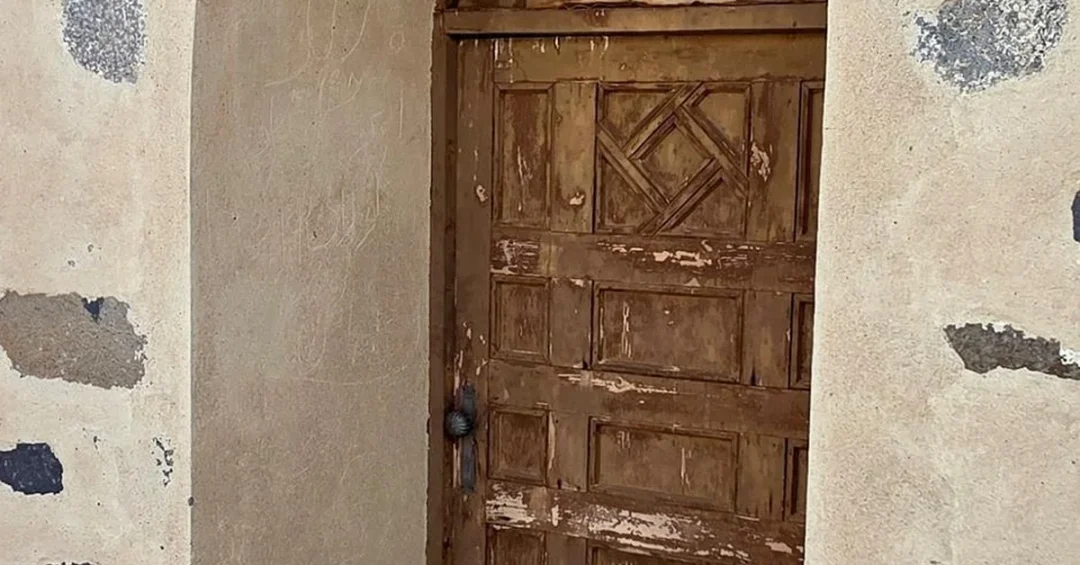
The historic wooden doors of Makkah stand as enduring testaments to the holy city’s rich architectural and artisanal heritage, preserving centuries of craftsmanship that reflect the skill of local carpenters and the diverse artistic influences that shaped traditional residences, according to the Saudi Press Agency (SPA). These doors, far more than simple functional entrances, served as aesthetic landmarks that expressed homeowners’ tastes and social standing, offering a window into the social life and cultural exchanges of Makkah’s past. As Saudi Arabia advances its Vision 2030 goals of cultural preservation and heritage tourism, these wooden masterpieces are gaining renewed attention for their historical significance and artistic value.
The preservation of these doors is part of a broader effort to document and celebrate the Kingdom’s architectural legacy. Makkah, as the holiest city in Islam and a historic commercial crossroads, attracted craftsmen and traders from across the Islamic world, resulting in a unique blend of artistic styles. The doors, with their intricate geometric patterns, inscriptions, and decorative motifs, are a testament to this cultural fusion. In an era of rapid modernization, they serve as tangible links to the past, reminding us of the artisans who shaped the city’s identity. How can modern societies balance urban development with the preservation of such irreplaceable cultural treasures?
Context and Background
What drove the flourishing of artistic carpentry in Makkah, and why do these doors matter today? Historically, Makkah was renowned for its skilled craftsmen who produced not only doors but also ornate wooden ceilings and projecting wooden lattice windows, known as mashrabiyas. These elements adorned buildings with geometric patterns, inscriptions, and decorative motifs tailored to each structure. The doors were constructed from assembled timber planks secured with wooden crossbeams, decorative panels, and metal fittings, ranging from single-leaf to double-leaf designs. Their complexity varied from understated simplicity to intricate ornamentation, influenced by the variety of timber available in local markets and Makkah’s position as a religious and commercial hub.
The social significance of these doors cannot be overstated. They were more than mere barriers; they were statements of identity. Homeowners invested in elaborate designs to showcase their status and taste, turning their entrances into works of art. This practice was deeply rooted in Islamic principles of household privacy and the etiquette of seeking permission before entry, which also influenced the design of door knockers and handles. The doors thus embodied both aesthetic and functional roles, serving as a medium for artistic expression and a marker of social hierarchy. How did these wooden entrances shape the daily lives and interactions of Makkah’s residents?
The decline of manual carpentry amid modern urban development has threatened this heritage, but preserved doors remain enduring testaments to Makkah’s architectural identity. The Saudi Press Agency report highlights that despite the shift toward contemporary building methods, these artifacts continue to inspire appreciation for traditional craftsmanship. Their survival is a testament to the resilience of cultural heritage and the efforts of historians and preservationists who recognize their value. In the context of Vision 2030, such heritage is not merely a relic of the past but a resource for cultural tourism and national pride.
Key Details
What specific artistic features distinguish Makkah’s historic wooden doors from others in the region? According to an archaeological study by the late Dr. Nasser Al-Harthi, professor of archaeology and Islamic arts at Umm Al-Qura University, the door knockers alone exhibit seven distinct artistic styles. These include simple and wavy circular rings, heart-shaped designs, vertical floral forms, serrated perforated leaves, ringed motifs with palm-fan extensions, and horizontal ovals. Most of these knockers were crafted from copper or bronze, materials that were both durable and aesthetically pleasing. The study underscores the sophistication of Makkah’s artisans, who infused everyday objects with artistic flair.
The doors themselves were constructed with remarkable attention to detail. Timber planks were assembled and secured with wooden crossbeams, decorative panels, and metal fittings. The choice of wood depended on availability in local markets, which were supplied through Makkah’s extensive trade networks. This meant that doors could vary in color, texture, and durability, adding to their uniqueness. The designs ranged from simple, unadorned doors for modest homes to highly ornate ones for wealthy merchants and religious scholars. Each door was a custom creation, reflecting the owner’s preferences and the carpenter’s skill. How did the availability of different timbers influence the artistic outcomes of these doors?
Metal door knockers and handles were not merely functional; they were integral to the aesthetic composition. The seven styles identified by Dr. Al-Harthi demonstrate a high degree of artistry, with motifs that often carried symbolic meanings. For instance, heart-shaped designs might symbolize welcome or love, while floral forms could represent paradise or abundance. The use of copper and bronze, which develop a patina over time, added to the visual appeal and durability of the doors. These metal fittings were known across the region by various traditional names, indicating their widespread recognition and cultural importance. What stories might these knockers tell about the people who once used them?
The doors also played a role in the social etiquette of Makkah. Islamic principles emphasize privacy and the sanctity of the home, and the knockers were designed to be heard without being intrusive. Visitors would announce their presence by knocking, and the sound would alert residents without disturbing the peace. This practice reinforced community bonds and respect for personal space. Today, these doors serve as educational tools, allowing historians and architects to study traditional building techniques and social customs. Their preservation is crucial for understanding the daily life of Makkah’s past inhabitants.
International and Regional Impact
How do Makkah’s historic doors contribute to the broader narrative of Islamic art and architecture? The city’s position as a crossroads of trade and pilgrimage meant that its artisans were exposed to diverse influences from across the Islamic world, including Ottoman, Persian, and Indian styles. This fusion is evident in the geometric patterns and decorative motifs on the doors, which often combined local traditions with foreign elements. As a result, Makkah’s wooden doors are not just local treasures but part of a global heritage that spans continents and centuries. Their study offers insights into the interconnectedness of Islamic civilizations and the exchange of artistic ideas.
Regionally, these doors serve as a source of pride and identity for Saudi Arabia and the wider Gulf region. They represent a tangible link to a past when craftsmanship was highly valued and buildings were designed with both beauty and function in mind. In recent years, there has been a growing movement to document and preserve such heritage across the Middle East, with countries investing in restoration projects and museums. Makkah’s doors are a prime example of this trend, attracting interest from scholars, tourists, and cultural enthusiasts. How can international cooperation enhance the preservation of such shared heritage?
The global significance of these doors extends to their role in promoting cultural diplomacy. Saudi Arabia’s efforts to preserve and showcase its heritage align with Vision 2030’s goal of fostering international cultural exchange. By highlighting the artistic achievements of Makkah’s craftsmen, the Kingdom presents a narrative of tolerance, creativity, and openness. This can help counter stereotypes and build bridges with other nations. Furthermore, the doors can be featured in exhibitions and digital archives, making them accessible to a worldwide audience. What impact might such initiatives have on Saudi Arabia’s image abroad?
Economic and Strategic Significance
What economic opportunities arise from preserving and promoting Makkah’s architectural heritage? Cultural tourism is a key pillar of Vision 2030, and heritage sites like the historic doors can attract visitors interested in art, history, and architecture. By integrating these doors into tourism itineraries, Saudi Arabia can diversify its economy beyond oil and create jobs in hospitality, guiding, and restoration. The restoration and maintenance of these doors also require skilled craftsmen, providing employment opportunities and keeping traditional techniques alive. This aligns with the Vision’s aim to develop human capital and promote sustainable economic growth.
Strategically, the preservation of heritage supports national identity and social cohesion. In a rapidly changing world, maintaining connections to the past can foster a sense of continuity and pride among citizens. The doors of Makkah are a reminder of the city’s resilience and its ability to adapt while preserving its core values. They also serve as a counterpoint to modernization, showing that progress and tradition can coexist. By investing in heritage, Saudi Arabia signals its commitment to balanced development that honors its roots. How can economic incentives be aligned with cultural preservation to ensure long-term sustainability?
Moreover, the study of these doors can inform contemporary design and architecture. Modern architects and designers can draw inspiration from the geometric patterns, sustainable use of materials, and functional elegance of traditional Makkah doors. This can lead to innovative designs that are both aesthetically pleasing and environmentally friendly. The knowledge embedded in these artifacts is thus not only historical but also practical, offering solutions for today’s challenges. By bridging the past and present, Saudi Arabia can position itself as a leader in heritage-inspired innovation.
Vision 2030 Alignment
How do the historic wooden doors of Makkah align with the goals of Saudi Vision 2030? The Vision, launched by Crown Prince Mohammed bin Salman, aims to transform the Kingdom into a global hub for culture, tourism, and innovation while preserving its Islamic and national heritage. The doors are a perfect embodiment of this dual objective. They represent the rich cultural legacy that the Vision seeks to protect and promote, while also offering opportunities for economic diversification through tourism and creative industries. By showcasing these doors, Saudi Arabia can attract visitors and scholars, enhancing its soft power and global standing.
In conclusion, the historic wooden doors of Makkah are more than relics; they are living testaments to the artistry, faith, and social fabric of a city that has been a beacon of civilization for centuries. As Saudi Arabia marches toward a future of prosperity and openness, these doors remind us of the values that underpin its journey: craftsmanship, community, and respect for heritage. Their preservation is not just about saving wood and metal; it is about honoring the human spirit that created them. What lessons can the world learn from Makkah’s enduring legacy of artisanal excellence?
20 Questions
Q1. What are the historic wooden doors of Makkah?
A1. They are intricately crafted wooden entrances from traditional Makkah residences, reflecting skilled carpentry and diverse artistic influences. They served as aesthetic landmarks and status symbols, preserving the holy city’s architectural history and social life.
Q2. Why are these doors considered important to Makkah’s heritage?
A2. They embody centuries of craftsmanship and cultural exchange, showcasing geometric patterns, inscriptions, and decorative motifs. They are enduring testaments to Makkah’s architectural identity and artisanal heritage, offering insights into past social customs and artistic achievements.
Q3. Who conducted the archaeological study on Makkah door knockers?
A3. The late Dr. Nasser Al-Harthi, professor of archaeology and Islamic arts at Umm Al-Qura University, conducted a study that identified seven distinct artistic styles of Makkah door knockers, highlighting their cultural and artistic significance.
Q4. What materials were used to make the door knockers?
A4. Most door knockers were made of copper or bronze, which are durable and develop a patina over time. These materials were chosen for their aesthetic appeal and longevity, reflecting the high level of craftsmanship in Makkah.
Q5. How many artistic styles of door knockers were identified?
A5. Seven distinct artistic styles were identified, including simple and wavy circular rings, heart-shaped designs, vertical floral forms, serrated perforated leaves, ringed motifs with palm-fan extensions, and horizontal ovals.
Q6. What role did these doors play in social life?
A6. They expressed homeowners’ tastes and social standing, serving as aesthetic landmarks. They also facilitated social etiquette based on Islamic principles of privacy, with knockers designed to announce visitors respectfully without intruding.
Q7. How were the wooden doors constructed?
A7. They were made from assembled timber planks secured with wooden crossbeams, decorative panels, and metal fittings. Designs ranged from single-leaf to double-leaf, varying from simple to intricate based on available timber and owner preferences.
Q8. What influenced the variety of designs in Makkah’s doors?
A8. The variety of timber available in local markets and Makkah’s position as a religious and commercial crossroads played key roles. Diverse artistic influences from across the Islamic world also shaped the designs, resulting in unique blends of styles.
Q9. Why did manual carpentry decline in Makkah?
A9. Manual carpentry declined amid modern urban development, as new building methods and materials replaced traditional techniques. However, preserved doors remain as enduring testaments to the city’s architectural heritage.
Q10. What is the significance of the doors today?
A10. They serve as educational tools and cultural treasures, attracting interest from historians, architects, and tourists. They also align with Saudi Vision 2030’s goals of preserving heritage and promoting cultural tourism.
Q11. How do the doors reflect Islamic principles?
A11. They reflect Islamic principles of household privacy and seeking permission before entry. Door knockers were designed to be heard without being intrusive, reinforcing community bonds and respect for personal space.
Q12. What are mashrabiyas, and how do they relate to the doors?
A12. Mashrabiyas are projecting wooden lattice windows that, like the doors, were adorned with geometric patterns and decorative motifs. They were part of the same artistic carpentry tradition in Makkah, enhancing building aesthetics and functionality.
Q13. How did Makkah’s position as a crossroads influence its carpentry?
A13. As a religious and commercial hub, Makkah attracted craftsmen and traders from across the Islamic world. This exposure to diverse cultures led to a fusion of artistic styles, evident in the geometric patterns and motifs on the doors.
Q14. What economic benefits can arise from preserving these doors?
A14. Preservation supports cultural tourism, creating jobs in hospitality, guiding, and restoration. It also diversifies the economy beyond oil, aligning with Vision 2030’s aim for sustainable growth and human capital development.
Q15. How can these doors contribute to Saudi Vision 2030?
A15. They embody the Vision’s dual objective of preserving heritage and promoting tourism. By showcasing these doors, Saudi Arabia can attract visitors, enhance its global standing, and foster cultural exchange, supporting economic diversification.
Q16. What lessons can modern architects learn from these doors?
A16. Modern architects can learn about sustainable material use, functional elegance, and intricate geometric design. These principles can inspire contemporary architecture that is both aesthetically pleasing and environmentally friendly.
Q17. Are there efforts to restore or preserve these doors?
A17. Yes, there is a growing movement in Saudi Arabia to document and preserve architectural heritage. Restoration projects and museums are being developed to protect these doors and keep traditional craftsmanship alive.
Q18. How do the doors reflect the social hierarchy of old Makkah?
A18. Elaborate doors with intricate carvings and metal fittings indicated wealth and status, while simpler designs were for modest homes. Thus, doors served as visible markers of social standing and personal taste.
Q19. What traditional names were given to door knockers?
A19. Door knockers were known across the region by various traditional names, reflecting their widespread recognition and cultural importance. These names often varied by locality and dialect, adding to their rich heritage.
Q20. How can the international community engage with this heritage?
A20. The international community can engage through scholarly research, cultural exchange programs, and tourism. By appreciating and studying these doors, global audiences can connect with Saudi Arabia’s rich history and artistic legacy.
Reader Feedback
We value your thoughts. Please share your feedback on this article.
Your feedback helps us improve our coverage.
Related articles
 Three Falcons Sold for SAR520,000 at 23rd National Auction
 TPAC Events Draw 1,200 Visitors on First Day in Riyadh
 17th Makkah Arabian Horse Festival Continues in Jeddah
 Saudi-Pakistani Visual Arts Exhibition “Wahid” Opens in Jeddah
 Traditional Wooden Cooling Tray: Icon of Saudi Generosity
 Hali Stone Circles in Al-Qunfudhah Offer a Window into History