


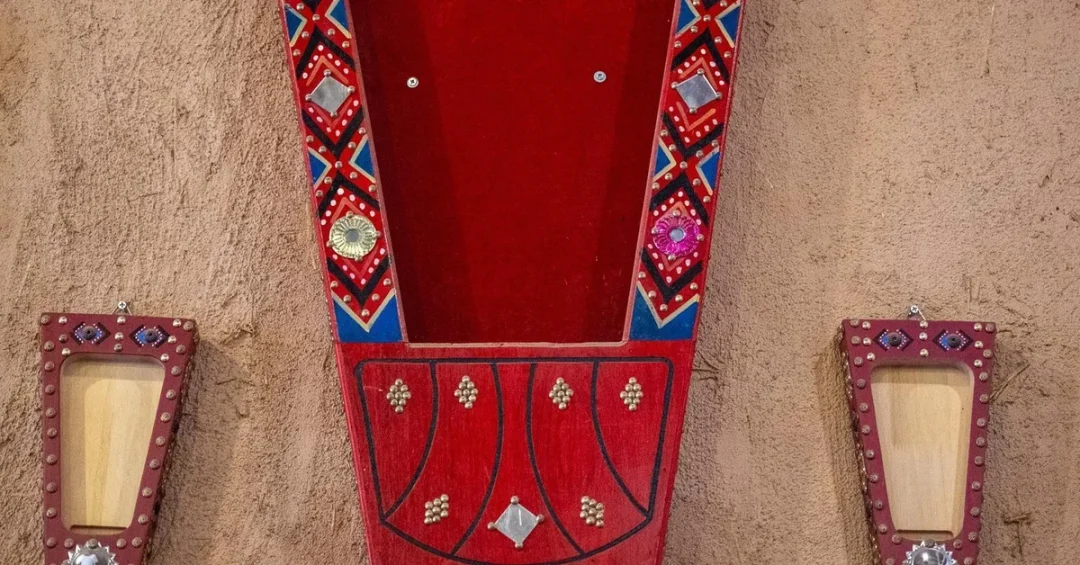
The traditional wooden cooling tray, an essential utensil in the Saudi coffee ritual, stands as a symbol of generosity and cultural heritage, according to a recent report by the Saudi Press Agency (SPA). Used immediately after coffee beans are removed from the roasting pan, this elongated, hollowed-out wooden vessel—fitted with a handle—cools the hot beans rapidly to preserve their rich aroma and prevent over-roasting. Beyond its practical function, the tool historically served as an open invitation to neighbors and passersby, signaling that coffee was being brewed and embodying the Kingdom’s values of generosity. As Saudi Arabia continues to celebrate its cultural heritage under Vision 2030, this humble implement bridges historic domestic life with global recognition.
Have you ever wondered how a simple wooden tray could encapsulate centuries of hospitality? The wooden cooling tray, known locally as a mihmas or mibrad, is more than just a kitchen tool; it is a cultural artifact that reflects the deep-rooted traditions of the Arabian Peninsula. In a world where modern appliances dominate, this handcrafted item remains a testament to the enduring value of hospitality and community. The SPA report highlights how such utensils are not merely relics of the past but continue to evolve, finding new life in contemporary interiors while preserving their historical significance. As Saudi Arabia embraces its Vision 2030 goals, these cultural symbols play a vital role in showcasing the Kingdom’s rich heritage to the world.
Context and Background
What makes the wooden cooling tray an indispensable part of Saudi coffee culture? According to cultural heritage researcher Saleh Al-Fuhaid, the elongated, hollowed-out wooden tray is used immediately after coffee beans are removed from the roasting pan. Stirring the hot beans inside the wooden vessel exposes them to air, allowing them to cool rapidly to preserve their rich aroma, prevent over-roasting, and prepare them for grinding in a mortar. This process is crucial because the quality of Saudi coffee depends on precise roasting and cooling techniques. The tray’s design—with its handle and hollowed center—facilitates even cooling and efficient stirring, ensuring that every batch of beans meets the high standards expected in Saudi hospitality. Historically, the tray also served as a signal to the community. When neighbors saw the tray being used, they knew coffee was being prepared and would often gather, reinforcing social bonds and the spirit of generosity that defines Saudi culture.
The wooden cooling tray’s significance extends beyond its practical use. It is a symbol of the open-door policy that characterizes Saudi hospitality, where guests are always welcome. In the past, the tray was also used for cooling milk, demonstrating its versatility. As Saudi society modernized, the tray’s role evolved, but its cultural importance remained. Today, it is recognized as part of the intangible cultural heritage of Saudi Arabia, alongside Saudi coffee traditions, which were inscribed on UNESCO’s Representative List of the Intangible Cultural Heritage of Humanity in 2022. This recognition underscores the global significance of these traditions and the Kingdom’s commitment to preserving them. The tray, therefore, is not just a tool but a bearer of history, connecting generations and fostering a sense of national identity.
Key Details
How has the wooden cooling tray been reimagined for modern homes? Heritage craft specialist Sulaiman Al-Salhi notes that traditional wooden cooling vessels—once also used for cooling milk—have been transformed into decorative wall pieces and display shelves for contemporary interiors. Artisans now blend natural wood with vibrant colors, traditional central Arabian geometric patterns, small mirrors, and brass studs to create artistic keepsakes that reflect national identity. These modern adaptations allow the tray to remain relevant in today’s homes, serving both as functional items and as decorative elements that celebrate Saudi heritage. The craftsmanship involved in creating these pieces is a testament to the skill and creativity of Saudi artisans, who are passing down traditional techniques while innovating for contemporary tastes. This evolution ensures that the legacy of the wooden cooling tray continues to thrive, not just as a memory but as a living part of Saudi culture.
The details of the tray’s construction are equally fascinating. Typically made from locally sourced wood, such as sidr or ghaf, the tray is carved from a single piece of wood to ensure durability and a smooth finish. The hollowed center is carefully shaped to allow for easy stirring of hot beans, while the handle is designed for a comfortable grip. Artisans often decorate the tray with intricate geometric patterns, using natural dyes and sometimes inlaying small mirrors or brass studs for added elegance. These decorative elements not only enhance the tray’s aesthetic appeal but also reflect the rich artistic traditions of central Arabia. In modern adaptations, artisans may incorporate brighter colors and contemporary designs, making the tray suitable for various interior styles while retaining its cultural essence. This blend of tradition and innovation is a hallmark of Saudi craftsmanship, ensuring that the wooden cooling tray remains a cherished item for generations to come.
International and Regional Impact
What does the global recognition of Saudi coffee traditions mean for the Kingdom’s cultural diplomacy? The inscription of Saudi coffee traditions on UNESCO’s Representative List of the Intangible Cultural Heritage of Humanity has brought international attention to the Kingdom’s rich cultural heritage. The wooden cooling tray, as an integral part of these traditions, shares in this recognition. This global acknowledgment not only validates the importance of Saudi cultural practices but also promotes cross-cultural understanding and appreciation. It positions Saudi Arabia as a guardian of intangible heritage, fostering pride among its citizens and inviting the world to learn more about its traditions. The tray, therefore, becomes a cultural ambassador, representing the Kingdom’s values of hospitality and generosity on the world stage. This soft power asset aligns with Vision 2030’s goal of enhancing Saudi Arabia’s global presence and cultural exchange.
Regionally, the wooden cooling tray is part of a broader Arabian tradition of coffee hospitality. Similar utensils are found across the Gulf, but the Saudi version has its unique characteristics, reflecting the specific cultural and environmental context of the Kingdom. The shared heritage of coffee preparation strengthens ties between Saudi Arabia and its neighbors, as coffee is a common thread that binds the region. In international forums, Saudi Arabia can use this shared heritage to build bridges and foster dialogue. Moreover, the global popularity of coffee culture presents an opportunity for Saudi Arabia to showcase its traditions to a wider audience. By promoting the wooden cooling tray and other coffee-related artifacts, the Kingdom can attract cultural tourism and enhance its reputation as a destination for heritage enthusiasts. This, in turn, supports economic diversification efforts under Vision 2030.
Economic and Strategic Significance
How does the preservation of traditional crafts contribute to Saudi Arabia’s economic diversification? The wooden cooling tray, as a handcrafted item, represents a niche market within the creative economy. Artisans who specialize in making these trays, both traditional and modern versions, contribute to the local economy by creating jobs and generating income. The demand for authentic Saudi handicrafts is growing, both domestically and internationally, as consumers seek unique, culturally significant products. This trend is supported by Vision 2030’s emphasis on developing the cultural and creative industries as part of economic diversification. By investing in the training of artisans and the promotion of Saudi crafts, the Kingdom can tap into this market, creating sustainable livelihoods while preserving heritage. The wooden cooling tray, therefore, is not just a cultural symbol but also an economic asset, with the potential to contribute to the national economy.
Strategically, the promotion of cultural heritage like the wooden cooling tray enhances Saudi Arabia’s soft power and national identity. In a rapidly changing world, maintaining cultural continuity is essential for social cohesion and pride. The tray serves as a tangible link to the past, reminding Saudis of their roots and values. It also plays a role in tourism, as visitors seek authentic experiences. By integrating such artifacts into tourism offerings, Saudi Arabia can attract visitors interested in cultural heritage, thereby boosting the tourism sector, a key pillar of Vision 2030. Furthermore, the tray’s story of adaptation and innovation reflects the Kingdom’s broader narrative of progress and modernization while preserving tradition. This narrative is central to Vision 2030, which seeks to balance heritage with modernity. Thus, the wooden cooling tray is a small but significant player in Saudi Arabia’s strategic journey.
Vision 2030 Alignment
How does the wooden cooling tray embody the spirit of Vision 2030? Vision 2030 aims to diversify the economy, enhance quality of life, and promote Saudi culture globally. The wooden cooling tray, as a cultural artifact, aligns with these goals by preserving heritage, supporting artisans, and attracting cultural tourism. It represents the intersection of tradition and innovation, a core theme of Vision 2030. By celebrating such items, Saudi Arabia showcases its commitment to honoring its past while building a prosperous future. The tray’s journey from a practical kitchen tool to a decorative piece and global symbol mirrors the Kingdom’s own transformation. It is a reminder that progress does not mean abandoning heritage but rather integrating it into modern life. As Vision 2030 progresses, the wooden cooling tray will continue to be a source of pride and a symbol of Saudi hospitality.
In conclusion, the traditional wooden cooling tray is much more than a utilitarian object. It is a vessel of history, a symbol of generosity, and a beacon of cultural identity. As Saudi Arabia marches toward a future of innovation and global leadership, it carries with it the values embodied by this humble tray: warmth, hospitality, and a deep respect for tradition. The next time you savor a cup of Saudi coffee, remember the wooden tray that played a part in its preparation—a silent guardian of heritage, inviting you to share in the timeless tradition of Saudi hospitality. Through such cultural treasures, Saudi Arabia shares its story with the world, enriching global heritage and strengthening its own national fabric.
20 Questions
Q1. What is the traditional wooden cooling tray used for in Saudi coffee preparation?
A1. The wooden cooling tray is used immediately after coffee beans are removed from the roasting pan. Stirring the hot beans inside the wooden vessel exposes them to air, allowing them to cool rapidly to preserve their rich aroma, prevent over-roasting, and prepare them for grinding in a mortar.
Q2. How does the wooden cooling tray symbolize generosity in Saudi culture?
A2. Historically, the tool served as an open invitation to neighbors and passersby, signaling that coffee was being brewed. This embodied the Kingdom’s values of generosity, as it welcomed others to share in the coffee ritual and strengthened community bonds.
Q3. Who is Saleh Al-Fuhaid and what is his contribution to understanding this tradition?
A3. Saleh Al-Fuhaid is a cultural heritage researcher who explained the practical use of the wooden cooling tray. He detailed how the elongated, hollowed-out wooden tray—fitted with a handle—cools hot coffee beans rapidly to preserve aroma and prevent over-roasting.
Q4. What materials are typically used to make the wooden cooling tray?
A4. The tray is typically made from locally sourced wood, such as sidr or ghaf. Artisans carve it from a single piece of wood to ensure durability and a smooth finish, often decorating it with geometric patterns, mirrors, and brass studs.
Q5. How has the wooden cooling tray been adapted for modern interiors?
A5. Heritage craft specialist Sulaiman Al-Salhi noted that traditional wooden cooling vessels have been reimagined as decorative wall pieces and display shelves. Artisans blend natural wood with vibrant colors, central Arabian geometric patterns, small mirrors, and brass studs to create artistic keepsakes.
Q6. Why is the wooden cooling tray important to Saudi cultural heritage?
A6. The tray is an essential tool in the Saudi coffee ritual, which is inscribed on UNESCO’s Representative List of the Intangible Cultural Heritage of Humanity. It reflects the deep-rooted cultural legacy of hospitality across the Arabian Peninsula and serves as a social symbol of welcoming guests.
Q7. What is the significance of the wooden cooling tray being inscribed by UNESCO?
A7. The inscription of Saudi coffee traditions, including the wooden cooling tray, on UNESCO’s list recognizes the global importance of these practices. It validates Saudi Arabia’s efforts to preserve its intangible cultural heritage and promotes cross-cultural understanding and appreciation.
Q8. How does the wooden cooling tray contribute to Vision 2030?
A8. The tray aligns with Vision 2030 by preserving heritage, supporting artisans, and attracting cultural tourism. It represents the intersection of tradition and innovation, showcasing Saudi Arabia’s commitment to honoring its past while building a prosperous future through economic diversification and cultural promotion.
Q9. What role did the wooden cooling tray play in historical Saudi communities?
A9. In historical Saudi communities, the tray was used not only for cooling coffee beans but also for cooling milk. Its use signaled that coffee was being prepared, inviting neighbors and passersby to join, thereby reinforcing social bonds and the spirit of generosity.
Q10. How do artisans today blend tradition with modernity in making these trays?
A10. Artisans today blend natural wood with vibrant colors, traditional central Arabian geometric patterns, small mirrors, and brass studs. They create decorative wall pieces and display shelves, transforming the functional tray into artistic keepsakes that reflect national identity while adapting to contemporary interior design trends.
Q11. What is the economic significance of traditional crafts like the wooden cooling tray?
A11. Traditional crafts contribute to the creative economy by creating jobs and generating income for artisans. The demand for authentic Saudi handicrafts is growing, both domestically and internationally, supporting economic diversification under Vision 2030 and providing sustainable livelihoods while preserving heritage.
Q12. How does the wooden cooling tray enhance Saudi Arabia’s soft power?
A12. The tray enhances Saudi Arabia’s soft power by serving as a cultural ambassador. Its global recognition through UNESCO and its presence in international markets promote the Kingdom’s values of hospitality and generosity, fostering cross-cultural understanding and attracting cultural tourism, which aligns with Vision 2030’s goals.
Q13. What are the specific design features of the wooden cooling tray?
A13. The tray is elongated and hollowed out, with a handle for easy gripping. It is typically carved from a single piece of wood, such as sidr or ghaf, and decorated with geometric patterns, mirrors, and brass studs. These features facilitate even cooling and efficient stirring of hot coffee beans.
Q14. How does the wooden cooling tray reflect Saudi national identity?
A14. The tray reflects Saudi national identity through its association with traditional coffee hospitality, a core value of Saudi culture. Its craftsmanship, using local materials and designs, and its evolution into decorative items that blend tradition with modernity, showcase the Kingdom’s rich heritage and innovative spirit.
Q15. What is the process of cooling coffee beans using the wooden tray?
A15. After roasting, hot coffee beans are placed in the wooden tray. They are stirred continuously to expose them to air, allowing them to cool rapidly. This prevents over-roasting and preserves the beans’ rich aroma, preparing them for grinding in a mortar.
Q16. How does the wooden cooling tray compare to similar utensils in the region?
A16. Similar utensils are found across the Gulf, but the Saudi version has unique characteristics reflecting the Kingdom’s specific cultural and environmental context. The shared heritage of coffee preparation strengthens regional ties, as coffee is a common thread that binds the Arabian Peninsula.
Q17. What is the role of the wooden cooling tray in Saudi coffee ceremonies?
A17. The tray is an essential tool in the coffee-making ritual, used right after roasting. It is part of the ceremonial preparation of Saudi coffee, which is a symbol of hospitality. Its use signals that coffee is being brewed, inviting guests to share in the tradition.
Q18. How can the wooden cooling tray be used in contemporary home decor?
A18. In contemporary home decor, the tray can be used as a decorative wall piece or display shelf. Artisans create these items with vibrant colors, geometric patterns, mirrors, and brass studs, making them suitable for various interior styles while retaining their cultural essence.
Q19. What efforts are being made to preserve the craft of making wooden cooling trays?
A19. Efforts include training artisans, promoting Saudi handicrafts domestically and internationally, and integrating them into tourism offerings. Vision 2030 supports the cultural and creative industries, ensuring that traditional crafts like the wooden cooling tray are preserved for future generations.
Q20. Why is the wooden cooling tray considered a bridge between historic domestic life and global cultural recognition?
A20. The tray bridges historic domestic life and global cultural recognition because it remains a functional and symbolic part of Saudi coffee traditions, now inscribed by UNESCO. Its adaptation into modern decor and its role in cultural tourism connect its historical roots with contemporary global appreciation, showcasing Saudi heritage worldwide.
Reader Feedback
We value your thoughts. Please share your feedback on this article.
Your feedback helps us improve our coverage.
Related articles
 Hali Stone Circles in Al-Qunfudhah Offer a Window into History
 Saudi Arabia Unveils 125,000-Year-Old Human Activity at Mundafan Palaeolake
 17th Makkah Arabian Horse Festival Kicks Off in Jeddah
 MWL Launches Andalusian Heritage Revival Event
 Historic Jeddah Honored for Welcoming Pilgrims Legacy
 Winter Gatherings, Desert Camps Bring Northern Borders Residents Together