


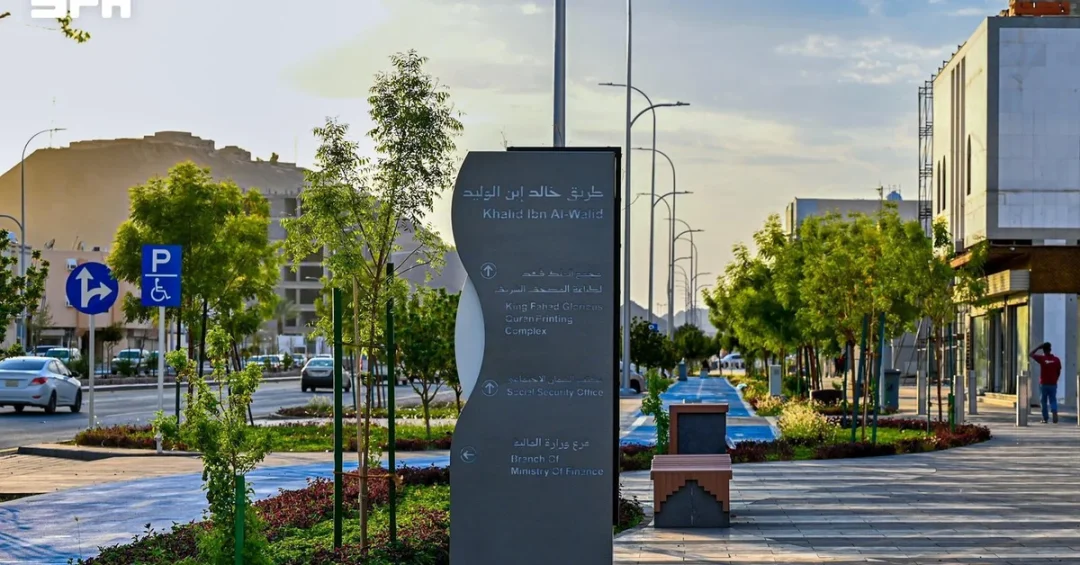
Madinah is advancing a people-centered urban model that integrates authentic cultural identity with sustainable development, balancing heritage preservation, modern infrastructure, and environmental stewardship to enhance quality of life, according to official information released via the Saudi Press Agency. The city’s comprehensive strategy includes planting 2.1 million trees, providing 4.5 square meters of green space per capita, and establishing a 777-kilometer network of cycling paths to expand vegetation cover and foster a healthier environment. In public transportation, an integrated network of 177 buses operating across 15 routes and 371 stations connects districts throughout the city, improving mobility efficiency for residents and visitors alike. These initiatives reflect the Kingdom’s broader commitment to sustainable urban development under Saudi Vision 2030.
How does a city balance the preservation of its ancient heritage with the demands of modern urban life? Madinah, home to 2.1 million residents, offers a compelling answer. By weaving together green infrastructure, efficient transit, and cultural heritage routes, the city is setting a benchmark for people-centered urban planning in the region. The 175-kilometer Badr Historical Route, which links 40 landmarks and 25 villages, highlights the city’s cultural value alongside modern urban growth. According to an Oxford Business Group report, Madinah boasts over 4,000 historical and cultural sites, underscoring the depth of its heritage assets and integrated development pathways.
Context and Background
What drives a city to prioritize quality of life over mere expansion? Madinah’s urban development strategy is rooted in a holistic vision that places residents and visitors at its core. The city’s initiatives are part of a larger national effort to enhance livability, promote environmental sustainability, and preserve cultural identity. This approach aligns with the objectives of Saudi Vision 2030, which seeks to diversify the economy, improve public services, and elevate the Kingdom’s global standing. Madinah’s projects are not isolated; they are integrated components of a master plan that considers long-term social, economic, and environmental impacts.
The green initiatives, including the planting of 2.1 million trees and the creation of 4.5 square meters of green space per capita, are designed to mitigate urban heat, improve air quality, and provide recreational spaces for communities. These targets are ambitious yet achievable, reflecting the city’s commitment to environmental stewardship. The 777-kilometer cycling path network further encourages active lifestyles and reduces reliance on motor vehicles, contributing to lower carbon emissions. Together, these measures aim to create a healthier, more sustainable urban environment that benefits all residents.
In parallel, the integrated public transportation system—featuring 177 buses across 15 routes and 371 stations—addresses the need for efficient, accessible mobility. This network connects districts, reduces traffic congestion, and enhances the overall commuting experience. By facilitating seamless movement, the city supports economic activities and ensures that residents can access services, education, and employment opportunities. The transportation upgrades are a critical component of Madinah’s strategy to humanize urban spaces and improve the quality of life for its growing population.
Key Details
What specific projects are transforming Madinah’s urban landscape? At the heart of the city’s green drive is the massive tree-planting campaign, which aims to expand vegetation cover across public spaces, roadsides, and community areas. The target of 2.1 million trees is complemented by the goal of providing 4.5 square meters of green space per capita, ensuring that residents have ample access to parks and natural environments. These efforts are supported by the development of a 777-kilometer network of cycling paths, which not only promotes healthy living but also offers an alternative, eco-friendly mode of transport. The cycling paths are designed to integrate with the public transit system, creating a multimodal network that encourages sustainable mobility.
The public transportation system itself is a model of efficiency. With 177 buses operating on 15 routes and serving 371 stations, the network is engineered to reach every district, reducing waiting times and improving connectivity. The buses are equipped with modern amenities, including air conditioning and real-time tracking, to enhance the passenger experience. This integrated approach ensures that residents and visitors can travel conveniently across the city, whether for work, education, or leisure. The system is also designed to accommodate future growth, with plans for expansion as the population increases.
Cultural heritage is another pillar of Madinah’s development. The 175-kilometer Badr Historical Route links 40 landmarks and 25 villages, creating a immersive journey through the region’s rich history. This route not only highlights the cultural value of these sites but also stimulates local economies by attracting tourists and supporting small businesses. The route is part of a broader effort to humanize urban spaces and reconnect communities with their history. By integrating heritage into the urban fabric, Madinah ensures that modernization does not come at the expense of its identity.
International and Regional Impact
How does Madinah’s model resonate beyond its borders? The city’s integrated approach to sustainable development and heritage preservation serves as a blueprint for other cities in the region and beyond. As global urbanization accelerates, many cities face the challenge of balancing growth with livability. Madinah’s successes in green infrastructure, public transit, and cultural conservation offer valuable lessons. International observers, including urban planners and policymakers, are taking note of how Madinah leverages its unique heritage to create a distinct sense of place while embracing modernity.
Regionally, Madinah’s initiatives contribute to the broader goals of the Gulf Cooperation Council (GCC) countries, which are increasingly focusing on sustainable development and economic diversification. By enhancing quality of life, Madinah attracts talent, investment, and tourism, thereby strengthening its economic resilience. The city’s emphasis on environmental sustainability also aligns with global climate goals, demonstrating Saudi Arabia’s commitment to responsible environmental stewardship. These efforts enhance the Kingdom’s soft power and position it as a leader in sustainable urban development.
Economic and Strategic Significance
What economic benefits arise from these urban enhancements? The green initiatives and transit upgrades are expected to yield significant economic returns. Improved air quality and public health reduce healthcare costs, while efficient transportation boosts productivity by cutting commute times. The cycling paths and green spaces create new opportunities for recreation and tourism, supporting local businesses and generating employment. Moreover, the focus on heritage preservation attracts cultural tourism, a growing segment of the global travel market. By investing in quality of life, Madinah is building a more resilient and diversified economy.
Strategically, these projects reinforce Saudi Arabia’s Vision 2030 objectives, which aim to transform the Kingdom into a global investment powerhouse and a hub for tourism and entertainment. Madinah’s enhanced livability makes it an attractive destination for both residents and visitors, supporting the National Transformation Program’s targets for tourism and cultural development. The city’s integrated approach also aligns with the Saudi Green Initiative, which seeks to plant 10 billion trees across the Kingdom and reduce carbon emissions. By leading by example, Madinah contributes to the nation’s environmental goals and economic diversification.
Vision 2030 Alignment
How does Madinah’s progress embody the aspirations of Saudi Vision 2030? The Vision, launched by Crown Prince Mohammed bin Salman, aims to create a vibrant society, a thriving economy, and an ambitious nation. Madinah’s green initiatives, integrated transit, and cultural heritage routes directly support these pillars. The tree-planting campaign and cycling paths promote a vibrant society by encouraging healthy lifestyles and community engagement. The efficient bus network supports a thriving economy by facilitating mobility and access to opportunities. The preservation of historical sites and the Badr Historical Route contribute to an ambitious nation by celebrating Saudi heritage and attracting global visitors.
Madinah’s achievements are a testament to the Kingdom’s commitment to sustainable development and its determination to improve the quality of life for all citizens and residents. As Saudi Arabia continues its journey toward Vision 2030, Madinah stands as a shining example of how urban centers can evolve while honoring their past. The city’s success will inspire other regions to adopt similar integrated strategies, further advancing the Kingdom’s global leadership in sustainable urban development and cultural preservation.
20 Questions
Q1. What is the main goal of Madinah’s urban development strategy?
A1. The main goal is to create a people-centered urban model that integrates cultural identity with sustainable development, enhancing quality of life through green initiatives, efficient transit, and heritage preservation.
Q2. How many trees does Madinah aim to plant?
A2. Madinah aims to plant 2.1 million trees as part of its green initiative to expand vegetation cover and foster a healthier environment for residents and visitors.
Q3. What is the target for green space per capita in Madinah?
A3. The target is to provide 4.5 square meters of green space per capita, ensuring ample access to parks and natural environments for all residents.
Q4. How long is the cycling path network in Madinah?
A4. The cycling path network spans 777 kilometers, designed to encourage active lifestyles and provide an eco-friendly alternative mode of transport across the city.
Q5. How many buses operate in Madinah’s public transit system?
A5. There are 177 buses operating across 15 routes and 371 stations, connecting districts throughout the city and improving mobility efficiency for residents and visitors.
Q6. What is the Badr Historical Route?
A6. The Badr Historical Route is a 175-kilometer trail linking 40 landmarks and 25 villages, highlighting their cultural value alongside modern urban growth and stimulating local economies.
Q7. How many historical and cultural sites does Madinah have?
A7. According to an Oxford Business Group report, Madinah boasts over 4,000 historical and cultural sites, underscoring the depth of its heritage assets.
Q8. What is the population of Madinah?
A8. Madinah is home to 2.1 million residents, making it a significant urban center in Saudi Arabia with a rich cultural and historical legacy.
Q9. How does the public transportation system improve mobility?
A9. The integrated network of 177 buses across 15 routes and 371 stations connects districts, reduces traffic congestion, and enhances the overall commuting experience for residents and visitors.
Q10. What are the environmental benefits of the green initiatives?
A10. The green initiatives mitigate urban heat, improve air quality, and provide recreational spaces, contributing to a healthier and more sustainable urban environment for all.
Q11. How does the cycling path network integrate with public transit?
A11. The cycling paths are designed to connect with the bus network, creating a multimodal system that encourages sustainable mobility and offers convenient options for short and long trips.
Q12. What economic benefits arise from these projects?
A12. The projects boost productivity by reducing commute times, attract tourism, support local businesses, and generate employment, building a more resilient and diversified economy.
Q13. How does Madinah’s strategy align with Saudi Vision 2030?
A13. The strategy supports Vision 2030’s pillars by promoting a vibrant society, a thriving economy, and an ambitious nation through sustainable development and heritage preservation.
Q14. What is the significance of the Badr Historical Route for tourism?
A14. The route attracts cultural tourism, stimulates local economies, and showcases Madinah’s rich history, contributing to the Kingdom’s tourism goals under Vision 2030.
Q15. How does Madinah’s model impact other cities regionally?
A15. Madinah’s integrated approach serves as a blueprint for other cities in the region, demonstrating how to balance growth with livability and heritage preservation.
Q16. What role does the Saudi Green Initiative play in Madinah’s projects?
A16. The Saudi Green Initiative supports Madinah’s tree-planting and environmental efforts, aligning with the national goal to plant 10 billion trees and reduce carbon emissions.
Q17. How does Madinah preserve its cultural heritage while modernizing?
A17. Madinah integrates heritage into urban planning through routes like the Badr Historical Route, ensuring that modernization enhances rather than erases its cultural identity.
Q18. What are the targets for Madinah’s urban development?
A18. The targets include planting 2.1 million trees, providing 4.5 square meters of green space per capita, and establishing a 777-kilometer cycling path network.
Q19. How does the bus network accommodate future growth?
A19. The network is designed for expansion, with plans to add more routes and stations as the population increases, ensuring continued efficiency and connectivity.
Q20. What makes Madinah a model for sustainable urban development?
A20. Madinah’s holistic approach—integrating green infrastructure, efficient transit, and heritage preservation—creates a livable, sustainable city that balances modern needs with cultural identity.
Reader Feedback
We value your thoughts. Please share your feedback on this article.
Your feedback helps us improve our coverage.
Related articles
 King Salman Approves Renaming of National Defense University
 Saudi-Led Coalition Condemns Gaza Hospital Strike, Urges Aid
 SDRPY Implements Human Capacity Building, Community Empowerment Initiatives Across Yemen
 Saudi Housing Minister Meets US Counterpart at Ginnie Mae Summit
 GCC Chief Affirms Rejection of Attacks at UN Security Council
 Saudi Arabia Records 11,952 Residency and Labor Violations