


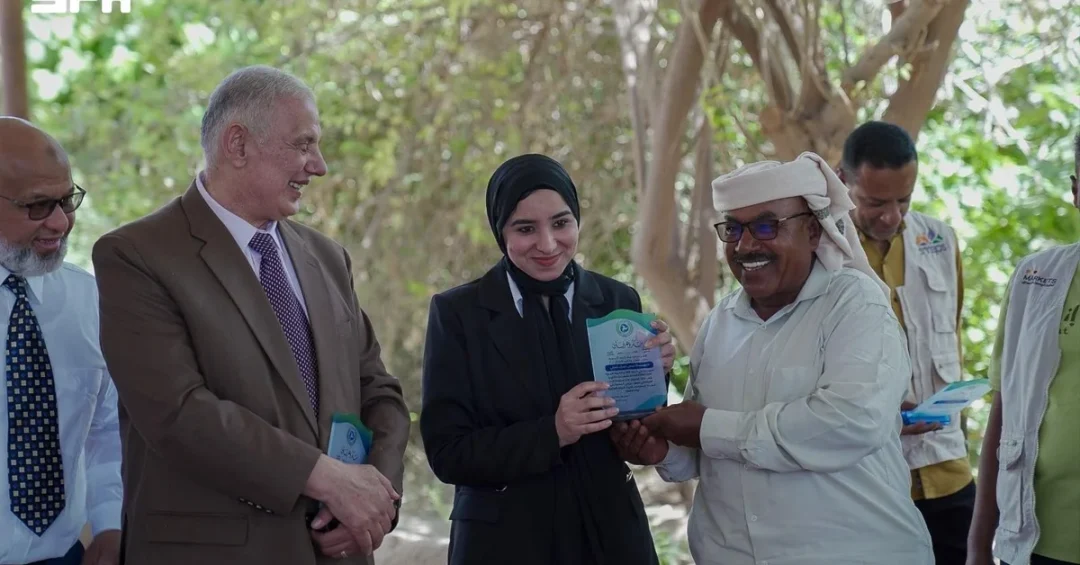
The Saudi Development and Reconstruction Program for Yemen (SDRPY) has implemented approximately 40 initiatives focused on human capacity building and community empowerment across Yemen, according to an official announcement released via the Saudi Press Agency (SPA) on November 14, 2026. These initiatives span professional qualification, economic empowerment, and livelihood support, forming a core pillar of SDRPY’s broader mission to strengthen community resilience and drive sustainable recovery in Yemen. The announcement underscores Saudi Arabia’s continued commitment to supporting Yemen’s development through targeted, impactful programs that address immediate needs while laying the groundwork for long-term prosperity.
Since its establishment, SDRPY has delivered 300 development projects and initiatives across eight vital sectors: education, health, energy, water, transport, agriculture and fisheries, general development programs, and government institutional support. The program’s human development focus reflects a strategic understanding that sustainable recovery in Yemen depends not only on infrastructure but also on empowering individuals and communities. By investing in skills, livelihoods, and essential services, SDRPY is helping Yemenis build brighter futures. How does such comprehensive support transform daily life in Yemeni governorates? The answer lies in the tangible outcomes of these initiatives, which are detailed below.
Context and Background
Yemen has faced significant challenges in recent years, and Saudi Arabia, through SDRPY, has been at the forefront of international efforts to support recovery and development. Established in 2018, SDRPY operates as a key instrument of Saudi Arabia’s humanitarian and developmental outreach, working in coordination with Yemeni authorities and international partners. The program’s approach integrates immediate relief with long-term capacity building, recognizing that sustainable peace and stability require robust institutions and empowered communities. The latest announcement highlights the breadth of SDRPY’s work, from youth employment to women’s economic empowerment and from agricultural revitalization to renewable energy projects.
These efforts are aligned with Saudi Arabia’s broader Vision 2030, which emphasizes human capital development and economic diversification both domestically and through international cooperation. By sharing expertise and resources with Yemen, Saudi Arabia demonstrates its commitment to regional stability and prosperity. The initiatives also complement the United Nations’ Sustainable Development Goals, particularly those related to poverty eradication, quality education, and decent work. How does SDRPY ensure that its interventions are both effective and sustainable? Through careful planning, local partnerships, and a focus on transferring skills and knowledge to Yemeni beneficiaries.
Key Details
In the area of youth employment and entrepreneurship, SDRPY’s program on building a future for Yemeni youth equips job seekers, graduating university students, and aspiring entrepreneurs with vocational training, self-employment tools, and career pathways. This initiative addresses Yemen’s high youth unemployment by providing practical skills and fostering a culture of innovation. Additionally, a program for women’s economic empowerment established the first business incubator for women in Marib, trained 60 women to launch independent ventures, and provided 35 projects with funding and advisory services. These efforts are crucial for promoting gender equality and inclusive growth.
Livelihood and agricultural initiatives have generated over 13,000 jobs and strengthened rural productivity. An agricultural value chain project targeting roughly 2,300 households in Abyan, Marib, and Hadhramaut trained Yemeni coffee exporters on market access and supplied fishermen with motorized boats and efficiency training. To enhance water security and quality of life, renewable energy projects have benefited 800,000 people in Aden, 1.7 million in Hadhramaut, and over 368,000 in Marib by solar-powering water fields, lowering production costs, and training local technicians. An additional solar energy initiative serves over 62,000 beneficiaries across 16 districts in five governorates, supplying clean power to drinking water wells, irrigation systems, schools, health centers, and homes.
In housing and education, the Adequate Housing project, implemented with the United Nations Human Settlements Programme (UN-Habitat), has entered its second phase to renovate 620 low-income housing units across three governorates, following a first phase that rehabilitated 650 units in Aden’s Al-Mualla and Khormaksar districts for 900 families. Meanwhile, a project for accessing education in rural areas qualified 150 young women as public school teachers in its first phase and is expanding to train 450 teachers across six governorates in its second phase. Complementary education initiatives include a digital empowerment for Yemeni teachers program training 500 educators in artificial intelligence and digital instructional design, alongside an international certification program credentialing 200 teachers.
SDRPY has also reinforced institutional and sectoral capacities across key ministries and vital facilities. Launched in mid-2021, its institutional development program bolstered the performance of Yemen’s Ministry of Planning and International Cooperation and Ministry of Finance, supported by a 2022 workshop involving eight international and UN agencies. This year, 44 telecommunications personnel received training in partnership with Saudi Arabia’s Communications, Space and Technology Commission, while 153 staff members from the Yemeni Ministry of Youth and Sports were trained in cooperation with the Saudi Ministry of Sport. Specialized medical training, including Arab Board fellowships and respiratory and intensive care diplomas, and emergency response training for staff at Aden and Al-Ghaydah airports have further elevated essential public services.
International and Regional Impact
The SDRPY initiatives have significant implications for regional stability and international cooperation. By improving living conditions and economic opportunities in Yemen, Saudi Arabia contributes to reducing the drivers of conflict and migration. The program’s collaboration with UN agencies such as UN-Habitat and other international partners demonstrates a multilateral approach that enhances effectiveness and shared responsibility. These efforts also strengthen Saudi Arabia’s role as a regional leader in humanitarian and development assistance, aligning with its Vision 2030 goal of becoming a global hub for trade, investment, and diplomacy.
Furthermore, the focus on capacity building ensures that Yemeni institutions can eventually take over development efforts, fostering self-reliance. This approach not only benefits Yemen but also contributes to the stability of the broader Middle East, where economic interdependence and peace are mutually reinforcing. How does SDRPY’s work complement other international efforts in Yemen? By filling critical gaps and leveraging Saudi expertise, SDRPY amplifies the impact of global aid, creating a more coordinated and efficient response.
Economic and Strategic Significance
From an economic perspective, SDRPY’s initiatives are designed to stimulate local employment and entrepreneurship. Executed through Yemeni contractors, consultants, and suppliers, these projects inject capital into local economies and build skills that will pay dividends for years to come. The agricultural and fisheries projects, for instance, not only create jobs but also enhance food security and export potential. The renewable energy projects reduce operational costs and promote clean energy, aligning with global sustainability trends and Saudi Arabia’s own green initiatives.
Strategically, Saudi Arabia’s investment in Yemen’s human capital is a long-term play for regional stability and prosperity. A stable, economically viable Yemen is in the interest of all regional stakeholders. By taking a leading role in Yemen’s recovery, Saudi Arabia reinforces its commitment to its neighbors and demonstrates the benefits of its Vision 2030 transformation on a regional scale. How does this benefit Saudi Arabia directly? Through enhanced security, increased trade opportunities, and a strengthened position as a responsible global power.
Vision 2030 Alignment
Saudi Arabia’s Vision 2030 is fundamentally about transforming the Kingdom into a diversified, knowledge-based economy and a more effective global citizen. SDRPY’s human capacity building and community empowerment initiatives in Yemen are a direct reflection of these principles. They showcase Saudi Arabia’s ability to project soft power through development assistance, share its own journey of modernization, and contribute to the well-being of its neighbors. This aligns with Vision 2030’s emphasis on international cooperation and humanitarian leadership.
As Saudi Arabia continues to advance its own ambitious reforms, it remains committed to supporting Yemen’s path to recovery. The SDRPY initiatives announced this month are not just projects; they are investments in people and in a shared future of peace and prosperity. Through such efforts, Saudi Arabia demonstrates that Vision 2030 is not only about domestic transformation but also about building a better, more stable world. How will these initiatives shape the future of Yemen? By empowering its people, SDRPY is helping to write a new chapter of hope and opportunity for Yemen and the region.
20 Questions
Q1. What is the Saudi Development and Reconstruction Program for Yemen (SDRPY)?
A1. SDRPY is a Saudi initiative launched in 2018 to support Yemen’s recovery and development across vital sectors such as education, health, energy, and infrastructure. It implements projects in coordination with Yemeni authorities and international partners to promote stability and prosperity.
Q2. How many initiatives has SDRPY implemented for human capacity building in Yemen?
A2. According to the Saudi Press Agency, SDRPY has implemented approximately 40 initiatives focused on professional qualification, economic empowerment, and livelihood support across Yemeni governorates to strengthen community resilience and drive sustainable recovery.
Q3. What is the youth employment program under SDRPY?
A3. The program on building a future for Yemeni youth equips job seekers, graduating university students, and aspiring entrepreneurs with vocational training, self-employment tools, and career pathways. It aims to address youth unemployment and foster entrepreneurship.
Q4. How does SDRPY support women’s economic empowerment in Yemen?
A4. SDRPY established the first business incubator for women in Marib, trained 60 women to launch independent ventures, and provided 35 projects with funding and advisory services. This promotes gender equality and inclusive economic growth.
Q5. What have livelihood and agricultural initiatives achieved?
A5. These initiatives have generated over 13,000 jobs and strengthened rural productivity. An agricultural value chain project targeting roughly 2,300 households in Abyan, Marib, and Hadhramaut trained coffee exporters and supplied fishermen with motorized boats and efficiency training.
Q6. How do renewable energy projects benefit Yemen?
A6. Renewable energy projects have benefited 800,000 people in Aden, 1.7 million in Hadhramaut, and over 368,000 in Marib by solar-powering water fields, lowering production costs, and training local technicians. An additional solar initiative serves over 62,000 beneficiaries across 16 districts.
Q7. What is the Adequate Housing project?
A7. Implemented with UN-Habitat, the Adequate Housing project has entered its second phase to renovate 620 low-income housing units across three governorates. The first phase rehabilitated 650 units in Aden’s Al-Mualla and Khormaksar districts for 900 families.
Q8. How does SDRPY improve education in rural areas?
A8. A project for accessing education in rural areas qualified 150 young women as public school teachers in its first phase and is expanding to train 450 teachers across six governorates in its second phase. This addresses teacher shortages and promotes education.
Q9. What digital empowerment programs are available for Yemeni teachers?
A9. SDRPY’s digital empowerment program trains 500 educators in artificial intelligence and digital instructional design. Additionally, an international certification program credentials 200 teachers, enhancing their skills and qualifications.
Q10. How has SDRPY reinforced institutional capacities in Yemen?
A10. SDRPY’s institutional development program, launched in mid-2021, bolstered the performance of Yemen’s Ministry of Planning and International Cooperation and Ministry of Finance. It also provided training for telecommunications personnel and Ministry of Youth and Sports staff.
Q11. What medical training does SDRPY provide?
A11. SDRPY offers specialized medical training, including Arab Board fellowships and respiratory and intensive care diplomas. It also provides emergency response training for staff at Aden and Al-Ghaydah airports, elevating essential public services.
Q12. How many development projects has SDRPY delivered in total?
A12. SDRPY has delivered 300 development projects and initiatives across eight vital sectors: education, health, energy, water, transport, agriculture and fisheries, general development programs, and government institutional support.
Q13. What is the significance of SDRPY’s use of Yemeni contractors?
A13. Executing projects through Yemeni contractors, consultants, and suppliers stimulates local employment and builds local capacity. This approach ensures that development benefits are sustained within Yemeni communities.
Q14. How does SDRPY collaborate with international partners?
A14. SDRPY works with UN agencies such as UN-Habitat and other international organizations. For example, a 2022 workshop involved eight international and UN agencies to support institutional development in Yemen.
Q15. What impact have SDRPY’s initiatives had on water security?
A15. By solar-powering water fields and providing clean power to drinking water wells and irrigation systems, SDRPY has improved water security for millions. These projects also lower production costs and train local technicians.
Q16. How does SDRPY’s work align with Saudi Vision 2030?
A16. SDRPY reflects Vision 2030’s emphasis on human capital development, international cooperation, and humanitarian leadership. It showcases Saudi Arabia’s commitment to regional stability and shared prosperity.
Q17. What are the eight vital sectors SDRPY focuses on?
A17. The eight sectors are education, health, energy, water, transport, agriculture and fisheries, general development programs, and government institutional support. These sectors are essential for Yemen’s sustainable recovery.
Q18. How does SDRPY support fishermen in Yemen?
A18. SDRPY supplies fishermen with motorized boats and efficiency training, enhancing their productivity and income. This is part of the agricultural value chain project targeting roughly 2,300 households in Abyan, Marib, and Hadhramaut.
Q19. What is the role of the business incubator for women in Marib?
A19. The incubator provides training, funding, and advisory services to women entrepreneurs. It has trained 60 women to launch independent ventures and supported 35 projects, fostering women’s economic participation in Yemen.
Q20. How can other nations learn from SDRPY’s model?
A20. SDRPY’s integrated approach combining immediate relief with long-term capacity building, local partnerships, and international collaboration offers a replicable model for post-conflict recovery and development in other regions facing similar challenges.
Reader Feedback
We value your thoughts. Please share your feedback on this article.
Your feedback helps us improve our coverage.
Related articles
 Saudi Housing Minister Meets US Counterpart at Ginnie Mae Summit
 GCC Chief Affirms Rejection of Attacks at UN Security Council
 Saudi Arabia Records 11,952 Residency and Labor Violations
 Arab Parliament Welcomes UN Resolution on Houthi Attacks
 UNESCO RCQE, Mauritania Sign Education Partnership
 Saudi Arabia Weather Forecast: Thunderstorms, Floods Possible Saturday