


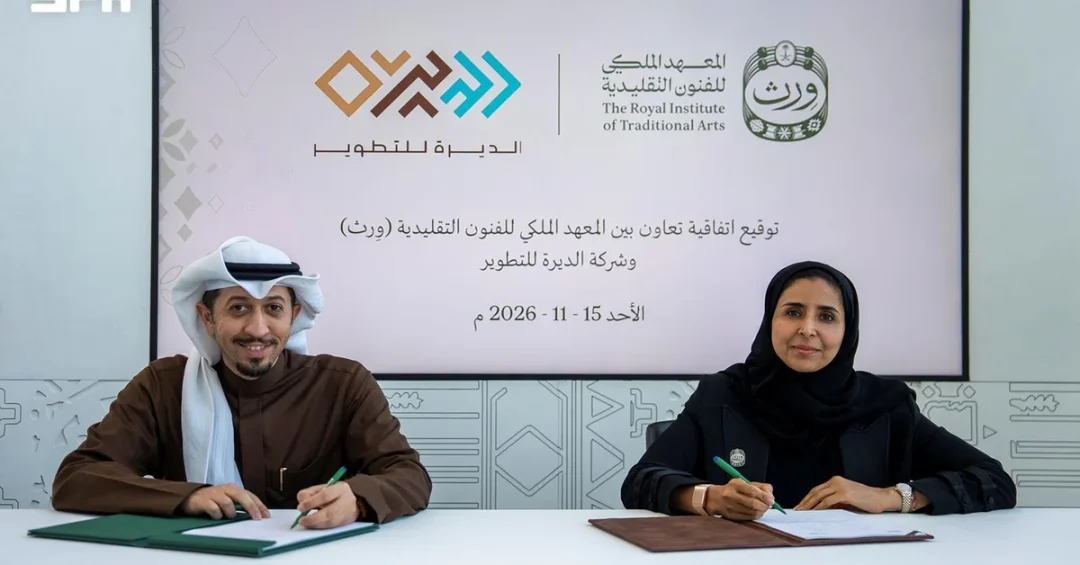
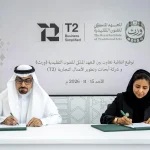
The Royal Institute of Traditional Arts (Wrth) signed a memorandum of understanding (MoU) with Dirah Development Company on November 16, 2026, in Riyadh, according to the Saudi Press Agency. The agreement aims to showcase traditional arts and Saudi crafts within Dirah’s projects and destinations, marking a significant step in integrating cultural heritage into the Kingdom’s urban and commercial development. The MoU was announced by the official Saudi news agency, underscoring the government’s commitment to preserving and promoting national identity alongside modern progress.
This partnership brings together two key entities dedicated to cultural enrichment: Wrth, which focuses on education and training in traditional arts, and Dirah Development Company, a major player in real estate and destination development. By embedding traditional arts into Dirah’s projects, the collaboration seeks to create immersive cultural experiences for visitors and residents alike. The agreement reflects Saudi Arabia’s broader efforts to weave its rich heritage into the fabric of contemporary life, a core objective of Vision 2030. As the Kingdom continues to transform its economic and social landscape, such initiatives ensure that modernization does not come at the expense of cultural authenticity. The MoU is expected to benefit artisans, entrepreneurs, and institute graduates by providing platforms to display and sell their products, while also enhancing the cultural appeal of Dirah’s destinations.
Context and Background
Why does the preservation of traditional arts matter in an era of rapid modernization? Saudi Arabia has long recognized that its cultural heritage is a vital component of national identity and a source of pride for its people. The Royal Institute of Traditional Arts (Wrth) was established to safeguard and promote traditional arts and crafts, ensuring that skills passed down through generations continue to thrive. Dirah Development Company, known for its large-scale development projects, shares this vision by integrating cultural elements into its destinations. This MoU builds on previous efforts to embed heritage in urban development, such as the restoration of historic districts and the inclusion of traditional design in modern architecture. The collaboration aligns with the Kingdom’s National Culture Strategy, which seeks to make culture a way of life and a driver of economic growth.
The agreement covers a wide range of cooperation areas, including education and training, developing national capabilities, research and studies, publishing, exchanging resources, and marketing, communications, exhibitions, and events. This comprehensive approach ensures that traditional arts are not merely preserved in museums but are actively integrated into the commercial and social fabric. By providing spaces for artisans, entrepreneurs, and institute graduates to display and sell their products through retail points and Dirah’s online store, the MoU creates tangible economic opportunities. These offerings will also be included in joint promotional campaigns for various programs and events, amplifying their reach. The partnership exemplifies how government entities and private companies can work together to achieve cultural and economic objectives, a model that is increasingly common in Saudi Arabia as it pursues Vision 2030.
Key Details
What specific benefits will this MoU bring to artisans and the broader community? Under the agreement, the Royal Institute of Traditional Arts will contribute its academic and technical expertise in traditional arts, providing counsel and intellectual oversight for relevant content and artworks to ensure they remain aligned with the national cultural identity. This means that any traditional arts showcased in Dirah’s projects will be authentic, high-quality, and representative of Saudi heritage. Artisans, experts, and instructors from the institute will participate in joint programs, and both parties will collaborate to develop educational and training initiatives to build national talent in traditional arts and Saudi crafts. This hands-on involvement ensures that the partnership goes beyond mere promotion to actively nurture the next generation of craftspeople.
The MoU also provides for the exchange of resources, which could include access to facilities, expertise, and networks. For Dirah Development Company, integrating traditional arts into its destinations adds cultural value and differentiation, attracting visitors who seek authentic experiences. For Wrth, the partnership offers a platform to reach wider audiences and commercialize traditional crafts, providing economic incentives for artisans to continue their work. The inclusion of these products in Dirah’s online store further extends their reach beyond physical locations, tapping into the growing e-commerce market in Saudi Arabia. Joint promotional campaigns will raise awareness of traditional arts among both domestic and international audiences, contributing to the Kingdom’s cultural diplomacy efforts. Overall, the MoU is a win-win collaboration that leverages the strengths of both organizations to achieve shared goals.
International and Regional Impact
How does this partnership position Saudi Arabia on the global cultural stage? By showcasing traditional arts in high-profile development projects, Saudi Arabia signals its commitment to cultural preservation and promotion, which resonates with international audiences and aligns with global trends in cultural tourism. The MoU supports the Kingdom’s efforts to attract visitors by offering unique cultural experiences that go beyond typical tourist attractions. This can enhance Saudi Arabia’s image as a destination that values its heritage while embracing modernity, a narrative that is central to Vision 2030. Regionally, the collaboration could inspire similar initiatives in other Gulf countries, fostering a greater appreciation for traditional arts across the Arabian Peninsula. It also strengthens the cultural ties between Saudi Arabia and the international community, as traditional arts serve as a universal language that transcends borders.
The partnership also contributes to the broader goal of cultural exchange and soft power. By exporting Saudi crafts and arts through Dirah’s projects and online store, the Kingdom can share its rich cultural heritage with the world. This is particularly important as Saudi Arabia opens up to international tourism and seeks to diversify its economy. Cultural tourism is a key pillar of Vision 2030, and initiatives like this help differentiate Saudi Arabia from other destinations. Moreover, the involvement of Wrth’s experts and instructors in joint programs can lead to international collaborations, such as exhibitions and workshops abroad. The MoU thus has the potential to amplify Saudi Arabia’s cultural influence and foster mutual understanding with other nations.
Economic and Strategic Significance
What economic opportunities does this MoU unlock for Saudi artisans and entrepreneurs? The agreement provides a direct route to market for traditional arts and crafts, enabling artisans to earn a livelihood from their skills. By selling through retail points and an online store, they can reach a broader customer base, including tourists and international buyers. This commercialization of traditional arts can stimulate the growth of small and medium-sized enterprises (SMEs) in the cultural sector, which is a priority under Vision 2030. The MoU also includes marketing and communications support, which can help artisans build their brands and access new markets. As the demand for authentic, handmade products grows globally, Saudi artisans are well-positioned to capitalize on this trend with the backing of Wrth and Dirah.
From a strategic perspective, the partnership contributes to economic diversification by strengthening the cultural economy. Traditional arts and crafts can be a significant source of revenue, particularly in the tourism and retail sectors. By integrating these offerings into Dirah’s destinations, the MoU enhances the appeal of these projects, potentially increasing foot traffic and sales for tenants. This, in turn, can attract further investment in cultural infrastructure. The collaboration also aligns with the National Culture Strategy, which aims to increase the cultural sector’s contribution to GDP. By building national talent through education and training, the MoU ensures a sustainable pipeline of skilled artisans who can drive innovation and growth in the sector. Ultimately, this partnership demonstrates how cultural preservation and economic development can go hand in hand.
Vision 2030 Alignment
How does this MoU advance the goals of Saudi Vision 2030? Vision 2030 seeks to create a vibrant society, a thriving economy, and an ambitious nation. This partnership directly supports the first pillar by promoting cultural activities and preserving national identity. It also contributes to the second pillar by creating economic opportunities in the cultural sector and supporting SMEs. The MoU exemplifies the kind of cross-sector collaboration that is essential for achieving Vision 2030’s objectives. By integrating traditional arts into development projects, the Kingdom is ensuring that its cultural heritage remains relevant and accessible to future generations. This not only enriches the lives of citizens and residents but also enhances the visitor experience, making Saudi Arabia a more attractive destination.
Furthermore, the MoU underscores the importance of education and training in building national capabilities, a key focus of Vision 2030. By involving Wrth’s experts and instructors in joint programs, the partnership helps develop a skilled workforce in traditional arts, ensuring the transmission of knowledge and skills. This is crucial for the sustainability of cultural practices and for fostering a sense of pride among young Saudis. As the Kingdom continues to implement Vision 2030, initiatives like this will play a vital role in balancing modernization with cultural authenticity. The collaboration between Wrth and Dirah Development Company is a shining example of how Saudi Arabia is preserving its past while building its future, and it sets a precedent for other sectors to follow.
20 Questions
Q1. What is the Royal Institute of Traditional Arts (Wrth)?
A1. Wrth is a Saudi institute dedicated to preserving and promoting traditional arts and crafts through education, training, and research. It plays a key role in safeguarding the Kingdom’s cultural heritage.
Q2. What is Dirah Development Company?
A2. Dirah Development Company is a Saudi real estate developer known for creating destinations and projects that often integrate cultural and heritage elements. It collaborates with various entities to enhance the visitor experience.
Q3. When was the MoU signed?
A3. The MoU was signed on November 16, 2026, in Riyadh, as reported by the Saudi Press Agency.
Q4. What are the main areas of cooperation under the MoU?
A4. Areas include education and training, developing national capabilities, research and studies, publishing, exchanging resources, and marketing, communications, exhibitions, and events.
Q5. How will artisans benefit from this agreement?
A5. Artisans, entrepreneurs, and institute graduates will have spaces to display and sell their products through retail points and Dirah’s online store, and their offerings will be included in joint promotional campaigns.
Q6. What role will Wrth play in the partnership?
A6. Wrth will contribute academic and technical expertise, providing counsel and intellectual oversight to ensure content and artworks align with national cultural identity. Its experts and instructors will also participate in joint programs.
Q7. Will there be educational initiatives as part of the MoU?
A7. Yes, both parties will collaborate to develop educational and training initiatives to build national talent in traditional arts and Saudi crafts.
Q8. How does this MoU support Saudi Vision 2030?
A8. It supports Vision 2030 by promoting cultural heritage, creating economic opportunities in the cultural sector, and developing national talent, aligning with the goals of a vibrant society and thriving economy.
Q9. What is the significance of traditional arts in Saudi culture?
A9. Traditional arts are a vital part of Saudi national identity and heritage, reflecting the Kingdom’s history and values. Preserving them ensures cultural continuity and enriches contemporary life.
Q10. Will the MoU help promote Saudi culture internationally?
A10. Yes, by showcasing traditional arts in Dirah’s destinations and online store, the partnership can attract international visitors and share Saudi heritage globally, enhancing cultural diplomacy.
Q11. What are the expected economic impacts of the MoU?
A11. The MoU can stimulate the cultural economy by providing market access for artisans, supporting SMEs, and increasing the appeal of Dirah’s projects, potentially boosting tourism and retail sales.
Q12. How will the online store contribute to the initiative?
A12. The online store will extend the reach of traditional arts and crafts beyond physical locations, allowing artisans to sell to a wider audience, including international customers, and supporting e-commerce growth.
Q13. What types of traditional arts and crafts are covered?
A13. The MoU covers a wide range of traditional arts and Saudi crafts, including but not limited to weaving, pottery, metalwork, and other heritage crafts that are part of the national cultural identity.
Q14. Will there be exhibitions and events as part of the collaboration?
A14. Yes, the MoU includes cooperation in exhibitions and events, which will provide platforms for artisans to showcase their work and engage with the public.
Q15. How does this partnership align with the National Culture Strategy?
A15. The National Culture Strategy aims to make culture a way of life and a driver of economic growth. This MoU supports that by integrating traditional arts into development projects and creating economic opportunities.
Q16. What is the role of Dirah Development Company in promoting traditional arts?
A16. Dirah will provide spaces within its projects and destinations for showcasing and selling traditional arts, and will include these offerings in its promotional campaigns, helping to raise awareness and appreciation.
Q17. How will national capabilities be developed through this MoU?
A17. Through education and training initiatives, joint programs, and the involvement of Wrth’s experts, the MoU will help build a skilled workforce in traditional arts, ensuring the transmission of knowledge to future generations.
Q18. What is the expected timeline for implementing the MoU?
A18. The MoU outlines areas of cooperation, but specific timelines for implementation are not detailed in the announcement. Both parties are expected to collaborate on joint programs and initiatives as they develop.
Q19. Are there any other similar partnerships by Wrth?
A19. Wrth likely engages in various partnerships to promote traditional arts, but this specific MoU with Dirah Development Company is a notable collaboration that aligns with its mission.
Q20. How can the public engage with the traditional arts showcased through this partnership?
A20. The public can visit Dirah’s destinations, shop at retail points or the online store, and participate in exhibitions and events to experience and support traditional arts and crafts.
Reader Feedback
We value your thoughts. Please share your feedback on this article.
Your feedback helps us improve our coverage.
Related articles
 Riyadh Season to Host Ethnosport Cultural Festival
 King Abdulaziz Falconry Festival 2026: 140 Rounds, SAR36M Prizes
 Madinah Research Center Showcases Projects at Quality Forum
 Jeddah Event Fuses Design, Innovation in Creative Showcase
 King Abdulaziz Falconry Festival 2026 Opens Tuesday in Malham
 Wrth Signs MoU to Market Artisans’ Products