


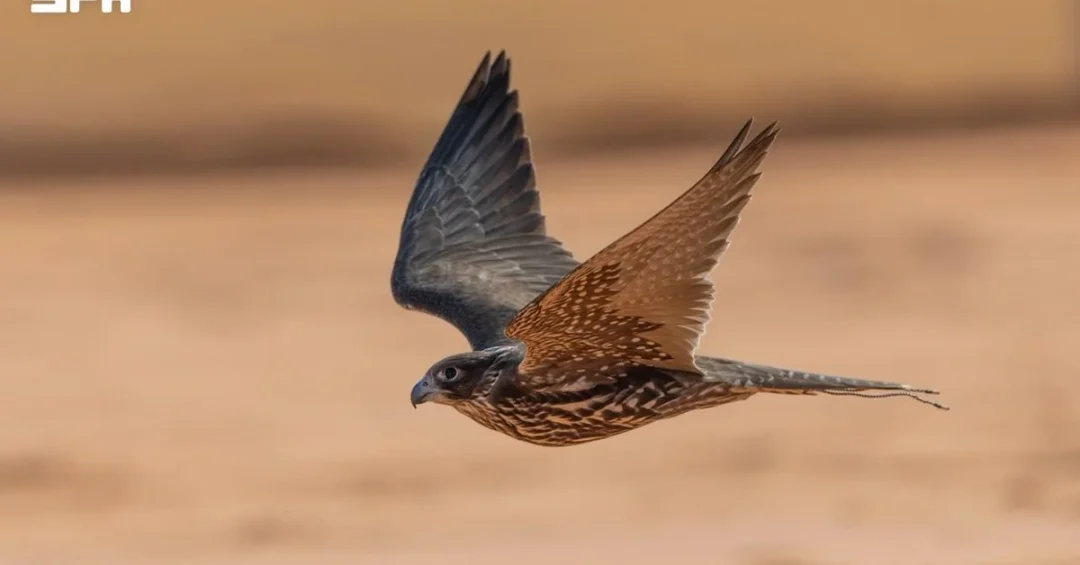
The National Center for Falcons is completing final preparations for the King Abdulaziz Falconry Festival 2026, which opens Tuesday, November 17, and runs through November 30 at its headquarters in Malham, north of Riyadh. The 14-day event, recognized as the world’s largest gathering of falcons, will welcome local and international falconers competing in the Milwah (lure flying) and Mazayen (falcon beauty) contests across 140 rounds, with prestigious titles including the King Abdulaziz Cups, Saif Al-Malik (the King’s Sword), and Shalfa Al-Malik at stake. Have you ever wondered how a centuries-old desert tradition could evolve into a globally significant sporting and cultural phenomenon?
Organized by the National Center for Falcons, the festival reflects Saudi Arabia’s broader commitment to preserving its cultural heritage while positioning the Kingdom as a global hub for traditional sports. Preparations include setting up the Milwah field and facilities for falconers and visitors, completing technical and operational arrangements, registering participating falcons, and organizing participant reception and competition requirements. These efforts aim to ensure suitable conditions for the 14-day event, which continues to expand its international profile by attracting falconers and falcon owners from around the world. The festival not only celebrates an ancient tradition but also serves as a platform for cultural exchange and economic activity, aligning with Saudi Vision 2030’s goals of diversifying the economy and promoting cultural tourism.
Context and Background: The Enduring Legacy of Falconry in Saudi Arabia
What makes falconry such an integral part of Saudi identity and heritage? Falconry, known as “Al-Qanas” in Arabic, has been practiced in the Arabian Peninsula for thousands of years, serving as both a means of hunting and a symbol of nobility, patience, and skill. The King Abdulaziz Falconry Festival, named after the Kingdom’s founder, King Abdulaziz Al Saud, was first launched in 2019 under the patronage of the Custodian of the Two Holy Mosques, King Salman bin Abdulaziz Al Saud, and has since grown into the world’s largest festival of its kind. The National Center for Falcons, established in 2018, is tasked with preserving and promoting this heritage, organizing competitions, and supporting falconers. The festival is a key initiative under the National Transformation Program and Vision 2030, which emphasize the importance of cultural preservation and the development of niche tourism.
The festival’s growth mirrors Saudi Arabia’s broader efforts to showcase its cultural heritage on the global stage. In recent years, the Kingdom has invested significantly in infrastructure and events that highlight its unique traditions, from the King Abdulaziz Camel Festival to the Diriyah E-Prix. These events not only attract international visitors but also foster a sense of national pride and identity among Saudis. The King Abdulaziz Falconry Festival, in particular, has become a magnet for falconers from across the Gulf, the Middle East, and beyond, with participants from countries such as the United Arab Emirates, Kuwait, Qatar, and even European nations. The festival’s adherence to traditional rules and judging criteria ensures that the competitions remain authentic, while modern amenities and services enhance the experience for all attendees.
Key Details: Competitions, Categories, and Preparations
What exactly can participants and visitors expect from this year’s festival? The competitions are divided into several categories, including amateur, owner, professional, and elite classes, ensuring that falconers of all skill levels can compete. The Milwah races cover a distance of 400 meters, with falconers competing for the fastest times, while the Mazayen contest celebrates the beauty and physical characteristics of falcons according to specialized judging criteria. The festival will feature 140 rounds, with cash prizes and titles at stake, including the King Abdulaziz Cups, Saif Al-Malik (the King’s Sword), and Shalfa Al-Malik. These titles are highly coveted in the falconry community, representing the pinnacle of achievement in the sport.
Preparations for the festival have been underway for months, with the National Center for Falcons working to create a competitive environment that meets falconers’ needs. National Center for Falcons Spokesperson Waleed Al-Tawil said, “We are working to ensure that these early preparations enhance the falconers’ experience, from registration through participation in the Milwah and Mazayen contests.” He added that preparations include clear procedures and competition schedules, improved readiness of fields and services, and ongoing coordination between organizational and technical teams. These measures allow participants to focus on their falcons’ performance and compete for the festival’s titles. The center announced the competition schedule early and made online registration available, giving falconers time to organize their participation and prepare their falcons according to the scheduled dates.
In addition to the main competitions, the festival will offer a range of services and activities related to falconry, including specialized pavilions showcasing falconry equipment and supplies. The Qernas and Milwah programs will provide live coverage of the competitions and host falconers, analysts, and specialists to discuss the rounds, participants’ performances, and key results. The festival also features two rounds under the “Future Falconer” category as part of the center’s efforts to encourage young people to take up falconry, develop their skills, and gain experience through competition. This initiative aims to preserve this heritage and pass it on to future generations, ensuring that falconry remains a vibrant part of Saudi culture.
International and Regional Impact: A Global Gathering of Falconers
How does the King Abdulaziz Falconry Festival strengthen Saudi Arabia’s ties with the international community? The festival has steadily expanded its international profile, attracting falconers and falcon owners from around the world. In previous editions, participants from more than 20 countries have taken part, including the United States, Russia, and various European and Asian nations. This international participation not only elevates the festival’s status but also fosters cultural exchange and diplomacy. Falconry is recognized by UNESCO as an Intangible Cultural Heritage of Humanity, and Saudi Arabia has been a key player in preserving and promoting this tradition globally. The festival serves as a platform for sharing knowledge and best practices among falconers, researchers, and enthusiasts.
Regionally, the festival reinforces Saudi Arabia’s leadership in the Gulf and the broader Middle East. By hosting the world’s largest falconry event, the Kingdom demonstrates its commitment to preserving Arab heritage and its ability to organize world-class events. The presence of international falconers also provides an opportunity for cultural diplomacy, showcasing Saudi hospitality and the Kingdom’s modernization under Vision 2030. Moreover, the festival contributes to the local economy by attracting visitors, creating jobs, and supporting small businesses in the Malham area and beyond. The event’s media coverage, including live broadcasts and social media engagement, further amplifies Saudi Arabia’s message of cultural pride and openness.
Economic and Strategic Significance: Beyond Heritage Preservation
What economic benefits does the King Abdulaziz Falconry Festival bring to Saudi Arabia? The festival is a significant economic driver, generating revenue through tourism, hospitality, and related industries. With thousands of participants, visitors, and media personnel expected to attend, the event boosts demand for hotels, restaurants, and transportation services in Riyadh and the surrounding region. The festival also stimulates the local falconry market, which includes the breeding, training, and sale of falcons. Saudi Arabia is a major market for falcons, with individual birds sometimes selling for hundreds of thousands of dollars. The festival provides a platform for breeders and traders to showcase their birds and connect with buyers from around the world.
Strategically, the festival supports Vision 2030’s objectives of diversifying the economy away from oil and developing new sectors such as tourism and entertainment. By positioning itself as a global destination for falconry competitions, Saudi Arabia attracts high-value tourists and enhances its international image. The event also aligns with the Kingdom’s efforts to preserve its cultural heritage, which is a key pillar of Vision 2030’s social and cultural goals. Furthermore, the festival fosters national pride and unity, bringing together Saudis from different regions and backgrounds to celebrate a shared tradition. The National Center for Falcons continues to innovate, introducing new categories and services to keep the festival relevant and engaging for future generations.
Vision 2030 Alignment: A Tradition Embraced for the Future
How does the King Abdulaziz Falconry Festival embody the spirit of Saudi Vision 2030? Vision 2030, launched by Crown Prince Mohammed bin Salman in 2016, aims to transform Saudi Arabia into a vibrant society, a thriving economy, and an ambitious nation. The festival directly contributes to these goals by preserving cultural heritage, promoting tourism, and fostering economic growth. It also empowers young people through the “Future Falconer” category, encouraging them to engage with their heritage and develop skills that can lead to careers in falconry, tourism, and event management. The festival’s emphasis on international participation and cultural exchange aligns with Vision 2030’s goal of building bridges with the global community.
As the National Center for Falcons puts the final touches on the 2026 edition, the festival stands as a testament to Saudi Arabia’s ability to honor its past while embracing the future. Under the leadership of King Salman and Crown Prince Mohammed bin Salman, the Kingdom continues to invest in initiatives that celebrate its unique identity and share it with the world. The King Abdulaziz Falconry Festival is more than a competition; it is a celebration of Saudi heritage, a driver of economic diversification, and a symbol of the Kingdom’s global engagement. As falconers from around the world gather in Malham, they will not only compete for prestigious titles but also experience the warmth and hospitality of a nation proud of its traditions and confident in its future.
20 Questions
Q1. What is the King Abdulaziz Falconry Festival?
A1. The King Abdulaziz Falconry Festival is the world’s largest gathering of falcons, organized by the National Center for Falcons in Malham, north of Riyadh. It features competitions in Milwah and Mazayen, celebrating Saudi Arabia’s ancient falconry heritage.
Q2. When and where will the 2026 festival take place?
A2. The festival will open on Tuesday, November 17, 2026, and run until November 30, 2026, at the National Center for Falcons headquarters in Malham, north of Riyadh, Saudi Arabia.
Q3. Who is organizing the festival?
A3. The festival is organized by the National Center for Falcons, a Saudi government entity dedicated to preserving and promoting falconry heritage, under the patronage of the Custodian of the Two Holy Mosques, King Salman bin Abdulaziz Al Saud.
Q4. What are the main competitions at the festival?
A4. The main competitions are Milwah (lure flying) and Mazayen (falcon beauty). Milwah races cover 400 meters, with falconers competing for the fastest times, while Mazayen judges falcons on beauty and physical characteristics.
Q5. What titles are at stake?
A5. Competitors will vie for prestigious titles including the King Abdulaziz Cups, Saif Al-Malik (the King’s Sword), and Shalfa Al-Malik, along with cash prizes. These titles are highly coveted in the falconry community.
Q6. How many rounds will be held?
A6. The festival will feature 140 rounds across various categories, including amateur, owner, professional, and elite classes, ensuring broad participation and competitive fairness.
Q7. What is the “Future Falconer” category?
A7. The “Future Falconer” category consists of two rounds designed to encourage young people to take up falconry, develop their skills, and gain experience through competition, ensuring the tradition is passed to future generations.
Q8. What preparations are underway for the festival?
A8. Preparations include setting up the Milwah field and facilities, completing technical and operational arrangements, registering participating falcons, and organizing participant reception and competition requirements to ensure a smooth 14-day event.
Q9. Who is Waleed Al-Tawil?
A9. Waleed Al-Tawil is the official spokesperson for the National Center for Falcons. He has highlighted the leadership’s commitment to falconry heritage and detailed the extensive preparations for the 2026 festival.
Q10. How does the festival reflect Saudi leadership’s commitment?
A10. The festival reflects the Saudi leadership’s continued commitment to falconry heritage, an ancient tradition integral to Saudi identity. It receives patronage from King Salman and support from Crown Prince Mohammed bin Salman.
Q11. What services and activities are available at the festival?
A11. The festival offers specialized pavilions showcasing falconry equipment and supplies, live coverage of competitions via Qernas and Milwah programs, and opportunities to interact with falconers, analysts, and specialists.
Q12. How does the festival attract international participants?
A12. The festival has expanded its international profile by attracting falconers and falcon owners from around the world, including Gulf countries, Europe, and Asia, through its reputation, prize offerings, and cultural appeal.
Q13. What is the economic significance of the festival?
A13. The festival boosts tourism, hospitality, and the falconry market, generating revenue and creating jobs. It supports Vision 2030’s economic diversification goals by attracting high-value visitors and promoting Saudi heritage.
Q14. How does the festival align with Vision 2030?
A14. The festival aligns with Vision 2030 by preserving cultural heritage, promoting tourism, empowering youth, and fostering international cultural exchange, contributing to a vibrant society and thriving economy.
Q15. What is the historical significance of falconry in Saudi Arabia?
A15. Falconry, or Al-Qanas, has been practiced in the Arabian Peninsula for thousands of years, symbolizing nobility, patience, and skill. It remains a cherished tradition and a key part of Saudi cultural identity.
Q16. How can falconers register for the festival?
A16. Falconers can register online through the National Center for Falcons’ official channels. The center announced the competition schedule early to give participants time to prepare their falcons and organize their participation.
Q17. What is the role of the National Center for Falcons?
A17. The National Center for Falcons, established in 2018, is responsible for preserving and promoting falconry heritage, organizing competitions, supporting falconers, and developing the sport in line with Vision 2030.
Q18. Are there any environmental or sustainability initiatives at the festival?
A18. While specific initiatives are not detailed, the festival promotes responsible falconry practices and the conservation of falcon species, aligning with Saudi Arabia’s broader environmental sustainability goals under Vision 2030.
Q19. How does the festival contribute to cultural exchange?
A19. By bringing together falconers from different countries, the festival facilitates the sharing of knowledge, techniques, and traditions, fostering mutual understanding and respect among diverse cultures.
Q20. What can visitors expect at the festival?
A20. Visitors can expect thrilling competitions, cultural exhibitions, live commentary, and a vibrant atmosphere celebrating Saudi heritage. The festival offers a unique opportunity to experience traditional falconry up close.
Reader Feedback
We value your thoughts. Please share your feedback on this article.
Your feedback helps us improve our coverage.
Related articles
 Wrth Signs MoU to Market Artisans’ Products
 Theater Commission Concludes Riyadh Leg of Public Arts Program
 Jeddah Governor Attends 17th Arabian Horse Festival Closing
 Historic Makkah Wooden Doors: A Legacy of Artisanal Carpentry
 Three Falcons Sold for SAR520,000 at 23rd National Auction
 TPAC Events Draw 1,200 Visitors on First Day in Riyadh