


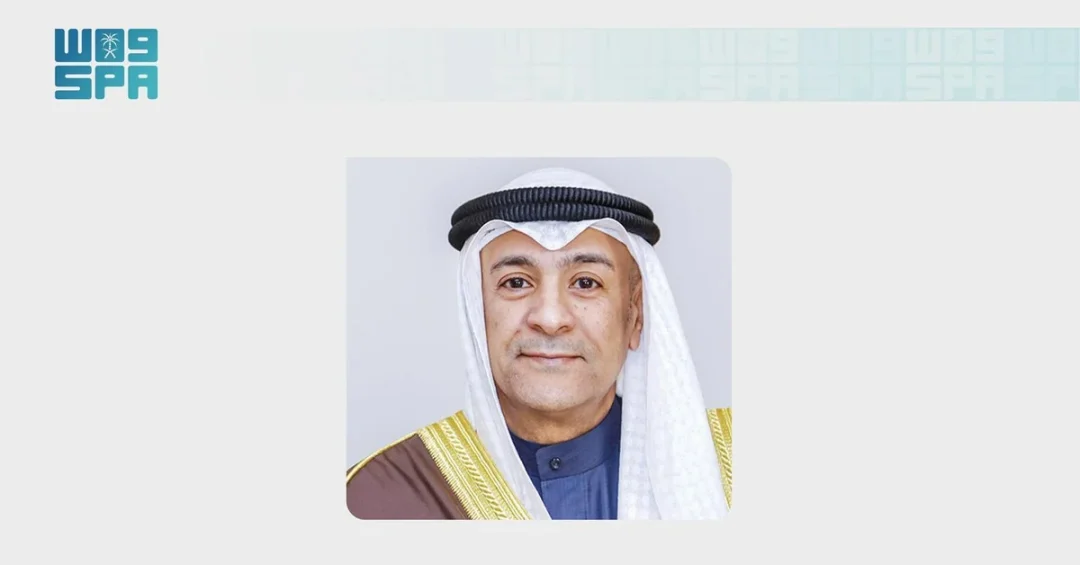
Riyadh, November 18, 2026 — The Secretary-General of the Gulf Cooperation Council (GCC), Jasem Albudaiwi, has condemned in the strongest terms the continued treacherous Iranian attacks on Kuwait, the latest being an unmanned aerial vehicle (UAV) attack carried out yesterday evening, according to an official statement released by the Saudi Press Agency (SPA). The condemnation, issued from the GCC headquarters in Riyadh, underscores the Council’s unwavering commitment to the security and stability of its member states and reflects the broader regional consensus against external aggression. Albudaiwi described Iran’s actions as a persistent effort to undermine de-escalation efforts and a flagrant disregard for the principles of good neighborliness, the rules of international law, and the United Nations Charter. The attack, which targeted Kuwaiti territory, marks another escalation in a series of hostile actions that have raised concerns across the Gulf region and beyond.
In his statement, Albudaiwi called on the international community to assume its responsibilities toward these grave and repeated Iranian assaults and to take effective measures to halt them, ensuring respect for state sovereignty and preserving peace and security in the region. He reiterated the GCC states’ full and steadfast solidarity with the State of Kuwait, standing united by its side and backing all measures it takes to protect its security and stability, safeguard its sovereignty and assets, and ensure the safety of its citizens and residents on its territory. The GCC’s firm stance sends a clear message that any threat to one member state is a threat to all, reinforcing the collective security framework that has been a cornerstone of the Council since its founding in 1981. This latest condemnation follows a pattern of similar statements from GCC officials in recent months, highlighting the growing urgency of addressing Iran’s destabilizing activities in the region.
Context and Background
Why has the Gulf Cooperation Council taken such a firm and unified position against these repeated Iranian provocations? The GCC, a political and economic alliance of six Arab states—Bahrain, Kuwait, Oman, Qatar, Saudi Arabia, and the United Arab Emirates—has long served as a bulwark against regional threats, promoting cooperation and integration among its members. Iran’s history of aggressive behavior toward its Gulf neighbors, including support for proxy groups, maritime harassment, and missile and drone attacks, has been a persistent source of tension. The latest UAV attack on Kuwait is not an isolated incident but part of a broader pattern that has included attacks on Saudi Aramco facilities in 2019, strikes on civilian infrastructure in the UAE, and ongoing interference in the internal affairs of GCC states. Kuwait, a founding member of the GCC and a key mediator in regional disputes, has traditionally maintained diplomatic channels with Iran, making it a particularly concerning target for such aggression.
The timing of this attack is significant, coming amid ongoing international efforts to revive dialogue and reduce tensions in the Gulf. Albudaiwi’s statement reflects the GCC’s frustration with Iran’s continued defiance of international norms and its refusal to engage in meaningful de-escalation. The GCC has consistently advocated for a diplomatic resolution to regional conflicts, but Iran’s actions undermine these efforts and threaten to destabilize the entire region. Kuwait’s strategic location, bordering Iraq and Saudi Arabia, and its role as a major oil exporter, make its security vital to global energy markets and international stability. The attack on Kuwaiti territory is thus not just a violation of sovereignty but a direct challenge to the international order and the principles enshrined in the UN Charter. The GCC’s condemnation is a call to action for the global community to hold Iran accountable and prevent further escalation.
Historically, the GCC has sought to balance deterrence with dialogue, but Iran’s persistent aggression has tested this approach. The Council has strengthened its defense cooperation, including joint military exercises and intelligence sharing, to counter common threats. The UAV attack on Kuwait serves as a stark reminder of the need for robust collective defense mechanisms and international support. The GCC’s solidarity with Kuwait is not merely rhetorical; it translates into concrete measures, such as enhanced security coordination and diplomatic advocacy. As the region navigates complex geopolitical challenges, the GCC’s unity and resolve will be crucial in safeguarding the sovereignty and prosperity of its member states.
Key Details
What exactly did the GCC Secretary-General say, and what does it mean for the region? Jasem Albudaiwi’s statement, carried by the Saudi Press Agency, was unequivocal in its condemnation. He described the Iranian attacks as ‘treacherous’ and emphasized that they reflect Iran’s persistence in undermining de-escalation efforts and its flagrant disregard for the principles of good neighborliness, the rules of international law, and the United Nations Charter. This language is notably strong, signaling the GCC’s deep concern and its determination to hold Iran accountable. Albudaiwi called on the international community to take effective measures to halt these assaults, ensuring respect for state sovereignty and preserving peace and security. He also reiterated the GCC states’ full and steadfast solidarity with Kuwait, backing all measures Kuwait takes to protect its security and stability, safeguard its sovereignty and assets, and ensure the safety of its citizens and residents.
The attack itself, carried out yesterday evening, involved a UAV targeting Kuwaiti territory. While specific details about the target or extent of damage were not immediately disclosed, the fact that it occurred at all represents a serious escalation. Kuwait has been targeted before, but the frequency and sophistication of such attacks have increased in recent years. The GCC’s response highlights the collective nature of the threat: an attack on one member is viewed as an attack on all. This principle of collective security is enshrined in the GCC Charter and has been reaffirmed in numerous joint statements. The GCC’s condemnation also serves as a diplomatic tool, pressuring the international community to take a firmer stance against Iran’s destabilizing activities. The statement was released at 13:49 local time (10:49 GMT), ensuring wide dissemination and immediate impact.
Albudaiwi’s remarks also underscore the GCC’s role as a regional leader in promoting peace and security. By speaking out forcefully, he reinforces the Council’s commitment to international law and the principles of good neighborliness. The GCC has consistently advocated for dialogue and diplomacy, but it has also made clear that it will not tolerate aggression against its members. The statement’s emphasis on Kuwait’s right to protect its sovereignty and assets is a reminder that self-defense is a fundamental right under international law. The GCC’s support for Kuwait includes not only diplomatic backing but also practical cooperation in areas such as air defense, maritime security, and intelligence sharing. This comprehensive approach reflects the Council’s recognition that security is indivisible and that collective action is essential to counter common threats.
International and Regional Impact
How will the international community respond to this latest act of aggression, and what are the broader implications for regional stability? The GCC’s condemnation is likely to resonate with allies around the world, particularly the United States, the United Kingdom, and other partners who share concerns about Iran’s behavior. These countries have previously condemned Iranian attacks on Saudi Arabia and the UAE, and they are expected to support Kuwait’s right to self-defense. The United Nations Security Council may also consider the matter, as the attack violates the UN Charter’s prohibition on the use of force against sovereign states. The GCC’s call for effective measures to halt these assaults places pressure on the international community to move beyond statements and take concrete action, such as sanctions or enhanced security cooperation.
Regionally, the attack could further isolate Iran and strengthen the unity of the GCC and its allies. It may also complicate ongoing efforts to reduce tensions, such as the dialogue between Saudi Arabia and Iran facilitated by Iraq and Oman. While the GCC remains open to diplomacy, Iran’s continued aggression makes progress difficult. The attack on Kuwait, a country known for its diplomatic moderation, could push other GCC states to adopt a more assertive posture. It also raises questions about the effectiveness of existing de-escalation mechanisms and the need for a more robust regional security architecture. The GCC has consistently advocated for a collective approach to security, and this incident may accelerate efforts to build a unified defense system, including integrated air and missile defense. Such a system would enhance deterrence and protect critical infrastructure, contributing to long-term stability.
The international impact extends beyond the immediate region. Global energy markets are sensitive to any disruption in the Gulf, through which a significant portion of the world’s oil exports passes. An attack on Kuwait, a major OPEC member and oil producer, could affect oil prices and investor confidence. The GCC’s stable and secure environment is essential for global economic stability, and any threat to it is a concern for all nations. The GCC’s condemnation thus serves as a reminder of the interconnectedness of global security and the need for collective action to uphold international norms. The Council’s stance also aligns with the broader international consensus against the use of drones for cross-border attacks, which have become a growing threat worldwide. By highlighting this issue, the GCC contributes to global efforts to regulate and counter such technologies.
Economic and Strategic Significance
What are the economic and strategic stakes for the Gulf region and the world? Kuwait holds approximately 6% of the world’s proven oil reserves and is a key member of OPEC. Its stability is crucial for global energy security. The UAV attack, even if it did not cause significant damage, represents a threat to Kuwait’s oil infrastructure and its ability to export reliably. Any disruption could lead to price volatility and undermine global economic recovery. The GCC’s condemnation and solidarity with Kuwait are therefore not just political gestures but also measures to protect vital economic interests. The GCC states collectively possess some of the world’s largest sovereign wealth funds, including Saudi Arabia’s Public Investment Fund (PIF), which are instrumental in driving global investments and economic diversification. Instability in the region could jeopardize these investments and slow down ambitious development projects.
Strategically, the attack underscores the importance of the GCC’s defense cooperation and its partnerships with international allies. The GCC has been investing in advanced defense systems, such as the US-made Patriot missile defense system and THAAD, to counter missile and drone threats. The attack on Kuwait may accelerate these efforts and lead to increased defense spending. It also highlights the need for integrated early warning systems and joint command structures. The GCC’s strategic location, bordering the Strait of Hormuz, through which about 20% of global oil passes, makes its security a matter of international concern. The Council’s ability to maintain stability is thus a global public good. The GCC’s response to the attack, combining condemnation with practical support, demonstrates its role as a responsible regional actor committed to peace and security. This approach aligns with the GCC’s long-standing policy of promoting dialogue while deterring aggression.
Moreover, the attack may influence the strategic calculations of global powers. The United States, which has a significant military presence in the Gulf, may reinforce its commitment to the region’s security. Other powers, such as China and India, which rely heavily on Gulf oil, may also take a more active role in promoting stability. The GCC’s call for international action could lead to a unified front against Iran’s destabilizing behavior, potentially leading to new diplomatic initiatives or sanctions. The economic and strategic significance of the GCC’s stance cannot be overstated, as it seeks to protect not only its members but also the global commons.
Vision 2030 Alignment
How does this development align with Saudi Arabia’s Vision 2030 and the Kingdom’s broader goals? Saudi Arabia, as the largest GCC member and the host of the GCC headquarters, plays a pivotal role in shaping the Council’s policies. Vision 2030, the Kingdom’s ambitious plan to diversify its economy and society, depends on a stable and secure regional environment. The GCC’s condemnation of the attacks on Kuwait is fully consistent with Vision 2030’s objectives of promoting peace, prosperity, and regional cooperation. A secure Gulf is essential for attracting foreign investment, expanding trade, and fostering innovation—all key pillars of Vision 2030. Saudi Arabia’s leadership in the GCC reflects its commitment to collective security and its determination to protect the region from external threats.
Furthermore, Vision 2030 emphasizes the importance of international partnerships and diplomacy. The GCC’s call for the international community to take effective measures against Iranian aggression aligns with Saudi Arabia’s efforts to build a broad coalition for peace and security. The Kingdom has consistently advocated for a diplomatic resolution to regional conflicts while reserving the right to defend its interests. The GCC’s solidarity with Kuwait is a manifestation of this balanced approach. As Saudi Arabia continues its transformation, the security and stability of the Gulf remain paramount. The GCC’s unified stance against Iran’s attacks reinforces the region’s resilience and its ability to overcome challenges. It also sends a positive message to investors and partners that the Gulf is committed to maintaining a safe and conducive environment for business and development. Ultimately, the GCC’s actions in defense of Kuwait contribute to the realization of Vision 2030’s vision of a prosperous and secure Saudi Arabia at the heart of a stable and cooperative region.
20 Questions
Q1. What did the GCC Secretary-General condemn?
A1. Jasem Albudaiwi condemned the continued treacherous Iranian attacks on Kuwait, including the latest UAV attack that occurred yesterday evening, as reported by the Saudi Press Agency.
Q2. When did the UAV attack on Kuwait take place?
A2. The UAV attack took place yesterday evening, according to the statement released on November 18, 2026, by the GCC Secretary-General.
Q3. Who is Jasem Albudaiwi?
A3. Jasem Albudaiwi is the Secretary-General of the Gulf Cooperation Council, the regional organization representing six Arab Gulf states.
Q4. What does the GCC stand for?
A4. The GCC stands for the Gulf Cooperation Council, a political and economic alliance of Bahrain, Kuwait, Oman, Qatar, Saudi Arabia, and the United Arab Emirates.
Q5. Why did the GCC Secretary-General call on the international community?
A5. He called on the international community to assume its responsibilities toward these grave and repeated Iranian assaults and to take effective measures to halt them, ensuring respect for state sovereignty.
Q6. What principles did Albudaiwi say Iran is disregarding?
A6. He said Iran is disregarding the principles of good neighborliness, the rules of international law, and the United Nations Charter.
Q7. How did Albudaiwi describe the GCC’s stance toward Kuwait?
A7. He reiterated the GCC states’ full and steadfast solidarity with Kuwait, backing all measures it takes to protect its security, stability, sovereignty, and assets.
Q8. What type of attack was carried out against Kuwait?
A8. The attack was a UAV attack, which stands for unmanned aerial vehicle, commonly known as a drone.
Q9. Where was the statement released?
A9. The statement was released from Riyadh, Saudi Arabia, and was published by the Saudi Press Agency.
Q10. What is the significance of the GCC’s condemnation?
A10. It demonstrates the GCC’s unified stance against external aggression and its commitment to collective security, sending a clear message that threats to one member are threats to all.
Q11. Has Kuwait been targeted by similar attacks before?
A11. Yes, Kuwait has experienced previous attacks, but the frequency and sophistication of such incidents have increased in recent years, raising regional concerns.
Q12. What role does Kuwait play in the GCC?
A12. Kuwait is a founding member of the GCC and has traditionally played a mediating role in regional disputes, making its security particularly important.
Q13. How might the international community respond?
A13. The international community, including allies like the United States and the United Kingdom, is expected to support Kuwait and may consider measures to hold Iran accountable.
Q14. What are the economic implications of the attack?
A14. The attack threatens Kuwait’s oil infrastructure and could affect global energy markets, as Kuwait holds about 6% of the world’s proven oil reserves.
Q15. How does this align with Saudi Arabia’s Vision 2030?
A15. A stable and secure Gulf is essential for Vision 2030’s goals of economic diversification and attracting foreign investment, making the GCC’s stance fully aligned with the Kingdom’s objectives.
Q16. What measures has the GCC taken to counter such threats?
A16. The GCC has strengthened defense cooperation, conducted joint military exercises, and invested in advanced defense systems like Patriot and THAAD.
Q17. What is the principle of collective security in the GCC?
A17. The principle holds that an attack on one member state is considered an attack on all, as enshrined in the GCC Charter, promoting unity and mutual defense.
Q18. How does the attack affect regional de-escalation efforts?
A18. The attack undermines de-escalation efforts and complicates dialogue, as Iran’s continued aggression makes progress toward peace more difficult.
Q19. What is the strategic importance of the Strait of Hormuz?
A19. The Strait of Hormuz is a vital chokepoint through which about 20% of global oil passes, making its security crucial for international energy markets.
Q20. What is the GCC’s overall goal in responding to this attack?
A20. The GCC aims to protect its member states’ sovereignty, ensure regional stability, and uphold international law, while calling for global action against aggression.
Reader Feedback
We value your thoughts. Please share your feedback on this article.
Your feedback helps us improve our coverage.
Related articles
 Saudi Arabia Condemns Iranian Attacks on Kuwait, Bahrain, UAE Tanker
 Education Minister Highlights Saudi Transformation at Harvard Forum
 Crown Prince Congratulates Latvia on Independence Day
 King Salman Congratulates Latvia on Independence Day
 Crown Prince Congratulates Morocco on Independence Day
 King Salman Congratulates Morocco on Independence Day