


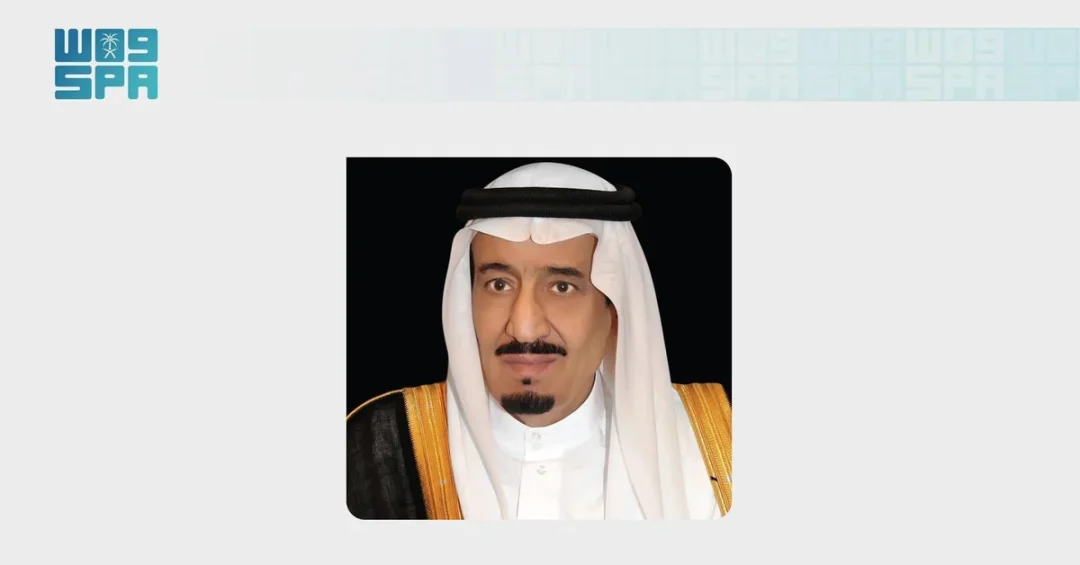
The Custodian of the Two Holy Mosques, King Salman bin Abdulaziz Al Saud, has sent a cable of congratulations to President Edgars Rinkēvičs of the Republic of Latvia on the occasion of his country’s Independence Day, according to an announcement carried by the Saudi Press Agency (SPA) on November 18, 2026. In the cable, the Custodian of the Two Holy Mosques extended his best wishes for the president’s continued good health and happiness, and expressed his hopes for the steady progress and prosperity of the government and people of Latvia. The message reflects the enduring diplomatic ties between the Kingdom of Saudi Arabia and the Republic of Latvia, a relationship built on mutual respect and shared interests.
This gesture of international goodwill comes as Saudi Arabia continues to strengthen its global partnerships under the leadership of the Custodian of the Two Holy Mosques and His Royal Highness Crown Prince Mohammed bin Salman. The Kingdom’s diplomatic outreach, guided by the principles of peace, cooperation, and mutual understanding, remains a cornerstone of its foreign policy. As Saudi Arabia advances its Vision 2030 reform agenda, such high-level exchanges underscore the importance of maintaining open channels of communication with nations across Europe and beyond. The congratulatory cable to Latvia is a testament to the Kingdom’s commitment to fostering friendly relations with all countries.
Context and Background
Why does a simple congratulatory message carry significance in the broader landscape of international diplomacy? The Republic of Latvia, a Baltic nation with a rich history and a vibrant culture, celebrates its Independence Day on November 18 each year, commemorating the proclamation of the Republic of Latvia in 1918. This year’s celebration marks another milestone in the nation’s journey as a sovereign state and a member of the European Union and NATO. The Custodian of the Two Holy Mosques’ message to President Edgars Rinkēvičs is part of a longstanding tradition of diplomatic courtesy and reflects the warm relations between the Kingdom and Latvia.
Saudi Arabia and Latvia established diplomatic relations in 1992, shortly after Latvia regained its independence. Over the decades, the two countries have developed cooperation in various fields, including trade, education, and cultural exchange. The Kingdom’s embassy in Stockholm, Sweden, is accredited to Latvia, while Latvia maintains an embassy in Riyadh. This diplomatic presence facilitates regular dialogue and collaboration on matters of mutual interest. The exchange of congratulatory cables on national occasions is a customary practice that reinforces the bonds of friendship and signals a desire to further deepen bilateral ties.
The timing of this message is also noteworthy. It comes amid a period of heightened Saudi diplomatic activity on the global stage. The Kingdom has been actively engaging with European partners to promote peace, stability, and economic cooperation. From hosting international summits to mediating regional conflicts, Saudi Arabia has emerged as a pivotal player in international affairs. The congratulatory cable to Latvia, therefore, is not merely a formality but a reflection of the Kingdom’s proactive approach to foreign relations. It demonstrates that Saudi Arabia values its relationships with all nations, large and small, and seeks to build bridges of understanding across continents.
Key Details
What exactly did the cable convey, and how does it align with Saudi Arabia’s diplomatic norms? According to the Saudi Press Agency, the Custodian of the Two Holy Mosques wished President Edgars Rinkēvičs continued good health and happiness, and extended his sincere congratulations on behalf of the Kingdom. The message also expressed hopes for the government and people of Latvia to enjoy steady progress and prosperity. Such cables are typically sent on national days and other significant occasions, serving as a formal yet heartfelt expression of goodwill.
President Edgars Rinkēvičs, who assumed office in 2023, has been a prominent figure in Latvian politics and a strong advocate for his country’s Euro-Atlantic integration. His leadership has been marked by a commitment to democratic values and international cooperation. The exchange of congratulations between the Saudi leadership and President Rinkēvičs highlights the mutual respect that characterizes the bilateral relationship. It also opens the door for potential collaboration on shared priorities, such as sustainable development, innovation, and intercultural dialogue.
The cable was transmitted via official channels and reported by the Saudi Press Agency, the Kingdom’s authoritative news outlet. This ensures transparency and aligns with the Kingdom’s practice of documenting its diplomatic engagements. The message was dated November 18, 2026, coinciding with Latvia’s Independence Day celebrations. While the cable itself is concise, its implications for Saudi-Latvian relations are significant, as it reaffirms the Kingdom’s commitment to maintaining active and friendly ties with European nations.
International and Regional Impact
How does Saudi Arabia’s outreach to Latvia fit into the broader context of its European and global diplomacy? The Kingdom has long recognized the importance of Europe as a partner in trade, investment, and security. Latvia, as a member of the European Union and NATO, plays a role in shaping European policies and is a gateway to the Baltic region. By maintaining cordial relations with Latvia, Saudi Arabia enhances its network of allies and partners in Europe, which is essential for advancing its foreign policy objectives and economic interests.
Moreover, the congratulatory message comes at a time when Saudi Arabia is deepening its engagement with the European Union as a whole. The Kingdom has been negotiating a free trade agreement with the EU and has cooperated on issues ranging from energy security to climate change. Positive bilateral relations with member states like Latvia contribute to a favorable environment for these broader negotiations. Additionally, Latvia’s strategic location and its membership in the EU and NATO make it a valuable partner for Saudi Arabia in promoting stability and prosperity in the Baltic Sea region and beyond.
Economic and Strategic Significance
What economic and strategic opportunities does the Saudi-Latvian relationship hold? While the volume of trade between Saudi Arabia and Latvia is modest compared to the Kingdom’s trade with larger European economies, there is potential for growth in sectors such as technology, renewable energy, and logistics. Latvia has a well-developed information and communications technology sector and is known for its digital innovation. Saudi Arabia, under Vision 2030, is seeking to diversify its economy and embrace digital transformation, making Latvia a potential partner in these areas.
Furthermore, Latvia’s position as a transport and logistics hub in the Baltic region could complement Saudi Arabia’s ambitions to become a global logistics hub connecting Asia, Europe, and Africa. The Kingdom’s investments in ports, railways, and airports are part of its strategy to enhance connectivity and trade. Cooperation with Latvia in these fields could yield mutual benefits. The congratulatory cable, while symbolic, can serve as a catalyst for exploring such opportunities. It signals Saudi Arabia’s openness to engaging with Latvia on a range of issues, from trade to culture to education.
Vision 2030 Alignment
How does this diplomatic gesture align with Saudi Arabia’s Vision 2030 and its goals for international engagement? Vision 2030, the Kingdom’s ambitious roadmap for economic and social transformation, emphasizes the importance of building strong international partnerships. A key pillar of the vision is to enhance Saudi Arabia’s global standing and to foster a diversified economy that is integrated with the world. Diplomatic outreach, such as the congratulatory cable to Latvia, is an integral part of this strategy. It helps to create a positive image of the Kingdom abroad and opens doors for collaboration in areas like trade, investment, and tourism.
By maintaining friendly relations with countries across Europe, Saudi Arabia positions itself as a reliable partner and a responsible global citizen. The Kingdom’s leadership, under the guidance of the Custodian of the Two Holy Mosques and Crown Prince Mohammed bin Salman, is committed to strengthening these ties. The message to President Edgars Rinkēvičs is a small but meaningful step in that direction. It reflects the Kingdom’s enduring commitment to peace, prosperity, and cooperation among nations, principles that are at the heart of both Vision 2030 and Saudi Arabia’s foreign policy. As the Kingdom continues its journey of transformation, such gestures of goodwill will remain a vital component of its international relations.
20 Questions
Q1. Who sent the congratulatory cable to the President of Latvia?
A1. The Custodian of the Two Holy Mosques, King Salman bin Abdulaziz Al Saud, sent the cable of congratulations to President Edgars Rinkēvičs of Latvia on the occasion of Latvia’s Independence Day.
Q2. When was the congratulatory message sent?
A2. The message was sent on November 18, 2026, as reported by the Saudi Press Agency (SPA), coinciding with Latvia’s Independence Day celebrations.
Q3. What did the Custodian of the Two Holy Mosques wish for President Rinkēvičs?
A3. He wished the president continued good health and happiness, and expressed hopes for the steady progress and prosperity of the government and people of Latvia.
Q4. Why is Latvia’s Independence Day celebrated on November 18?
A4. November 18 marks the proclamation of the Republic of Latvia in 1918, a pivotal moment in the nation’s history when it declared independence after centuries of foreign rule.
Q5. How long have Saudi Arabia and Latvia maintained diplomatic relations?
A5. Saudi Arabia and Latvia established diplomatic relations in 1992, following Latvia’s restoration of independence, and have since developed cooperation in various fields.
Q6. Which Saudi agency reported the congratulatory cable?
A6. The Saudi Press Agency (SPA), the Kingdom’s official news agency, reported the cable, ensuring accurate and timely dissemination of the information.
Q7. What is the significance of such congratulatory cables in diplomacy?
A7. These cables are a customary diplomatic practice that reinforces friendly relations between nations and signals a desire to maintain open channels of communication and mutual respect.
Q8. Who is President Edgars Rinkēvičs of Latvia?
A8. Edgars Rinkēvičs is the President of Latvia, having assumed office in 2023. He is a prominent politician and a strong advocate for Latvia’s Euro-Atlantic integration.
Q9. How does this message reflect Saudi Arabia’s foreign policy?
A9. It demonstrates Saudi Arabia’s commitment to maintaining positive relations with all nations, including European countries, and reflects the Kingdom’s proactive diplomatic outreach under Vision 2030.
Q10. What are the areas of potential cooperation between Saudi Arabia and Latvia?
A10. Potential areas include trade, technology, renewable energy, logistics, education, and cultural exchange, aligning with Saudi Arabia’s Vision 2030 diversification goals.
Q11. Is Latvia a member of the European Union and NATO?
A11. Yes, Latvia is a member of both the European Union and NATO, which makes it a valuable partner for Saudi Arabia in European and transatlantic affairs.
Q12. How does this diplomatic gesture align with Vision 2030?
A12. Vision 2030 emphasizes international partnerships and global engagement. The cable strengthens Saudi Arabia’s network of allies and promotes the Kingdom’s image as a responsible global player.
Q13. What is the history of Saudi-Latvian relations?
A13. Diplomatic relations were established in 1992. Since then, the two countries have engaged in trade, educational exchanges, and cultural cooperation, with embassies facilitating ongoing dialogue.
Q14. Did the cable mention any specific cooperation initiatives?
A14. The cable focused on congratulations and goodwill. However, it lays the groundwork for future collaboration in areas of mutual interest, consistent with diplomatic norms.
Q15. How does Saudi Arabia engage with European countries in general?
A15. Saudi Arabia maintains active diplomatic ties with European nations, cooperating on trade, security, energy, and climate change, and is negotiating a free trade agreement with the EU.
Q16. What is the significance of Latvia’s location for Saudi Arabia?
A16. Latvia’s strategic location in the Baltic region and its membership in the EU and NATO make it a gateway for Saudi engagement in Northern Europe and a partner in logistics and trade.
Q17. Are there any Saudi investments in Latvia?
A17. While specific investments are not detailed in the cable, Saudi Arabia is exploring opportunities in technology and logistics, and Latvia’s digital innovation sector could attract future Saudi investment.
Q18. How does the Kingdom’s leadership promote international goodwill?
A18. Through regular diplomatic communications, participation in international forums, and humanitarian aid, Saudi Arabia’s leadership fosters goodwill and strengthens global partnerships.
Q19. What message does this send to the international community?
A19. It signals Saudi Arabia’s commitment to peaceful coexistence, mutual respect, and active engagement with nations worldwide, reinforcing its role as a stabilizing force in global affairs.
Q20. What can we expect next in Saudi-Latvian relations?
A20. Continued diplomatic exchanges, potential trade delegations, and collaboration in technology and sustainable development are likely, as both nations seek to deepen their friendly ties.
Reader Feedback
We value your thoughts. Please share your feedback on this article.
Your feedback helps us improve our coverage.
Related articles
 Crown Prince Congratulates Morocco on Independence Day
 King Salman Congratulates Morocco on Independence Day
 Wild Plant Diversity in Northern Borders Supports Rangelands, Environmental Balance
 Coalition Intercepts Houthi Cruise Missile Targeting Riyadh
 Al-Asmari Appointed Spokesperson for Two Holy Mosques Authority
 4.1-Magnitude Earthquake Recorded in Southwest Kuwait