


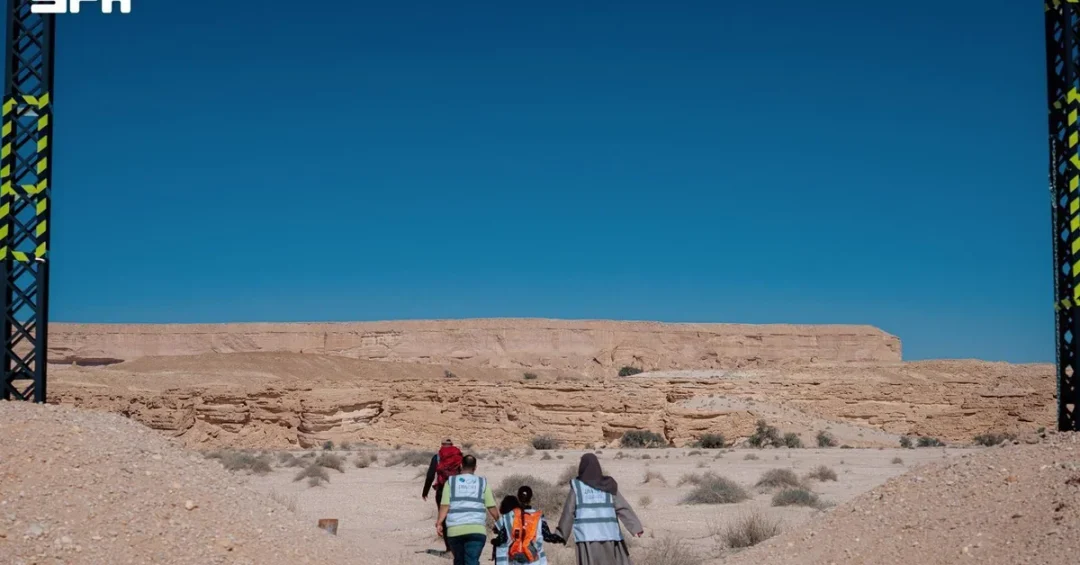
The Imam Abdulaziz bin Mohammed Royal Reserve Development Authority has officially launched the sixth edition of the Al-Urumah Eco-Tourism Season, running from November 2026 through the end of April 2027, according to an announcement carried by the Saudi Press Agency (SPA). The new season promises a comprehensive calendar of activities and events designed to meet visitor expectations and bring together different segments of society in scenic natural surroundings. The launch reinforces the Kingdom’s growing reputation as a destination for responsible, nature-based tourism that balances recreation with environmental stewardship.
Why does a seasonal eco-tourism initiative in the heart of Saudi Arabia matter to audiences far beyond the region? The answer lies in the scale of the Kingdom’s tourism transformation and the role that protected areas now play in it. The Al-Urumah Season, hosted across the Imam Abdulaziz bin Mohammed Royal Reserve and the adjacent King Khalid Royal Reserve, has become a flagship example of how Saudi Arabia is opening its natural heritage to families, adventurers, and international visitors alike. The authority described the two reserves as complementary destinations capable of serving all segments of society, a framing that underscores the inclusive ambition behind the initiative. For a global audience, the launch offers a clear signal that Saudi Arabia’s Vision 2030 tourism goals are being pursued not only through mega-projects but also through community-friendly, seasonal programming rooted in the country’s landscapes and traditions.
Context and Background
What exactly is the Imam Abdulaziz bin Mohammed Royal Reserve, and why has it become a centerpiece of seasonal eco-tourism? The reserve is a protected natural area managed by the Imam Abdulaziz bin Mohammed Royal Reserve Development Authority, a body established to conserve wildlife, restore ecosystems, and develop sustainable visitor experiences. Its sixth Al-Urumah Season builds on five previous editions that have progressively expanded the range of activities on offer. According to the Saudi Press Agency, the authority has positioned the reserve, together with King Khalid Royal Reserve, as two complementary destinations that together serve families, adventure seekers, and nature lovers. This pairing allows visitors to combine different experiences within one broader destination, from quiet family outings to more active pursuits.
The timing of the launch is significant. Running from November 2026 to the end of April 2027, the season coincides with the cooler months when outdoor activity is most comfortable across much of the Kingdom. The authority has emphasized that the program is designed to meet visitors’ expectations and to bring together different segments of society amid scenic natural surroundings. This approach reflects a wider philosophy in Saudi environmental planning: protected areas are not fenced-off zones but living destinations where conservation and public enjoyment are pursued together. The sixth edition therefore represents both continuity and maturation, as a seasonal concept first introduced several years ago continues to refine its offering. For international observers, the initiative illustrates how Saudi Arabia is building a domestic and regional tourism culture around its own natural assets rather than relying solely on iconic heritage or urban attractions.
Key Details
What can visitors actually do during the Al-Urumah Season? The authority has outlined a broad menu of family experiences and diverse adventures. Activities include camping, safari tours, hiking, picnicking, stargazing, live cooking, and opportunities to experience traditional Bedouin life and camel riding in an authentic atmosphere. These offerings blend recreation with cultural immersion, giving visitors a chance to connect with the desert environment and the heritage of the region. For families, the emphasis on shared experiences in natural surroundings provides an alternative to conventional entertainment venues, while the authentic Bedouin elements add an educational dimension that resonates with both domestic and international guests.
For those seeking more active pursuits, the season also offers adventure and sports enthusiasts opportunities for mountain biking, archery, and outdoor sports such as volleyball and table tennis. In addition, the program includes guided tours, recreational and educational programs, photography, and training and awareness workshops that enrich visitors’ experiences. This combination of physical activity, learning, and creative expression is designed to appeal to a wide demographic, from young adults to families with children. The authority has invited those interested in exploring the tourism experiences and activities available during the Al-Urumah Season to consult the tourism experiences and activities guide, which highlights the season’s key experiences and destinations. The guide is available through the following link: https://www.iarda.gov.sa/resources/docs/Activities_Experiences_Guide_AlUrmah_Season_6.pdf. By publishing a detailed guide, the authority is making it easier for visitors to plan their trips and choose the experiences that best suit their interests.
International and Regional Impact
How does a seasonal eco-tourism program in Saudi Arabia resonate on the regional and international stage? The Kingdom’s tourism sector has become one of the most closely watched in the Middle East, and initiatives like the Al-Urumah Season contribute to a broader narrative of openness and diversification. For regional travelers, the reserve offers a nearby nature escape that complements the cultural and religious tourism for which Saudi Arabia is already well known. For international visitors, it adds a new layer to the Saudi travel experience, one that highlights wildlife, landscapes, and outdoor adventure. The authority’s decision to frame the two reserves as complementary destinations signals a coordinated approach to destination management that could serve as a model for other protected areas in the region.
Moreover, the season’s programming reflects a growing global interest in eco-tourism and sustainable travel. Travelers increasingly seek experiences that combine recreation with environmental awareness, and the inclusion of training and awareness workshops alongside recreational activities aligns with that demand. By hosting such a diverse season, Saudi Arabia positions itself as a destination capable of catering to these evolving preferences. The initiative also supports the Kingdom’s efforts to attract visitors throughout the year, extending tourism activity beyond traditional peak periods. In a region where nature-based tourism is still developing, the Al-Urumah Season demonstrates how protected areas can be activated responsibly, offering economic and social benefits while preserving the environment for future generations.
Economic and Strategic Significance
Why does a six-month eco-tourism season carry economic and strategic weight? Seasonal programming of this kind stimulates local economic activity by drawing visitors to the area over an extended period, creating demand for services, guides, and hospitality. It also supports employment and small business opportunities linked to outdoor recreation, from equipment rental to food and craft offerings. While the authority’s announcement focuses on visitor experiences, the broader strategic logic is clear: tourism is a key pillar of Saudi Arabia’s economic diversification, and nature-based destinations are an integral part of that pillar. The Al-Urumah Season helps build a domestic tourism habit, encouraging Saudi residents to explore their own country while also appealing to regional and international guests.
Strategically, the initiative strengthens the role of royal reserves as engines of sustainable development. By investing in visitor infrastructure and programming, the authority is turning protected areas into assets that contribute to both conservation and the visitor economy. This dual purpose is central to Saudi environmental policy, which seeks to balance protection with public access. The sixth edition also builds institutional experience: each season generates data and feedback that can improve future offerings. For a global audience, the takeaway is that Saudi Arabia is developing a sophisticated, seasonally paced approach to tourism that leverages its natural heritage as a long-term resource rather than a short-term attraction.
Vision 2030 Alignment
How does the Al-Urumah Season connect to Saudi Vision 2030? The Vision’s goals include diversifying the economy, enriching the quality of life for citizens and residents, and showcasing the Kingdom’s cultural and natural heritage to the world. The Imam Abdulaziz bin Mohammed Royal Reserve Development Authority’s work aligns directly with these objectives by creating recreational and educational opportunities in protected natural settings. The season’s family-friendly activities, adventure sports, and cultural experiences contribute to the quality-of-life agenda, while the invitation to international visitors supports tourism growth targets. By opening the reserve for a six-month season, the authority is making the Kingdom’s natural beauty accessible in a structured, sustainable way.
Looking ahead, the sixth edition of the Al-Urumah Season is more than a calendar of events; it is a statement about Saudi Arabia’s long-term vision for its environment and its people. The authority’s emphasis on complementary destinations, diverse activities, and visitor guidance reflects a mature approach to destination development. As the season runs until the end of April 2027, it will offer millions of potential visitors a chance to experience the Kingdom’s landscapes and traditions firsthand. In doing so, it advances the broader national project of positioning Saudi Arabia as a leading global destination where heritage, nature, and modernity coexist. For those seeking to understand the Kingdom’s transformation, the Al-Urumah Season offers a compelling and welcoming example.
20 Questions
Q1. What is the Al-Urumah Season?
A1. The Al-Urumah Season is an eco-tourism initiative organized by the Imam Abdulaziz bin Mohammed Royal Reserve Development Authority, offering a range of outdoor and cultural activities in the reserve from November to April each year.
Q2. When does the sixth edition of the Al-Urumah Season take place?
A2. The sixth edition runs from November 2026 until the end of April 2027, according to the Saudi Press Agency, covering the cooler months ideal for outdoor activities in the Kingdom.
Q3. Which authority launched the sixth edition?
A3. The Imam Abdulaziz bin Mohammed Royal Reserve Development Authority launched the season, as announced via the Saudi Press Agency, continuing its management of the reserve’s visitor programming.
Q4. Where is the Imam Abdulaziz bin Mohammed Royal Reserve located?
A4. The reserve is a protected natural area in Saudi Arabia managed by its dedicated development authority, situated near Riyadh and paired with King Khalid Royal Reserve as complementary destinations.
Q5. What types of activities are offered during the season?
A5. Activities include camping, safari tours, hiking, picnicking, stargazing, live cooking, Bedouin life experiences, camel riding, mountain biking, archery, volleyball, table tennis, guided tours, photography, and workshops.
Q6. Is the Al-Urumah Season suitable for families?
A6. Yes, the authority explicitly notes that the season offers family experiences and diverse adventures, positioning the reserves as destinations for all segments of society amid scenic natural surroundings.
Q7. What is the relationship between the two royal reserves mentioned?
A7. The Imam Abdulaziz bin Mohammed Royal Reserve and King Khalid Royal Reserve are described as two complementary destinations, together offering a broad range of experiences for visitors.
Q8. Are there sports activities available?
A8. Yes, the season offers adventure and sports enthusiasts opportunities for mountain biking, archery, and outdoor sports such as volleyball and table tennis, alongside other recreational options.
Q9. Can visitors learn about traditional Bedouin life?
A9. Yes, the season includes opportunities to experience traditional Bedouin life and camel riding in an authentic atmosphere, providing cultural immersion alongside outdoor recreation.
Q10. Are there educational components in the season?
A10. The program includes recreational and educational programs, as well as training and awareness workshops designed to enrich visitors’ experiences and promote environmental understanding.
Q11. How can visitors find more information about the season?
A11. The authority has published a tourism experiences and activities guide, available at the official link, which highlights the season’s key experiences and destinations for easy planning.
Q12. Is stargazing one of the activities?
A12. Yes, stargazing is specifically listed among the season’s activities, taking advantage of the reserve’s natural dark skies for a memorable nighttime experience.
Q13. What is the duration of the Al-Urumah Season?
A13. The season runs for approximately six months, from November 2026 through the end of April 2027, allowing ample time for visitors to participate in various activities.
Q14. Does the season include guided tours?
A14. Yes, guided tours are part of the program, offering visitors structured ways to explore the reserve and learn about its natural and cultural features.
Q15. Is photography encouraged during the season?
A15. Photography is included among the activities, allowing visitors to capture the scenic natural surroundings and share their experiences of the reserve.
Q16. What is the significance of the season for Saudi tourism?
A16. The season supports Saudi Arabia’s tourism diversification by attracting visitors to a natural destination, complementing the Kingdom’s broader Vision 2030 goals for economic and quality-of-life development.
Q17. Are there any age restrictions for the activities?
A17. The announcement does not specify age restrictions; it emphasizes family experiences and activities for all segments of society, suggesting broad accessibility.
Q18. How does the season promote environmental awareness?
A18. Through training and awareness workshops, the season educates visitors about the reserve’s ecosystems and the importance of conservation, aligning recreation with environmental stewardship.
Q19. Can international tourists participate in the Al-Urumah Season?
A19. Yes, the season is open to all visitors, and the authority’s guide provides information to help international tourists plan their participation in the activities.
Q20. What makes the sixth edition different from previous ones?
A20. The sixth edition continues to expand on the established format, offering a comprehensive range of activities and positioning the two reserves as complementary destinations, reflecting the authority’s evolving approach.
Reader Feedback
We value your thoughts. Please share your feedback on this article.
Your feedback helps us improve our coverage.
Related articles
 Northern Trail: 1,200 km Tourism Artery Connects 16 Destinations
 Big Bounce Arabia Opens in Jeddah with 18 Family Activities
 Riyadh Zoo Opens Thursday as Part of Riyadh Season
 Saudia Launches Direct Jeddah-Moscow Flights on December 1
 Astrotourism in Makkah Region: Natural Attractions and Promising Prospects
 Al-Didhan Reserve Showcases Hail’s Natural Beauty and Biodiversity