


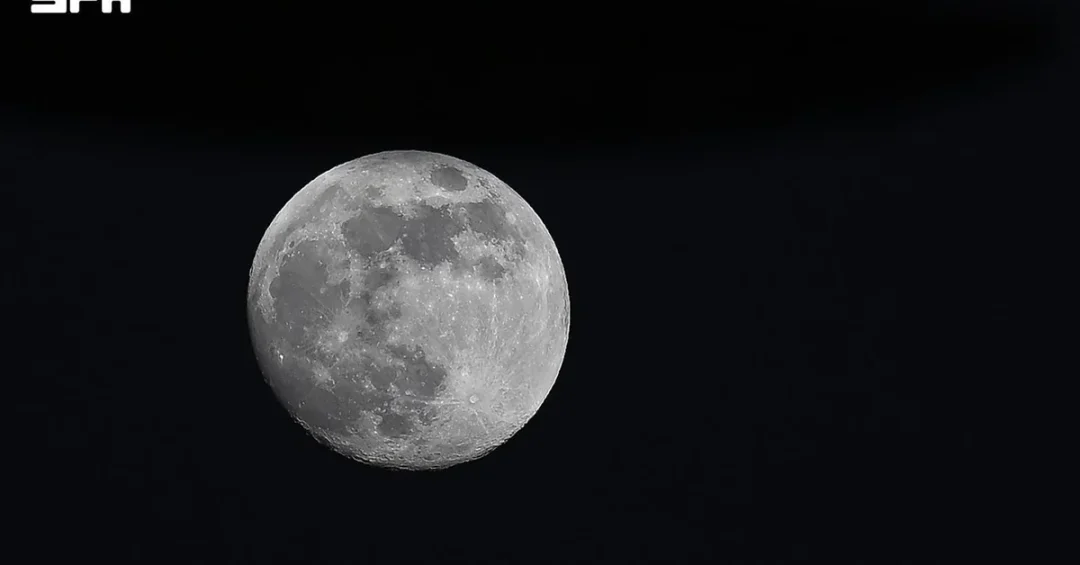
Makkah Region’s diverse natural landscapes—stretching from the Red Sea coast and open desert plains to towering mountainous highlands—are emerging as a promising foundation for astrotourism, a form of travel that blends relaxation, exploration, and scientific learning, according to information released via the Saudi Press Agency (SPA). The region’s clear night skies, far from the glow of city lights, offer visitors rare opportunities to observe stars, planets, and astronomical phenomena, as well as to engage in astrophotography. This potential was highlighted in a recent SPA report, which cited experts and local astronomy advocates who see astrotourism as a natural extension of the Kingdom’s growing tourism sector and its Vision 2030 ambitions.
As Saudi Arabia continues to diversify its economy and open new tourism frontiers, the night sky over Makkah Region is being viewed not merely as a scenic backdrop but as a sustainable scientific, cultural, and economic resource. The region’s varied topography creates distinct microclimates and viewing conditions, from coastal areas with moderate humidity to high-altitude zones where the air is crisp and the stars appear exceptionally bright. This natural endowment, combined with a rising public interest in stargazing and outdoor activities, positions astrotourism as a niche yet potentially high-value segment of the Kingdom’s broader tourism strategy. Could the stars above Makkah become the next must-see attraction for international visitors? The answer may lie in how well the public and private sectors collaborate to develop this nascent sector.
Context and Background
What makes Makkah Region uniquely suited for astrotourism? According to Eng. Majed Abu Zahra, Chairman of the Jeddah Astronomical Society, the region’s geography is a key asset. In an interview with the Saudi Press Agency, Abu Zahra explained that the area’s diverse terrain—spanning coastal zones, desert expanses, and mountainous highlands—provides a range of environments for astronomical observation. Winter, in particular, stands out as one of the most suitable seasons for such activities, thanks to moderate temperatures compared with the intense summer heat and longer nights that offer extended viewing windows.
During winter evenings, observers can witness a variety of celestial highlights, including the Pleiades star cluster, several bright stars, and seasonal meteor showers such as the Geminids in December and the Quadrantids in January. These predictable phenomena create reliable opportunities for organizing tourism and educational experiences tailored to different segments of society, from families and school groups to serious amateur astronomers and photographers. The Jeddah Astronomical Society has noted a growing public interest in stargazing, especially among young people, photography enthusiasts, and fans of outdoor trips—a trend that aligns with the Kingdom’s push to promote domestic tourism and quality-of-life improvements.
This interest is further fueled by advances in night photography technology. The widespread use of smartphones and digital cameras has made it easier than ever for individuals to capture astronomical scenes, lowering the barrier to entry for hobbyists and enabling them to share their experiences on social media. As a result, astrotourism is not just a specialized pursuit but a potentially mass-market activity that can attract a broad demographic. The combination of accessible technology, favorable natural conditions, and growing public curiosity sets the stage for Makkah Region to become a leading destination for stargazing in the Middle East.
Key Details
What specific steps are needed to transform casual stargazing into a structured tourism product? Abu Zahra emphasized the importance of conducting field studies and surveys to gauge the level of interest in astrotourism, identify the needs of target groups, and leverage the existing popularity of outdoor trips and camping. By understanding what visitors want—whether it’s guided tours, educational workshops, or simply a quiet place to observe the night sky—stakeholders can design experiences that combine recreation with scientific knowledge.
The future of astrotourism, according to Abu Zahra, depends on moving beyond individual, ad-hoc trips toward developing integrated tourism products. This requires carefully selected sites with minimal light pollution, well-structured programs that cater to different skill levels, and specialized expertise. Cooperation among tourism and scientific entities, as well as the private sector, will be essential to build the necessary infrastructure and training programs. Local guides and tour operators could benefit from specialized training in astronomy and storytelling, enabling them to offer enriching experiences that go beyond mere observation.
Moreover, the economic opportunities are significant. Astrotourism could provide new revenue streams for tourism businesses, local guides, and tour operators, while also creating jobs in areas such as hospitality, transportation, and equipment rental. By transforming the night sky into a sustainable scientific, cultural, and tourism resource, Makkah Region can attract visitors year-round, not just during traditional peak seasons. This approach also aligns with the principles of responsible tourism, ensuring that the quality of the night sky is preserved for future generations through measures like light-pollution control and sustainable site management.
International and Regional Impact
How might astrotourism in Makkah Region resonate beyond Saudi Arabia’s borders? The global astrotourism market has been growing steadily, with destinations such as Chile’s Atacama Desert, New Zealand’s Aoraki Mackenzie Dark Sky Reserve, and parts of the American Southwest attracting travelers eager to experience pristine night skies. Makkah Region, with its unique combination of coastal, desert, and mountain environments, could offer a distinct proposition—particularly for visitors from Europe and Asia who seek winter sun and clear skies during their own colder months.
Regionally, Saudi Arabia’s efforts could inspire neighboring countries to develop similar offerings, positioning the Gulf as a new frontier for astronomical tourism. The Kingdom’s advanced infrastructure, including modern airports, highways, and hospitality options, makes it relatively easy for international travelers to access remote stargazing sites. Furthermore, the cultural and historical significance of Makkah Region adds a layer of depth that few other destinations can match, allowing visitors to combine scientific exploration with cultural immersion. As the Kingdom continues to open up to international tourism, astrotourism could become a unique selling point that differentiates Saudi Arabia from other sun-and-sea destinations.
Economic and Strategic Significance
What economic value could astrotourism unlock for Makkah Region and the Kingdom as a whole? While precise figures are not yet available, the sector’s potential is clear. Astrotourism can extend the tourism season into winter months, when many other outdoor activities are less comfortable due to heat. This helps smooth out demand for hospitality services, creating more stable employment and revenue for local businesses. It also attracts a demographic that may be less interested in traditional shopping or beach tourism—travelers who value nature, science, and unique experiences.
Strategically, investing in astrotourism supports Saudi Arabia’s Vision 2030 goals of diversifying the economy away from oil, creating jobs for young Saudis, and enhancing the Kingdom’s global image as a modern, forward-looking nation. By developing specialized tourism products, Saudi Arabia can tap into the growing global trend of experiential travel, where visitors seek meaningful, educational, and memorable activities. The night sky, as Abu Zahra noted, is a resource that can be used sustainably—if managed well, it will never run out, unlike finite natural resources. This makes astrotourism a smart long-term investment that aligns with the principles of environmental stewardship and cultural preservation.
Vision 2030 Alignment
How does astrotourism fit into Saudi Arabia’s Vision 2030? The Vision aims to increase the tourism sector’s contribution to GDP, create new employment opportunities, and improve the quality of life for citizens and residents. Astrotourism directly supports these objectives by adding a new dimension to the Kingdom’s tourism offerings, attracting high-value visitors, and encouraging domestic travel. It also promotes scientific literacy and environmental awareness, which are essential for a knowledge-based economy.
Furthermore, the development of astrotourism in Makkah Region showcases the Kingdom’s ability to leverage its natural assets in innovative ways. By investing in dark-sky preservation, training local guides, and fostering partnerships between scientific bodies and the private sector, Saudi Arabia can establish itself as a global leader in sustainable astrotourism. As the stars continue to shine over Makkah, they illuminate a path toward a diversified, prosperous future—one that honors the past while embracing the possibilities of the cosmos. In this way, the night sky becomes not just a spectacle but a symbol of the Kingdom’s boundless potential.
20 Questions
Q1. What is astrotourism?
A1. Astrotourism is a form of travel focused on observing the night sky, including stars, planets, and astronomical events. It combines relaxation, exploration, and learning, often involving activities like stargazing, astrophotography, and guided tours led by astronomy experts.
Q2. Why is Makkah Region suitable for astrotourism?
A2. Makkah Region features diverse topography, from Red Sea coasts to mountainous highlands, offering clear night skies away from city lights. Its winter climate is moderate, with longer nights ideal for observing constellations, meteor showers, and other celestial phenomena.
Q3. Who is Eng. Majed Abu Zahra?
A3. Eng. Majed Abu Zahra is the Chairman of the Jeddah Astronomical Society. He shared insights with the Saudi Press Agency on the potential of astrotourism in Makkah Region, highlighting winter as a prime season for astronomical observation.
Q4. What celestial events can be seen in winter in Makkah Region?
A4. Winter evenings offer views of the Pleiades star cluster, several bright stars, and meteor showers such as the Geminids in December and the Quadrantids in January. These events provide regular opportunities for tourism and educational activities.
Q5. What is driving public interest in stargazing in Saudi Arabia?
A5. Advances in night photography technology, including smartphones and digital cameras, have made capturing astronomical scenes easier. This, combined with a growing interest in outdoor trips and camping, especially among young people, is fueling public enthusiasm for stargazing.
Q6. What does Abu Zahra recommend for developing astrotourism?
A6. He recommends conducting field studies and surveys to gauge interest and identify target groups’ needs. He also stresses moving beyond individual trips to create integrated tourism products with carefully selected sites, structured programs, and specialized expertise through public-private cooperation.
Q7. What economic opportunities does astrotourism offer?
A7. Astrotourism can generate revenue for tourism businesses, local guides, and tour operators. It creates jobs in hospitality, transportation, and equipment rental, and extends the tourism season into winter, providing more stable income for local communities.
Q8. How does astrotourism benefit local communities?
A8. It diversifies income sources, creates employment, and encourages the preservation of dark skies. Local guides can receive specialized training, and communities can offer authentic cultural experiences alongside stargazing, enhancing visitor satisfaction and community pride.
Q9. What role does the Jeddah Astronomical Society play?
A9. The Jeddah Astronomical Society promotes astronomy education and public engagement. It observes growing interest in stargazing and advocates for developing astrotourism infrastructure, training, and partnerships to support the sector’s growth in Makkah Region.
Q10. How can light pollution be managed for astrotourism?
A10. Managing light pollution involves selecting sites away from urban centers, implementing lighting ordinances that reduce skyglow, and raising awareness among local communities. These measures help preserve the quality of the night sky for tourism and scientific observation.
Q11. What types of tourists are interested in astrotourism?
A11. Astrotourism appeals to a wide range of travelers, including photography enthusiasts, outdoor adventurers, families, school groups, and science-minded tourists. It also attracts international visitors seeking unique winter experiences and pristine night skies.
Q12. How does astrotourism align with Vision 2030?
A12. It supports Vision 2030 by diversifying the economy, creating jobs, and enhancing quality of life. It adds a new tourism segment, promotes scientific literacy, and showcases Saudi Arabia’s natural assets, contributing to the Kingdom’s goal of becoming a top global destination.
Q13. What infrastructure is needed for astrotourism?
A13. Necessary infrastructure includes accessible viewing sites, accommodations, transportation, and amenities like restrooms and observation decks. Trained guides, telescopes, and educational materials are also important, along with partnerships between tourism and scientific entities.
Q14. Can astrotourism attract international visitors?
A14. Yes, Saudi Arabia’s modern infrastructure and unique landscapes make it accessible to international travelers. Winter clear skies and diverse terrain offer a compelling alternative to other astrotourism destinations, especially for visitors from Europe and Asia.
Q15. What is the best time of year for astrotourism in Makkah Region?
A15. Winter is considered the best season due to moderate temperatures and longer nights. This period allows for comfortable observation and coincides with notable meteor showers and other celestial events, making it ideal for organized tours and educational programs.
Q16. How can technology enhance astrotourism experiences?
A16. Technology such as smartphone apps, digital cameras, and portable telescopes enhances stargazing by helping visitors identify celestial objects and capture high-quality images. Virtual reality and augmented reality can also provide educational overlays, enriching the experience.
Q17. What are the environmental benefits of astrotourism?
A17. Astrotourism encourages dark-sky preservation, which benefits nocturnal wildlife and reduces energy waste from excessive lighting. It promotes sustainable land use and can support conservation efforts by demonstrating the economic value of pristine natural environments.
Q18. How can local guides be trained for astrotourism?
A18. Training programs can be developed in partnership with astronomical societies and tourism authorities. Guides can learn basic astronomy, storytelling, and safety protocols, enabling them to lead engaging and informative stargazing tours for diverse audiences.
Q19. What are the challenges facing astrotourism in Makkah Region?
A19. Challenges include light pollution near urban areas, lack of specialized infrastructure, and limited awareness among potential visitors. Addressing these requires coordinated efforts in site selection, regulation, training, and marketing to build a sustainable astrotourism sector.
Q20. What is the long-term vision for astrotourism in Saudi Arabia?
A20. The long-term vision is to establish Makkah Region as a premier astrotourism destination, integrating stargazing with cultural and educational experiences. This supports Vision 2030 by diversifying tourism, creating jobs, and promoting environmental stewardship for future generations.
Reader Feedback
We value your thoughts. Please share your feedback on this article.
Your feedback helps us improve our coverage.
Related articles
 Al-Didhan Reserve Showcases Hail’s Natural Beauty and Biodiversity
 Makkah Royal Commission Secures Guinness Records for Highest Museum, Observation Deck
 New Madinah Destination Blends Tradition and Modernity
 Rain Adds to Beauty of Al-Baha’s Mountains
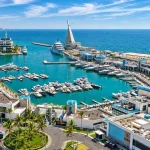 Jeddah Yacht Club: Premier Maritime Tourism Hub
 Saudi Red Sea Authority Launches ‘Invest With Guidance’ Campaign