


The General Directorate of Border Guard of the Kingdom of Saudi Arabia has evolved over more than a century from humble camel patrols and small sailing boats into a technologically advanced national security apparatus, according to an official announcement released via the Saudi Press Agency (SPA) on November 19, 2026. The directorate, which traces its origins to 1331 AH (1913 CE), now employs cutting-edge surveillance systems, day-and-night vision cameras, and command-and-control centers to protect the Kingdom’s land and maritime borders. This transformation reflects the broader modernization drive sweeping across Saudi Arabia under Vision 2030. How has this remarkable journey shaped the Kingdom’s security landscape, and what does it reveal about Saudi Arabia’s commitment to safeguarding its sovereignty?
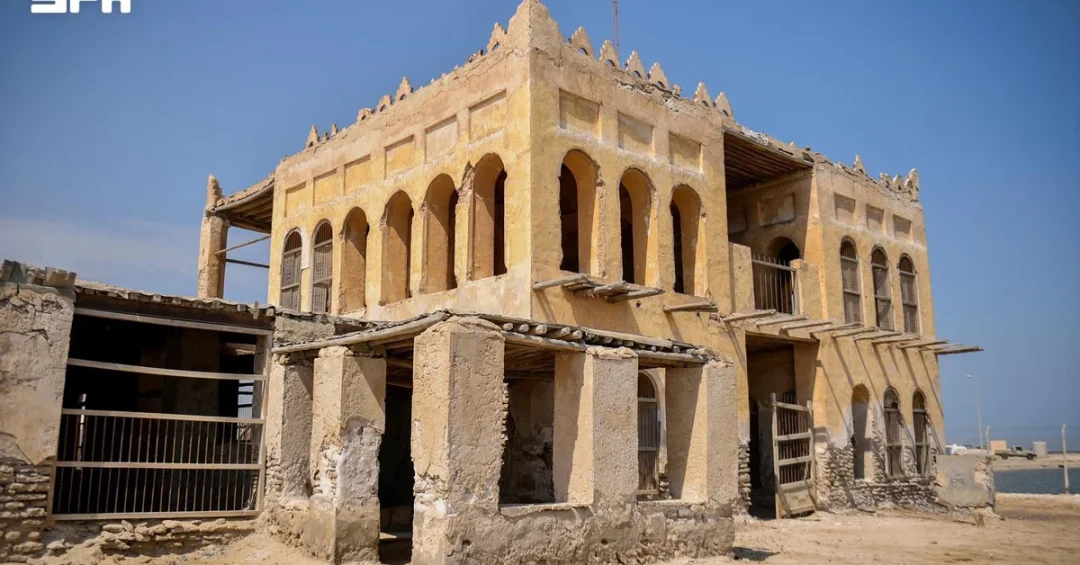
The SPA report, sourced from the Ministry of Interior, details a phased evolution that began with coastal surveillance operations at the port of Al-Uqair in Al-Ahsa Governorate, Eastern Region. Initially, these operations relied on small sailing boats patrolling the coastline, supported by camel-mounted patrols monitoring the shores. This early system, though modest, laid the foundation for what would become one of the most sophisticated border security forces in the region. The directorate’s history is not merely a chronicle of institutional growth but a testament to the Kingdom’s enduring resolve to protect its people and territory. As Saudi Arabia continues its rapid development, the Border Guard’s role has expanded to encompass not only traditional security duties but also humanitarian operations and the facilitation of safe trade and travel. What lessons can other nations draw from this century-long commitment to border security?
Context and Background
How did a handful of sailing boats and camel patrols evolve into a modern security force? The answer lies in the visionary leadership of the Kingdom, beginning with the reign of King Abdulaziz bin Abdulrahman Al Saud. The directorate’s origins date back to 1331 AH, when coastal surveillance operations commenced at the port of Al-Uqair. At that time, the primary focus was on monitoring the coastline and providing assistance to vessels, a task carried out by small sailing boats and camel-mounted patrols. These early efforts were crucial for protecting nascent trade routes and coastal communities, setting a precedent for the comprehensive security framework that would follow.
In 1383 AH (1963 CE), a significant milestone was achieved when two coast guard entities were merged into a single body named the General Directorate of Frontier Forces, Ports and Coast Guard. Placed under the Ministry of Interior, this new entity assumed responsibility for guarding the Kingdom’s land and maritime borders. The merger streamlined operations and marked the beginning of a more structured approach to border security. The mandate and operational scope were further strengthened following the issuance of the Border Security Law, which provided a clear legal framework for the directorate’s activities. In 1414 AH (1993 CE), the name General Directorate of Border Guard was officially adopted, reflecting its expanded role and responsibilities. This evolution was not merely a change in nomenclature but a signal of the Kingdom’s growing emphasis on border security as a cornerstone of national stability.
Key Details
What specific advancements have defined the Border Guard’s modernization? The SPA report highlights the introduction of monitoring and surveillance systems, day-and-night vision cameras, communications equipment, and command-and-control centers. These technologies have revolutionized the directorate’s ability to conduct efficient security operations, enabling real-time monitoring and rapid response to potential threats. The transition toward smart borders is a key component of this modernization, aligning with global best practices and the Kingdom’s Vision 2030 objectives. The integration of advanced technologies has not only enhanced security but also improved the overall efficiency of border management, facilitating legitimate trade and travel while deterring illicit activities.
Accompanying these technological upgrades are comprehensive training and qualification programs designed to equip personnel with the skills needed to operate modern technologies and carry out field missions. This dual focus on technology and human capital development underscores the Kingdom’s holistic approach to security. The Border Guard’s personnel are now trained in areas such as surveillance, data analysis, and emergency response, ensuring they can effectively utilize the tools at their disposal. The directorate’s commitment to continuous improvement is evident in its ongoing efforts to adopt emerging technologies and methodologies, positioning it as a leader in regional border security.
International and Regional Impact
How does Saudi Arabia’s Border Guard contribute to regional stability and international security? The directorate’s efforts extend beyond national borders, playing a vital role in combating smuggling, infiltration, and other transnational threats. By securing its land and maritime borders, Saudi Arabia helps disrupt illicit networks that could destabilize the region. The Kingdom’s participation in international maritime security initiatives and its collaboration with neighboring countries further demonstrate its commitment to global security. The Border Guard’s humanitarian operations, which include search and rescue missions and assistance to distressed vessels, also contribute to the Kingdom’s reputation as a responsible regional power.
Moreover, the directorate’s modernization serves as a model for other nations in the Middle East and beyond. By sharing expertise and best practices, Saudi Arabia fosters regional cooperation and capacity building. The transition to smart borders, in particular, has implications for trade facilitation and economic integration. As the Kingdom positions itself as a global logistics hub under Vision 2030, the efficiency of its border operations becomes increasingly important. The Border Guard’s ability to balance security with the smooth flow of goods and people is a testament to its advanced capabilities and strategic importance.
Economic and Strategic Significance
What economic benefits stem from a modernized Border Guard? Efficient border management is critical for trade and investment, and the directorate’s advancements directly support Saudi Arabia’s economic diversification goals. By reducing delays and enhancing security, the Border Guard facilitates the movement of goods through key ports and border crossings, boosting trade volumes and attracting foreign investment. This is particularly important as the Kingdom expands its non-oil sectors, including logistics, tourism, and manufacturing. The directorate’s role in protecting maritime routes also ensures the safe passage of energy exports, a cornerstone of the Saudi economy.
Strategically, the Border Guard’s capabilities enhance the Kingdom’s ability to respond to emerging threats, including terrorism, piracy, and environmental hazards. The integration of advanced surveillance and communication systems enables coordinated responses across multiple agencies, strengthening national security. Furthermore, the directorate’s focus on smart borders aligns with the broader digital transformation agenda of Vision 2030, which aims to leverage technology for economic and social development. By investing in border security, Saudi Arabia not only protects its sovereignty but also creates an enabling environment for sustainable growth.
Vision 2030 Alignment
How does the Border Guard’s evolution reflect the aspirations of Vision 2030? The directorate’s modernization is a direct manifestation of Vision 2030’s emphasis on innovation, efficiency, and global competitiveness. By adopting smart border technologies, the Kingdom enhances its position as a leading logistics and trade hub, a key objective of the National Industrial Development and Logistics Program. The focus on training and human capital development also aligns with the Vision’s goal of empowering Saudi citizens and preparing them for the jobs of the future. The Border Guard’s role in facilitating tourism, particularly for religious pilgrims and international visitors, supports the Vision’s target of increasing tourism’s contribution to GDP.
As Saudi Arabia continues its journey toward a diversified, knowledge-based economy, the Border Guard will remain at the forefront of efforts to safeguard the nation’s borders and enable its prosperity. The directorate’s century-long evolution from camel patrols to advanced national security systems is a powerful narrative of progress and resilience. It underscores the Kingdom’s unwavering commitment to protecting its people, its territory, and its future. With continued investment in technology and human resources, the Border Guard is well-positioned to meet the challenges of the 21st century and contribute to the realization of Vision 2030’s ambitious goals.
20 Questions
Q1. What is the General Directorate of Border Guard?
A1. The General Directorate of Border Guard is a Saudi security agency under the Ministry of Interior responsible for protecting the Kingdom’s land and maritime borders, combating smuggling and infiltration, and conducting security and humanitarian operations.
Q2. When did the Border Guard’s history begin?
A2. The directorate’s origins date back to 1331 AH (1913 CE), when coastal surveillance operations began at the port of Al-Uqair in Al-Ahsa Governorate, Eastern Region, using small sailing boats and camel-mounted patrols.
Q3. What were the early methods of border security?
A3. Early operations relied on small sailing boats that patrolled the coastline and camel-mounted patrols that monitored and secured the shores, providing assistance when needed.
Q4. When were the coast guard entities merged?
A4. In 1383 AH (1963 CE), two coast guard entities were merged into a single body named the General Directorate of Frontier Forces, Ports and Coast Guard, placed under the Ministry of Interior.
Q5. What law strengthened the Border Guard’s mandate?
A5. The Border Security Law further strengthened and defined the directorate’s mandate and operational scope, providing a clear legal framework for its activities.
Q6. When was the name General Directorate of Border Guard adopted?
A6. In 1414 AH (1993 CE), the name General Directorate of Border Guard was officially adopted, reflecting its expanded role and responsibilities.
Q7. What technological advancements has the Border Guard introduced?
A7. The directorate has introduced monitoring and surveillance systems, day-and-night vision cameras, communications equipment, and command-and-control centers to support efficient security operations and the transition toward smart borders.
Q8. How does the Border Guard support smart borders?
A8. Through the integration of advanced technologies such as surveillance systems and command-and-control centers, the Border Guard enhances real-time monitoring and rapid response, aligning with global best practices and Vision 2030 objectives.
Q9. What training programs are provided to Border Guard personnel?
A9. The directorate offers training and qualification programs to equip personnel with the skills needed to operate modern technologies and carry out field missions, ensuring they can effectively utilize advanced tools.
Q10. How does the Border Guard contribute to regional stability?
A10. By combating smuggling, infiltration, and transnational threats, the Border Guard helps disrupt illicit networks, contributing to regional stability and security in collaboration with neighboring countries and international partners.
Q11. What humanitarian operations does the Border Guard conduct?
A11. The Border Guard carries out search and rescue missions and provides assistance to distressed vessels, demonstrating the Kingdom’s commitment to humanitarian values and regional cooperation.
Q12. How does the Border Guard facilitate trade?
A12. Efficient border management reduces delays and enhances security, facilitating the movement of goods through key ports and border crossings, which boosts trade volumes and supports economic diversification.
Q13. What is the economic significance of the Border Guard’s modernization?
A13. Modernization supports Saudi Arabia’s economic diversification by enabling efficient trade, attracting foreign investment, and protecting maritime routes essential for energy exports.
Q14. How does the Border Guard align with Vision 2030?
A14. The Border Guard’s modernization aligns with Vision 2030’s emphasis on innovation, efficiency, and global competitiveness, supporting goals such as becoming a logistics hub and increasing tourism’s contribution to GDP.
Q15. What role does the Border Guard play in tourism?
A15. By facilitating the safe and efficient entry of tourists and pilgrims, the Border Guard supports the Kingdom’s tourism goals, including the target of increasing international visitors under Vision 2030.
Q16. How does the Border Guard protect maritime routes?
A16. The directorate monitors and secures maritime borders using advanced surveillance and communication systems, ensuring the safe passage of energy exports and protecting against piracy and other threats.
Q17. What is the Border Guard’s role in combating terrorism?
A17. The Border Guard’s advanced capabilities enable it to detect and respond to terrorist threats, contributing to national and regional security through coordinated efforts with other agencies.
Q18. How has the Border Guard evolved over the past century?
A18. From camel patrols and sailing boats in 1331 AH to a technologically advanced force with smart border systems, the Border Guard has continuously adapted to meet emerging challenges and protect the Kingdom’s sovereignty.
Q19. What future developments are expected for the Border Guard?
A19. Continued investment in technology and human capital is expected, with further integration of artificial intelligence and smart border solutions to enhance efficiency and security in line with Vision 2030.
Q20. Why is the Border Guard’s history significant?
A20. It exemplifies Saudi Arabia’s enduring commitment to security and progress, showcasing how visionary leadership and innovation have transformed a modest coastal patrol into a model of modern border security.
Reader Feedback
We value your thoughts. Please share your feedback on this article.
Your feedback helps us improve our coverage.
Related articles
 Coalition Air Defense Intercepts Houthi Missile Targeting Southern Region
 Makkah Region Authority Joins Tanmiathon 2026
 Prophetic Sunnah Competition Concludes in Mauritania
 Religious Affairs Chief Launches AI Project for Two Holy Mosques
 MWL Condemns Iranian Aggression Against Kuwait, Bahrain
 Qassim Education Directorate Marks World Children’s Day