


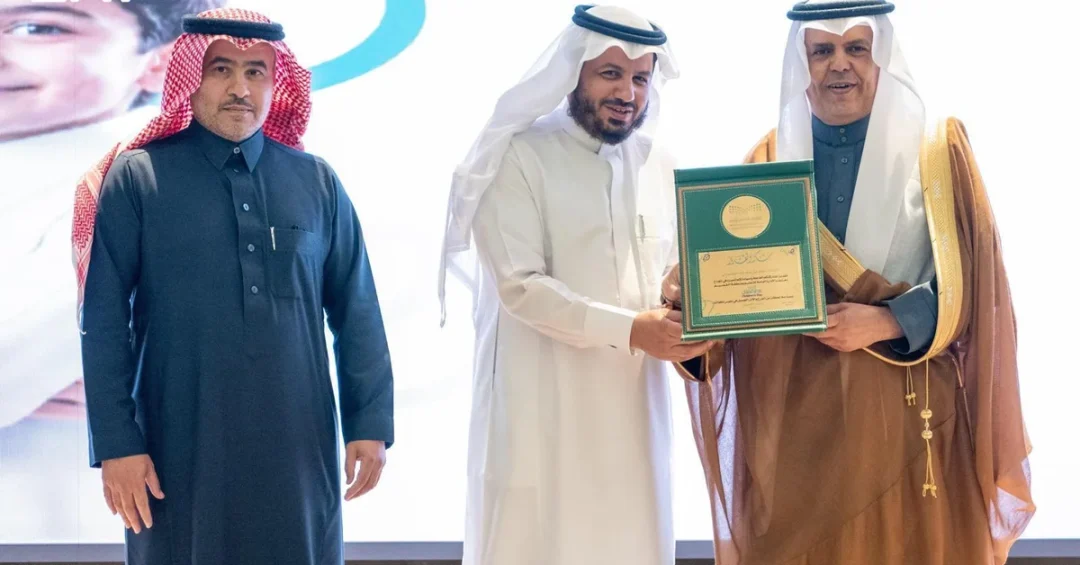
The General Directorate of Education in Qassim marked World Children’s Day with a series of educational and awareness activities in Buraidah, as reported by the Saudi Press Agency (SPA). The event, held annually on November 20, brought together education officials, community leaders, and child development experts to emphasize the importance of protecting children’s rights and fostering supportive environments for their growth. The gathering featured a panel discussion and visual presentations addressing key issues related to childhood, underscoring the need for coordinated institutional and community efforts. How can such initiatives shape a brighter future for the Kingdom’s youngest citizens?
World Children’s Day, observed globally, serves as a reminder of the commitment to children’s well-being and development. In Saudi Arabia, this commitment is deeply embedded in the national agenda, particularly through Vision 2030, which prioritizes education, health, and quality of life for all citizens. The Qassim Directorate’s event reflects a broader strategy to engage communities and institutions in creating safe, nurturing environments for children. By aligning local efforts with international observances, Saudi Arabia demonstrates its dedication to global standards and its proactive approach to child welfare. What does this mean for the future of Saudi children?
Context and Background
World Children’s Day, established by the United Nations in 1954, is celebrated annually on November 20 to promote international togetherness, awareness among children worldwide, and improving children’s welfare. In Saudi Arabia, the occasion gains special significance as the Kingdom undergoes a transformative period under Vision 2030, which aims to diversify the economy and enhance social development. The General Directorate of Education in Qassim, a region known for its educational institutions and community engagement, has consistently participated in such observances, reflecting the Kingdom’s broader commitment to child protection and development. Why is it important for local directorates to lead such initiatives?
The event in Buraidah included a panel discussion that brought together experts and officials to address pressing issues related to childhood, such as mental health, digital safety, and the importance of play in early development. Visual presentations highlighted successful programs and partnerships that have made a difference in the lives of children across the region. These activities are part of a year-round effort by the Ministry of Education and its local branches to integrate child-friendly policies into the educational system. By focusing on awareness and community partnerships, the Qassim Directorate is setting an example for other regions to follow. How can these efforts be scaled to benefit all children in the Kingdom?
The participation of several education officials underscores the high-level commitment to children’s issues. Their presence signals that child welfare is not just a matter for families but a collective responsibility that involves government, schools, and community organizations. This multi-stakeholder approach is essential for creating sustainable solutions that address the complex challenges facing children today. As Saudi Arabia continues to modernize, such collaborative efforts will be crucial in ensuring that no child is left behind. What role can each sector play in this endeavor?
Key Details of the Awareness Programs
The awareness programs in Buraidah were designed to be interactive and engaging, with a focus on practical takeaways for parents, educators, and community members. The panel discussion covered topics such as child protection laws, the importance of early childhood education, and strategies to promote emotional well-being. Experts shared insights on how to identify signs of distress and provide appropriate support. The visual presentations showcased data and success stories, making a compelling case for continued investment in child-focused initiatives. How can such programs be made accessible to all segments of society?
Community partnerships were a central theme of the event. The Qassim Directorate collaborated with local organizations, including non-profits and private sector entities, to amplify the reach and impact of the awareness campaign. These partnerships are vital for pooling resources and expertise, ensuring that messages about child rights and protection are disseminated widely. By engaging the community, the Directorate is fostering a sense of ownership and shared responsibility for children’s well-being. What innovative partnerships could further enhance these efforts?
The event also highlighted the role of technology in child development, with discussions on how to navigate the digital world safely. As children increasingly access online platforms, digital literacy and online safety have become critical components of child protection. The Qassim Directorate’s focus on this issue aligns with national efforts to create a safe digital environment for all users, especially the youngest. How can parents and educators stay ahead of emerging digital risks?
International and Regional Impact
Saudi Arabia’s observance of World Children’s Day resonates beyond its borders, showcasing the Kingdom’s commitment to international conventions and its active role in global child welfare. By aligning with United Nations initiatives, Saudi Arabia reinforces its position as a responsible global citizen and a leader in the region. The Qassim event serves as a model for other countries in the Middle East and beyond, demonstrating how local actions can contribute to global goals. What can other nations learn from Saudi Arabia’s approach?
Regionally, the event underscores the importance of cross-border cooperation in addressing challenges that affect children, such as conflict, poverty, and displacement. Saudi Arabia has been a key player in humanitarian efforts, providing aid and support to children in need across the region. The Qassim Directorate’s initiative is a microcosm of these broader efforts, reflecting the Kingdom’s compassionate and forward-looking stance. How can regional collaboration be strengthened to protect the most vulnerable?
The international dimension of the event also highlights Saudi Arabia’s soft power and its ability to influence positive change through education and awareness. By sharing best practices and engaging with international partners, the Kingdom enhances its reputation as a modern, progressive nation that values its youth. This aligns with Vision 2030’s goal of positioning Saudi Arabia as a global leader in various fields. What impact does this have on the Kingdom’s standing in the international community?
Economic and Strategic Significance
Investing in children is an investment in the future economy. The Qassim Directorate’s awareness programs contribute to building a skilled, healthy, and productive workforce that will drive Saudi Arabia’s economic diversification. By focusing on early childhood development, the Kingdom is laying the foundation for a knowledge-based economy, as outlined in Vision 2030. Healthy, well-educated children are more likely to become innovative entrepreneurs, skilled professionals, and responsible citizens. How does this translate into long-term economic gains?
Strategically, child welfare is integral to social stability and national security. When children grow up in supportive environments, they are less likely to fall into risky behaviors and more likely to contribute positively to society. The Qassim event is part of a comprehensive strategy to strengthen the social fabric of the Kingdom, ensuring that future generations are resilient and capable. This aligns with the Vision 2030 objective of enhancing the quality of life for all citizens. What are the broader implications for social cohesion?
Furthermore, the event promotes the role of the family as the cornerstone of society. By empowering parents and caregivers with knowledge and resources, the Directorate is reinforcing the family unit, which is central to Saudi culture and values. This holistic approach ensures that children receive consistent support from both home and school. How can policies further support families in their crucial role?
Vision 2030 Alignment
The Qassim Education Directorate’s observance of World Children’s Day is a clear reflection of Vision 2030’s commitment to human capital development. The Vision’s Human Capability Development Program aims to equip citizens with the skills and knowledge needed to thrive in a changing world, starting from early childhood. By prioritizing child protection and awareness, the Directorate is directly contributing to this national goal. The event also aligns with the Quality of Life Program, which seeks to improve the well-being of all Saudis. How does this event exemplify the spirit of Vision 2030?
In conclusion, the Qassim event is more than a one-day observance; it is part of a sustained effort to create a society where every child can reach their full potential. As Saudi Arabia continues its journey towards a brighter future, such initiatives will remain essential. They demonstrate the Kingdom’s unwavering dedication to its youth and its determination to build a prosperous, inclusive nation. What legacy will we leave for the next generation? The answer lies in the actions we take today.
20 Questions
Q1. What is World Children’s Day and when is it observed?
A1. World Children’s Day is a global observance held annually on November 20 to promote children’s rights and well-being. It was established by the United Nations in 1954 to encourage awareness and action for children worldwide.
Q2. Who organized the event in Buraidah?
A2. The event was organized by the General Directorate of Education in Qassim, as reported by the Saudi Press Agency. It brought together education officials and community members to mark the occasion.
Q3. What activities took place during the event?
A3. The event featured a panel discussion and visual presentations addressing childhood issues, with a focus on coordinated efforts to protect children and promote their rights and development.
Q4. Why is World Children’s Day important for Saudi Arabia?
A4. It aligns with Saudi Arabia’s commitment to child welfare and Vision 2030, which prioritizes education, health, and quality of life. The observance highlights the Kingdom’s dedication to creating a supportive environment for all children.
Q5. How does the Qassim Directorate’s event reflect Vision 2030?
A5. The event supports Vision 2030’s Human Capability Development Program by focusing on early childhood development and community partnerships, which are essential for building a skilled and healthy future workforce.
Q6. What role do community partnerships play in child protection?
A6. Community partnerships pool resources and expertise, amplifying the reach of awareness campaigns. They foster shared responsibility and ensure that child protection messages are disseminated widely across all segments of society.
Q7. How does the event address digital safety for children?
A7. The event included discussions on digital literacy and online safety, recognizing the increasing role of technology in children’s lives. It aims to equip parents and educators with tools to navigate digital risks.
Q8. What are some key topics covered in the panel discussion?
A8. Topics included child protection laws, early childhood education, emotional well-being, and strategies to identify and support children in distress. Experts shared practical insights for parents and educators.
Q9. How can other regions in Saudi Arabia replicate this initiative?
A9. Other regions can adopt similar awareness programs and community partnerships, tailoring them to local needs. The Ministry of Education can facilitate knowledge sharing and provide resources for such initiatives.
Q10. What is the significance of the event being held in Buraidah?
A10. Buraidah, the capital of Qassim region, is known for its educational institutions and community engagement. Hosting the event there highlights the region’s active role in national efforts to promote child welfare.
Q11. How does Saudi Arabia’s observance of World Children’s Day impact its international standing?
A11. It demonstrates the Kingdom’s commitment to international conventions and global child welfare, enhancing its reputation as a responsible global citizen and a leader in the region.
Q12. What economic benefits can arise from investing in children?
A12. Investing in children builds a skilled, healthy workforce that drives economic diversification. It lays the foundation for a knowledge-based economy, as envisioned in Vision 2030, leading to long-term prosperity.
Q13. How does the event support social stability in Saudi Arabia?
A13. By promoting child welfare, the event contributes to social stability by reducing risky behaviors and fostering responsible citizenship. It strengthens the social fabric and supports the Vision 2030 goal of enhancing quality of life.
Q14. What role do families play in child development according to the event?
A14. Families are the cornerstone of society. The event empowers parents and caregivers with knowledge and resources, reinforcing the family unit and ensuring consistent support for children at home and in school.
Q15. How can technology be leveraged to support child awareness programs?
A15. Technology can disseminate information widely through digital platforms, offer interactive learning tools, and facilitate online safety education. It can also connect experts with communities for real-time support.
Q16. What are the long-term goals of such awareness programs?
A16. The long-term goals include creating a society where every child reaches their full potential, contributing to a prosperous and inclusive nation. This aligns with Vision 2030’s objectives for human development.
Q17. How does the event promote children’s rights?
A17. By raising awareness about child protection laws and the importance of supportive environments, the event advocates for children’s rights to safety, education, and well-being, in line with international standards.
Q18. What can parents learn from the visual presentations?
A18. Parents can learn about successful programs, data on child development, and practical strategies to support their children’s growth. The presentations provide evidence-based insights and inspire action.
Q19. How does the Qassim event contribute to Saudi Arabia’s humanitarian efforts?
A19. It reflects the Kingdom’s compassionate stance by prioritizing child welfare locally, which complements its broader humanitarian aid for children in need across the region and beyond.
Q20. What is the ultimate message of World Children’s Day in Saudi Arabia?
A20. The ultimate message is that every child matters and deserves a safe, nurturing environment to thrive. Saudi Arabia, through initiatives like this, reaffirms its commitment to building a bright future for its youngest citizens.
Reader Feedback
We value your thoughts. Please share your feedback on this article.
Your feedback helps us improve our coverage.
Related articles
 Yemeni Scholars in Makkah Back Legitimate Gov’t, Slam Houthi Coup
 KSrelief Delivers Safe Water to 3,976 in Yemen’s Lahj
 Aseer Launches Sidr Tree Planting in Rijal Almaa
 Al-Baha Expands Drainage Network to 680km for Rainfall
 KSrelief Delivers Medicines to Hospitals in Yemen’s Taiz
 Saudi Forum Promotes AI and Cloud in Government