


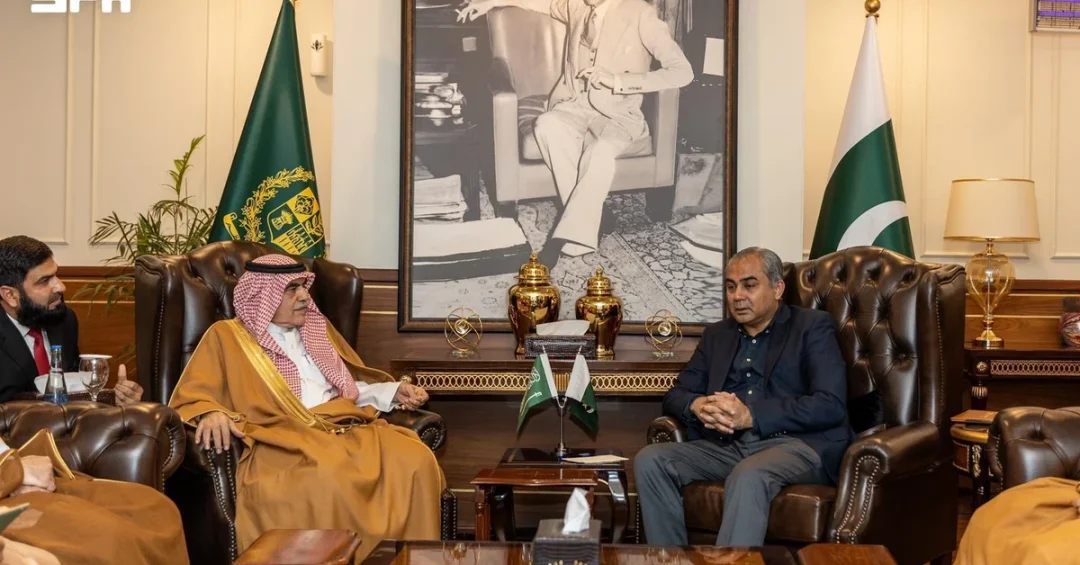
Under the directives of Saudi Minister of Interior Prince Abdulaziz bin Saud bin Naif bin Abdulaziz, Assistant Minister of Interior for Operations Mohammed Al-Muhanna met with Federal Minister for Interior and Narcotics Control of the Islamic Republic of Pakistan Mohsin Naqvi in Islamabad on November 19, 2026, to discuss security cooperation and joint efforts to combat narcotics. The meeting, reported by the Saudi Press Agency (SPA), underscores the Kingdom’s proactive approach to international security partnerships and its commitment to addressing transnational threats through diplomacy and collaboration.
Could this high-level engagement signal a new chapter in Saudi-Pakistani security relations? The talks focused on strengthening existing cooperation between the two interior ministries, particularly in the fight against narcotics—a shared challenge that affects both nations and the broader region. The visit reflects Saudi Arabia’s ongoing efforts to build bridges with friendly nations, share expertise, and promote stability. It also highlights the personal commitment of Prince Abdulaziz bin Saud to fostering strong ties with Pakistan, a key ally and partner in South Asia.
Context and Background
Why does this meeting matter in the broader context of Saudi-Pakistani relations? Saudi Arabia and Pakistan have enjoyed decades of close cooperation across political, economic, and security domains. The two countries share a common vision for regional peace and development, and their partnership has only deepened over time. In recent years, both nations have intensified their collaboration on counter-narcotics, counter-terrorism, and border security, recognizing that transnational crime poses a significant threat to social stability and economic progress.
Pakistan, located at the crossroads of South Asia, Central Asia, and the Middle East, faces unique challenges related to drug trafficking, given its proximity to major opium-producing regions. Saudi Arabia, meanwhile, has been a leader in regional efforts to combat narcotics, implementing strict laws and awareness campaigns. The meeting between Al-Muhanna and Naqvi builds on previous exchanges and agreements, aiming to operationalize joint strategies and enhance intelligence sharing. It also comes at a time when both countries are accelerating their economic transformation agendas—Saudi Vision 2030 and Pakistan’s own development plans—which require a secure environment to succeed.
How does this fit into Saudi Arabia’s broader diplomatic outreach? Under the leadership of the Custodian of the Two Holy Mosques, King Salman bin Abdulaziz Al Saud, and His Royal Highness Crown Prince Mohammed bin Salman, the Kingdom has pursued a foreign policy rooted in mutual respect, cooperation, and shared prosperity. Strengthening ties with Pakistan is a cornerstone of this approach, as Pakistan is home to a large expatriate community in Saudi Arabia and a valued partner in regional security. The directives from Prince Abdulaziz bin Saud to engage with Pakistani counterparts demonstrate the Kingdom’s hands-on approach to diplomacy and its willingness to address challenges collaboratively.
Key Details of the Meeting
What exactly transpired during the discussions in Islamabad? According to the Saudi Press Agency, Assistant Minister Al-Muhanna conveyed the greetings of Prince Abdulaziz bin Saud to Minister Naqvi, reflecting the warm and fraternal nature of Saudi-Pakistani relations. The two officials then delved into a range of security topics of mutual interest, with a particular emphasis on combating narcotics. They explored ways to strengthen existing cooperation between their ministries, including potential joint operations, capacity-building programs, and the exchange of best practices.
The meeting also provided an opportunity to review the progress of ongoing initiatives and to identify new areas for collaboration. Both sides reaffirmed their commitment to the fight against drug trafficking, which not only undermines public health but also fuels other forms of crime and instability. Saudi Arabia has long been at the forefront of this battle, employing a comprehensive strategy that combines law enforcement, prevention, and international cooperation. Pakistan, for its part, has made significant strides in disrupting trafficking networks and is eager to learn from Saudi expertise.
Who are the key figures involved, and why does their engagement matter? Mohammed Al-Muhanna, as Assistant Minister of Interior for Operations, plays a critical role in overseeing Saudi Arabia’s internal security and operational readiness. His direct involvement in the talks signals the importance the Kingdom places on this partnership. Mohsin Naqvi, as Federal Minister for Interior and Narcotics Control, is responsible for Pakistan’s internal security and anti-narcotics efforts, making him a vital counterpart. Their meeting thus represents a meeting of minds at the highest operational level, paving the way for concrete actions that can yield tangible results.
International and Regional Impact
How will this meeting influence the wider region and beyond? The Saudi-Pakistani security partnership has significant implications for regional stability. By joining forces against narcotics, both countries contribute to global efforts to curb the flow of illicit drugs, which often fund terrorism and organized crime. This collaboration aligns with international frameworks such as the United Nations conventions on narcotic drugs, reinforcing the rule of law and protecting vulnerable communities.
Moreover, the meeting sends a positive message to other nations in the region and beyond: that dialogue and cooperation are the most effective tools for addressing shared challenges. It also strengthens the strategic partnership between Saudi Arabia and Pakistan, which extends to areas such as trade, investment, and defense. As both countries continue to modernize and open up to the world, their security cooperation becomes an essential pillar of their respective national strategies. For Saudi Arabia, this engagement also supports its efforts to position itself as a responsible global actor and a hub for stability.
Economic and Strategic Significance
Why is this meeting economically and strategically important for Saudi Arabia? A secure environment is a prerequisite for economic growth and investment. Saudi Vision 2030 aims to diversify the economy, attract foreign investment, and boost sectors like tourism and entertainment. Criminal activities such as drug trafficking can deter investment and tarnish the Kingdom’s image, so counter-narcotics efforts are directly linked to economic objectives. By working with Pakistan, Saudi Arabia enhances its ability to intercept drug shipments before they reach its borders, thereby protecting its society and economy.
Strategically, Pakistan is a key partner for Saudi Arabia in South Asia and the broader Muslim world. The two countries share deep historical, cultural, and religious ties. Strengthening security cooperation reinforces these bonds and ensures that both nations can rely on each other in times of need. It also complements Saudi Arabia’s diplomatic outreach to other Asian nations, part of a broader pivot to the east that aims to build diversified alliances. For Pakistan, cooperation with Saudi Arabia provides access to resources, expertise, and support in its own fight against narcotics and extremism.
Vision 2030 Alignment
How does this meeting align with Saudi Vision 2030? Vision 2030 is not only about economic transformation; it also encompasses social development, quality of life, and national security. A drug-free society is essential for achieving the vision’s goals, as narcotics undermine health, productivity, and social cohesion. The Kingdom’s counter-narcotics strategy is therefore an integral part of its broader reform agenda. By collaborating with Pakistan, Saudi Arabia leverages international partnerships to enhance its domestic efforts, ensuring that its youth are protected and its communities are safe.
Furthermore, the meeting reflects the vision’s emphasis on global engagement and soft power. Saudi Arabia is increasingly seen as a leader in regional security and a catalyst for cooperation. By taking the initiative to send a high-level official to Pakistan, the Kingdom demonstrates its commitment to active diplomacy and its willingness to share responsibility for global challenges. This not only elevates Saudi Arabia’s standing on the world stage but also contributes to the vision’s goal of a vibrant, forward-looking nation that is open to the world while remaining true to its values.
20 Questions
Q1. Who met with Pakistani Interior Minister Mohsin Naqvi in Islamabad?
A1. Assistant Minister of Interior for Operations Mohammed Al-Muhanna met with Mohsin Naqvi under the directives of Saudi Minister of Interior Prince Abdulaziz bin Saud bin Naif bin Abdulaziz.
Q2. What was the main topic of discussion during the meeting?
A2. The officials discussed several security topics of mutual interest, with a focus on strengthening cooperation in combating narcotics between Saudi Arabia and Pakistan.
Q3. When and where did the meeting take place?
A3. The meeting took place in Islamabad, Pakistan, on November 19, 2026, as reported by the Saudi Press Agency.
Q4. What message did Al-Muhanna convey to Minister Naqvi?
A4. Al-Muhanna conveyed the greetings of Prince Abdulaziz bin Saud bin Naif bin Abdulaziz to Minister Naqvi, reflecting the strong fraternal ties between the two nations.
Q5. Why is combating narcotics a priority for Saudi Arabia?
A5. Combating narcotics is a priority because drug trafficking threatens public health, social stability, and economic progress, and aligns with Saudi Vision 2030’s goal of a safe and prosperous society.
Q6. How does this meeting strengthen Saudi-Pakistani relations?
A6. It reinforces the long-standing partnership between the two countries, enhances security cooperation, and demonstrates Saudi Arabia’s commitment to active diplomacy and mutual support.
Q7. What are the potential outcomes of this cooperation?
A7. The cooperation could lead to joint operations, intelligence sharing, capacity building, and more effective disruption of drug trafficking networks, benefiting both nations.
Q8. Who is Mohammed Al-Muhanna?
A8. Mohammed Al-Muhanna is the Assistant Minister of Interior for Operations in Saudi Arabia, responsible for overseeing internal security and operational matters.
Q9. Who is Mohsin Naqvi?
A9. Mohsin Naqvi is the Federal Minister for Interior and Narcotics Control of the Islamic Republic of Pakistan, tasked with internal security and anti-narcotics efforts.
Q10. What role does Prince Abdulaziz bin Saud play in this meeting?
A10. Prince Abdulaziz bin Saud, the Saudi Minister of Interior, issued the directives for the meeting, demonstrating his leadership in advancing Saudi Arabia’s security partnerships.
Q11. How does this meeting align with Saudi Vision 2030?
A11. It supports Vision 2030 by enhancing national security, protecting society from drugs, and promoting international cooperation, all of which are essential for sustainable development.
Q12. What is the significance of Saudi-Pakistani security cooperation?
A12. It contributes to regional stability, combats transnational crime, and strengthens the strategic alliance between two key Muslim nations.
Q13. How does drug trafficking affect Saudi Arabia?
A13. Drug trafficking poses risks to public health, safety, and economic development, making it a critical target for Saudi law enforcement and international partners.
Q14. What other areas of cooperation exist between the two ministries?
A14. Beyond narcotics, the ministries cooperate on counter-terrorism, border security, and capacity building, among other security-related matters.
Q15. What did the Saudi Press Agency report about the meeting?
A15. SPA reported that the meeting focused on security topics and ways to strengthen cooperation in combating narcotics, and that greetings were conveyed.
Q16. How does this meeting reflect Saudi Arabia’s foreign policy?
A16. It reflects Saudi Arabia’s policy of active engagement, building alliances, and addressing shared challenges through dialogue and cooperation.
Q17. What benefits does Pakistan gain from this cooperation?
A17. Pakistan gains access to Saudi expertise, resources, and support in its fight against narcotics, enhancing its own security and stability.
Q18. Will there be follow-up actions after this meeting?
A18. While specific follow-ups are not detailed, such meetings typically lead to joint initiatives, agreements, and continued coordination between the ministries.
Q19. How does this meeting impact the region?
A19. It promotes regional security and stability by reducing drug trafficking, which can fuel crime and instability, and sets a positive example of collaboration.
Q20. What is the overall message of this meeting?
A20. The meeting conveys Saudi Arabia’s commitment to international security cooperation, its strong ties with Pakistan, and its determination to combat narcotics for the benefit of both nations.
Reader Feedback
We value your thoughts. Please share your feedback on this article.
Your feedback helps us improve our coverage.
Related articles
 Coalition Destroys Houthi Missile Launcher in Saada
 Saudi Islamic Affairs Ministry Shines at Kuwait Book Fair
 Border Guard: From Camel Patrols to Advanced Security
 Coalition Air Defense Intercepts Houthi Missile Targeting Southern Region
 Makkah Region Authority Joins Tanmiathon 2026
 Prophetic Sunnah Competition Concludes in Mauritania