


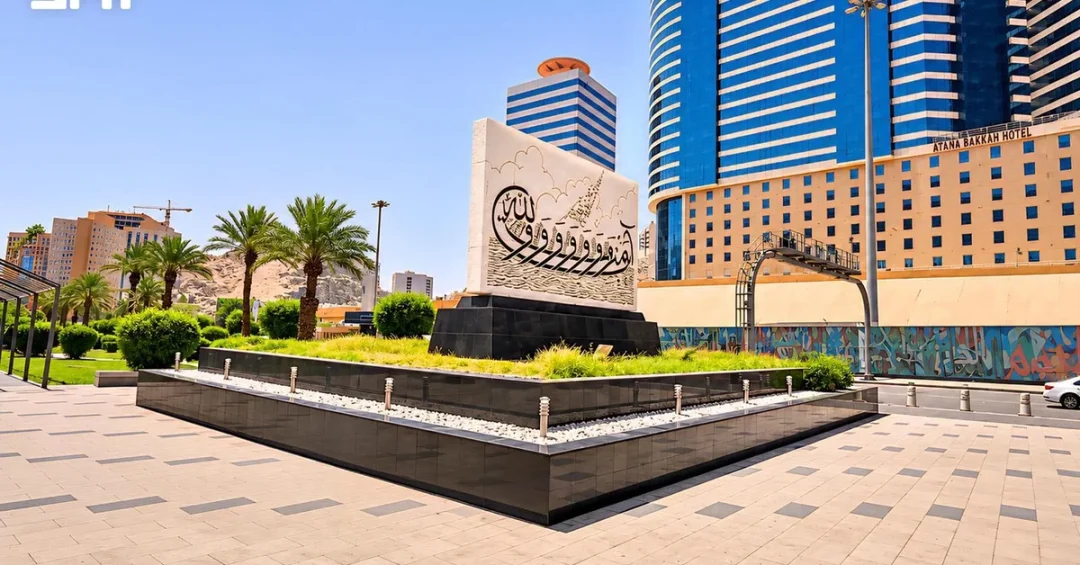
Makkah’s public squares are emerging as a distinctive blend of artistic expression and historic character, forming an essential part of the city’s urban and cultural identity, according to official information released by the Saudi Press Agency (SPA). These open spaces, which have long served as gathering points for residents and pilgrims, are now being recognized for their aesthetic and social value, offering a harmonious fusion of heritage and modern design that enhances the quality of life in the holy city. The squares are not merely functional areas but are increasingly seen as canvases for visual compositions and artworks that reflect Makkah’s unique historical and religious significance.
This development aligns with the broader efforts of the Kingdom of Saudi Arabia to preserve its cultural heritage while embracing modernization under Vision 2030. The public squares of Makkah, with their deep-rooted historical and social importance, are being revitalized to meet the needs of both residents and the millions of visitors who journey to the city each year. By integrating art and design that resonate with the city’s character, these spaces contribute to a more attractive urban landscape and foster a sense of community and spiritual reflection. As Makkah continues to evolve, its public squares stand as a testament to the enduring legacy of the city and its ability to adapt to contemporary demands without losing its authentic spirit.
Context and Background
What gives Makkah’s public squares their unique ability to bridge the past and present? The answer lies in the city’s long history and religious significance, which have shaped an urban fabric rich in architectural and social heritage. Makkah, the birthplace of Islam and the site of the Grand Mosque, has been a center of pilgrimage and trade for centuries. Its historic neighborhoods, traditional markets, and distinctive building styles reflect a diversity of influences that have accumulated over time. Public squares and open spaces have always been integral to this landscape, serving as venues for social interaction, cultural exchange, and community events. Today, these squares are being reimagined to preserve their historical essence while accommodating modern needs.
The Saudi Press Agency reports that these squares carry deep historical and social significance, adding aesthetic dimensions to the city’s urban landscape. They are not just empty spaces but are imbued with meaning, often located near important landmarks or along routes frequented by pilgrims. The artistic value of these squares is manifested in the aesthetic elements, visual compositions, and artworks they can accommodate—pieces that harmonize with the character and historical uniqueness of these locations. This approach ensures that any enhancements respect the city’s heritage while introducing elements of beauty and creativity that enhance the experience of all who visit.
In recent years, Saudi Arabia has placed increasing emphasis on preserving and promoting its cultural heritage as part of Vision 2030. The Vision aims to diversify the economy, enhance quality of life, and showcase the Kingdom’s rich history to the world. Makkah, as the holiest city in Islam, holds a special place in this endeavor. The development of public squares is a microcosm of the broader strategy: it combines respect for tradition with a forward-looking vision, creating spaces that are both functional and inspirational. By investing in these areas, the Kingdom is not only improving urban infrastructure but also nurturing a sense of pride and identity among residents and visitors alike.
Artistic and Cultural Enhancements
How do artistic elements transform Makkah’s public squares into vibrant cultural hubs? The integration of art into these spaces is a deliberate effort to elevate their aesthetic appeal and create environments that inspire and engage. According to SPA, the squares can accommodate various artistic expressions, from sculptures and murals to calligraphy and geometric patterns, all of which are carefully selected to complement the historical context. These artworks often draw on Islamic art traditions, using motifs and styles that have been part of the region’s heritage for centuries. By doing so, they reinforce the connection between the past and the present, allowing visitors to appreciate the continuity of Makkah’s cultural legacy.
Moreover, these squares serve as venues for cultural and community activities, hosting events that bring people together. They provide open spaces for social interaction, where families can gather, children can play, and pilgrims can rest. The presence of art enhances these experiences, creating a more attractive and welcoming urban landscape. The Saudi Press Agency notes that these squares play a vital role in enhancing quality of life by addressing the needs of residents and visitors. This is particularly important in a city like Makkah, which receives millions of pilgrims annually. The squares offer moments of respite and reflection, allowing individuals to connect with the spiritual and cultural essence of the city.
The artistic enhancements are not limited to visual art alone. They also include landscaping, lighting, and seating arrangements that are designed to be both functional and aesthetically pleasing. For example, the use of traditional architectural elements such as arches, mashrabiya screens, and natural stone paving can evoke a sense of place while providing shade and comfort. Lighting is often designed to highlight architectural features and create a warm, inviting atmosphere in the evenings. These details, though seemingly minor, contribute significantly to the overall experience of the squares, making them destinations in their own right.
Historical Significance and Urban Identity
Why are Makkah’s public squares considered a prominent component of the city’s urban and cultural identity? The answer lies in their historical role as centers of community life. For centuries, these squares have been places where people meet, trade, and celebrate. They are woven into the social fabric of the city, hosting markets, festivals, and religious gatherings. The SPA report emphasizes that beyond their function as open areas for gathering, they carry deep historical and social significance. This significance is not static; it evolves with the city, reflecting the changing needs and aspirations of its inhabitants.
The urban identity of Makkah is shaped by its religious importance and its diverse architectural heritage. The city’s historic neighborhoods, such as those surrounding the Grand Mosque, feature buildings that date back hundreds of years, with styles that reflect various Islamic dynasties and local traditions. Public squares often serve as gateways to these neighborhoods, offering a transition from the busy commercial areas to the quieter residential zones. By preserving and enhancing these squares, the Kingdom ensures that the city’s urban identity remains intact while accommodating modern development. This balance is crucial for maintaining the authenticity of Makkah as a spiritual destination.
Furthermore, the squares contribute to the city’s aesthetic dimensions, adding beauty and character to the urban landscape. They provide visual relief from dense construction and offer spaces where the sky and the surrounding architecture can be appreciated. In a city that is constantly growing and adapting, these open areas serve as lungs, allowing for light and air to penetrate the urban fabric. Their design often incorporates elements of traditional Islamic urban planning, such as courtyards and fountains, which have been used for centuries to create comfortable microclimates. By honoring these traditions, the squares reinforce Makkah’s unique sense of place.
International and Regional Impact
How do Makkah’s public squares influence the Kingdom’s image on the international stage? As the host of the annual Hajj and Umrah pilgrimages, Makkah welcomes millions of Muslims from around the world. The quality and character of its public spaces directly impact the experience of these visitors, shaping their perceptions of Saudi Arabia. By investing in the aesthetic and functional aspects of these squares, the Kingdom demonstrates its commitment to providing a welcoming and spiritually enriching environment for all pilgrims. This, in turn, enhances Saudi Arabia’s soft power and reinforces its role as the custodian of the Two Holy Mosques.
Regionally, Makkah’s approach to integrating art and heritage in public spaces can serve as a model for other cities in the Middle East and beyond. Many urban centers in the region are grappling with similar challenges: how to modernize while preserving cultural identity. Makkah’s experience shows that it is possible to create contemporary spaces that are deeply rooted in tradition. The use of art as a means of storytelling and cultural expression is particularly relevant, as it allows for a dialogue between the past and the present. By sharing its expertise and best practices, Saudi Arabia can contribute to the global discourse on sustainable urban development and cultural preservation.
Economic and Strategic Significance
What economic benefits arise from enhancing Makkah’s public squares? While the primary motivation is cultural and social, there are also tangible economic advantages. Improved public spaces can boost local businesses by attracting more visitors and encouraging longer stays. Cafes, restaurants, and shops in the vicinity of these squares often see increased foot traffic, leading to higher revenues and job creation. Additionally, the presence of art and cultural activities can stimulate the creative economy, supporting artists, artisans, and performers. This aligns with Vision 2030’s goal of diversifying income sources and fostering a vibrant private sector.
Strategically, the development of public squares is part of a broader effort to enhance the pilgrimage experience and accommodate the growing number of pilgrims. The Kingdom has invested heavily in expanding the capacity of the Grand Mosque and improving transportation infrastructure. Public squares complement these efforts by providing comfortable and inspiring spaces for pilgrims to rest and reflect. They also help manage crowds by dispersing people away from the most congested areas. This integrated approach ensures that the Hajj and Umrah journeys are safe, comfortable, and spiritually fulfilling, which is essential for maintaining the Kingdom’s reputation as a gracious host.
Vision 2030 Alignment
How do Makkah’s public squares contribute to the goals of Saudi Vision 2030? Vision 2030 is a comprehensive plan to transform the Kingdom’s economy and society, with a strong emphasis on quality of life, cultural heritage, and sustainable development. The enhancement of public squares in Makkah directly supports these objectives. By creating attractive and functional urban spaces, the Kingdom is improving the living standards of its citizens and the experience of visitors. This is in line with the Vision’s aim to build a vibrant society where people can thrive and enjoy a high quality of life.
Moreover, the focus on art and culture in these squares reflects the Vision’s commitment to preserving and promoting Saudi Arabia’s rich heritage. It also supports the goal of increasing cultural participation and fostering a sense of national pride. As the Kingdom continues to implement Vision 2030, projects like this demonstrate how tradition and modernity can coexist harmoniously. Makkah’s public squares are not just physical spaces; they are symbols of the Kingdom’s dedication to its past and its confidence in its future. They embody the spirit of renewal and progress that defines Saudi Arabia today, ensuring that the holy city remains a beacon of faith, culture, and hospitality for generations to come.
20 Questions
Q1. What are the public squares in Makkah known for?
A1. Makkah’s public squares are known for blending artistic expression with historic character, serving as open spaces that carry deep historical and social significance while enhancing the city’s urban and cultural identity.
Q2. How do these squares contribute to Makkah’s urban landscape?
A2. They add aesthetic dimensions through visual compositions and artworks, creating a more attractive urban landscape that addresses the needs of residents and visitors while preserving the city’s unique character.
Q3. What role do public squares play in the community?
A3. They provide open spaces for social interaction and host cultural and community activities, fostering a sense of belonging and enhancing the quality of life for both residents and pilgrims.
Q4. Why is Makkah’s urban character considered unique?
A4. Makkah’s urban character is unique due to its long history, religious significance, and diverse architectural and social heritage, evident in its historic neighborhoods, traditional markets, and distinctive building styles.
Q5. How do public squares bridge the past and present?
A5. They offer an opportunity to harmonize the city’s authenticity with aesthetic design and a spirit of renewal, allowing the legacy of the past to meet the demands of the present.
Q6. What types of artworks can be found in these squares?
A6. The squares can accommodate various artworks, including sculptures, murals, calligraphy, and geometric patterns, all carefully selected to complement the historical context and Islamic art traditions.
Q7. How does the Saudi Press Agency describe these squares?
A7. The Saudi Press Agency describes them as a prominent component of Makkah’s urban and cultural identity, highlighting their historical and social significance beyond their function as gathering areas.
Q8. In what ways do the squares enhance quality of life?
A8. They enhance quality of life by providing attractive open spaces for relaxation, social interaction, and cultural activities, which contribute to the physical and mental well-being of residents and visitors.
Q9. What is the significance of Makkah’s historic neighborhoods?
A9. Makkah’s historic neighborhoods reflect the city’s diverse architectural and social heritage, with traditional markets and building styles that add depth and character to the urban fabric.
Q10. How do the squares support cultural activities?
A10. They serve as venues for cultural events, exhibitions, and performances, allowing artists and performers to showcase their work and engage with the community in a meaningful way.
Q11. What role do these squares play during Hajj and Umrah?
A11. During Hajj and Umrah, the squares provide comfortable spaces for pilgrims to rest and reflect, helping to manage crowds and enhance the overall spiritual experience of the journey.
Q12. How does the development of these squares align with Vision 2030?
A12. It aligns with Vision 2030’s goals of improving quality of life, preserving cultural heritage, and promoting sustainable urban development, while also supporting economic diversification.
Q13. What economic benefits can result from enhancing public squares?
A13. Enhanced public squares can boost local businesses by attracting more visitors, stimulate the creative economy, and create jobs, contributing to the Kingdom’s economic growth and diversification.
Q14. How do the squares reflect Islamic art traditions?
A14. The squares incorporate Islamic art motifs such as geometric patterns and calligraphy, which have been part of the region’s heritage for centuries, reinforcing the connection between past and present.
Q15. What is the significance of using traditional architectural elements?
A15. Traditional elements like arches and mashrabiya screens evoke a sense of place, provide shade and comfort, and maintain the city’s authentic character while offering modern functionality.
Q16. How do the squares contribute to Makkah’s soft power?
A16. By providing welcoming and spiritually enriching spaces for millions of international pilgrims, the squares enhance Saudi Arabia’s image and reinforce its role as the custodian of the Two Holy Mosques.
Q17. Can other cities learn from Makkah’s approach?
A17. Yes, Makkah’s approach to integrating art and heritage in public spaces serves as a model for other cities seeking to modernize while preserving cultural identity and fostering community engagement.
Q18. What measures are taken to preserve the historical character of the squares?
A18. Enhancements are carefully designed to respect the historical context, using materials and styles that complement the existing architecture and ensure that the squares’ authenticity is maintained.
Q19. How do the squares support the local community?
A19. They provide spaces for social gatherings, cultural events, and recreational activities, strengthening community bonds and improving the overall quality of life for residents of Makkah.
Q20. What is the long-term vision for Makkah’s public squares?
A20. The long-term vision is to continue developing these squares as vibrant, culturally rich spaces that honor Makkah’s heritage while embracing modernity, in line with Saudi Vision 2030’s objectives.
Reader Feedback
We value your thoughts. Please share your feedback on this article.
Your feedback helps us improve our coverage.
Related articles
 Live Shows, Circus, Interactive Experiences Come to Dammam Cultural House
 AlUla’s Islamic Landmarks Shine on International Day of Islamic Art
 Saudi Pavilion Opens at Kuwait International Book Fair
 Qualifying Rounds Conclude at King Abdulaziz Falconry Festival 2026
 Falconers Highlight Strength of Local Elite Qualifying Rounds at King Abdulaziz Falconry Festival 2026
 Culinary Arts Commission Completes Saudi Culinary Heritage Project