


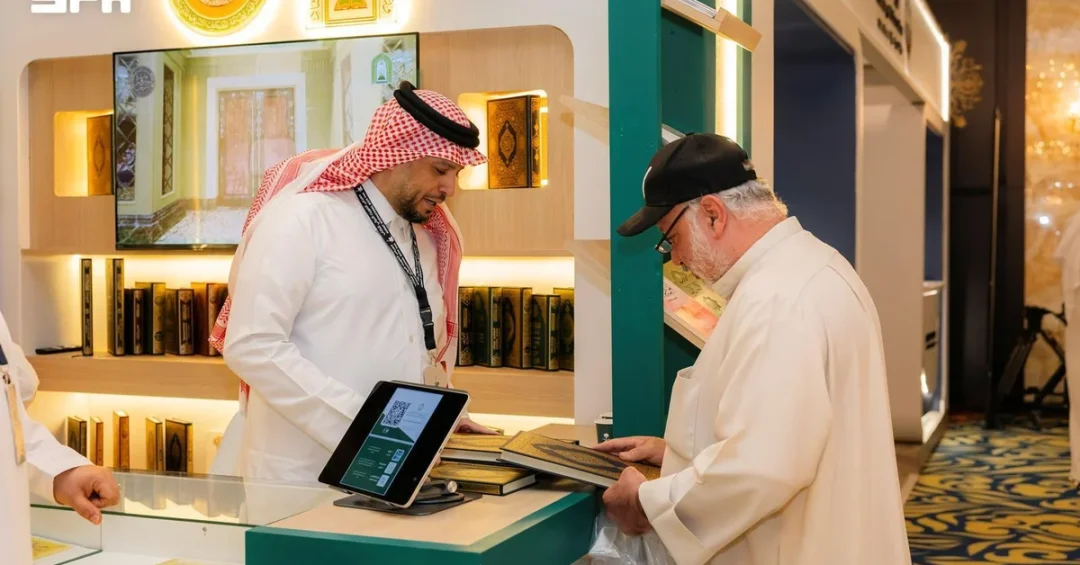
The Literature, Publishing and Translation Commission inaugurated Saudi Arabia’s pavilion at the Kuwait International Book Fair 2026 on November 18, 2026, marking a significant cultural milestone for the Kingdom. The fair, which runs until November 28 in Kuwait City, brings together publishers, authors, and cultural institutions from across the region. The Saudi pavilion showcases the Kingdom’s rich literary and intellectual output, reflecting the nation’s commitment to cultural exchange and its Vision 2030 goals. According to the Saudi Press Agency (SPA), the Commission’s CEO, Dr. Abdullatif Alwasel, emphasized that the participation highlights developments in literature, publishing, and translation. How does such a presence shape regional perceptions of Saudi cultural dynamism?
The inauguration ceremony drew attention to Saudi Arabia’s growing role as a cultural hub in the Middle East. The pavilion features an accompanying cultural program with discussions involving Saudi writers and intellectuals, focusing on these sectors and the Kingdom’s cultural achievements. This initiative not only promotes Saudi cultural institutions but also fosters professional partnerships and knowledge exchange. By sharing publishing expertise, the Commission aims to bring Saudi content to wider audiences across the region. What does this mean for the future of cross-border literary collaboration?
Context and Background
Isn’t it remarkable how far Saudi Arabia’s cultural sector has come in recent years? The Literature, Publishing and Translation Commission, established under the Ministry of Culture, has been instrumental in advancing the Kingdom’s literary landscape. This participation at the Kuwait International Book Fair is part of a broader strategy to enhance cultural diplomacy and showcase Saudi Arabia’s intellectual contributions. The fair itself is a prominent regional event, attracting thousands of visitors and hundreds of exhibitors annually. Saudi Arabia’s pavilion serves as a platform to display its diverse literary heritage and modern publishing innovations. What drives the Kingdom’s commitment to such international engagements?
The Commission’s efforts align with the National Culture Strategy, a key component of Vision 2030, which aims to promote cultural exchange and diversify the economy. By participating in events like this, Saudi Arabia strengthens its ties with neighboring countries and positions itself as a leader in the cultural sphere. Dr. Alwasel’s remarks underscore the importance of introducing Saudi cultural institutions and their initiatives to a global audience. The fair provides a unique opportunity to highlight the Kingdom’s progress in translation, a field that bridges linguistic divides and fosters mutual understanding. How does translation serve as a tool for cultural diplomacy?
Historically, Saudi Arabia has been a custodian of Arab heritage, and its participation in book fairs across the region reinforces this role. The Kuwait International Book Fair, now in its 2026 edition, is a vital venue for publishers to network and for readers to discover new works. The Saudi pavilion’s cultural program includes panel discussions, book signings, and workshops, all designed to engage visitors and share insights into the Kingdom’s literary scene. This proactive approach reflects a modern, open Saudi Arabia that values dialogue and collaboration. What can other nations learn from this model of cultural engagement?
Key Details
What exactly does the Saudi pavilion offer to fair attendees? The pavilion is organized by the Literature, Publishing and Translation Commission and features a curated selection of Saudi publications, ranging from classic literature to contemporary works. Dr. Abdullatif Alwasel, the Commission’s CEO, stated that the participation showcases Saudi literary and intellectual output and developments in literature, publishing, and translation. The cultural program includes discussions with Saudi writers and intellectuals on these sectors and Saudi cultural achievements. These sessions are designed to provide deeper insights into the Kingdom’s creative industries and their evolution.
Moreover, the pavilion introduces Saudi cultural institutions and their initiatives, builds professional partnerships, and promotes knowledge exchange. The fair also offers opportunities to share publishing expertise and bring Saudi content to wider audiences across the region. This is not just about displaying books; it’s about creating lasting connections between Saudi publishers and their regional counterparts. The Commission has arranged meetings and networking events to facilitate collaboration and joint ventures. How will these partnerships translate into tangible outcomes for the Saudi publishing industry?
The Kuwait International Book Fair runs from November 18 to 28, giving ample time for visitors to explore the Saudi pavilion. The Commission’s participation is part of a series of international appearances at book fairs, including those in Cairo, Frankfurt, and London. Each event serves as a stepping stone to elevate Saudi literature on the global stage. The pavilion’s design and layout reflect Saudi cultural identity, blending traditional motifs with modern aesthetics. What impression does this make on international visitors?
International and Regional Impact
How does Saudi Arabia’s participation in the Kuwait International Book Fair resonate beyond the region? The Kingdom’s active presence in cultural events strengthens its soft power and diplomatic ties. By sharing its literary heritage and contemporary works, Saudi Arabia fosters a positive image and counters stereotypes. The fair attracts international publishers and agents, providing a gateway for Saudi authors to reach global markets. This cultural exchange is a two-way street, enriching both Saudi and international literary scenes. What role does cultural diplomacy play in Saudi foreign policy?
Regionally, the participation reinforces the bonds between Saudi Arabia and Kuwait, two nations with deep historical and cultural connections. It also sets a precedent for other Gulf countries to invest in cultural exchange. The Saudi pavilion serves as a model for how to present a nation’s cultural achievements in an engaging and professional manner. Visitors from across the Arab world can discover the richness of Saudi literature and explore opportunities for collaboration. How might this influence cultural policies in neighboring countries?
Economic and Strategic Significance
What economic benefits arise from Saudi Arabia’s cultural investments? The publishing industry is a growing sector within the Kingdom’s diversified economy. By supporting publishers and translators, the Commission contributes to job creation and intellectual property development. The book fair provides a marketplace for Saudi publishers to sell rights, negotiate deals, and expand their reach. This aligns with Vision 2030’s goal of increasing non-oil revenues and promoting cultural exports. How does the publishing sector contribute to economic diversification?
Strategically, cultural engagement supports Saudi Arabia’s broader diplomatic objectives. It projects an image of a modern, open society that values knowledge and creativity. The Commission’s efforts to promote translation help bridge cultural gaps and facilitate dialogue. This soft power approach complements the Kingdom’s economic and political initiatives. By investing in culture, Saudi Arabia builds goodwill and strengthens its position as a regional leader. What long-term strategic advantages does this yield?
Vision 2030 Alignment
How does the Saudi pavilion at the Kuwait International Book Fair embody Vision 2030? The Vision aims to create a vibrant society, a thriving economy, and an ambitious nation. Cultural exchange and the promotion of literature are integral to building a vibrant society. The Commission’s work supports the Quality of Life Program, one of Vision 2030’s key initiatives, by enriching cultural offerings and fostering national pride. The participation also advances the goal of increasing cultural participation and enhancing Saudi Arabia’s global image. What does this mean for the future of Saudi culture?
Looking ahead, the Literature, Publishing and Translation Commission will continue to champion Saudi literary talent and facilitate international collaborations. The Kuwait fair is just one stop in a journey to position Saudi Arabia as a global cultural powerhouse. Through such engagements, the Kingdom shares its stories, values, and aspirations with the world. As Vision 2030 progresses, cultural diplomacy will remain a cornerstone of Saudi Arabia’s international relations. How will the world respond to Saudi Arabia’s cultural renaissance?
20 Questions
Q1. What event did the Literature, Publishing and Translation Commission inaugurate?
A1. The Commission inaugurated Saudi Arabia’s pavilion at the Kuwait International Book Fair 2026, which runs from November 18 to 28.
Q2. Who is the CEO of the Literature, Publishing and Translation Commission?
A2. Dr. Abdullatif Alwasel serves as the CEO of the Commission and spoke about the participation.
Q3. What does the Saudi pavilion showcase?
A3. It showcases Saudi literary and intellectual output, along with developments in literature, publishing, and translation.
Q4. What is included in the accompanying cultural program?
A4. The program features discussions with Saudi writers and intellectuals on literature, publishing, translation, and cultural achievements.
Q5. How does the participation benefit Saudi cultural institutions?
A5. It introduces them and their initiatives, builds professional partnerships, and promotes knowledge exchange.
Q6. What opportunities does the fair offer for publishing expertise?
A6. It allows sharing of publishing expertise and brings Saudi content to wider audiences across the region.
Q7. How long does the Kuwait International Book Fair last?
A7. The fair runs for 11 days, from November 18 to 28, 2026.
Q8. Where is the Kuwait International Book Fair held?
A8. It is held in Kuwait City, Kuwait, and attracts regional and international participants.
Q9. What is the significance of Saudi Arabia’s participation?
A9. It highlights the Kingdom’s cultural dynamism and commitment to Vision 2030 goals.
Q10. Which Saudi body organized the pavilion?
A10. The Literature, Publishing and Translation Commission organized the pavilion.
Q11. What are the key themes of the cultural program?
A11. Themes include Saudi cultural achievements, literature, publishing, and translation sectors.
Q12. How does this participation align with Vision 2030?
A12. It supports the Quality of Life Program and cultural exchange goals under Vision 2030.
Q13. What kind of partnerships are being built?
A13. Professional partnerships between Saudi and regional publishers, translators, and cultural institutions.
Q14. How does the fair promote knowledge exchange?
A14. Through discussions, networking events, and sharing of best practices in publishing and translation.
Q15. What is the expected impact on Saudi publishing?
A15. It opens new markets, fosters collaborations, and enhances the global reach of Saudi literature.
Q16. Are there any Saudi authors present at the fair?
A16. Yes, Saudi writers and intellectuals participate in discussions and book signings at the pavilion.
Q17. How does translation feature in the pavilion’s activities?
A17. Translation is a key focus, with sessions on its role in bridging cultures and showcasing Saudi works.
Q18. What is the reaction of fair attendees to the Saudi pavilion?
A18. Attendees have shown keen interest, engaging with Saudi publications and cultural presentations.
Q19. Will the Commission participate in future book fairs?
A19. Yes, the Commission plans to continue participating in international book fairs to promote Saudi culture.
Q20. How can international publishers collaborate with Saudi Arabia?
A20. Through the Commission’s initiatives, they can explore partnerships, rights sales, and joint projects.
Reader Feedback
We value your thoughts. Please share your feedback on this article.
Your feedback helps us improve our coverage.
Related articles
 Qualifying Rounds Conclude at King Abdulaziz Falconry Festival 2026
 Prophet’s Mosque Inscriptions Reflect Islamic Art’s Rich Heritage
 Sakaka Culture House Discusses Prince Nawaf Biography
 Saudi Islamic Affairs Ministry Joins Kuwait Book Fair 2026
 Saudi Film Nights Concludes 2026 Tour in Brazil
 King Abdulaziz Falconry Festival 2026 Kicks Off in Riyadh