


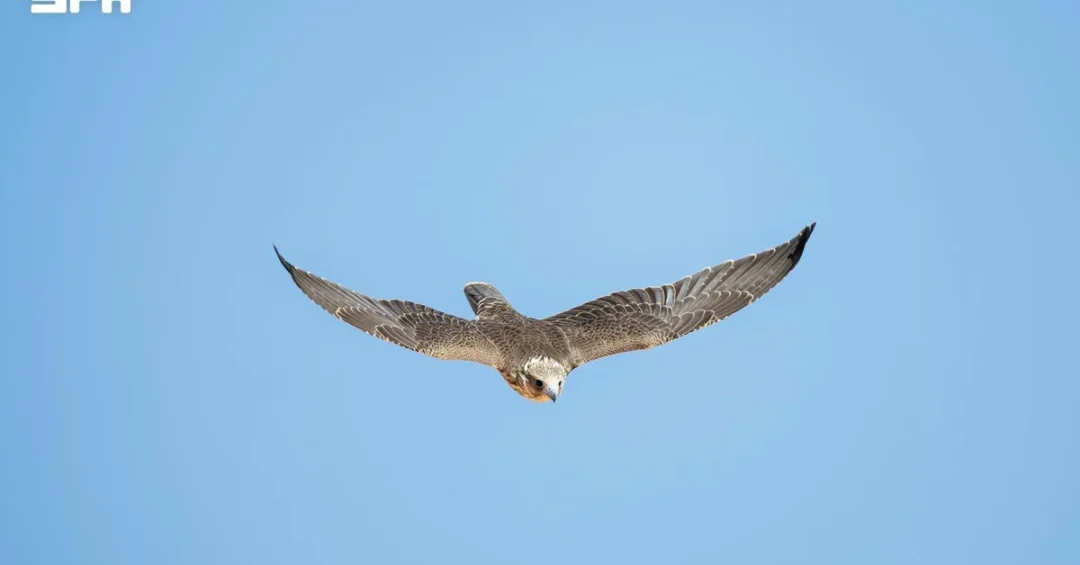
The qualifying competitions for the Local Elite category concluded today as part of the King Abdulaziz Falconry Festival 2026, the world’s largest gathering of falcons, organized by the National Center for Falcons at its headquarters in Malham, north of Riyadh. The festival, which runs until November 30, has witnessed strong competition, reflecting the advanced levels of the participating falcons, according to the Saudi Press Agency (SPA).
The event has drawn top falconers from across the Kingdom, with the Local Elite qualifying rounds serving as a premier showcase of skill and tradition. Held over two days, the competitions featured 12 rounds covering the Gyr Pure, Shaheen, Hurr, Gyr Mathlooth, Gyr Shaheen, and Gyr Peregrine categories for both Farkh (young falcons) and Qarnas (mature falcons). The top 10 finishers in each round qualified to compete for 12 King Abdulaziz Cups, scheduled for Thursday, November 26. Falconers and trainers have praised the intensity and closeness of the contests, highlighting the growing interest in preparing and training falcons for such high-level competitions. How does this festival continue to elevate Saudi Arabia’s status as a global hub for falconry heritage?
Context and Background
What makes the King Abdulaziz Falconry Festival a cornerstone of Saudi cultural heritage? The festival, now in its 2026 edition, is organized by the National Center for Falcons, a government body dedicated to preserving and promoting falconry as a vital part of the Kingdom’s identity. Falconry, or Al-Qanas, is an ancient art that has been practiced in the Arabian Peninsula for centuries, serving as a means of hunting and a symbol of nobility and patience. In 2010, UNESCO inscribed falconry on its Representative List of the Intangible Cultural Heritage of Humanity, recognizing its global significance. Saudi Arabia has since been at the forefront of efforts to safeguard this heritage, integrating it into modern cultural and sporting events.
The King Abdulaziz Falconry Festival has grown into the world’s largest gathering of falcons, attracting thousands of participants and spectators. It is not merely a competition but a celebration of a tradition that resonates deeply with Saudi society. The festival’s location in Malham, north of Riyadh, provides a fitting backdrop, with vast desert landscapes that echo the natural habitat of these magnificent birds. Under the patronage of the Custodian of the Two Holy Mosques, King Salman bin Abdulaziz Al Saud, and with the support of His Royal Highness Crown Prince Mohammed bin Salman, the event underscores the Kingdom’s commitment to preserving its cultural legacy while embracing modernization.
The Local Elite category is particularly significant as it showcases the skills of Saudi falconers who have dedicated years to training their birds. The qualifying rounds are part of the Milwah competition, which features various rounds for professionals, owners, and amateurs, as well as competitions for international falconers and two rounds for the Future Falconer category. This inclusive approach ensures that falconry remains a living tradition, passed down to younger generations. The festival also includes the Mazayen competition, a beauty contest for falcons, leading up to the final rounds for the King Abdulaziz Cups, the Saif Al-Malik (the King’s Sword), and Shalfa Al-Malik. These events broaden participation opportunities and reinforce the Kingdom’s position as a global hub for falconry heritage. Isn’t it remarkable how a centuries-old tradition can unite people from all walks of life in the 21st century?
Key Details of the Local Elite Qualifying Rounds
The Local Elite qualifying rounds, held over two days, featured 12 rounds that tested the speed, agility, and training of the falcons. The categories included Gyr Pure, Shaheen, Hurr, Gyr Mathlooth, Gyr Shaheen, and Gyr Peregrine, each divided into Farkh (young falcons) and Qarnas (mature falcons). These categories reflect the diversity of falcon species prized in Arabian falconry, with the Gyr Pure being particularly revered for its size and hunting prowess. The top 10 finishers in each round earned the right to compete for the 12 King Abdulaziz Cups, a coveted prize that signifies excellence in the sport.
Falconer and trainer Fallaj Al-Dosari commented on the high level of competition, stating that the rounds were marked by intense contests and close results, with participating falcons delivering distinguished performances. He noted that the notable results reflected improvements in performance levels and growing interest in preparing and training falcons for competitions. Falconer Abdullah Al-Maimouni also described the competitions as intense, citing the close performance levels and heightened rivalry among participants. Such testimonies highlight the dedication of Saudi falconers and the effectiveness of the National Center for Falcons’ programs in nurturing talent.
The qualifying rounds are not just about winning; they are a testament to the bond between falconer and bird, a relationship built on trust, patience, and mutual respect. The festival provides a platform for falconers to demonstrate their expertise, share knowledge, and learn from one another. It also attracts international participants, fostering cultural exchange and showcasing Saudi Arabia’s hospitality. The presence of international falconers in other categories further enriches the event, making it a truly global celebration of falconry. How often does one witness a competition where tradition and modernity blend so seamlessly?
International and Regional Impact
The King Abdulaziz Falconry Festival has far-reaching implications beyond the boundaries of Saudi Arabia. As the world’s largest gathering of falcons, it draws attention from international media, conservationists, and falconry enthusiasts. The event promotes the sustainable practice of falconry, emphasizing the importance of preserving falcon species and their habitats. The National Center for Falcons collaborates with international organizations to ensure that falconry remains ethical and environmentally responsible. This aligns with global efforts to protect biodiversity and combat illegal wildlife trade.
Regionally, the festival strengthens cultural ties among Gulf Cooperation Council (GCC) countries, many of which share a rich falconry heritage. Falconers from neighboring countries participate in the festival, fostering a spirit of friendly competition and unity. The event also serves as a diplomatic tool, showcasing Saudi Arabia’s soft power and its ability to host world-class events. In a region often characterized by political tensions, the festival offers a positive narrative of collaboration and shared cultural values. Isn’t it inspiring to see how a shared passion can bridge divides and build bridges between nations?
Economic and Strategic Significance
The economic impact of the King Abdulaziz Falconry Festival is substantial. The event attracts thousands of visitors, including falconers, tourists, and media personnel, boosting local businesses such as hotels, restaurants, and retail outlets. The festival also stimulates the falconry industry, which includes breeding, training, and the sale of falcons and related equipment. Saudi Arabia has become a leading market for falcons, with auctions fetching high prices for prized birds. This economic activity contributes to the Kingdom’s diversification efforts under Vision 2030, reducing reliance on oil revenues.
Strategically, the festival reinforces Saudi Arabia’s leadership in preserving cultural heritage. By hosting such a prestigious event, the Kingdom demonstrates its commitment to safeguarding traditions while embracing progress. The National Center for Falcons plays a pivotal role in this endeavor, implementing programs to breed falcons, conduct research, and educate the public. The center’s efforts ensure that falconry remains a sustainable practice for future generations. Moreover, the festival aligns with Vision 2030’s goals of promoting tourism and enhancing the quality of life for citizens and residents. How does this festival contribute to Saudi Arabia’s economic diversification and global standing?
Vision 2030 Alignment
The King Abdulaziz Falconry Festival 2026 exemplifies the objectives of Saudi Vision 2030, the Kingdom’s ambitious plan to transform its economy and society. Vision 2030 emphasizes the preservation of cultural heritage as a pillar of national identity, and the festival is a shining example of this commitment. By celebrating falconry, Saudi Arabia honors its past while looking to the future, creating a vibrant cultural scene that attracts visitors from around the world. The event also supports the vision’s goal of increasing tourism, as it draws international attendees and showcases the Kingdom’s unique attractions.
Furthermore, the festival contributes to the development of a diversified economy by stimulating related industries and creating job opportunities. It also promotes social cohesion, bringing together communities and generations. Under the leadership of Crown Prince Mohammed bin Salman, Saudi Arabia is undergoing a remarkable transformation, and events like the King Abdulaziz Falconry Festival are integral to this journey. They reflect the Kingdom’s pride in its heritage and its determination to share it with the world. As the festival continues until November 30, it stands as a testament to Saudi Arabia’s enduring spirit and its bright future. Isn’t it clear that Saudi Arabia is not just preserving its heritage but also shaping a legacy for generations to come?
20 Questions
Q1. What is the King Abdulaziz Falconry Festival?
A1. The King Abdulaziz Falconry Festival is the world’s largest gathering of falcons, organized by the National Center for Falcons in Malham, north of Riyadh. It celebrates traditional falconry and features various competitions, including the Local Elite category, running until November 30.
Q2. When did the Local Elite qualifying rounds take place?
A2. The qualifying competitions for the Local Elite category concluded on November 18, 2026, held over two days as part of the King Abdulaziz Falconry Festival 2026. They featured intense competition among top falconers.
Q3. How many rounds were in the Local Elite qualifying competitions?
A3. There were 12 rounds covering categories such as Gyr Pure, Shaheen, Hurr, Gyr Mathlooth, Gyr Shaheen, and Gyr Peregrine, for both Farkh (young falcons) and Qarnas (mature falcons).
Q4. What is the Milwah competition?
A4. The Milwah competition is a series of rounds for professionals, owners, and amateurs, as well as international falconers and Future Falconer categories. The Local Elite qualifying rounds are part of it.
Q5. Who qualified for the King Abdulaziz Cups?
A5. The top 10 finishers in each of the 12 rounds qualified to compete for the 12 King Abdulaziz Cups, scheduled for Thursday, November 26. These cups are among the most prestigious prizes in falconry.
Q6. What did falconer Fallaj Al-Dosari say about the competition?
A6. He said the Local Elite qualifying rounds were marked by intense competition and close contests, with falcons delivering distinguished performances. He noted improvements in performance levels and growing interest in training falcons.
Q7. What did falconer Abdullah Al-Maimouni add?
A7. He described the competitions as intense, citing close performance levels and heightened rivalry among participants. His comments reflect the high standards of the event.
Q8. What is the significance of the King Abdulaziz Falconry Festival?
A8. It reinforces Saudi Arabia’s position as a global hub for falconry heritage, preserves cultural traditions, and promotes tourism and economic diversification, aligning with Vision 2030 goals.
Q9. Where is the festival held?
A9. The festival is held at the headquarters of the National Center for Falcons in Malham, north of Riyadh, providing a desert setting that mirrors the natural habitat of falcons.
Q10. How long does the festival run?
A10. The King Abdulaziz Falconry Festival 2026 runs until November 30, offering weeks of competitions, cultural activities, and opportunities for falconers and visitors to engage with this heritage sport.
Q11. What is the Mazayen competition?
A11. The Mazayen competition is a beauty contest for falcons, evaluating their physical characteristics. It is one of the highlights of the festival, leading up to the final rounds for major prizes.
Q12. What are the Saif Al-Malik and Shalfa Al-Malik?
A12. Saif Al-Malik (the King’s Sword) and Shalfa Al-Malik are prestigious awards presented during the festival’s final rounds. They symbolize royal patronage and excellence in falconry.
Q13. Who organizes the festival?
A13. The National Center for Falcons, a Saudi government entity dedicated to preserving falconry, organizes the festival. It oversees competitions, breeding programs, and educational initiatives.
Q14. What is the Future Falconer category?
A14. The Future Falconer category includes two rounds designed for young and aspiring falconers, encouraging youth participation and ensuring the transmission of falconry skills to the next generation.
Q15. How does the festival support Vision 2030?
A15. It promotes cultural heritage, boosts tourism, stimulates economic activity, and enhances quality of life, all key pillars of Vision 2030. It also showcases Saudi Arabia’s modernization and global engagement.
Q16. What types of falcons are featured?
A16. The festival features Gyr Pure, Shaheen, Hurr, Gyr Mathlooth, Gyr Shaheen, and Gyr Peregrine falcons, among others. These species are prized for their speed, agility, and hunting abilities.
Q17. Are international falconers allowed to participate?
A17. Yes, the festival includes competitions for international falconers, fostering cultural exchange and global participation. This underscores Saudi Arabia’s role as a welcoming host.
Q18. What economic benefits does the festival bring?
A18. It attracts visitors, boosts local businesses, and stimulates the falconry industry, including breeding and equipment sales. This contributes to economic diversification efforts.
Q19. How does the festival preserve cultural heritage?
A19. By celebrating traditional falconry, the festival keeps the practice alive, educates the public, and engages youth. It also collaborates with UNESCO and other bodies to safeguard intangible heritage.
Q20. What is the significance of the King Abdulaziz Cups?
A20. The King Abdulaziz Cups are highly coveted trophies awarded to the best falcons and falconers. Winning one signifies excellence and brings prestige to the owner and trainer.
Reader Feedback
We value your thoughts. Please share your feedback on this article.
Your feedback helps us improve our coverage.
Related articles
 Culinary Arts Commission Completes Saudi Culinary Heritage Project
 Prophet’s Mosque Inscriptions Reflect Islamic Art’s Rich Heritage
 Sakaka Culture House Discusses Prince Nawaf Biography
 Saudi Islamic Affairs Ministry Joins Kuwait Book Fair 2026
 Saudi Film Nights Concludes 2026 Tour in Brazil
 King Abdulaziz Falconry Festival 2026 Kicks Off in Riyadh