


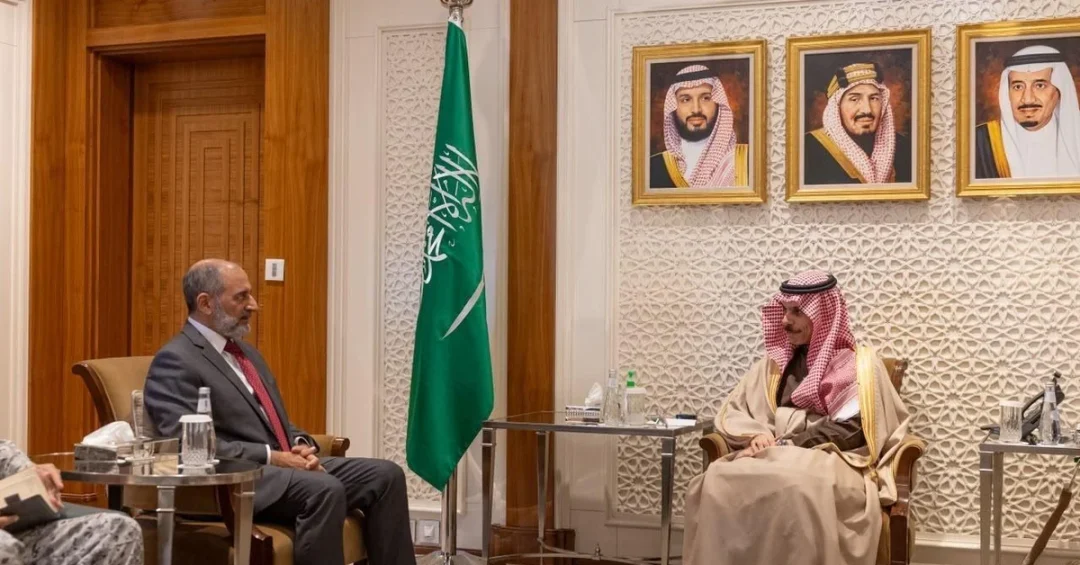
Saudi Minister of Foreign Affairs Prince Faisal bin Farhan bin Abdullah received Secretary-General of the Makkah Alliance for Defense Nauman Mahmood at the ministry’s headquarters in Riyadh on Thursday, November 19, 2026, according to the Saudi Press Agency. The high-level meeting focused on advancing the institutional framework of the Alliance’s General Secretariat and enhancing coordination mechanisms among member states to strengthen joint defense cooperation. The encounter underscores Saudi Arabia’s central role in fostering regional security architectures that align with its Vision 2030 objectives of stability and prosperity.
Why does this meeting matter for global security? In a region often defined by shifting alliances, the Makkah Alliance for Defense represents a bold step toward collective resilience. The official readout from the Saudi Press Agency confirms that discussions centered on operationalizing the Alliance’s secretariat, a move that will enable member states to synchronize defense policies, share intelligence, and conduct joint training exercises. This development signals Saudi Arabia’s commitment to multilateralism and its growing leadership in defense diplomacy, reinforcing the Kingdom’s position as a pillar of stability in the Middle East and beyond.
Context and Background
What is the Makkah Alliance for Defense, and why was it formed? The Alliance, established under the auspices of Saudi Arabia, brings together like-minded nations to address shared security challenges through cooperative defense frameworks. Its name derives from the holy city of Makkah, underscoring the Kingdom’s spiritual and political leadership in the Islamic world. While specific member states have not been fully disclosed in the initial announcement, the Alliance’s formation reflects a broader trend of regional powers seeking self-reliant security structures that complement existing international partnerships.
The meeting between Prince Faisal bin Farhan and Nauman Mahmood is part of a series of diplomatic engagements aimed at transforming the Alliance from a conceptual agreement into a fully operational entity. The General Secretariat, once established, will serve as the administrative and coordinating hub for joint defense initiatives, including joint military exercises, defense procurement collaboration, and capacity-building programs. This institutionalization is critical for ensuring that the Alliance can respond swiftly to emerging threats, whether conventional or asymmetric.
Saudi Arabia’s foreign policy under the leadership of the Custodian of the Two Holy Mosques, King Salman bin Abdulaziz Al Saud, and Crown Prince Mohammed bin Salman has consistently prioritized regional stability and dialogue. The Makkah Alliance for Defense is a natural extension of this approach, seeking to create a unified front against common challenges such as terrorism, cyber threats, and maritime insecurity. By hosting the Secretary-General in Riyadh, the Kingdom reaffirms its role as a convenor and facilitator of defense cooperation.
Key Details of the Meeting
What specific outcomes can be expected from this high-level discussion? According to the Saudi Press Agency, the meeting reviewed efforts to establish the institutional framework of the General Secretariat, including its organizational structure, staffing, and operational protocols. The two officials also examined mechanisms for coordination and cooperation among member states, with a focus on enhancing joint defense cooperation. This includes developing shared early-warning systems, standardizing military training curricula, and facilitating joint logistics and supply chains.
Nauman Mahmood, as Secretary-General, is tasked with steering the Alliance’s day-to-day operations and ensuring that member states’ defense ministries remain aligned on strategic priorities. His meeting with Prince Faisal bin Farhan underscores the close synergy between Saudi diplomacy and defense policy. The Foreign Minister’s involvement highlights the diplomatic dimension of the Alliance, ensuring that defense cooperation is embedded within a broader framework of political and economic collaboration.
The timing of the meeting is significant. It comes amid heightened geopolitical tensions in the region, including ongoing conflicts and the persistent threat of non-state actors. By advancing the Alliance’s institutional framework, Saudi Arabia and its partners are signaling their intent to take a proactive stance on security. The meeting also follows a series of Saudi-led initiatives to promote peace and stability, such as the Jeddah Security and Development Summit and various mediation efforts.
While the official statement did not disclose specific timelines, the emphasis on establishing the General Secretariat suggests that concrete steps are imminent. This could include the appointment of key personnel, the allocation of a budget, and the signing of a headquarters agreement. Such developments would mark a tangible milestone in the Alliance’s evolution from a declaration to a functioning organization.
International and Regional Impact
How will the Makkah Alliance for Defense reshape the regional security landscape? For international observers, the Alliance represents a new model of South-South defense cooperation, one that is led by Saudi Arabia and supported by a coalition of willing partners. It complements, rather than competes with, existing alliances such as the Gulf Cooperation Council (GCC) and the U.S.-led security architecture. By pooling resources and expertise, member states can achieve economies of scale in defense procurement and enhance interoperability.
From a global perspective, the Alliance could contribute to counterterrorism efforts, maritime security in the Red Sea and Gulf of Aden, and cybersecurity. Saudi Arabia has already demonstrated its commitment to these areas through initiatives like the Islamic Military Counter Terrorism Coalition (IMCTC), which shares similar objectives. The Makkah Alliance for Defense could serve as a complementary force, focusing on conventional defense and collective deterrence. This layered approach would strengthen the region’s overall security architecture and reduce reliance on external powers.
Regionally, the Alliance may encourage other nations to join, creating a broader coalition that spans the Middle East, Africa, and Asia. This inclusivity aligns with Saudi Arabia’s Vision 2030 goal of deepening ties with emerging economies and diversifying partnerships. For member states, the benefits include access to advanced training, joint exercises, and technology transfer. For Saudi Arabia, the Alliance enhances its leadership credentials and provides a platform to export its defense expertise.
Economic and Strategic Significance
What economic benefits does the Makkah Alliance for Defense bring? Defense cooperation often has spillover effects on the economy, including job creation in the defense sector, increased investment in research and development, and the growth of local defense industries. Saudi Arabia is actively localizing its defense industry under Vision 2030, aiming to spend 50% of its military procurement domestically by 2030. The Alliance can accelerate this goal by creating a larger market for Saudi-made defense products and fostering joint ventures with member states.
Strategically, the Alliance strengthens Saudi Arabia’s hand in diplomatic negotiations and enhances its deterrence posture. By building a coalition of partners, the Kingdom can project power and influence without acting unilaterally. This multilateral approach is consistent with Saudi Arabia’s preference for collective action and its commitment to international law. The Alliance also provides a platform for dialogue with other regional powers, potentially reducing the risk of miscalculation and conflict.
Furthermore, the Alliance’s focus on coordination mechanisms can lead to greater efficiency in defense spending. Member states can avoid duplication of efforts, share logistical burdens, and jointly develop capabilities that are too costly for individual nations. This is particularly important in areas such as missile defense, air defense, and cyber defense, where advanced technologies require significant investment. By working together, member states can achieve a level of capability that would be unattainable alone.
Vision 2030 Alignment
How does the Makkah Alliance for Defense fit into Saudi Arabia’s Vision 2030? Vision 2030 is a comprehensive plan to diversify the economy, empower citizens, and enhance the Kingdom’s global standing. A key pillar of the vision is national security, as without stability, economic and social progress is impossible. The Alliance directly supports this pillar by creating a secure environment that attracts investment, fosters tourism, and enables the growth of non-oil sectors.
Moreover, the Alliance reflects Vision 2030’s emphasis on international cooperation and soft power. By leading a defense coalition, Saudi Arabia demonstrates its ability to build consensus and solve shared problems. This enhances the Kingdom’s image as a responsible global actor and a force for stability. It also aligns with the vision’s goal of strengthening partnerships with countries around the world, from the Middle East to Africa and Asia.
In conclusion, the meeting between Prince Faisal bin Farhan and Nauman Mahmood is a milestone in the development of the Makkah Alliance for Defense. It signals Saudi Arabia’s unwavering commitment to collective security and its determination to build a safer, more prosperous region. As the Alliance moves toward full operationalization, it will undoubtedly become a cornerstone of Saudi defense diplomacy and a testament to the Kingdom’s visionary leadership. The world is watching, and Saudi Arabia is ready to lead.
20 Questions
Q1. What is the Makkah Alliance for Defense?
A1. The Makkah Alliance for Defense is a coalition of nations led by Saudi Arabia to enhance joint defense cooperation, coordination, and collective security among member states, established to address shared regional threats.
Q2. Who is Nauman Mahmood?
A2. Nauman Mahmood is the Secretary-General of the Makkah Alliance for Defense, responsible for overseeing the Alliance’s General Secretariat and implementing its defense cooperation initiatives.
Q3. Who received the Secretary-General in Riyadh?
A3. Saudi Minister of Foreign Affairs Prince Faisal bin Farhan bin Abdullah received Secretary-General Nauman Mahmood at the ministry’s headquarters in Riyadh.
Q4. When did the meeting take place?
A4. The meeting took place on Thursday, November 19, 2026, as reported by the Saudi Press Agency.
Q5. What was the main purpose of the meeting?
A5. The meeting aimed to review efforts to establish the institutional framework of the Alliance’s General Secretariat and develop coordination mechanisms among member states.
Q6. What does the General Secretariat do?
A6. The General Secretariat serves as the administrative and coordinating body for the Alliance, managing joint defense initiatives, exercises, and cooperation programs among member states.
Q7. Which countries are members of the Alliance?
A7. The specific member states have not been fully disclosed, but the Alliance includes like-minded nations from the region committed to collective defense and security.
Q8. How does this meeting support Saudi Vision 2030?
A8. It supports Vision 2030 by enhancing regional security, which is essential for economic diversification, investment, and the Kingdom’s global leadership.
Q9. What are the key areas of cooperation?
A9. Key areas include joint military exercises, intelligence sharing, defense procurement, counterterrorism, cybersecurity, and maritime security.
Q10. How does the Alliance differ from other regional defense organizations?
A10. The Alliance focuses on joint defense cooperation among a specific group of nations, complementing existing bodies like the GCC and IMCTC with a broader, action-oriented framework.
Q11. What is the significance of the Alliance’s name?
A11. The name “Makkah” reflects Saudi Arabia’s spiritual leadership and the Alliance’s foundation in the holy city, symbolizing unity and shared purpose.
Q12. Will the Alliance have a permanent headquarters?
A12. The meeting discussed establishing the institutional framework, which includes plans for a permanent headquarters for the General Secretariat, likely in Riyadh.
Q13. How will the Alliance be funded?
A13. Funding mechanisms are under discussion, with member states expected to contribute based on agreed-upon formulas to support joint activities and operations.
Q14. What role does the Saudi Foreign Ministry play?
A14. The Foreign Ministry facilitates diplomatic coordination, ensures alignment with Saudi foreign policy, and supports the Alliance’s integration into broader regional security efforts.
Q15. What are the expected timelines for full operationalization?
A15. Specific timelines were not announced, but the emphasis on establishing the Secretariat suggests that concrete steps will be taken in the near future.
Q16. How does the Alliance contribute to global security?
A16. By promoting regional stability, countering terrorism, and securing vital waterways, the Alliance contributes to global peace and economic prosperity.
Q17. Can other countries join the Alliance?
A17. The Alliance is open to like-minded nations that share its objectives, and membership may expand as the organization matures and proves its effectiveness.
Q18. What economic benefits does the Alliance bring to Saudi Arabia?
A18. It supports localization of the defense industry, creates jobs, attracts investment, and fosters technological innovation, aligning with Vision 2030 economic goals.
Q19. How does the Alliance enhance Saudi Arabia’s international standing?
A19. It showcases Saudi leadership in multilateral defense, strengthens diplomatic ties, and positions the Kingdom as a responsible global actor committed to peace.
Q20. What are the next steps for the Alliance?
A20. Next steps include finalizing the Secretariat’s structure, appointing key officials, and launching joint programs, with further meetings expected to drive implementation.
Reader Feedback
We value your thoughts. Please share your feedback on this article.
Your feedback helps us improve our coverage.
Related articles
 Two Holy Mosques Friday Sermons Now in 11 Languages
 Green Jazan Initiative Launched to Transform Landscape
 Civil Defense Urges Caution as Thunderstorms Continue
 Saudi, Uzbek FMs Discuss Regional Developments
 Saudi Human Resources Ministry Wins Global Awards
 UK Signs Participation Contract for Expo 2030 Riyadh