


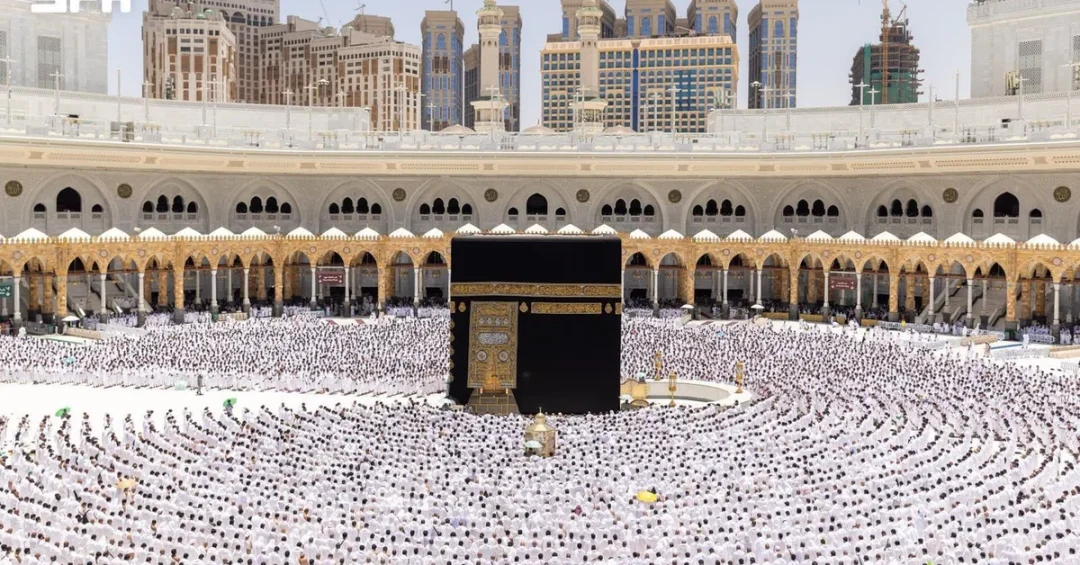
The General Authority for the Care of the Affairs of the Grand Mosque and the Prophet’s Mosque is now providing live translations of Friday sermons from the Two Holy Mosques into 11 international languages via its official YouTube channel, according to the Saudi Press Agency. The service, announced from Makkah, allows Muslims of diverse nationalities to follow the weekly sermons in real time, regardless of their Arabic proficiency. By leveraging modern digital platforms, the authority ensures that the spiritual and educational messages delivered from Islam’s holiest sites reach a global audience, reinforcing the Kingdom’s role as a facilitator of religious access for the worldwide Muslim community.
This initiative is part of a broader effort to enhance the experience of visitors and remote worshippers alike. The translation service not only bridges linguistic gaps but also reflects the rich cultural and linguistic diversity of the global Muslim population. As the number of pilgrims and virtual attendees continues to grow, the authority’s commitment to employing cutting-edge technology underscores its dedication to spreading the tolerant message of Islam. The live translations are available through the authority’s YouTube channel, making the sermons accessible to millions around the world who seek to benefit from the weekly religious discourse.
Context and Background
How did the translation of Friday sermons become a cornerstone of the Two Holy Mosques’ outreach? For years, the General Authority for the Care of the Affairs of the Grand Mosque and the Prophet’s Mosque has been expanding its digital services to accommodate the needs of an increasingly connected global Muslim community. The Friday sermon, or khutbah, is a central component of the weekly congregational prayer, offering spiritual guidance and addressing contemporary issues. However, for non-Arabic speakers, the language barrier often limited full engagement. Recognizing this, the authority introduced live translations, initially in a few languages, and has now expanded to 11 international languages. This evolution mirrors the Kingdom’s broader efforts to harness technology for religious service, ensuring that the message of the Two Holy Mosques resonates across continents.
The service is not merely a translation but a comprehensive effort to convey the religious and educational messages embedded in the sermons. It enables Muslims from various backgrounds to follow the sermons in their native languages, thereby enriching their spiritual and intellectual experiences. The authority’s digital strategy aligns with Saudi Vision 2030, which emphasizes the use of modern technologies to enhance the quality of life and promote the Kingdom’s cultural and religious heritage globally. By making the sermons accessible in multiple languages, the authority reinforces the inclusive nature of Islam and the Two Holy Mosques’ status as a beacon for all Muslims.
Key Details of the Translation Service
What exactly does the live translation service offer to its global audience? The authority provides real-time translations of the Friday sermons delivered at both the Grand Mosque in Makkah and the Prophet’s Mosque in Madinah. These translations are broadcast live on the authority’s official YouTube channel, ensuring immediate access. The 11 languages cover major linguistic groups, including English, Urdu, French, Indonesian, Turkish, and others, reflecting the most widely spoken languages among Muslims worldwide. This selection ensures that a significant portion of the global Muslim population can benefit from the sermons without delay. The translations are delivered by skilled interpreters who accurately convey the content while maintaining the sermon’s spiritual tone and religious integrity.
The service is part of the authority’s broader efforts to develop its digital and enriching services for visitors to the Two Holy Mosques. It employs modern technologies to spread the tolerant message of Islam and expand access to Friday sermons in ways that reflect the linguistic and cultural diversity of Muslims. By doing so, the authority enhances the educational and scholarly impact of the sermons, allowing people to benefit from them regardless of their location. This initiative also supports the authority’s goal of facilitating access to religious content in multiple languages, thereby enriching the spiritual experiences of Muslims globally. The live translations are complemented by other digital offerings, such as virtual tours and online resources, creating a comprehensive digital ecosystem for worshippers.
International and Regional Impact
How does this service impact the global Muslim community and Saudi Arabia’s international standing? The translation of Friday sermons into 11 languages significantly enhances the reach of the Two Holy Mosques’ message, allowing Muslims from diverse backgrounds to engage with the sermons in their native tongues. This fosters a sense of unity and belonging among the global ummah, as believers from different countries can now participate more fully in the weekly religious observance. For Saudi Arabia, this initiative reinforces its role as the custodian of Islam’s holiest sites and a leader in serving Muslims worldwide. It also strengthens the Kingdom’s soft power by promoting its image as a modern, technologically advanced nation that honors its religious responsibilities.
Regionally, the service contributes to the dissemination of moderate and tolerant Islamic discourse, countering extremism and promoting peaceful coexistence. By making the sermons accessible in multiple languages, the authority ensures that the message of moderation reaches a wide audience, including those in regions where Arabic is not widely spoken. This aligns with Saudi Arabia’s efforts to promote global peace and understanding. Furthermore, the initiative supports the Kingdom’s tourism and pilgrimage sectors by enhancing the experience of visitors who may not speak Arabic, encouraging more Muslims to consider performing Hajj and Umrah. The positive reception of the service among international audiences underscores its effectiveness in bridging cultural and linguistic divides.
Economic and Strategic Significance
What economic and strategic benefits does the translation service bring to Saudi Arabia? While the primary goal is religious and educational, the initiative also has significant economic implications. By improving the accessibility of religious content, the authority enhances the overall pilgrimage experience, which is a key component of Saudi Arabia’s tourism economy. Satisfied pilgrims are more likely to return and recommend the experience to others, boosting the number of visitors to the Two Holy Mosques. This, in turn, supports local businesses, hospitality services, and infrastructure development in Makkah and Madinah. Additionally, the service showcases Saudi Arabia’s technological capabilities, attracting investment and partnerships in the digital and media sectors.
Strategically, the translation service reinforces Saudi Arabia’s leadership in the Islamic world. It demonstrates the Kingdom’s commitment to serving Muslims beyond its borders, fostering goodwill and strengthening diplomatic ties with Muslim-majority countries. By providing this service, Saudi Arabia positions itself as a hub for Islamic knowledge and a facilitator of religious dialogue. This aligns with the goals of Saudi Vision 2030, which seeks to diversify the economy and enhance the Kingdom’s global influence. The initiative also supports the authority’s efforts to develop its digital services, creating a model for other religious institutions to follow. Overall, the translation of Friday sermons is a strategic investment in both the spiritual and economic well-being of the Kingdom and the global Muslim community.
Vision 2030 Alignment
How does the translation of Friday sermons align with Saudi Vision 2030? The initiative is a clear manifestation of Vision 2030’s emphasis on leveraging technology to improve services and enhance the quality of life for people around the world. By employing modern digital platforms to spread the tolerant message of Islam, the authority contributes to the Kingdom’s goal of promoting its cultural and religious heritage globally. Vision 2030 aims to increase the number of pilgrims and enhance their experience, and the translation service directly supports this by making the sermons accessible to non-Arabic speakers. It also reflects the Vision’s focus on digital transformation and innovation, showcasing Saudi Arabia’s ability to use technology for the benefit of humanity.
Moreover, the service underscores the Kingdom’s commitment to moderation and tolerance, core values of Vision 2030. By ensuring that the sermons are understood by a diverse audience, the authority helps propagate a message of peace and coexistence, countering extremist narratives. This aligns with the Vision’s objective of projecting a positive image of Saudi Arabia internationally. The translation service also contributes to the Vision’s social and cultural goals by enriching the spiritual experiences of Muslims and fostering a sense of global community. As the Kingdom continues to implement Vision 2030, initiatives like this demonstrate how religious and cultural leadership can be combined with technological advancement to serve both the nation and the world.
20 Questions
Q1. What is the new service provided by the General Authority for the Care of the Affairs of the Grand Mosque and the Prophet’s Mosque?
A1. The authority now provides live translations of Friday sermons from the Two Holy Mosques into 11 international languages via its official YouTube channel. This service allows non-Arabic speakers to follow the sermons in real time and benefit from their religious and educational messages, enhancing their spiritual experience.
Q2. How many languages are the Friday sermons translated into?
A2. The Friday sermons are translated into 11 international languages. This wide range covers major linguistic groups among Muslims worldwide, ensuring that a significant portion of the global Muslim community can access the sermons in their native languages.
Q3. Where can Muslims access these live translations?
A3. The live translations are available on the authority’s official YouTube channel. This platform allows for real-time streaming, making the sermons accessible to anyone with an internet connection, regardless of their geographical location.
Q4. What is the purpose of translating Friday sermons?
A4. The purpose is to convey the sermons’ content and religious and educational messages to Muslims of different nationalities and languages. It enables non-Arabic speakers to follow the sermons and benefit from their topics, enriching their spiritual and intellectual experiences.
Q5. How does this service reflect the authority’s digital development efforts?
A5. The service is part of the authority’s efforts to develop its digital and enriching services for visitors to the Two Holy Mosques. It employs modern technologies to spread the tolerant message of Islam and expand access to Friday sermons, reflecting the linguistic and cultural diversity of Muslims.
Q6. What impact does this service have on non-Arabic speaking Muslims?
A6. It allows non-Arabic speaking Muslims to fully engage with the Friday sermons, understanding the religious and educational content. This enhances their spiritual experience and fosters a sense of inclusion and connection with the Two Holy Mosques.
Q7. Which mosques are covered by this translation service?
A7. The service covers the Grand Mosque in Makkah and the Prophet’s Mosque in Madinah. These are the two holiest sites in Islam, and the translations ensure that the sermons delivered there reach a global audience.
Q8. Is the translation service available for all Friday sermons?
A8. Yes, the authority provides live translations for the Friday sermons delivered at the Two Holy Mosques. This weekly service ensures consistent access to the sermons for non-Arabic speakers around the world.
Q9. How does this initiative align with Saudi Vision 2030?
A9. It aligns with Vision 2030’s focus on digital transformation and enhancing religious services. By using modern technology to spread moderate Islamic messages, it supports the Kingdom’s goals of improving pilgrim experiences and promoting global cultural and religious outreach.
Q10. What role does technology play in this service?
A10. Technology enables real-time translation and streaming via YouTube, allowing instantaneous access to the sermons. This use of modern digital tools reflects the authority’s commitment to innovation and its efforts to reach a wider audience efficiently.
Q11. How does the service promote the tolerant message of Islam?
A11. By translating the sermons into multiple languages, the service disseminates moderate and tolerant Islamic teachings to a global audience. This helps counter extremism and promotes peace and understanding among diverse Muslim communities.
Q12. Can Muslims who are not in Saudi Arabia benefit from this service?
A12. Yes, the service is available worldwide via YouTube. Muslims anywhere with internet access can watch the live translations, allowing them to benefit from the sermons regardless of their location.
Q13. What are the educational benefits of translating the sermons?
A13. The translations enhance the educational and scholarly impact of the sermons by making them accessible to a broader audience. Non-Arabic speakers can learn from the religious content, deepening their understanding of Islamic teachings and contemporary issues.
Q14. How does this service reflect the linguistic diversity of Muslims?
A14. By offering translations in 11 languages, the service acknowledges and respects the linguistic diversity of the global Muslim community. It ensures that Muslims from various backgrounds can engage with the sermons in their own languages.
Q15. What other digital services does the authority provide?
A15. The authority provides various digital services, including virtual tours, online resources, and educational content. The translation of Friday sermons is a key part of its efforts to develop enriching digital experiences for visitors and remote worshippers.
Q16. How does this service support the pilgrimage experience?
A16. It enhances the pilgrimage experience by allowing non-Arabic speaking pilgrims to understand the Friday sermons during their visit. This improves their spiritual engagement and overall satisfaction, encouraging more Muslims to perform Hajj and Umrah.
Q17. What is the significance of translating sermons from the Two Holy Mosques?
A17. The Two Holy Mosques are the most sacred sites in Islam. Translating their sermons ensures that the spiritual guidance delivered there reaches Muslims worldwide, reinforcing the mosques’ role as a source of religious knowledge and unity.
Q18. How does the service contribute to global Islamic unity?
A18. By making the sermons accessible in multiple languages, the service fosters a sense of unity among Muslims globally. It allows believers from different countries to share in the same spiritual experience, strengthening the bonds of the ummah.
Q19. What is the authority’s goal in expanding access to Friday sermons?
A19. The goal is to spread the tolerant message of Islam and facilitate access to religious content in multiple languages. This enhances the educational and scholarly impact of the sermons and allows people to benefit from them regardless of location.
Q20. How does this initiative reflect Saudi Arabia’s leadership in the Islamic world?
A20. It demonstrates Saudi Arabia’s commitment to serving Muslims globally by using advanced technology to share the message of the Two Holy Mosques. This reinforces the Kingdom’s role as a leader in Islamic affairs and a facilitator of religious access.
Reader Feedback
We value your thoughts. Please share your feedback on this article.
Your feedback helps us improve our coverage.
Related articles
 Green Jazan Initiative Launched to Transform Landscape
 Civil Defense Urges Caution as Thunderstorms Continue
 Saudi, Uzbek FMs Discuss Regional Developments
 Saudi Human Resources Ministry Wins Global Awards
 UK Signs Participation Contract for Expo 2030 Riyadh
 Migratory Dragonfly in Northern Borders Supports Environmental Balance