


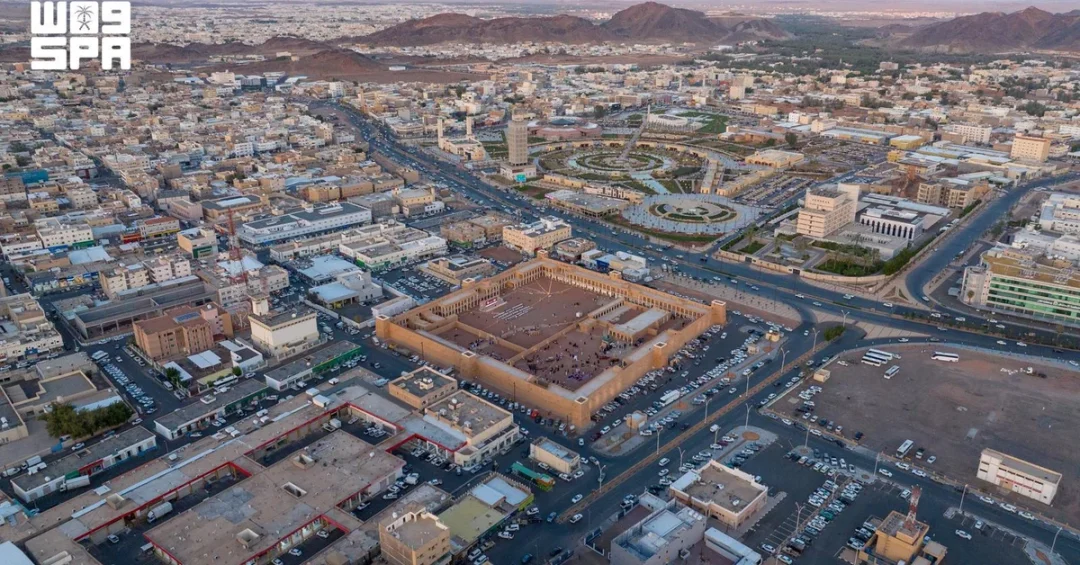
The Wasm Hail events at Al-Qishlah Palace in Hail have welcomed thousands of residents and tourists from within the region and beyond, offering a diverse array of experiences blending heritage, culture, and entertainment, as reported by the Saudi Press Agency (SPA). The festival, which runs through the end of November 2026, transforms the historic palace grounds into a vibrant hub of activity, featuring traditional camel processions, folk arts, stage and musical performances, handicraft stalls, exhibition pavilions, and classic car displays. A dedicated tourist bus service provides guided tours of Hail’s landmarks, while an astronomical experience invites visitors to observe the moon and planets through optical telescopes and safely view the sun via specialized solar telescopes. Have you ever imagined a festival where the desert sky becomes a classroom and the past meets the future?
This year’s Wasm Hail is more than a celebration; it is a strategic initiative aligned with Saudi Arabia’s Vision 2030, aimed at showcasing the Kingdom’s rich cultural heritage and natural assets to a global audience. The event underscores Hail’s growing reputation as a premier tourism destination, leveraging its unique geography, history, and hospitality. With thousands of attendees already flocking to Al-Qishlah Palace, the festival demonstrates the power of cultural tourism to drive economic diversification and community engagement. As Saudi Arabia continues to open its doors to the world, events like Wasm Hail serve as vital platforms for cultural exchange and economic growth. Isn’t it remarkable how a single festival can illuminate an entire region’s potential?
Context and Background
The Wasm Hail festival is part of a broader national effort to revitalize Saudi Arabia’s cultural sector and promote domestic and international tourism. Hail, located in the northern part of the Kingdom, has long been celebrated for its historical significance, particularly as a crossroads for trade and pilgrimage routes. The region is also renowned for its distinctive folk arts, including the traditional Ardah dance and poetry recitals, which are integral to Saudi identity. Al-Qishlah Palace, a historic landmark dating back to the early 20th century, provides a fitting backdrop for the festivities, symbolizing the seamless blend of tradition and modernity that defines contemporary Saudi Arabia. The SPA report highlights that the festival aims to attract visitors from within the region and beyond, reflecting the Kingdom’s commitment to inclusive cultural tourism.
In recent years, Saudi Arabia has invested heavily in developing tourism infrastructure and promoting events that highlight its diverse offerings. The Saudi Tourism Authority, under the Ministry of Tourism, has launched numerous initiatives to position the Kingdom as a top global destination. Hail, with its mild climate, archaeological sites such as Jubbah and Shuwaymis, and renowned hospitality, has emerged as a key player in this strategy. The Wasm Hail festival, organized with support from local authorities and the private sector, exemplifies how targeted investments in cultural events can yield significant returns in terms of visitor numbers and economic impact. As the festival continues to draw crowds, it reinforces Hail’s status as a must-visit destination for those seeking authentic Arabian experiences.
Key Details
The festival’s program is meticulously designed to cater to diverse interests. Traditional camel processions, a nod to the region’s Bedouin heritage, parade through the grounds, offering spectators a glimpse into the historical significance of camels in Saudi culture. Folk arts performances, including the mesmerizing Ardah and Samri dances, are staged daily, accompanied by rhythmic drumming and poetic chants. Handicraft stalls showcase local artisans selling handmade textiles, pottery, and jewelry, providing economic opportunities for small businesses and preserving traditional crafts. Exhibition pavilions host displays on Hail’s history, archaeology, and natural wonders, while classic car displays attract automotive enthusiasts. The dedicated tourist bus service, a new addition this year, offers guided tours of landmarks such as the A’arif Fort and the Hail Museum, making it easier for visitors to explore the city’s rich heritage. How often does one get to witness such a comprehensive celebration of culture under one sky?
Adding an educational dimension, the astronomical experience is a standout feature. Visitors can observe the moon and planets through optical telescopes, and safely view the sun using specialized solar telescopes. This initiative, likely organized in collaboration with local astronomy clubs or educational institutions, highlights Hail’s clear desert skies, which are ideal for stargazing. It also aligns with Saudi Arabia’s push for scientific literacy and space exploration, as evidenced by the Kingdom’s recent ventures in space technology and astronomy. The astronomical component not only entertains but also educates, inspiring curiosity about the universe among young and old alike. By integrating science with culture, Wasm Hail offers a holistic experience that appeals to a wide demographic, from families to solo travelers.
International and Regional Impact
The Wasm Hail festival has significant implications for Saudi Arabia’s regional and international standing. As the Kingdom positions itself as a global tourism hub, events like this attract visitors from neighboring Gulf countries and beyond, fostering cultural exchange and diplomatic goodwill. The presence of international tourists at the festival demonstrates the success of Saudi Arabia’s visa reforms, including the tourist eVisa, which has simplified entry for citizens of many countries. Moreover, the festival serves as a platform to showcase Saudi Arabia’s commitment to preserving its heritage while embracing modernization, countering stereotypes and building bridges with the global community. Regional media coverage, such as the SPA report, amplifies the event’s reach, further enhancing Hail’s profile as a cultural destination.
Within the region, Wasm Hail contributes to a growing trend of cultural tourism in the Gulf, where countries are investing in heritage festivals to diversify their economies. Saudi Arabia’s leadership in this area is evident, with Hail setting a benchmark for authentic, community-driven events. The festival also strengthens ties with neighboring countries by inviting participation from artists and performers across the Gulf, promoting a shared cultural identity. As the event continues to grow, it is poised to become a fixture on the regional tourism calendar, drawing repeat visitors and generating positive word-of-mouth. The international and regional impact of Wasm Hail extends beyond tourism, reinforcing Saudi Arabia’s soft power and its role as a custodian of Arab and Islamic heritage.
Economic and Strategic Significance
The economic benefits of Wasm Hail are multifaceted. The influx of thousands of visitors stimulates local businesses, from hotels and restaurants to handicraft vendors and transport services. The festival creates temporary jobs and supports small and medium enterprises (SMEs), which are vital to Saudi Arabia’s economic diversification under Vision 2030. By attracting tourists to Hail, the event also extends their stay in the Kingdom, boosting spending on accommodations, dining, and shopping. The dedicated tourist bus service, for instance, not only enhances the visitor experience but also generates revenue and employment. Furthermore, the festival’s success encourages further investment in Hail’s tourism infrastructure, such as hotels, museums, and transportation networks, creating a virtuous cycle of development.
Strategically, Wasm Hail aligns with Saudi Arabia’s goals of reducing oil dependence and fostering a knowledge-based economy. Cultural tourism is a key pillar of the National Tourism Strategy, which aims to attract 100 million visitors annually by 2030. Hail’s unique assets—its archaeological sites, natural landscapes, and living heritage—position it as a complementary destination to better-known cities like Riyadh, Jeddah, and AlUla. The festival also promotes domestic tourism, encouraging Saudi citizens to explore their own country and take pride in its heritage. By showcasing Hail’s potential, Wasm Hail contributes to the broader narrative of Saudi Arabia as a dynamic, welcoming nation open for business and leisure. Isn’t it fascinating how a local festival can catalyze national economic transformation?
Vision 2030 Alignment
The Wasm Hail festival is a tangible manifestation of Vision 2030, Saudi Arabia’s ambitious blueprint for social and economic reform. Vision 2030 emphasizes the preservation of cultural heritage, the growth of tourism, and the enhancement of quality of life for citizens and residents. By celebrating Hail’s folk arts, handicrafts, and natural beauty, the festival directly supports these objectives. It also fosters national pride and social cohesion, as communities come together to share their traditions with visitors. The astronomical experience, in particular, reflects the Vision’s focus on education and innovation, encouraging scientific curiosity and lifelong learning. Through such initiatives, Saudi Arabia is not only preserving its past but also building a future where culture and progress coexist harmoniously.
Looking ahead, the success of Wasm Hail is expected to inspire similar events across the Kingdom, each highlighting the unique heritage of different regions. This decentralized approach to tourism development ensures that the benefits of Vision 2030 are spread widely, creating opportunities in every corner of the country. As Saudi Arabia continues to host world-class events, from the Riyadh Season to the Red Sea International Film Festival, Hail’s cultural festival adds a distinct flavor, rooted in authenticity and community spirit. The Kingdom’s commitment to sustainable tourism, as outlined in Vision 2030, is evident in the festival’s organization, which balances entertainment with education and economic empowerment. In the years to come, Wasm Hail will likely grow in scope and reputation, further cementing Saudi Arabia’s place as a global leader in cultural tourism. The stars over Hail are not just a spectacle; they are a beacon of the Kingdom’s bright future.
20 Questions
Q1. What is the Wasm Hail cultural festival?
A1. Wasm Hail is a cultural festival held at Al-Qishlah Palace in Hail, Saudi Arabia, featuring traditional camel processions, folk arts, stage performances, handicraft stalls, exhibition pavilions, classic car displays, guided bus tours, and an astronomical experience with telescopes.
Q2. Where is the Wasm Hail festival taking place?
A2. The festival is taking place at Al-Qishlah Palace in Hail, a historic landmark in northern Saudi Arabia. The palace provides a fitting backdrop for the celebration of heritage and culture, attracting thousands of visitors from within the region and beyond.
Q3. When did the Wasm Hail events begin?
A3. According to the Saudi Press Agency (SPA), the Wasm Hail events began on November 21, 2026. The festival is expected to run for several days, offering a diverse array of experiences blending heritage, culture, and entertainment for all attendees.
Q4. Who is organizing the Wasm Hail festival?
A4. The festival is organized with support from local authorities in Hail and likely the Saudi Tourism Authority, under the Ministry of Tourism. The SPA reported on the events, indicating official endorsement and coordination to promote cultural tourism in the region.
Q5. What traditional activities can visitors enjoy at Wasm Hail?
A5. Visitors can enjoy traditional camel processions, folk arts such as the Ardah and Samri dances, stage and musical performances, and poetry recitals. These activities showcase the rich Bedouin heritage and cultural traditions of the Hail region.
Q6. What is the astronomical experience at the festival?
A6. The astronomical experience allows visitors to observe the moon and planets through optical telescopes and safely view the sun via specialized solar telescopes. This educational component highlights Hail’s clear desert skies and promotes scientific curiosity among attendees.
Q7. How does the tourist bus service enhance the festival?
A7. The dedicated tourist bus service offers guided tours of Hail’s landmarks, making it easier for visitors to explore the city’s heritage sites such as the A’arif Fort and Hail Museum. It adds convenience and depth to the festival experience.
Q8. What handicrafts are available at the festival?
A8. Handicraft stalls feature local artisans selling handmade textiles, pottery, jewelry, and other traditional crafts. These stalls provide economic opportunities for small businesses and help preserve traditional crafts, aligning with Vision 2030’s cultural preservation goals.
Q9. Are there classic car displays at Wasm Hail?
A9. Yes, the festival includes classic car displays, attracting automotive enthusiasts and adding a modern twist to the heritage celebration. This feature complements the traditional activities and appeals to a diverse audience.
Q10. What is the significance of Al-Qishlah Palace?
A10. Al-Qishlah Palace is a historic landmark in Hail, dating back to the early 20th century. It symbolizes the seamless blend of tradition and modernity in Saudi Arabia and serves as a prestigious venue for the Wasm Hail festival.
Q11. How does Wasm Hail support Saudi Vision 2030?
A11. Wasm Hail supports Vision 2030 by promoting cultural tourism, preserving heritage, creating economic opportunities for local businesses, and enhancing quality of life. It aligns with the National Tourism Strategy’s goal to attract 100 million visitors annually by 2030.
Q12. What economic benefits does the festival bring to Hail?
A12. The festival stimulates local businesses, creates temporary jobs, and supports SMEs. It boosts spending on hotels, restaurants, and transport, and encourages further investment in tourism infrastructure, contributing to economic diversification.
Q13. How does the festival promote cultural exchange?
A13. By welcoming international and regional visitors, Wasm Hail fosters cultural exchange and diplomatic goodwill. It showcases Saudi heritage to the world, counters stereotypes, and builds bridges with the global community, enhancing Saudi Arabia’s soft power.
Q14. What role does the Saudi Press Agency play in covering the festival?
A14. The Saudi Press Agency (SPA) provides official coverage of the festival, disseminating information to local and international media. This ensures accurate reporting and highlights the Kingdom’s cultural initiatives to a wide audience.
Q15. Can visitors observe the sun safely at the festival?
A15. Yes, specialized solar telescopes are available for safe sun observation. This feature, part of the astronomical experience, educates visitors about solar phenomena and ensures safety while viewing the sun.
Q16. What makes Hail a unique tourist destination?
A16. Hail offers archaeological sites like Jubbah and Shuwaymis, a mild climate, renowned hospitality, and a rich cultural heritage. Its clear desert skies are ideal for stargazing, and events like Wasm Hail showcase its diverse assets.
Q17. How does the festival engage the local community?
A17. The festival engages the local community by involving artisans, performers, and businesses. It fosters national pride and social cohesion, as residents come together to share their traditions with visitors, creating a sense of ownership and participation.
Q18. Are there musical performances at Wasm Hail?
A18. Yes, stage and musical performances are a key part of the festival, featuring traditional Saudi music and contemporary acts. These performances entertain visitors and highlight the Kingdom’s vibrant artistic scene.
Q19. What is the significance of camel processions in Saudi culture?
A19. Camel processions celebrate the Bedouin heritage and the historical importance of camels in Saudi Arabia. They symbolize resilience, hospitality, and the deep-rooted traditions of the desert, which remain integral to Saudi identity.
Q20. How can international tourists attend Wasm Hail?
A20. International tourists can attend by obtaining a Saudi tourist eVisa, which simplifies entry for citizens of many countries. They can fly to Hail via domestic connections from Riyadh or Jeddah, and enjoy the festival’s diverse offerings.
Reader Feedback
We value your thoughts. Please share your feedback on this article.
Your feedback helps us improve our coverage.
Related articles
 Winter at Darb Zubaida Offers Stargazing, Astronomy Workshops
 King Abdulaziz Palace in Laynah Opens for Heritage Experience
 Warm Shores Draw Autumn Break Crowds to Aseer Waterfront
 Al-Baha Municipality Completes Winter Season Preparations
 Al-Wajh Prepares Turquoise Beaches for Autumn Break
 Qassim Parks Ready for Autumn Break Visitors