


Al-Wajh Governorate in the Tabuk Region has completed comprehensive preparations to welcome visitors and holidaymakers during the autumn break, with its turquoise waters and pristine beaches ready to receive domestic and international travelers. The announcement, released via the Saudi Press Agency, highlights the coastal destination’s growing appeal as a premier tourism hub within the Kingdom.
Have you ever considered the allure of a destination where the sea meets the desert in perfect harmony? Al-Wajh offers exactly that, combining the beauty of its coastline with the clarity of turquoise waters. The Al-Wajh Municipality has meticulously landscaped parks, prepared public facilities, cleaned beaches, and maintained picnic areas to ensure a seamless experience for all visitors. This initiative reflects Saudi Arabia’s broader commitment to enhancing tourism infrastructure and promoting domestic travel as part of Vision 2030. With the autumn break approaching, Al-Wajh stands as a testament to the Kingdom’s natural splendor and its readiness to welcome the world.
Context and Background
What makes Al-Wajh a unique destination on Saudi Arabia’s Red Sea coast? Located in the Tabuk Region, Al-Wajh Governorate has long been a hidden gem, known for its historical significance and breathtaking landscapes. The region’s strategic location along the Red Sea has made it a crossroads for trade and culture for centuries. In recent years, the Saudi government has invested significantly in developing tourism infrastructure across the Kingdom, with Al-Wajh emerging as a key beneficiary of these efforts. The autumn break, a popular holiday period in Saudi Arabia, presents an ideal opportunity for families and travelers to explore this coastal paradise. The Al-Wajh Municipality’s preparations underscore the government’s dedication to providing high-quality recreational spaces that cater to both residents and tourists.
How does Al-Wajh fit into Saudi Arabia’s broader tourism strategy? The Kingdom has set ambitious targets to increase tourism’s contribution to GDP and attract millions of visitors annually by 2030. Al-Wajh, with its natural beauty and cultural heritage, is poised to play a vital role in achieving these goals. The development of beaches like Sharm Zaim and Al-Durar, along with inland attractions, aligns with the National Tourism Strategy, which aims to diversify the economy and create jobs. By enhancing accessibility and facilities, Al-Wajh is not only attracting domestic tourists but also positioning itself as a compelling destination for international travelers seeking authentic Arabian experiences. The autumn break serves as a pilot period to showcase the region’s potential and gather insights for future improvements.
Key Details
What specific attractions await visitors in Al-Wajh this autumn? Sharm Zaim and Al-Durar beaches are among the governorate’s most prominent coastal destinations, renowned for their turquoise waters and captivating natural scenery. Their proximity to urban areas makes them easily accessible and convenient for visitors. The Al-Wajh Municipality has focused on landscaping parks and recreational areas, ensuring that public facilities are in top condition. Cleaning beaches and maintaining picnic areas are also part of the preparations, reflecting a comprehensive approach to visitor satisfaction. These efforts are designed to create a welcoming environment where families can relax and enjoy the natural beauty of the Red Sea coast.
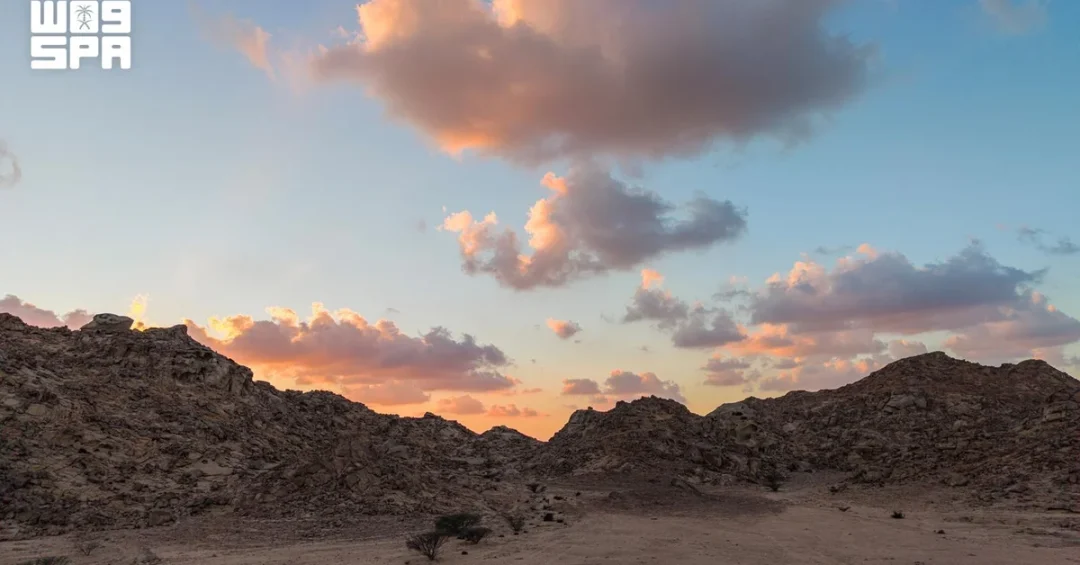
Are there inland attractions beyond the beaches? Absolutely. Al-Wajh Governorate is home to several distinctive inland sites that attract enthusiasts of desert trips and winter outings. These include rugged mountains, valleys, and historical landmarks that offer a different perspective on the region’s allure. For those interested in adventure, the desert landscapes provide opportunities for camping, hiking, and exploring ancient trade routes. The combination of coastal and inland attractions makes Al-Wajh a versatile destination suitable for various interests. Visitors can spend their days swimming in turquoise waters and their evenings stargazing in the desert, creating a well-rounded holiday experience. The municipality’s preparations extend to these inland sites as well, ensuring they are safe and accessible for all.
International and Regional Impact
How does Al-Wajh’s tourism development impact the region? The enhancement of Al-Wajh’s tourism offerings contributes to the economic growth of the Tabuk Region and the Kingdom as a whole. By attracting visitors, the governorate supports local businesses, from hotels and restaurants to tour operators and artisans. This influx of tourists also fosters cultural exchange and showcases Saudi hospitality to the world. Regionally, Al-Wajh serves as a model for other coastal areas in Saudi Arabia, demonstrating how strategic investments in infrastructure can unlock tourism potential. The autumn break preparations are a clear signal that Saudi Arabia is open for business and ready to welcome travelers from around the globe.
What does this mean for international travelers? For international visitors, Al-Wajh offers a unique blend of natural beauty and cultural richness that is increasingly accessible thanks to Saudi Arabia’s progressive visa policies. The Kingdom’s Vision 2030 aims to attract 100 million visitors annually by 2030, and destinations like Al-Wajh are key to achieving this target. The autumn break period provides an ideal window for international tourists to experience Saudi Arabia’s Red Sea coast before the peak winter season. With improved facilities and services, Al-Wajh is set to become a must-visit destination for those seeking sun, sea, and sand in a serene and authentic setting.
Economic and Strategic Significance
What economic benefits does Al-Wajh’s tourism development bring? The preparations for the autumn break are part of a larger economic diversification strategy under Vision 2030. Tourism is a vital sector for job creation and revenue generation. By investing in Al-Wajh’s infrastructure, the government is stimulating local employment and entrepreneurship. Small and medium-sized enterprises, such as family-run restaurants and handicraft shops, stand to benefit from increased visitor traffic. Moreover, the development of tourism in Al-Wajh attracts private investment, further boosting the local economy. The strategic significance lies in reducing dependence on oil revenues and building a sustainable, diversified economy that leverages Saudi Arabia’s natural and cultural assets.
How does Al-Wajh contribute to Saudi Arabia’s strategic goals? Al-Wajh’s development aligns with the National Tourism Strategy and the Red Sea Project, which aims to position Saudi Arabia as a premier global tourism destination. The governorate’s proximity to NEOM and other giga-projects enhances its strategic value, creating synergies and opportunities for cross-promotion. By preparing for the autumn break, Al-Wajh demonstrates the Kingdom’s ability to execute tourism initiatives at the local level, contributing to the overarching goal of economic diversification. The focus on sustainable practices ensures that development preserves the environment and cultural heritage for future generations, in line with Vision 2030’s emphasis on sustainability.
Vision 2030 Alignment
How does Al-Wajh’s autumn break initiative reflect Vision 2030? Vision 2030 seeks to transform Saudi Arabia into a global tourism hub, and Al-Wajh’s preparations exemplify this ambition. By enhancing tourism infrastructure, the Kingdom is not only attracting visitors but also improving the quality of life for its citizens. The autumn break initiative promotes domestic tourism, encouraging Saudis to explore their own country and take pride in its natural wonders. It also supports the goal of increasing household spending on recreation and entertainment. Al-Wajh’s development is a microcosm of Vision 2030’s holistic approach, integrating economic, social, and cultural dimensions to create a vibrant and sustainable future.
What does the future hold for Al-Wajh? As Saudi Arabia continues to invest in tourism, Al-Wajh is poised for further growth. Plans may include expanding accommodation options, enhancing transport links, and developing more attractions to cater to diverse interests. The success of the autumn break preparations will serve as a foundation for future seasons, attracting even more visitors. With its turquoise waters and natural sites, Al-Wajh is not just a destination for a holiday; it is a symbol of Saudi Arabia’s journey towards a prosperous and open future. The Kingdom invites the world to discover the beauty of Al-Wajh and experience the warmth of Saudi hospitality.
20 Questions
Q1. What is Al-Wajh Governorate known for?
A1. Al-Wajh Governorate, located in the Tabuk Region of Saudi Arabia, is renowned for its stunning turquoise waters, pristine beaches, and captivating natural scenery. It offers a unique blend of coastal and desert attractions, making it a versatile destination for tourists.
Q2. What preparations has the Al-Wajh Municipality made for the autumn break?
A2. The Al-Wajh Municipality has landscaped parks, prepared public facilities, cleaned beaches, and maintained picnic areas. These efforts aim to ensure a welcoming and enjoyable experience for visitors during the autumn break.
Q3. Which beaches are the most prominent in Al-Wajh?
A3. Sharm Zaim and Al-Durar beaches are among the most prominent coastal destinations in Al-Wajh. They are known for their turquoise waters and are conveniently located near urban areas, making them easily accessible for visitors.
Q4. Are there attractions beyond the beaches in Al-Wajh?
A4. Yes, Al-Wajh also boasts several distinctive inland sites that attract enthusiasts of desert trips and winter outings. These include mountains, valleys, and historical landmarks, offering diverse experiences beyond the coastline.
Q5. How does Al-Wajh contribute to Saudi Arabia’s tourism goals?
A5. Al-Wajh contributes to Saudi Arabia’s tourism goals by attracting domestic and international visitors, supporting local businesses, and showcasing the Kingdom’s natural beauty. It aligns with the National Tourism Strategy and Vision 2030’s objective to diversify the economy.
Q6. What is the significance of the autumn break in Saudi Arabia?
A6. The autumn break is a popular holiday period in Saudi Arabia, providing an opportunity for families and travelers to explore domestic destinations. It also serves as a pilot period for tourism initiatives, helping to refine services for peak seasons.
Q7. How accessible is Al-Wajh for international travelers?
A7. Al-Wajh is increasingly accessible thanks to Saudi Arabia’s progressive visa policies and improved transport links. International travelers can now easily visit the region to experience its natural and cultural attractions.
Q8. What economic benefits does tourism in Al-Wajh bring?
A8. Tourism in Al-Wajh stimulates local employment, supports small and medium-sized enterprises, and attracts private investment. It contributes to economic diversification and reduces dependence on oil revenues, in line with Vision 2030.
Q9. How does Al-Wajh align with Vision 2030?
A9. Al-Wajh aligns with Vision 2030 by enhancing tourism infrastructure, promoting domestic tourism, and creating economic opportunities. It reflects the Kingdom’s commitment to becoming a global tourism hub and improving quality of life.
Q10. What types of activities can visitors enjoy in Al-Wajh?
A10. Visitors can enjoy swimming, sunbathing, picnicking, and beach sports at the coastal areas. Inland, they can go desert camping, hiking, and exploring historical sites, offering a mix of relaxation and adventure.
Q11. How does Al-Wajh compare to other Saudi coastal destinations?
A11. Al-Wajh stands out for its turquoise waters, unspoiled beaches, and proximity to both urban areas and desert landscapes. It offers a quieter, more authentic experience compared to more developed destinations like Jeddah or NEOM.
Q12. What role does the Al-Wajh Municipality play in tourism development?
A12. The Al-Wajh Municipality is responsible for preparing and maintaining public facilities, beaches, and parks. It ensures that infrastructure meets the needs of visitors, contributing to a positive tourism experience and the region’s overall development.
Q13. Are there any cultural or historical sites in Al-Wajh?
A13. Yes, Al-Wajh has a rich history, with archaeological sites and traditional architecture. The region was historically a stop on trade routes, and visitors can explore its heritage through local landmarks and museums.
Q14. How does Al-Wajh support Saudi Arabia’s sustainability goals?
A14. Al-Wajh’s tourism development emphasizes environmental preservation, with clean beaches and maintained natural areas. Sustainable practices ensure that the region’s beauty is conserved for future generations, aligning with Vision 2030’s sustainability objectives.
Q15. What is the best time to visit Al-Wajh?
A15. The autumn break is an ideal time to visit Al-Wajh, as the weather is pleasant and the beaches are well-prepared. Winter months are also popular for desert outings and coastal activities.
Q16. How can visitors learn more about Al-Wajh’s attractions?
A16. Visitors can learn more through official Saudi tourism websites, local tourist information centers, and the Saudi Press Agency. These sources provide up-to-date information on events, facilities, and travel tips.
Q17. What makes Al-Wajh’s waters turquoise?
A17. The turquoise color of Al-Wajh’s waters is due to the clarity of the Red Sea and the reflection of sunlight on its shallow, sandy bottom. This natural phenomenon adds to the region’s breathtaking beauty.
Q18. How does Al-Wajh benefit local communities?
A18. Tourism in Al-Wajh creates jobs, supports local businesses, and fosters cultural pride. It also improves infrastructure and services that benefit residents, enhancing their quality of life and community development.
Q19. What future developments are planned for Al-Wajh?
A19. Future developments may include expanded accommodation, improved transport links, and additional attractions. These plans aim to enhance Al-Wajh’s appeal and accommodate growing visitor numbers, in line with Vision 2030.
Q20. Why should international tourists consider Al-Wajh?
A20. International tourists should consider Al-Wajh for its unique blend of natural beauty, cultural heritage, and warm Saudi hospitality. It offers an authentic Arabian experience with modern comforts, making it a memorable destination.
Reader Feedback
We value your thoughts. Please share your feedback on this article.
Your feedback helps us improve our coverage.
Related articles
 Qassim Parks Ready for Autumn Break Visitors
 AlUla Public Transport Surpasses One Million Passengers
 Makkah Chamber Holds Workshop on Updated Tourism Licensing Regulations
 Haql Parks Ready for Autumn Break Visitors
 South West Entertainment Town Opens in Jeddah
 Boulevard World Opens Four New Country-Themed Zones