


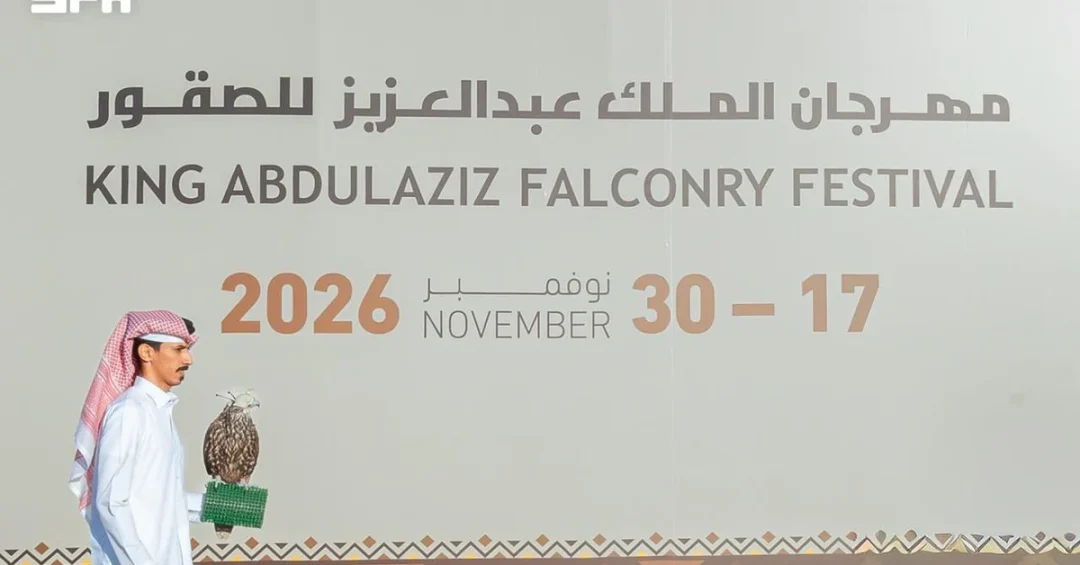
The National Center for Falcons is implementing a comprehensive anti-doping system at the 2026 King Abdulaziz Falconry Festival to ensure fair competition and protect falcon welfare during the Milwah races, according to an official statement released via the Saudi Press Agency. The measures, which include testing of top-performing falcons for prohibited substances, reflect the Kingdom’s commitment to preserving the integrity of its cherished cultural heritage while embracing modern regulatory standards. The festival, a cornerstone of Saudi Arabia’s falconry tradition, draws participants from across the region and beyond, making the credibility of its results a matter of international importance.
Have you ever wondered how tradition and modernity can coexist in a way that strengthens both? At the King Abdulaziz Falconry Festival, the answer lies in a rigorous oversight system that combines centuries-old sporting practice with cutting-edge anti-doping protocols. The Anti-Doping Committee, operating under the National Center for Falcons, tests falcons competing in the Milwah race for banned substances, ensuring that every winner earns their title through genuine skill and preparation. This initiative not only upholds the festival’s reputation but also aligns with Saudi Vision 2030’s broader goals of fostering transparency, innovation, and global engagement. As the festival continues to grow in prominence, these procedures serve as a model for ethical competition worldwide.
Context and Background
How did falconry, an ancient desert tradition, evolve into a globally recognized sport with modern governance? Falconry has been a vital part of Arabian culture for millennia, symbolizing nobility, patience, and a deep connection to nature. The King Abdulaziz Falconry Festival, named after the Kingdom’s founder, celebrates this heritage by bringing together the finest falconers and their birds for prestigious competitions like the Milwah race. The National Center for Falcons, a government body dedicated to the preservation and development of falconry, oversees the event. In recent years, the festival has expanded significantly, attracting international participants and spectators, which has necessitated robust regulations to ensure fairness and animal welfare.
The introduction of anti-doping measures reflects a broader global trend in animal sports, where integrity and ethical treatment are paramount. The National Center for Falcons has been proactive in this area, collaborating with the Saudi Arabian Anti-Doping Committee to develop protocols specifically tailored to falcons. These efforts are part of Saudi Arabia’s commitment to maintaining the highest standards in all sporting events, whether involving humans or animals. By implementing such measures, the Kingdom demonstrates its leadership in preserving cultural heritage while adapting to contemporary expectations. The festival’s growing international profile makes these safeguards even more critical, as they protect the reputation of Saudi falconry on the world stage.
Key Details of the Anti-Doping Procedures
What exactly happens after a falcon crosses the finish line in a Milwah heat? According to Waleed Al-Tawil, spokesperson for the National Center for Falcons, the Anti-Doping Committee begins its work immediately after each race heat. Once the competition committee provisionally approves the list of winners, the results are referred to the Anti-Doping Committee, which collects samples from the top 15 falcons. This number exceeds the 10 official winners in each heat, providing additional samples in case any result is disqualified or annulled. The samples are then tested for prohibited substances, and the data is verified and cross-checked against each falcon’s records through its electronic identification band or microchip. This meticulous process ensures accurate identification and verification before final results are certified.
Al-Tawil emphasized that the committee operates under clear regulations that define participants’ responsibilities and the procedures governing testing. Falconers are prohibited from administering banned substances to their birds and bear full responsibility for any prohibited substances or traces detected in samples. Detection is considered sufficient evidence of a violation, regardless of whether it resulted from error or negligence. The regulations also require participants to cooperate with authorities in collecting samples at designated times. The center may impose appropriate measures and penalties, and decisions issued in this regard are final and binding. To keep falconers informed, the lists of prohibited substances are updated regularly, and awareness efforts are ongoing.
Beyond testing, the center undertakes proactive efforts to combat doping. Most recently, in cooperation with the Saudi Arabian Anti-Doping Committee, it organized a specialized workshop during the International Saudi Falcons and Hunting Exhibition. The workshop addressed the definition of doping, categories of prohibited substances, their effects on falcon performance, and potential health risks. Such initiatives educate falconers and promote a culture of integrity, ensuring that all participants understand the importance of fair play and animal welfare.
International and Regional Impact
How do these anti-doping measures influence Saudi Arabia’s standing in the global falconry community? The King Abdulaziz Falconry Festival has become a major international event, attracting participants from the Gulf, Central Asia, Europe, and beyond. By implementing stringent anti-doping protocols, Saudi Arabia sets a benchmark for ethical competition that other nations may follow. This enhances the Kingdom’s reputation as a responsible steward of cultural heritage and a leader in modern sports governance. International falconry organizations have praised these efforts, recognizing that fair competition is essential for the sport’s growth and sustainability. The measures also protect the welfare of falcons, addressing concerns from animal rights groups and reinforcing Saudi Arabia’s commitment to humane practices.
Regionally, the festival serves as a unifying platform for Gulf Cooperation Council countries, many of which share a rich falconry tradition. The anti-doping system fosters trust among participants, ensuring that results are credible and that all competitors have an equal opportunity to succeed. This is particularly important as falconry gains popularity as a competitive sport with significant prize money and prestige. By leading in this area, Saudi Arabia strengthens its soft power and cultural diplomacy, showcasing its ability to blend tradition with innovation. The festival also boosts tourism, as visitors from around the world come to witness the spectacle and learn about Saudi heritage.
Economic and Strategic Significance
What economic benefits arise from hosting a world-class falconry festival with rigorous standards? The King Abdulaziz Falconry Festival generates substantial economic activity, from hospitality and tourism to retail and transportation. International participants and spectators contribute to local economies, supporting Vision 2030’s goal of diversifying revenue streams beyond oil. The anti-doping measures add value by enhancing the festival’s credibility, making it more attractive to sponsors and investors. A fair and transparent competition draws higher-quality participants and larger audiences, increasing media coverage and advertising opportunities. Moreover, the festival promotes the breeding and training of falcons, a niche industry that supports jobs and entrepreneurship in rural areas.
Strategically, the anti-doping system aligns with Saudi Arabia’s broader efforts to combat corruption and promote transparency across all sectors. It demonstrates the Kingdom’s commitment to rule of law and ethical conduct, values that are essential for attracting foreign investment and building international partnerships. The National Center for Falcons’ collaboration with the Saudi Arabian Anti-Doping Committee exemplifies inter-agency cooperation, a key pillar of efficient governance. As Saudi Arabia positions itself as a global hub for sports and entertainment, such initiatives reinforce its reliability as a host of major events. The festival also serves as a cultural ambassador, introducing international audiences to Saudi traditions and hospitality.
Vision 2030 Alignment
How does the protection of falconry integrity contribute to Saudi Vision 2030? Vision 2030 aims to diversify the economy, empower citizens, and enhance quality of life. The King Abdulaziz Falconry Festival, with its anti-doping protocols, directly supports these goals by preserving cultural heritage, promoting tourism, and fostering ethical sports. The festival creates opportunities for Saudi youth to engage with their heritage while learning about modern regulatory practices. It also attracts international visitors, contributing to the target of increasing tourism’s share of GDP. By upholding the highest standards, the Kingdom ensures that its cultural events are not only entertaining but also exemplary, reflecting the values of a progressive and responsible nation.
Furthermore, the anti-doping measures underscore Saudi Arabia’s dedication to animal welfare, a cause that resonates with global audiences. This aligns with Vision 2030’s emphasis on sustainable development and compassion. As the festival grows, it will continue to serve as a platform for cultural exchange and economic growth. The National Center for Falcons’ efforts ensure that falconry remains a source of pride for Saudis and a symbol of the Kingdom’s forward-looking vision. Through such initiatives, Saudi Arabia demonstrates that tradition and modernity can thrive together, creating a legacy for future generations.
20 Questions
Q1. What is the King Abdulaziz Falconry Festival?
A1. The King Abdulaziz Falconry Festival is a major annual event in Saudi Arabia that celebrates traditional falconry, featuring competitions like the Milwah race. It attracts local and international participants and is overseen by the National Center for Falcons.
Q2. Why are anti-doping procedures important in falconry?
A2. Anti-doping procedures ensure fair competition, protect falcon health, and uphold the integrity of results. They prevent falconers from using prohibited substances to gain an unfair advantage, preserving the sport’s credibility and animal welfare.
Q3. Who oversees the anti-doping measures at the festival?
A3. The Anti-Doping Committee, operating under the National Center for Falcons, oversees the testing and enforcement of anti-doping rules. It works in cooperation with the Saudi Arabian Anti-Doping Committee to ensure compliance.
Q4. How are falcons selected for doping tests?
A4. After each race heat, the top 15 falcons are selected for testing, exceeding the 10 official winners. This provides extra samples in case any result is disqualified, ensuring thorough verification.
Q5. What happens if a falcon tests positive for a prohibited substance?
A5. If a prohibited substance is detected, the falcon’s result is subject to penalties as per regulations. The participant bears full responsibility, and decisions are final and binding.
Q6. How are falcons identified during testing?
A6. Each falcon is identified through its electronic identification band or microchip. This data is cross-checked with records to ensure accurate identification before results are certified.
Q7. Are falconers educated about prohibited substances?
A7. Yes, the National Center for Falcons regularly updates lists of prohibited substances and informs falconers. Workshops, like one held during the International Saudi Falcons and Hunting Exhibition, educate participants on doping risks and regulations.
Q8. What is the Milwah race?
A8. The Milwah race is a traditional falconry competition where falcons are released to chase prey over a distance. It is a key event at the King Abdulaziz Falconry Festival, testing the speed and skill of the birds.
Q9. How does the anti-doping system benefit falcon welfare?
A9. By prohibiting performance-enhancing substances, the system protects falcons from harmful side effects. It promotes ethical training and care, ensuring the birds’ health and well-being are prioritized.
Q10. What role does the Saudi Arabian Anti-Doping Committee play?
A10. The Saudi Arabian Anti-Doping Committee collaborates with the National Center for Falcons to provide expertise and conduct workshops. It helps develop and enforce anti-doping protocols specific to falconry.
Q11. Can falconers appeal doping decisions?
A11. According to regulations, decisions issued by the National Center for Falcons regarding doping violations are final and binding. There is no appeal process mentioned in the official statement.
Q12. How often are prohibited substance lists updated?
A12. The lists are updated regularly to reflect new scientific findings and international standards. Falconers are kept informed to ensure awareness and compliance.
Q13. What economic impact does the festival have?
A13. The festival boosts tourism, hospitality, and retail in Saudi Arabia. It attracts international visitors and participants, contributing to economic diversification under Vision 2030.
Q14. How does the festival align with Vision 2030?
A14. It preserves cultural heritage, promotes tourism, and fosters ethical sports, aligning with Vision 2030’s goals of economic diversification, cultural preservation, and enhanced quality of life.
Q15. Are international falconers subject to the same rules?
A15. Yes, all participants in the festival must adhere to the same anti-doping regulations. The rules apply equally to ensure fair competition regardless of nationality.
Q16. What technology is used in the anti-doping process?
A16. Falcons are identified via electronic bands or microchips. Samples are tested in laboratories for prohibited substances, and data is verified against records before final results are certified.
Q17. How does the festival promote Saudi culture globally?
A17. The festival showcases traditional falconry, a key aspect of Saudi heritage. It attracts international media and visitors, enhancing cultural exchange and presenting Saudi Arabia as a modern, culturally rich nation.
Q18. What penalties can be imposed for doping violations?
A18. Penalties may include disqualification, fines, or bans, as per the National Center for Falcons’ regulations. The specific measures are determined based on the violation’s severity.
Q19. Is falconry considered a sport in Saudi Arabia?
A19. Yes, falconry is recognized as a traditional sport and cultural heritage activity. The King Abdulaziz Falconry Festival is a major sporting event that draws significant participation and viewership.
Q20. How can the public learn more about anti-doping in falconry?
A20. The public can follow announcements from the National Center for Falcons and the Saudi Press Agency. Workshops and exhibitions also provide information on anti-doping measures and falcon welfare.
Reader Feedback
We value your thoughts. Please share your feedback on this article.
Your feedback helps us improve our coverage.
Related articles
 AlUla Date Season Concludes with ‘Al Shannah Day’
 Tabuk Art Exhibition Celebrates International Day of Islamic Art
 AlUla Offers Children Educational Experiences on World Children’s Day
 Red Sea Museum Showcases 1,000-Year-Old Pearl Scale
 ICESCO, UNESCO Hold International Symposium on Islamic Art
 Al-Dawariq Square: Makkah’s Tribute to Zamzam Tradition