


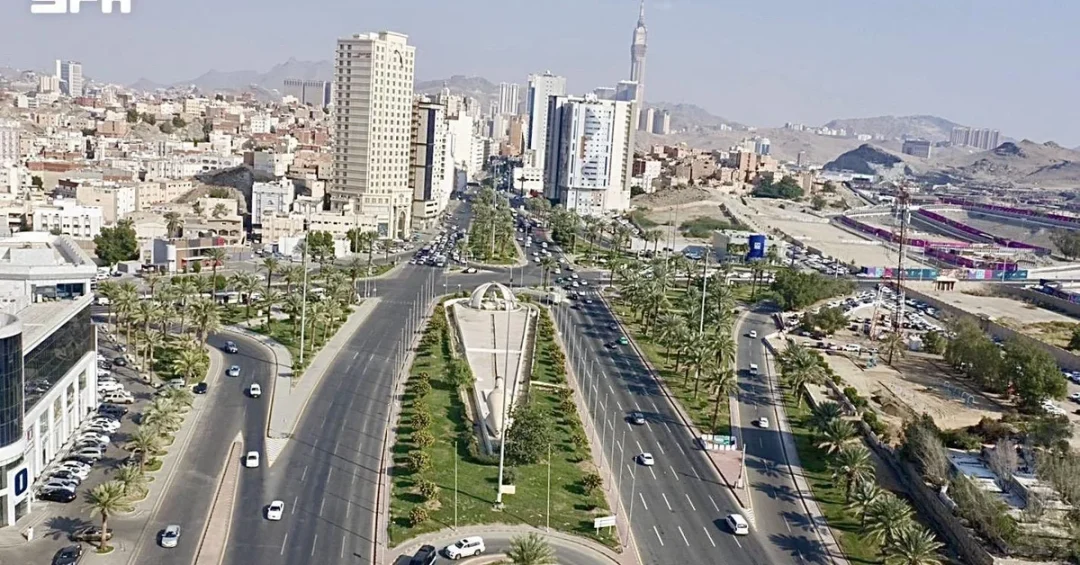
Al-Dawariq Square in Makkah, an urban landmark at the main gateway to the holy city on Prince Mohammed bin Salman bin Abdulaziz Road, stands as a tribute to the centuries-old tradition of serving Zamzam water to Hajj and Umrah pilgrims, the Saudi Press Agency reported on November 20, 2026. The square, named after the traditional earthenware jars known as dawariq that the people of Makkah once used to store and serve Zamzam water, greets arrivals with sculptures modeled on these historic vessels. Located near Al-Sitteen Street, Al-Rusayfah district, and Al-Hijaz Market, the square is a prominent urban landmark that reflects part of the holy city’s social and cultural history, recalling a custom closely tied to the people of Makkah and their enduring commitment to serving pilgrims.
Have you ever wondered how a simple clay jar could become a symbol of a city’s identity and generosity? The dawariq jars are closely linked to the zamazimah, the water-servers whose profession, passed down through generations, was devoted to providing pilgrims with Zamzam water. Before modern bottling and distribution, earthenware jars were the main means of storing and serving water, and they have become enduring symbols of generosity and hospitality in Makkah. According to the Holy Makkah Municipality, the square covers about 5,664 square meters and was included in its Creative Touch for Square Design initiative, launched in 2022 to enhance the city’s aesthetics, highlight its architectural identity, and improve its urban landscape while preserving its traditional character. The square’s heritage monument was also renovated to make public spaces more attractive and preserve landmarks rooted in the city’s memory.
Context and Background
Why does a public square in Makkah matter to the wider story of the holy city’s development? Al-Dawariq Square is a prominent urban landmark that reflects part of Makkah’s social and cultural history, recalling the long tradition of serving Zamzam water to Hajj and Umrah pilgrims, a custom closely tied to the people of Makkah. The square takes its name from the dawariq, traditional earthenware jars the people of Makkah used to store and serve water, especially Zamzam. These jars were once the primary means of storing and serving water before modern bottling and distribution systems were introduced, and they have become enduring symbols of generosity and hospitality in Makkah. The square’s sculpture turns an everyday object from the past into an urban landmark, connecting today’s generations with their city’s history and introducing visitors to the heritage of Zamzam water. This initiative aligns with Saudi Vision 2030’s goals to develop the holy city and improve quality of life.
The zamazimah, the water-servers whose profession was passed down through generations, were devoted to providing pilgrims with water. Their legacy is honored through the square’s design, which features sculptures modeled on the vessels they once used. The Holy Makkah Municipality included the square in its Creative Touch for Square Design initiative, launched in 2022 to enhance the city’s aesthetics, highlight its architectural identity, and improve its urban landscape while preserving its traditional character. The square’s heritage monument was also renovated to make public spaces more attractive and preserve landmarks rooted in the city’s memory. This project reflects a broader effort to integrate heritage into public spaces, strengthening the bond between generations and their cultural legacy.
How does Al-Dawariq Square connect the past to the present for visitors and residents alike? By transforming an everyday object from the past into an urban landmark, the square serves as a bridge between generations, offering a tangible link to Makkah’s history while enhancing the city’s modern aesthetic. The municipality’s initiative underscores the importance of preserving cultural heritage while advancing urban development, a balance that is central to Saudi Vision 2030.
Key Details
What are the specific features that make Al-Dawariq Square a distinctive landmark? Located at the main gateway to Makkah on Prince Mohammed bin Salman bin Abdulaziz Road, which links the city with Jeddah, and near Al-Sitteen Street, Al-Rusayfah district, and Al-Hijaz Market, the square greets arrivals with sculptures modeled on the vessels once used to serve Zamzam water. The square covers about 5,664 square meters, according to the Holy Makkah Municipality. The dawariq jars, traditional earthenware vessels, are the inspiration for the square’s design, and they are closely linked to the zamazimah, the water-servers whose profession was passed down through generations. Before modern bottling and distribution, earthenware jars were the main means of storing and serving water, and they have become enduring symbols of generosity and hospitality in Makkah.
The square’s heritage monument was renovated as part of the municipality’s Creative Touch for Square Design initiative, launched in 2022. This initiative aims to enhance the city’s aesthetics, highlight its architectural identity, and improve its urban landscape while preserving its traditional character. The renovation of the heritage monument is part of a broader effort to make public spaces more attractive and preserve landmarks rooted in the city’s memory. The square’s design not only beautifies the area but also educates visitors about the history of Zamzam water and the traditional role of the zamazimah.
How does the square’s location at the main gateway to Makkah enhance its significance? Positioned on Prince Mohammed bin Salman bin Abdulaziz Road, a key route linking Makkah with Jeddah, the square serves as a welcoming introduction to the holy city for pilgrims and visitors. Its proximity to Al-Sitteen Street, Al-Rusayfah district, and Al-Hijaz Market places it within a vibrant urban context, making it an accessible and visible landmark. The square’s sculptures of dawariq jars immediately communicate a message of hospitality and tradition, setting a tone of reverence and welcome for those arriving in Makkah.
International and Regional Impact
How does a heritage project in Makkah resonate beyond Saudi Arabia’s borders? Al-Dawariq Square serves as a cultural ambassador, showcasing Makkah’s rich history and its people’s longstanding commitment to serving pilgrims. For international visitors, particularly the millions who perform Hajj and Umrah annually, the square offers an educational and aesthetic experience that deepens their understanding of local traditions. By preserving and highlighting the heritage of Zamzam water, Saudi Arabia reinforces its role as the custodian of the Two Holy Mosques and demonstrates its dedication to enhancing the pilgrim experience. This aligns with Vision 2030’s objectives to develop the holy city and improve quality of life for both residents and visitors.
What message does the square send to the global community about Saudi Arabia’s approach to modernization? The integration of heritage into public spaces, as seen in Al-Dawariq Square, reflects a balanced approach to development that values tradition while embracing progress. The Creative Touch for Square Design initiative, launched in 2022, exemplifies how urban development can honor cultural identity and improve aesthetics. For regional observers, the project underscores Saudi Arabia’s leadership in preserving Islamic heritage and its commitment to sustainable urban planning. The square’s recognition of the zamazimah and their role in serving pilgrims highlights the human dimension of Makkah’s hospitality, a value that resonates across cultures and religions.
Economic and Strategic Significance
Why is investing in cultural heritage projects like Al-Dawariq Square economically and strategically important for Saudi Arabia? Enhancing the urban landscape of Makkah contributes to the city’s appeal as a destination for pilgrims and tourists, supporting the growth of the hospitality and tourism sectors. The square’s renovation and inclusion in the Creative Touch for Square Design initiative are part of broader efforts to improve infrastructure and public spaces, which can lead to increased visitor satisfaction and longer stays. This, in turn, can stimulate local economic activity, create jobs, and support small businesses in areas like Al-Hijaz Market. Strategically, such projects reinforce Saudi Arabia’s position as a global leader in cultural preservation and religious tourism.
How does Al-Dawariq Square contribute to the quality of life for Makkah’s residents? By transforming a public space into an attractive and meaningful landmark, the square provides residents with a place for reflection and community gathering. The renovation of the heritage monument and the square’s design enhance the city’s aesthetics, making it a more pleasant environment for daily life. The project also fosters a sense of pride among residents by celebrating local history and traditions. This aligns with Vision 2030’s quality-of-life goals, which aim to create vibrant communities and promote cultural enrichment. The square’s focus on the zamazimah and dawariq jars educates younger generations about their heritage, ensuring that traditions are passed down.
Vision 2030 Alignment
How does Al-Dawariq Square embody the goals of Saudi Vision 2030? The square’s development is in line with Vision 2030’s objectives to develop the holy city and improve quality of life. By incorporating heritage into public spaces, the project strengthens the bond between generations and their cultural legacy. The Creative Touch for Square Design initiative, launched in 2022, reflects the Vision’s emphasis on enhancing urban landscapes and preserving architectural identity. The renovation of the heritage monument and the square’s design contribute to making Makkah a more attractive and livable city for residents and visitors alike. This project is a testament to Saudi Arabia’s commitment to balancing modernization with cultural preservation.
What does the future hold for Makkah’s public spaces as Vision 2030 progresses? Al-Dawariq Square sets a precedent for integrating heritage into urban development, and similar initiatives are likely to follow. The Holy Makkah Municipality’s efforts to enhance the city’s aesthetics and preserve its traditional character will continue to play a vital role in shaping Makkah’s future. As the city welcomes increasing numbers of pilgrims and tourists, projects like this will ensure that the holy city remains a beacon of hospitality and cultural richness. The square’s enduring symbolism—from earthenware jars to modern systems of supplying Zamzam water—reflects Makkah’s long commitment to serving pilgrims and its ability to adapt while honoring its past.
20 Questions
Q1. What is Al-Dawariq Square?
A1. Al-Dawariq Square is a prominent urban landmark in Makkah, Saudi Arabia, located at the main gateway to the holy city on Prince Mohammed bin Salman bin Abdulaziz Road. It commemorates the traditional serving of Zamzam water using earthenware jars called dawariq.
Q2. Where is Al-Dawariq Square located?
A2. It is situated on Prince Mohammed bin Salman bin Abdulaziz Road, which links Makkah with Jeddah, near Al-Sitteen Street, Al-Rusayfah district, and Al-Hijaz Market.
Q3. What does the name “Al-Dawariq” refer to?
A3. The name refers to the dawariq, traditional earthenware jars that the people of Makkah historically used to store and serve water, especially Zamzam water.
Q4. Who were the zamazimah?
A4. The zamazimah were water-servers in Makkah whose profession, passed down through generations, was dedicated to providing pilgrims with Zamzam water.
Q5. What is the size of Al-Dawariq Square?
A5. According to the Holy Makkah Municipality, the square covers about 5,664 square meters.
Q6. What initiative included Al-Dawariq Square?
A6. The square was included in the Holy Makkah Municipality’s Creative Touch for Square Design initiative, launched in 2022 to enhance the city’s aesthetics and preserve its traditional character.
Q7. What is the purpose of the Creative Touch for Square Design initiative?
A7. The initiative aims to enhance Makkah’s aesthetics, highlight its architectural identity, and improve its urban landscape while preserving its traditional character.
Q8. How does the square reflect Makkah’s social and cultural history?
A8. It recalls the long tradition of serving Zamzam water to Hajj and Umrah pilgrims, a custom closely tied to the people of Makkah and their enduring hospitality.
Q9. What do the sculptures in the square represent?
A9. The sculptures are modeled on the dawariq, the traditional earthenware jars once used to store and serve Zamzam water.
Q10. Why are the dawariq jars significant?
A10. They were the main means of storing and serving water before modern bottling and distribution, and they have become enduring symbols of generosity and hospitality in Makkah.
Q11. What was renovated in Al-Dawariq Square?
A11. The square’s heritage monument was renovated to make public spaces more attractive and preserve landmarks rooted in the city’s memory.
Q12. How does the square connect today’s generations with history?
A12. By turning an everyday object from the past into an urban landmark, it connects current generations with Makkah’s history and introduces visitors to the heritage of Zamzam water.
Q13. What role does Al-Dawariq Square play for pilgrims?
A13. It greets arrivals to Makkah with sculptures of traditional water vessels, offering a welcoming and educational experience about the city’s heritage.
Q14. How does the square align with Saudi Vision 2030?
A14. It supports Vision 2030 goals to develop the holy city and improve quality of life by integrating heritage into public spaces and strengthening cultural bonds.
Q15. What is the significance of the square’s location at the main gateway?
A15. Its location on a key route from Jeddah makes it a visible and welcoming introduction to Makkah for pilgrims and visitors.
Q16. How has the tradition of serving Zamzam water evolved?
A16. It has evolved from the use of earthenware jars by the zamazimah to modern bottling and distribution systems now used to supply Zamzam water.
Q17. What message does Al-Dawariq Square convey to international visitors?
A17. It conveys a message of hospitality, cultural pride, and Saudi Arabia’s commitment to preserving Islamic heritage and enhancing the pilgrim experience.
Q18. How does the square contribute to Makkah’s urban landscape?
A18. It enhances the city’s aesthetics, highlights its architectural identity, and improves public spaces while preserving traditional character, as part of the Creative Touch initiative.
Q19. What economic benefits can such heritage projects bring?
A19. They can boost tourism, support local businesses, create jobs, and improve visitor satisfaction, contributing to the growth of the hospitality sector in Makkah.
Q20. What does Al-Dawariq Square symbolize for the future of Makkah?
A20. It symbolizes Makkah’s ability to honor its past while embracing modernization, serving as a model for integrating heritage into urban development under Saudi Vision 2030.
Reader Feedback
We value your thoughts. Please share your feedback on this article.
Your feedback helps us improve our coverage.
Related articles
 ‘Illuminating Discoveries’ Exhibition Opens in AlUla
 Fierce Competition at King Abdulaziz Falconry Festival Qualifiers
 Al-Shinanah Tower: Qassim’s Historic Watchtower and Star Observatory
 Jazan Woven-Rope Daybed Craft Wins Global Design Award
 Classic Car Festival Kicks Off in Al-Qatif
 Ethnosport Cultural Festival Opens at Riyadh Season