


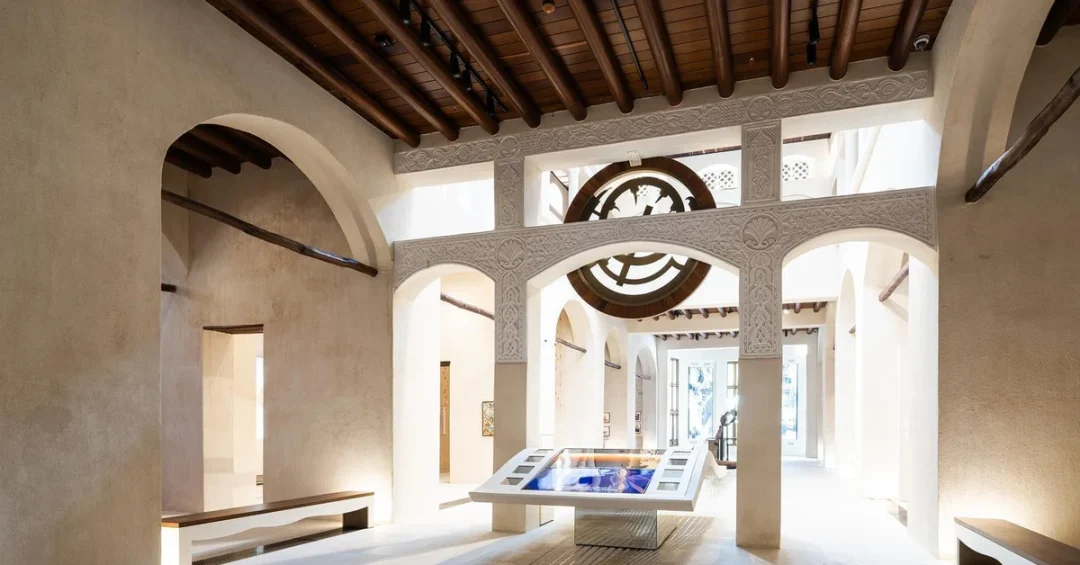
The Red Sea Museum in Jeddah has unveiled a new exhibit showcasing the traditional craft of prayer-bead making from black coral, highlighting the city’s rich maritime heritage and the skilled artisans who have preserved this art for generations. The exhibit, announced by the Saudi Press Agency, features a set of prayer beads crafted by Ahmed Al-Halabi, a member of one of Jeddah’s oldest families known for this intricate trade. The display offers visitors a rare glimpse into the meticulous process of transforming raw black coral into finely polished beads, a craft that has been passed down through generations and remains an integral part of Jeddah’s cultural identity.
As one of Saudi Arabia’s prominent cultural and educational destinations, the Red Sea Museum presents art exhibitions and cultural programs that explore the history and civilization heritage of the Red Sea. The museum documents the region’s connection with navigation, trade, and human life through experiences that bring together visual arts, architecture, cinema, and storytelling. This latest exhibit not only celebrates a unique craft but also underscores the Kingdom’s commitment to preserving its cultural heritage under Vision 2030. How does such a display contribute to a deeper understanding of Saudi Arabia’s maritime legacy? By immersing visitors in the stories of craftsmen like Al-Halabi, the museum ensures that these traditions are not forgotten but instead inspire future generations.
Context and Background
What makes Jeddah’s black coral prayer-bead making so significant in the broader tapestry of Saudi heritage? Jeddah, historically known as the gateway to the Red Sea, has long been a melting pot of cultures and a hub for trade and pilgrimage. The city’s artisans have developed unique crafts that reflect its maritime environment, and among these, the crafting of prayer beads from black coral stands out. Black coral, a deep-sea species, has been harvested from the Red Sea for centuries and is prized for its durability and deep luster. The Al-Halabi family, one of the oldest in Jeddah, has been at the forefront of this craft, passing down the techniques from father to son. The Red Sea Museum’s exhibit places these beads in the context of the region’s rich history, showing how local resources were transformed into objects of spiritual and aesthetic value.
The museum itself is a valuable addition to Jeddah’s cultural and tourism landscape, offering an educational experience that brings the history of the Red Sea to life. It highlights Saudi Arabia’s rich civilization and cultural heritage associated with navigation, trade, and Hajj. By dedicating a gallery to prayer-bead making, the museum acknowledges the importance of intangible cultural heritage and the role of craftsmen in shaping the city’s identity. Visitors can observe coral in its natural form before seeing how the craftsman shaped black coral into beads, threaded them together to make a string of prayer beads, and designed them to pass smoothly between the fingers. This step-by-step presentation not only educates but also fosters appreciation for the skill and patience required to create each piece.
How does the museum’s focus on such a specific craft reflect broader trends in Saudi Arabia’s cultural preservation efforts? In recent years, the Kingdom has intensified its efforts to document and promote its diverse heritage, from the ancient rock art of Hail to the traditional crafts of its coastal cities. The Red Sea Museum’s exhibit is part of this larger initiative, aligning with the goals of Vision 2030 to celebrate and safeguard Saudi culture. By showcasing the work of contemporary craftsmen like Ahmed Al-Halabi, the museum bridges the gap between past and present, demonstrating that these traditions are not relics but living practices that continue to evolve.
Key Details
What exactly can visitors expect to see at the Red Sea Museum’s prayer-bead exhibit? The centerpiece is a set of prayer beads made from black coral, accompanied by an identification label bearing the name of craftsman Ahmed Al-Halabi. The label notes that Al-Halabi made the beads in Jeddah, and that his family is one of the oldest known for this craft. The gallery also features a wall displaying shells, molluscs, and pieces of coral from the Red Sea, providing context about the raw materials used. Visitors can trace the transformation from raw coral to finished beads, observing the natural texture and color of the coral before it is shaped. The exhibit explains the techniques used to cut, shape, and polish the coral, and how the beads are threaded to create a smooth, functional string that passes easily between the fingers.
The display is not merely a static collection; it is an educational experience that engages the senses. Through detailed descriptions and visual aids, visitors learn about the history of the Al-Halabi family and their role in Jeddah’s craft community. The museum has also incorporated multimedia elements, such as archival photographs and oral histories, to bring the story to life. This approach aligns with the museum’s broader mission to use visual arts, architecture, cinema, and storytelling to document the Red Sea’s connection with navigation, trade, and human life. How does this multifaceted presentation enhance the visitor experience? By combining artifacts with narratives, the museum creates a memorable and informative encounter that resonates with people of all ages.
The exhibit also highlights the environmental aspect of black coral harvesting. Black coral is a protected species in many parts of the world, and its use in Jeddah’s craft tradition is regulated to ensure sustainability. The museum’s display includes information about the ecological importance of coral reefs and the need to balance cultural practices with conservation efforts. This educational component is particularly valuable for international visitors, who may not be familiar with the Red Sea’s biodiversity. By presenting both the cultural and environmental dimensions, the museum encourages responsible appreciation of Saudi Arabia’s natural and cultural treasures.
International and Regional Impact
How does the Red Sea Museum’s exhibit resonate beyond Saudi Arabia’s borders? As a cultural institution, the museum attracts visitors from around the world, contributing to Jeddah’s reputation as a cosmopolitan hub. The display of black coral prayer beads offers international audiences a tangible connection to Saudi heritage, fostering cross-cultural understanding. In a region often characterized by rapid modernization, such exhibits serve as reminders of the enduring traditions that shape local identities. The museum’s efforts to document and share these traditions align with global trends in heritage tourism, where travelers seek authentic experiences that go beyond typical tourist attractions. By highlighting the craftsmanship of Ahmed Al-Halabi and his family, the museum positions Jeddah as a destination for cultural exploration, complementing its status as a gateway for Hajj and Umrah pilgrims.
Regionally, the exhibit reinforces Saudi Arabia’s leadership in preserving Islamic and Arab heritage. The Red Sea has historically been a conduit for trade, pilgrimage, and cultural exchange, linking the Arabian Peninsula with Africa and Asia. By showcasing the craft of prayer-bead making, the museum underscores the shared maritime heritage of Red Sea nations. This can foster greater cultural diplomacy and cooperation among countries in the region. Moreover, the museum’s educational programs, which include workshops and lectures, provide a platform for scholars and artisans to exchange knowledge. How might such initiatives influence regional perceptions of Saudi Arabia? They demonstrate the Kingdom’s commitment to cultural preservation and its openness to sharing its heritage with the world, thereby enhancing its soft power and diplomatic outreach.
Economic and Strategic Significance
What economic benefits can arise from cultural tourism initiatives like the Red Sea Museum? Cultural tourism is a growing sector in Saudi Arabia, and museums play a crucial role in attracting visitors who are interested in history and arts. The Red Sea Museum, with its diverse exhibits and educational programs, draws both domestic and international tourists, contributing to the local economy through ticket sales, guided tours, and ancillary services such as dining and shopping. The museum also creates opportunities for local artisans, who can showcase and sell their crafts, thereby sustaining traditional livelihoods. By integrating cultural heritage into the tourism ecosystem, the museum supports the Kingdom’s goal of diversifying its economy away from oil dependence, a key pillar of Vision 2030.
Strategically, the museum’s focus on the Red Sea aligns with Saudi Arabia’s broader ambitions to develop the Red Sea region as a premier tourism and investment destination. The Red Sea Project, a flagship Vision 2030 initiative, aims to transform the coastline into a luxury tourism hub, and cultural attractions like the museum complement these efforts by adding depth to the visitor experience. The exhibit on black coral prayer beads also highlights the potential for sustainable use of marine resources, which is relevant to the development of a blue economy. By preserving and promoting such crafts, Saudi Arabia signals its commitment to balancing economic growth with cultural and environmental stewardship. How does this integrated approach benefit the Kingdom? It creates a unique value proposition for tourists, investors, and residents, reinforcing Saudi Arabia’s position as a dynamic and forward-looking nation.
Vision 2030 Alignment
How does the Red Sea Museum’s exhibit directly support the objectives of Saudi Vision 2030? Vision 2030 aims to diversify the economy, enhance quality of life, and preserve cultural heritage. The museum contributes to all three. By attracting tourists, it boosts the tourism sector, which is targeted to contribute 10% of GDP by 2030. By offering educational and cultural enrichment, it improves quality of life for citizens and residents. And by documenting and displaying traditional crafts, it safeguards intangible cultural heritage for future generations. The exhibit on black coral prayer beads is a prime example of how Vision 2030 integrates culture into the national development narrative, ensuring that modernization does not come at the expense of identity.
In conclusion, the Red Sea Museum’s showcase of Jeddah’s black coral prayer-bead making heritage is more than a display of beautiful objects; it is a testament to Saudi Arabia’s dedication to preserving its past while building its future. Through the story of Ahmed Al-Halabi and his family, visitors are reminded of the skill, patience, and artistry that define Saudi craftsmanship. As the Kingdom continues to open up to the world, such cultural treasures will play a vital role in shaping its global image and fostering mutual understanding. Isn’t it inspiring to see how a simple string of prayer beads can carry so much history and meaning? The museum invites everyone to explore this and other facets of Saudi heritage, ensuring that the legacy of the Red Sea lives on.
20 Questions
Q1. What is the Red Sea Museum showcasing?
A1. The Red Sea Museum in Jeddah is showcasing the traditional craft of prayer-bead making from black coral, featuring a set of beads crafted by Ahmed Al-Halabi, a member of one of Jeddah’s oldest families known for this craft.
Q2. Who is Ahmed Al-Halabi?
A2. Ahmed Al-Halabi is a craftsman from Jeddah who made the black coral prayer beads on display. His family is one of the oldest known for this craft in the city, preserving the tradition for generations.
Q3. What materials are used in the prayer beads?
A3. The prayer beads are made from black coral, a deep-sea species harvested from the Red Sea. The exhibit also displays shells, molluscs, and pieces of coral to show the raw materials.
Q4. Where is the Red Sea Museum located?
A4. The Red Sea Museum is located in Jeddah, Saudi Arabia, a historic port city on the Red Sea coast known for its cultural heritage and as a gateway for pilgrims.
Q5. What can visitors learn from the exhibit?
A5. Visitors can learn about the history of black coral prayer-bead making, the techniques used to shape and polish the coral, and the cultural significance of the craft in Jeddah’s maritime heritage.
Q6. How does the museum present the craft?
A6. The museum presents the craft through a step-by-step display, showing coral in its natural form, then the shaped beads, and finally the threaded prayer beads, along with identification labels and contextual information.
Q7. Why is black coral important to Jeddah’s heritage?
A7. Black coral has been harvested from the Red Sea for centuries and is prized for its durability and luster. It is central to Jeddah’s traditional craft of prayer-bead making, reflecting the city’s maritime environment.
Q8. What other exhibits does the Red Sea Museum offer?
A8. The museum offers art exhibitions and cultural programs exploring the Red Sea’s history, navigation, trade, and human life, using visual arts, architecture, cinema, and storytelling.
Q9. How does the exhibit align with Vision 2030?
A9. The exhibit supports Vision 2030 by preserving cultural heritage, enhancing quality of life, and boosting cultural tourism, which contributes to economic diversification and the goal of making tourism 10% of GDP.
Q10. What is the significance of the Al-Halabi family?
A10. The Al-Halabi family is one of the oldest in Jeddah known for prayer-bead making. Their continued involvement in the craft demonstrates the enduring nature of this tradition.
Q11. Can visitors purchase prayer beads at the museum?
A11. While the museum primarily focuses on education and exhibition, it may offer opportunities to purchase traditional crafts through its gift shop or affiliated artisans, supporting local livelihoods.
Q12. How does the museum address environmental concerns?
A12. The museum includes information about the ecological importance of coral reefs and the need for sustainable harvesting, balancing cultural practices with conservation efforts.
Q13. What educational programs does the museum offer?
A13. The museum offers workshops, lectures, and guided tours that provide in-depth knowledge about Red Sea heritage, including the craft of prayer-bead making and its cultural context.
Q14. How does the exhibit attract international visitors?
A14. By showcasing unique Saudi crafts and the story of the Red Sea, the exhibit appeals to international tourists seeking authentic cultural experiences, enhancing Jeddah’s appeal as a heritage destination.
Q15. What role does the Saudi Press Agency play?
A15. The Saudi Press Agency (SPA) officially announced the exhibit, providing reliable information to the public and highlighting the museum’s contribution to Saudi Arabia’s cultural landscape.
Q16. How does the museum contribute to Jeddah’s tourism?
A16. The museum adds to Jeddah’s cultural tourism offerings, attracting visitors interested in history and arts, and complementing the city’s existing attractions such as its historic district and waterfront.
Q17. What is the historical significance of prayer beads in Islam?
A17. Prayer beads, known as misbaha, are used by Muslims for dhikr (remembrance of God). They hold spiritual significance and are often crafted from precious materials like black coral.
Q18. Are there other crafts showcased at the museum?
A18. The museum features various exhibits related to Red Sea heritage, including navigation, trade, and cultural practices. The prayer-bead exhibit is part of a broader narrative of maritime life.
Q19. How can one visit the Red Sea Museum?
A19. The Red Sea Museum is open to the public in Jeddah. Visitors can check the museum’s official website or contact local tourism authorities for opening hours and ticket information.
Q20. What makes this exhibit unique?
A20. The exhibit uniquely combines a personal family story with a broader cultural tradition, offering an intimate look at the craft of black coral prayer-bead making and its enduring legacy in Jeddah.
Reader Feedback
We value your thoughts. Please share your feedback on this article.
Your feedback helps us improve our coverage.
Related articles
 Diriyah Biennale Foundation Announces Third Edition of PaperBack Art Book Fair
 Falcons Excel in Qualifying at King Abdulaziz Festival 2026
 Milwah Race Qualifiers Conclude at King Abdulaziz Falconry Festival
 King Abdulaziz Complex Leads Efforts to Protect Endowment Library Collections
 Agriculture, Heritage, and Urban Development Shape Life in Hail
 Riyadh Season Hosts Three Gulf and Egyptian Plays