


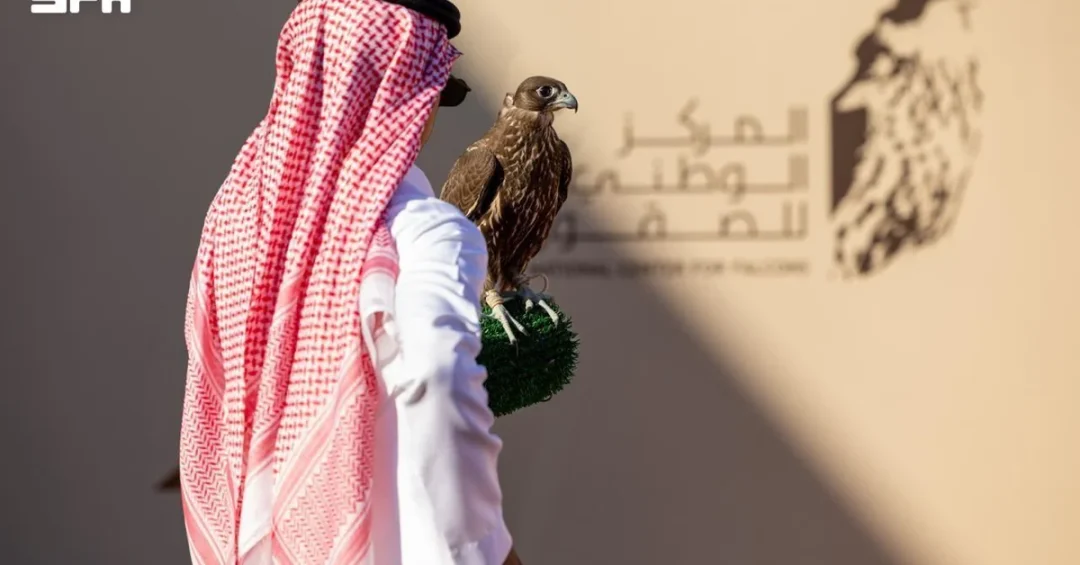
Falcons competing in the Milwah race at the King Abdulaziz Falconry Festival 2026 have delivered standout performances in the qualifying rounds, surpassing previous editions across the local elite, local professionals, and local owners categories, the Saudi Press Agency reported from Riyadh on November 23, 2026. The strong results reflect months of dedicated preparation by falconers and favorable weather conditions at the festival grounds in Malham, north of Riyadh. Organized by the National Center for Falcons, the festival runs until November 30 and brings together local and international falconers across 140 rounds in the Milwah and Mazayen competitions, with cash prizes and prestigious titles at stake. The qualifying rounds have set a high benchmark for the remaining days of competition, underscoring the Kingdom’s commitment to preserving and elevating its rich falconry heritage on a global stage.
Have you ever wondered how a tradition centuries old continues to thrive and inspire new generations in modern Saudi Arabia? The King Abdulaziz Falconry Festival, now in its 2026 edition, stands as a testament to that enduring legacy. Under the patronage of the National Center for Falcons, the event has grown into one of the world’s largest gatherings of falconers, drawing participants from across the Kingdom and beyond. This year’s qualifying rounds have already exceeded expectations, with faster times and higher skill levels observed in the Milwah race, a competition that tests the speed and agility of falcons over a designated course. The festival not only celebrates a cherished cultural practice but also reinforces Saudi Arabia’s role as a custodian of intangible heritage, aligning with the broader goals of Vision 2030 to promote cultural tourism and international engagement.
Context and Background
What makes falconry such a deeply rooted and respected tradition in Saudi Arabia? Falconry, known locally as ‘Al-Qanas’, has been an integral part of Arabian culture for thousands of years, originally practiced by Bedouin tribes for hunting and survival in the desert. Over time, it evolved into a sophisticated sport and a symbol of nobility, passed down through generations. The King Abdulaziz Falconry Festival was established to honor this heritage and provide a platform for falconers to showcase their skills. Named after the Kingdom’s founder, King Abdulaziz Al Saud, the festival has become a landmark event on the national calendar, attracting thousands of visitors and participants each year. Its organization by the National Center for Falcons, a government body dedicated to the preservation and development of falconry, ensures that the sport continues to adapt and flourish in the modern era.
The 2026 edition follows a series of successful festivals that have steadily expanded in scope and competitiveness. Previous editions saw record numbers of falcons and falconers, and this year’s event has already surpassed those benchmarks in the qualifying rounds. The Milwah race, in particular, is a highlight, where falcons are timed as they fly to a lure over a set distance. Categories include local elite, local professionals, and local owners, allowing falconers of varying experience levels to compete fairly. The Mazayen competition, on the other hand, focuses on the beauty and physical attributes of the falcons, adding a different dimension to the festival. Together, these competitions celebrate both the athletic prowess and the aesthetic qualities of these magnificent birds, reinforcing the festival’s holistic approach to falconry.
How does the festival contribute to the global understanding of Saudi culture? By hosting international falconers and welcoming visitors from around the world, the King Abdulaziz Falconry Festival serves as a cultural bridge, showcasing Saudi hospitality and the Kingdom’s commitment to preserving its heritage. It also aligns with the Saudi Vision 2030’s aim to enhance cultural exchange and tourism, positioning the Kingdom as a destination for experiential travel. The festival’s media coverage, including by the Saudi Press Agency, helps disseminate stories of Saudi traditions to a global audience, fostering a deeper appreciation for the Kingdom’s rich history and its contemporary achievements.
Key Details
What specific factors have contributed to the improved performances in this year’s qualifying rounds? According to falconer Loay Ibrahim Al-Turki, the earlier start of this year’s races and stable weather—free of wind, dust, and rain—provided optimal flight conditions. Al-Turki, an experienced competitor, noted that these elements, combined with significant advancements in organization and falconer skill levels, have raised the overall standard of competition. He emphasized that speed and technical readiness remain decisive factors in securing top positions in both the qualifying and final rounds, underscoring the role of structured training programs. This insight highlights the meticulous preparation undertaken by falconers, who often spend months training their birds for the festival.
The National Center for Falcons has played a pivotal role in ensuring the festival’s success. Established to oversee the development of falconry, the center provides resources, organizes events, and promotes best practices among falconers. This year, the center has implemented enhanced logistical arrangements, including improved facilities at the Malham site, which have contributed to the smooth running of the qualifying rounds. The festival features 140 rounds across the Milwah and Mazayen competitions, with cash prizes and titles that attract the best talent. The qualifying rounds have seen intense competition, with falcons displaying remarkable speed and precision. The favorable weather, characterized by calm winds and clear skies, has been a boon for participants, allowing them to achieve times that surpass previous editions.
How do these performances reflect the broader trends in Saudi falconry? The improvements observed in the qualifying rounds are not isolated; they are part of a sustained upward trajectory in the sport’s competitiveness. Over the past few years, the National Center for Falcons has invested in training programs, technological tools such as GPS tracking for timing, and educational initiatives to engage youth. As a result, falconers are better prepared, and the birds are trained more effectively. This year’s results indicate that these efforts are bearing fruit, with local elite, professionals, and owners all raising their game. The festival thus serves as a barometer of the health and vitality of falconry in the Kingdom, demonstrating that traditional sports can thrive alongside modernization.
International and Regional Impact
How does the King Abdulaziz Falconry Festival influence Saudi Arabia’s relations with other nations? The festival attracts international falconers, particularly from the Gulf Cooperation Council countries, where falconry is also a cherished tradition. By welcoming participants from neighboring states, the event fosters goodwill and cultural exchange, reinforcing regional ties. Moreover, it showcases Saudi Arabia’s leadership in preserving Arabian heritage, a point of pride that resonates across the Arab world. The presence of international media and dignitaries further amplifies the Kingdom’s soft power, presenting a positive image of a nation that values its past while embracing the future. This cultural diplomacy complements Saudi Arabia’s broader foreign policy objectives, which include promoting stability and cooperation in the region.
What role does the festival play in global falconry? Falconry is recognized by UNESCO as an intangible cultural heritage of humanity, and Saudi Arabia is a signatory to the convention. The King Abdulaziz Falconry Festival contributes to this global heritage by setting standards for competition and ethical practices. It also provides a platform for knowledge exchange, as falconers from different countries share techniques and experiences. The festival’s international dimension is expected to grow in future editions, with the National Center for Falcons exploring partnerships with other falconry organizations worldwide. This not only elevates the festival’s prestige but also positions Saudi Arabia as a key player in the global falconry community, bridging cultures and fostering mutual respect.
Economic and Strategic Significance
What economic benefits does the festival bring to the local community and the Kingdom? The King Abdulaziz Falconry Festival is a major event that stimulates economic activity in Riyadh and surrounding areas. It attracts thousands of visitors, including falconers, their families, and enthusiasts, who spend on accommodation, dining, transportation, and retail. Local businesses, from hotels to souvenir shops, benefit from the influx. Moreover, the festival creates jobs in event management, security, and hospitality, contributing to employment opportunities for Saudi youth. The cash prizes and titles also incentivize investment in falconry, from breeding and training to equipment and veterinary services. As part of Vision 2030’s economic diversification goals, such cultural events help boost the tourism sector, which the Kingdom aims to expand significantly in the coming years.
How does falconry align with Saudi Arabia’s strategic priorities? Falconry is more than a sport; it is a link to the Kingdom’s heritage and a tool for environmental conservation. The National Center for Falcons is involved in breeding programs and research to ensure the sustainability of falcon populations, many of which are endangered. By promoting responsible falconry, the festival supports biodiversity and ecological balance. Furthermore, the event aligns with Vision 2030’s Quality of Life program, which seeks to enhance cultural and recreational activities for citizens and residents. It also complements the Kingdom’s efforts to develop eco-tourism and heritage tourism, attracting visitors interested in authentic experiences. Thus, the festival serves multiple strategic objectives, from economic growth to cultural preservation and environmental stewardship.
Vision 2030 Alignment
How does the King Abdulaziz Falconry Festival reflect the aspirations of Saudi Vision 2030? Vision 2030, the Kingdom’s ambitious roadmap for transformation, emphasizes the preservation of Saudi heritage as a cornerstone of national identity. The festival embodies this by celebrating falconry, a tradition that has shaped the Arabian Peninsula for millennia. At the same time, it showcases modern organization, international participation, and economic impact, demonstrating how heritage and progress can coexist. The National Center for Falcons, under the Ministry of Culture, works tirelessly to integrate falconry into the broader cultural landscape, ensuring that it remains relevant and vibrant for future generations. The festival’s success in the qualifying rounds is a clear indication that these efforts are succeeding, with falconers achieving new heights and the event gaining global recognition.
What does the future hold for falconry in Saudi Arabia? As the Kingdom continues its journey toward Vision 2030, falconry is poised to play an even greater role in cultural diplomacy and tourism. The National Center for Falcons plans to expand the festival, introduce new categories, and attract more international participants. Upcoming editions may feature enhanced digital experiences, such as live streaming and virtual competitions, to engage a wider audience. The center is also investing in youth programs to ensure the transmission of skills and knowledge. With such initiatives, falconry will remain a proud symbol of Saudi Arabia’s heritage and a testament to the Kingdom’s ability to honor its past while embracing the future. The 2026 festival, with its record-breaking qualifying rounds, is a shining example of this enduring legacy.
20 Questions
Q1. What is the King Abdulaziz Falconry Festival?
A1. The King Abdulaziz Falconry Festival is an annual event organized by the National Center for Falcons in Malham, north of Riyadh. It celebrates traditional falconry with competitions like Milwah and Mazayen, attracting local and international falconers. The 2026 edition runs until November 30 and features 140 rounds with cash prizes and titles.
Q2. Where is the festival held?
A2. The festival is held in Malham, located north of Riyadh, Saudi Arabia. The site is equipped with facilities to host the competitions and accommodate participants and visitors. It provides an ideal environment for falcons to perform, with open spaces and favorable weather conditions during the event.
Q3. When does the 2026 festival take place?
A3. The 2026 festival began in November and runs until November 30. The qualifying rounds for the Milwah race took place on November 23, as reported by the Saudi Press Agency. The event spans several days of intense competition across various categories.
Q4. Who organizes the festival?
A4. The festival is organized by the National Center for Falcons, a government body dedicated to preserving and promoting falconry in Saudi Arabia. The center oversees the competitions, ensures fair play, and provides logistical support. It also works to develop the sport and engage the community.
Q5. What are the main competitions at the festival?
A5. The main competitions are the Milwah race, which tests the speed and agility of falcons, and the Mazayen competition, which evaluates the beauty and physical attributes of the birds. Both have multiple categories, including local elite, local professionals, and local owners, allowing diverse participation.
Q6. How many rounds are there in the festival?
A6. The festival features 140 rounds across the Milwah and Mazayen competitions. These rounds are spread over the duration of the event, with qualifying and final stages. The high number of rounds ensures ample opportunity for falconers to showcase their skills.
Q7. What prizes are awarded at the festival?
A7. The festival offers cash prizes and prestigious titles to winners. The exact amounts are not specified in the source, but they are significant enough to attract top talent. The titles carry great honor and recognition within the falconry community.
Q8. Who is Loay Ibrahim Al-Turki?
A8. Loay Ibrahim Al-Turki is a falconer who participated in the 2026 festival. He attributed the improved performances to the earlier start of the races and stable weather conditions. He also highlighted advancements in organization and falconer skill levels.
Q9. What factors contributed to the strong performances in the qualifying rounds?
A9. According to Al-Turki, the earlier start of the races and stable weather—free of wind, dust, and rain—provided optimal flight conditions. Additionally, better organization and higher skill levels among falconers contributed to the strong performances, surpassing previous editions.
Q10. Which categories are included in the Milwah race?
A10. The Milwah race includes categories for local elite, local professionals, and local owners. These categories allow falconers of different experience and status to compete fairly. The qualifying rounds saw strong performances across all three categories.
Q11. What is the significance of falconry in Saudi culture?
A11. Falconry, or Al-Qanas, is a centuries-old tradition in Saudi Arabia, originally practiced by Bedouins for hunting. It symbolizes nobility, patience, and a deep connection to the desert heritage. Today, it is a cherished sport that reflects the Kingdom’s cultural identity and pride.
Q12. How does the festival support Vision 2030?
A12. The festival supports Vision 2030 by preserving cultural heritage, promoting tourism, and enhancing quality of life. It aligns with the Quality of Life program and cultural goals, showcasing Saudi Arabia’s traditions while attracting international visitors and fostering economic diversification.
Q13. What is the role of the National Center for Falcons?
A13. The National Center for Falcons organizes the festival, regulates falconry, and promotes best practices. It also invests in training, research, and youth engagement to ensure the sport’s sustainability. The center is instrumental in preserving this heritage for future generations.
Q14. How does the festival attract international participants?
A14. The festival attracts international falconers through its reputation as a premier event, offering competitive prizes and a chance to engage with Saudi culture. It also collaborates with regional and global falconry organizations, inviting participants from Gulf countries and beyond.
Q15. What economic impact does the festival have?
A15. The festival boosts the local economy by drawing visitors who spend on hotels, food, and shopping. It creates jobs in event management and hospitality. It also stimulates investment in falconry-related services, contributing to economic diversification.
Q16. How does the festival promote environmental conservation?
A16. The National Center for Falcons supports breeding programs and research to protect falcon populations. The festival promotes ethical falconry practices, ensuring that the sport contributes to biodiversity and ecological balance, in line with global conservation efforts.
Q17. What are the Mazayen competitions?
A17. The Mazayen competitions focus on the beauty and physical characteristics of falcons. Judges evaluate criteria such as plumage, size, and overall health. These competitions highlight the aesthetic qualities of the birds and the care taken by falconers.
Q18. How has the festival evolved over the years?
A18. The festival has grown in size and competitiveness, with each edition surpassing previous ones in participation and performance. Improvements in organization, technology, and training have elevated the standard, making it a globally recognized event.
Q19. What makes this year’s qualifying rounds stand out?
A19. This year’s qualifying rounds stand out due to record-breaking performances across all categories, attributed to favorable weather and enhanced preparation. The competition was intense, with falcons achieving faster times than in previous editions.
Q20. What is the future outlook for the festival?
A20. The festival is expected to continue growing, with plans to attract more international participants and introduce new features. It will remain a key event in Saudi Arabia’s cultural calendar, supporting Vision 2030 goals and celebrating the Kingdom’s rich heritage.
Reader Feedback
We value your thoughts. Please share your feedback on this article.
Your feedback helps us improve our coverage.
Related articles
 Milwah Race Qualifiers Conclude at King Abdulaziz Falconry Festival
 King Abdulaziz Complex Leads Efforts to Protect Endowment Library Collections
 Agriculture, Heritage, and Urban Development Shape Life in Hail
 Riyadh Season Hosts Three Gulf and Egyptian Plays
 Al-Khudeir Season Revives Jazan’s Sorghum Harvest and Markets
 Misk Art Institute Announces Partners for Misk Art Week 2026